Santiago de Cuba
Santiago de Cuba
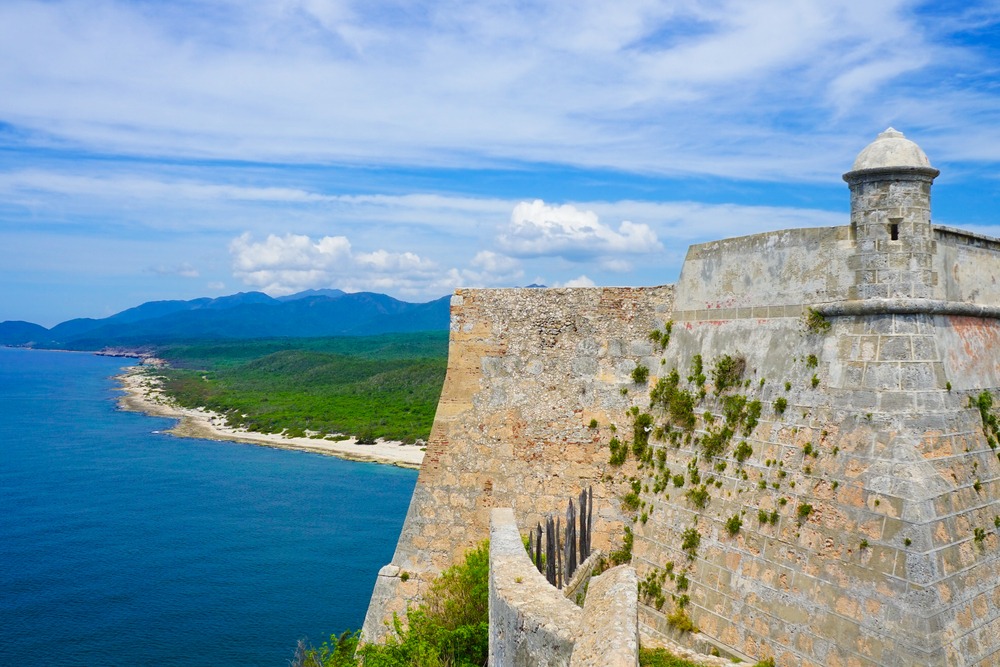
Nestled between the Caribbean Sea and the Sierra Maestra, Santiago de Cuba blends Fidel Castro's revolution, Cuban son music, UNESCO fortress and mythical carnival.
There's nothing quite like a festive atmosphere steeped in tradition to transport you far from home in Cuba's second city. A destination that is both a bustling port and a cultural hub, Santiago de Cuba is an excellent choice for vacations in Cuba. The city lives up to its nickname as the "cradle of the Cuban revolution," having witnessed countless battles where colonial architecture stands proudly. Though the imprints of colonization are evident, Santiago de Cuba is also the most Caribbean of all Cuban cities. Its deeply mixed population forms the very foundation of its cultural and historical wealth.
Why Santiago de Cuba?
For its major significance
Santiago de Cuba is the second most important city on the island after the capital Havana. This makes sense given that it serves as a major fishing port. As a result, it has become a hub for exporting copper, iron and agricultural products to neighboring regions. Once the capital of Cuba until the early 17th century, it was the seat of the former Oriente province. The city is also regarded as the birthplace of the Castrist revolution in the 1950s. Today, Santiago de Cuba is the capital of its own province.
For its geography
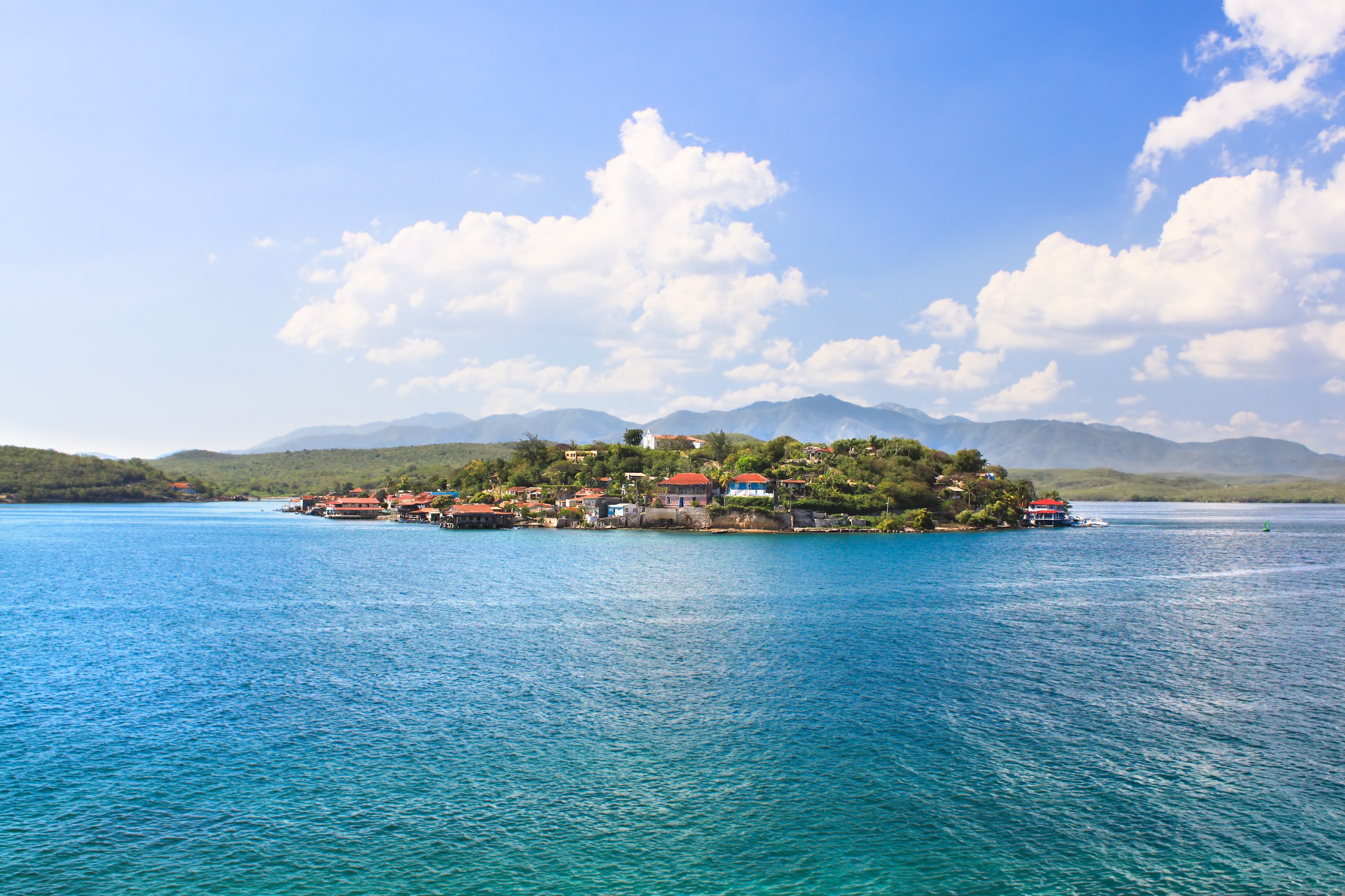
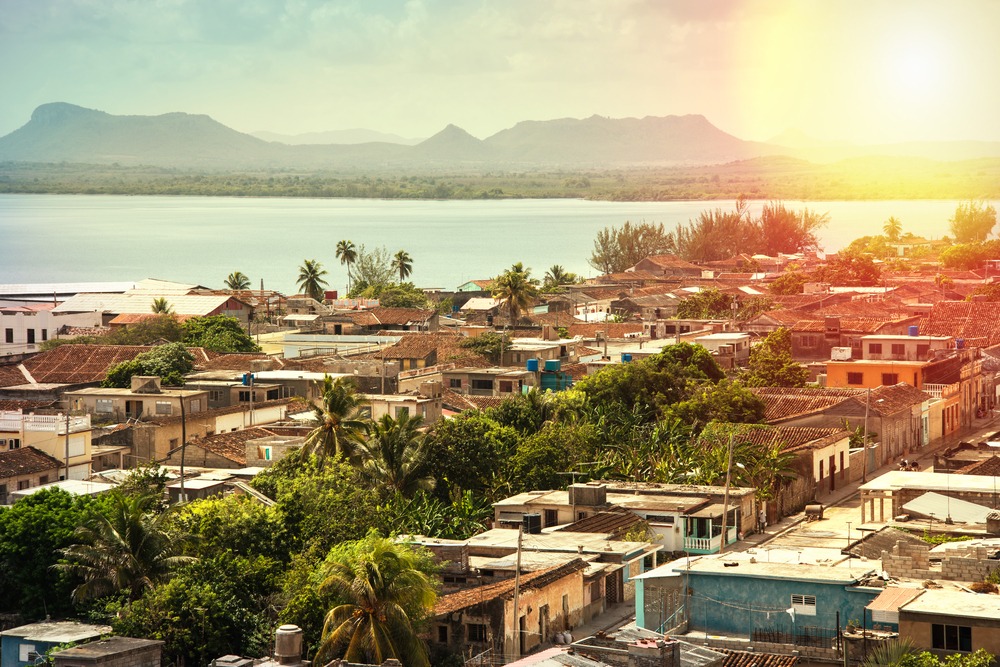
Santiago de Cuba is located in the southeastern part of the island, 850 km from Havana. Nestled in a deep bay, it is bordered by the Caribbean Sea and the Sierra Maestra mountains. The city's vast expanse is made all the more beautiful by the sea and mountains. Hiking and swimming on the beaches are among the tourist activities this destination offers.
Historical and cultural wealth
This is the major tourist asset of Santiago de Cuba. Its monuments and neighborhoods showcase colonial architecture that transports visitors through time. Basilicas, museums and historic buildings make this city a dream destination for history lovers. Furthermore, its mixed population numbers nearly 515,000 inhabitants, a true kaleidoscope of Spanish, African, French, Haitian, Antillean, Asian and other influences. All of this constitutes the city's cultural and historical richness.
History
Like Baracoa, the first city built by the conquistadors (1511), Santiago de Cuba was also founded by Diego Velázquez de Cuéllar, but in 1514. To construct the commercial port, the city was relocated a few kilometers to a cove in 1522. It became Cuba's first capital around 1607. During this period, there was an influx of African slaves to the territory, resulting in the mixed population. In 1804, French colonists also landed at the city's port, giving rise to the famous "French Quarter" named Tivoli, a café they introduced to Santiago.
Spanish colonization ended in 1898 following the Spanish-American War on the territory.
The history that made Santiago "the cradle of Cuba's Castrist revolution" unfolded between 1953 and 1959. The famous Cuban revolutionary and statesman Fidel Castro led the revolution to overthrow the regime of dictator Batista.
Today, Santiago's rich historical heritage works to its advantage, particularly in terms of tourism. The city is now brimming with monuments that captivate many travelers. The great expansion of its economic activities has made it the 2nd most important city on the Caribbean island and the most emblematic in southern Cuba. The passage of Spanish, African and French colonists also contributed significantly to the composition of its cultural wealth. Santiago de Cuba is undoubtedly a must-visit destination during your trip to Cuba.
Must-See Attractions in Santiago de Cuba
One cannot possibly list all the tourist attractions in Santiago. Among the most important are:
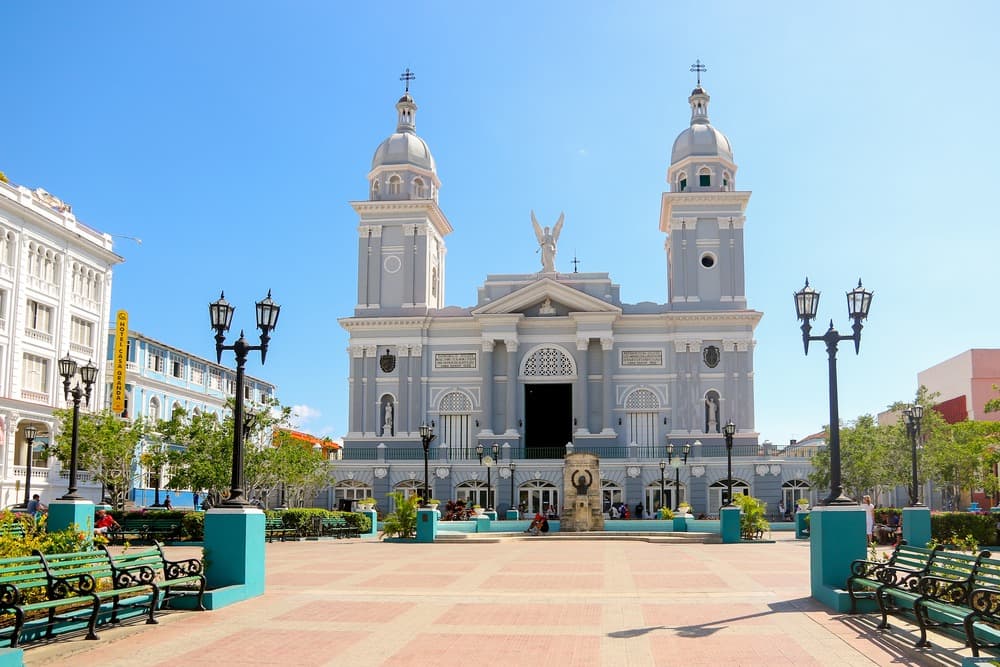
- Céspedes Park where the blue of street lamps and green borders of the park dominate. At the top sits the Casa Granda hotel offering a superb view over the city. It is nestled in Santiago's historic center,
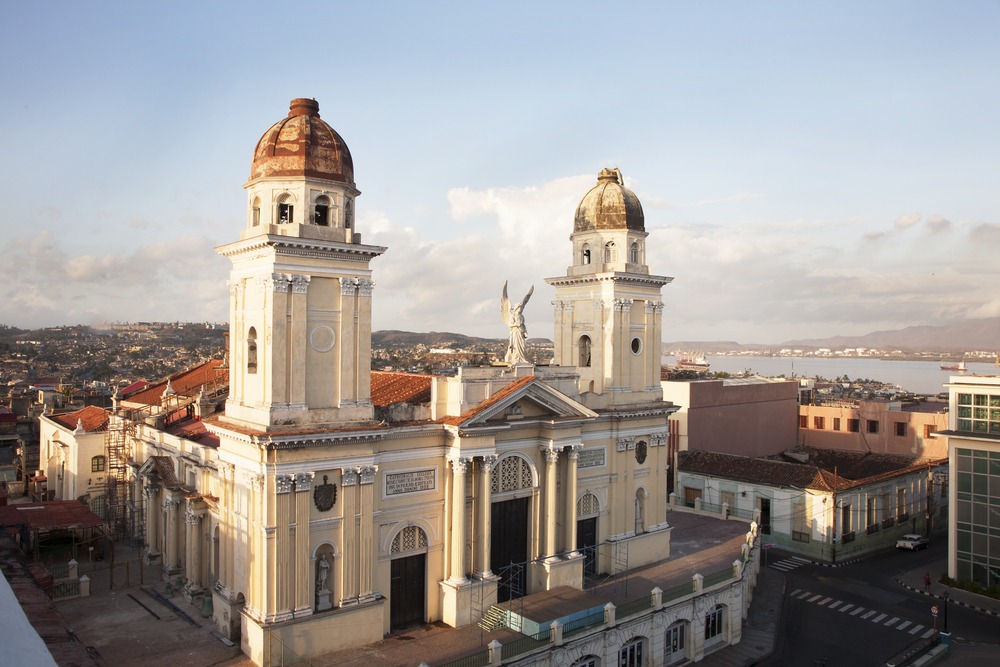
- The Catedral de Nuestra Señora de la Asunción or the Cathedral of Our Lady of the Assumption located south of the main Céspedes Square,
- La Casa de la Trova, the country's oldest music temple and a place where you can appreciate traditional Cuban music,
- Balcón de Velázquez, for panoramic views over the Tivoli neighborhood and the city of Santiago,
- The French Quarter Tivoli, one of the city's must-sees with a maze of steep narrow streets. You'll also find the Padre Pico steps here,
- The House of Diego Velázquez: visit its patios and terraces and step into its inner courtyard. The house's furnishings date from the 16th and 17th centuries and are made of mahogany, cedar and ebony,
- The Museum of Clandestine Struggle where you'll learn more about the July 26 Movement where Fidel Castro and company prepared a "clandestine struggle" against Batista's regime. This attack on the Moncada barracks was a failure,
- The Emilio Bacardi Moreau museum where you'll find works by Cuban artists,
- The Moncada Barracks, still related to the July 26, 1953 event with Fidel Castro's attack against dictator Batista's regime,
- The Revolution Square, inaugurated in 1991, where stands a gigantic 16-meter statue of Antonio Maceo, a famous independence fighter,
- The Baconao Park, a botanical garden featuring full-scale reproductions of dinosaurs that fascinate tourists. You'll also find an automobile museum with over 2,500 model cars.
What to Do in Santiago de Cuba
The Santiago Carnival
Celebrated every year since the late 17th century, the event takes place between June 24 and July 26. Of religious origin, it is increasingly infused with local cultures and traditions. Throughout the city streets you'll see "comparsas," groups of musicians, singers and dancers. Accompanied by drums, maracas and other instruments, they wear masks, capes, farolas (paper lanterns) and costumes. They also carry banners while dancing to the rhythm of the conga, a Cuban musical instrument. The celebration peaks in the second half of July. Participate in the festivities by sharing moments of joy with locals while learning about their customs.
Swimming at the beach
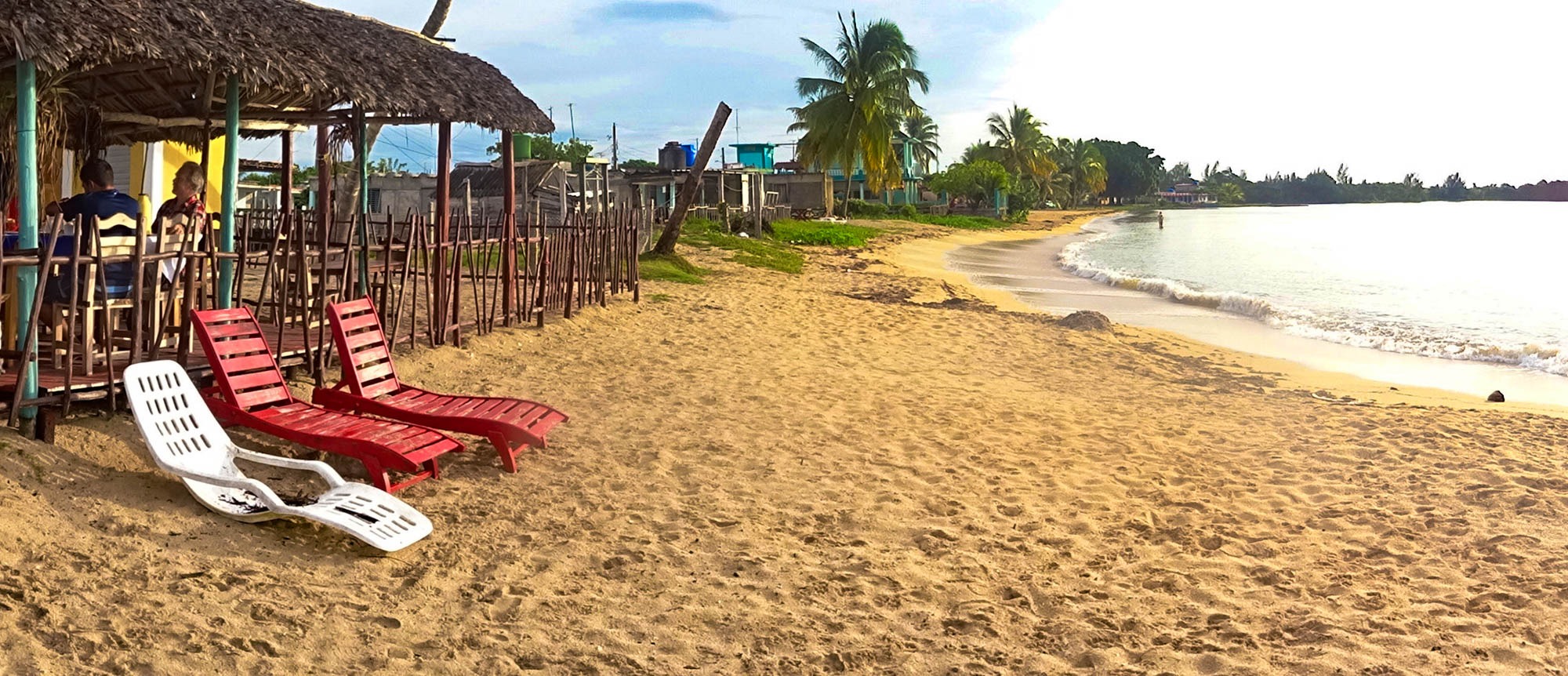
You can visit Cazonal beach and/or Siboney beach in Baconao National Park. They're not really the most sought-after, but you could still do some diving there. A little further, near the town of Chivirico (75 km from Cuba) is nestled another beach with a good reputation. The road between Santiago and Chivirico is also worth the drive.
Gastronomic journey
Try regional dishes by tasting "carne asada," a type of roasted meat. At the same time, you can sample local beverages: Guarapo (sugarcane juice), the local beer "Cristal," Cuban rum, Cuba Libre, daïquiri, etc. Also savor "los moros y cristianos" (a mix of rice and black beans) or ajiaco, a meat and vegetable stew seasoned with garlic.
For dessert, you can choose between pears in vanilla sauce, pineapple flan or bananas with rum. For something more filling, opt for bread pudding (made with stale bread) or rice pudding.
Best time to visit
The dry season is ideal for vacations in Santiago de Cuba, which runs from December to March. Temperatures range between 21 to 29°C during this period, with only 17 to 40 mm of rainfall. But in general, the city's climate is favorable year-round. The highest rainfall is approximately 150 to 200 mm.
Santiago de Cuba–Antonio Maceo airport serves Miami, Rome, Paris, Toronto and other Caribbean destinations. However, many tourists prefer to land in Havana, the capital.
If you land directly in Santiago, you just need to take a taxi, private or shared transfer to reach the city center or your hotel. The airport is located 7 km southwest of Santiago de Cuba. You can also choose to rent a car for more freedom.
If you land in Havana and wish to visit the capital first before heading to Santiago, it takes approximately 11 hours and 20 minutes by car. If you take a flight, it's a 2-hour flight to arrive in Santiago.
Want to discover this destination?
Our local advisors design your tailor-made trip.