Santa Ifigenia Cemetery in Santiago
Santa Ifigenia Cemetery in Santiago
In Santiago de Cuba, Santa Ifigenia Cemetery brings together the burial sites of José Martí, Fidel Castro, and major figures of independence.
Santa Ifigenia Cemetery stretches west of Santiago de Cuba, in the José Martí neighborhood. This vast funerary site houses the graves of major figures in Cuban history: heroes of independence wars, presidents, artists, and revolutionaries have been buried here since the nineteenth century. Today it stands as one of the country's principal sites of national remembrance.
Why Visit Santa Ifigenia
Santa Ifigenia brings together in a single location several foundational figures of Cuba: José Martí, Carlos Manuel de Céspedes, Fidel Castro, and Compay Segundo rest here. The changing of the guard ceremony at José Martí's mausoleum, established in 2002 at Fidel Castro's initiative, makes it a unique site on a national scale. Beyond its memorial significance, the cemetery forms a coherent architectural ensemble, punctuated by white Carrara marble mausoleums and commemorative monuments spanning more than a century and a half.
History of the Cemetery
Santa Ifigenia was founded in February 1868, during the independence war, to replace the Santa Ana cemetery which had become insufficient. The first burials took place in April 1868. The site initially received victims of combat and yellow fever, before gradually becoming over the decades the principal patrimonial cemetery of Cuban Oriente.
Designated a national monument in 1937, its status was confirmed in 1979. The cemetery houses the graves of 32 generals from the independence wars, former mambi combatants, participants in the assault on Moncada Barracks, and internationalist figures. Successive additions—the monument to Martí in the mid-twentieth century, Fidel Castro's tomb in 2016—reflect the evolution from funerary architecture inspired by European models to more minimalist forms bearing revolutionary symbols.
What to See On-Site
The José Martí Mausoleum
Inaugurated in 1951, the José Martí mausoleum is the centerpiece of the cemetery. Hexagonal in form, it was designed so that the sun's rays always reach the coffin of the poet and independence leader, in keeping with his wish to "not die in shadow." The tomb contains earth from all Latin American countries, a reference to his continental influence.
Fidel Castro's Tomb
Fidel Castro was buried on December 4, 2016 in a block of raw granite weighing 49 tons extracted from the Sierra Maestra. A simple plaque bears a single word: "Fidel." This simplicity contrasts with neighboring mausoleums and was the leader's own wish.
Historical Figures
Among the notable personalities buried at Santa Ifigenia:
- Carlos Manuel de Céspedes, initiator of the independence war, known as the "Father of the Nation"
- Mariana Grajales, mother of the Maceos, an emblematic figure of the independence cause
- Antonio and José Maceo, generals of the mambi wars
- Frank and Josué País, martyred activists in the struggle against Batista
- Emilio Bacardí, industrialist and philanthropist from the rum dynasty
- Tomás Estrada Palma, first president of the Republic of Cuba
- Compay Segundo, whose tomb is adorned with his guitar, his hat, and 95 bronze flowers
- François Antommarchi, Corsican doctor to Napoleon, who practiced medicine in Cuba late in his career
The site also includes collective pantheons dedicated to the Martyrs of July 26, the Fallen in Defense, and the Martyrs of the Virginius.
Changing of the Guard
Every 30 minutes, a military honor guard performs a choreographed changing of the guard at José Martí's mausoleum. The ceremony, established in 2002 at Fidel Castro's initiative, pays homage to four foundational figures: José Martí, Carlos Manuel de Céspedes, Mariana Grajales, and Fidel Castro. It attracts many Cuban and international visitors daily.
Architecture and Layout
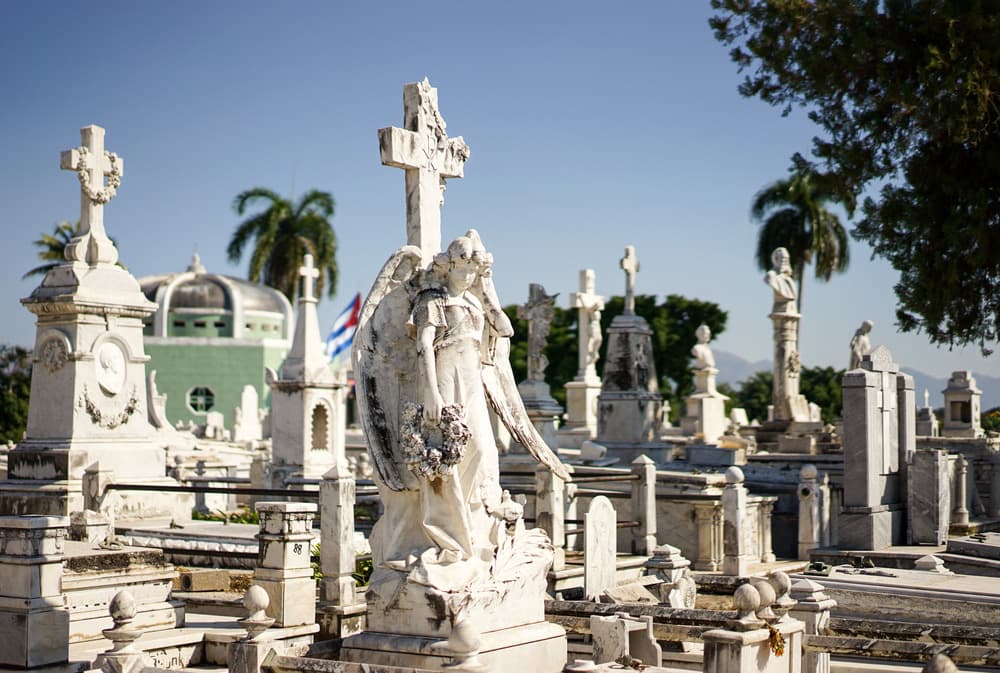
The cemetery spans more than 13 hectares and contains over 8,000 graves. It is organized into 23 patios arranged in the shape of a cross, traversed by symmetrical pathways. The architecture blends European neoclassical references with local motifs: angel statues, monumental crosses, wrought iron gates, white Carrara marble, and details inspired by Cuban flora. An interpretation center attached to the municipal conservatory presents the site's history and its notable figures.
Practical Information
- Visit Duration: plan 1.5 to 2.5 hours to tour the main graves and attend the changing of the guard.
- Admission: paid entry at a moderate rate, with a supplement for photography. English-speaking or Spanish-speaking guided tours are highly recommended.
- Hours: open during the day, seven days a week. Verify local hours before your visit, as they may change.
- Tips: bring a hat and water, shade is scarce between the patios. Appropriate dress is required.
How to Get There
The cemetery is located west of Santiago de Cuba's historic center, accessible via Avenida Jesús Menéndez. Several options are available to travelers:
- On Foot: from the center, allow approximately 30 minutes along the avenue skirting the bay.
- By Horse-Drawn Carriage: regular departures from Alameda Park to the site entrance.
- By Taxi or Local Bus: shared taxis and several bus lines serve the cemetery's surroundings. A parking area accommodates cars and tourist coaches.
Nearby Attractions
Santiago de Cuba offers several sites that complement a visit to Santa Ifigenia:
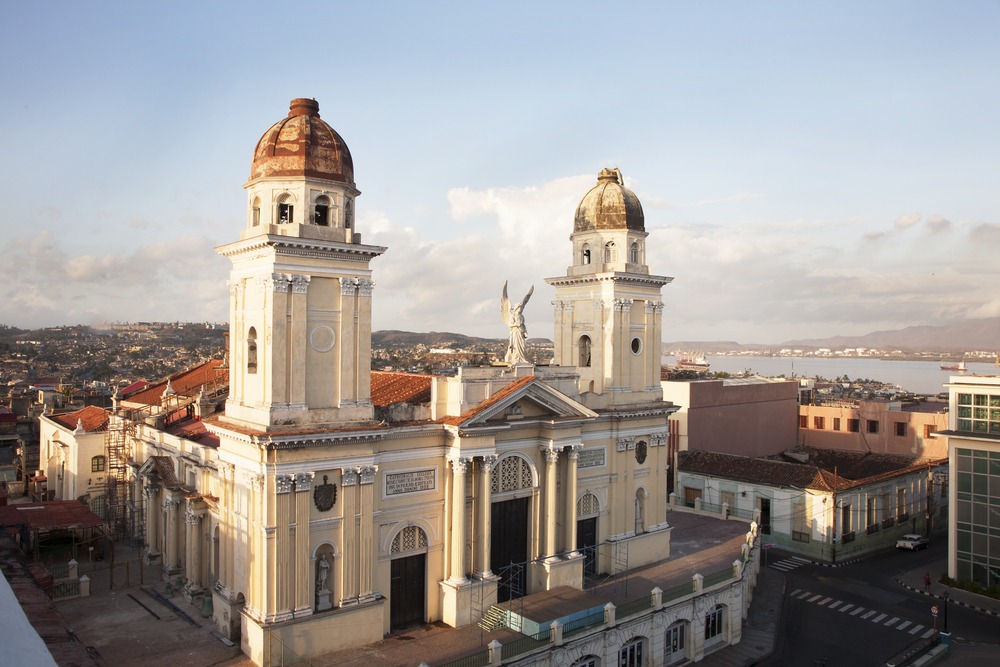
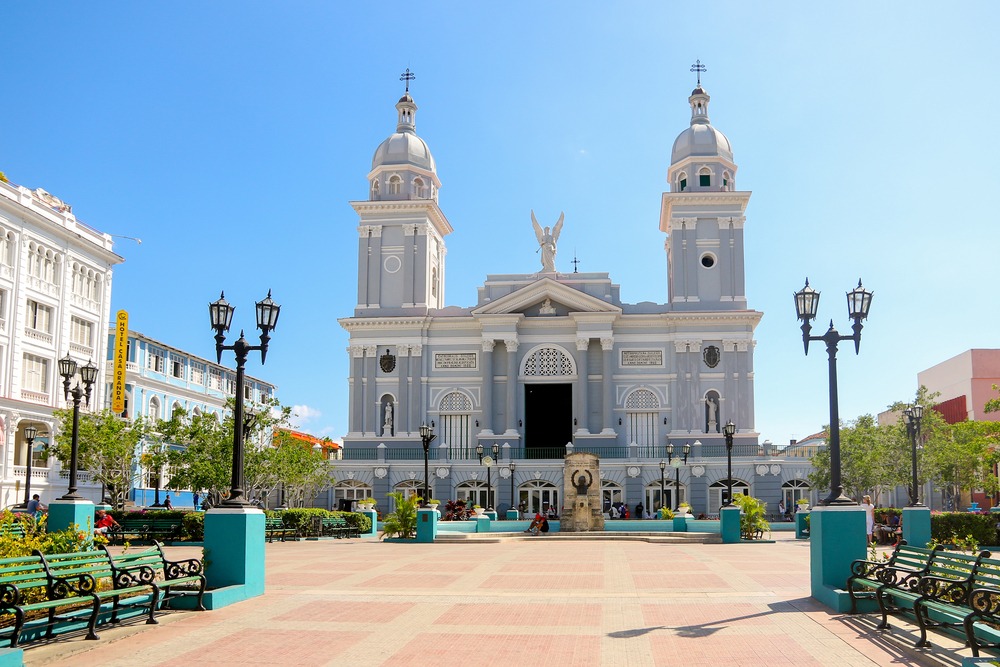
- The Santiago Cathedral, on Parque Céspedes, the historic heart of the city.
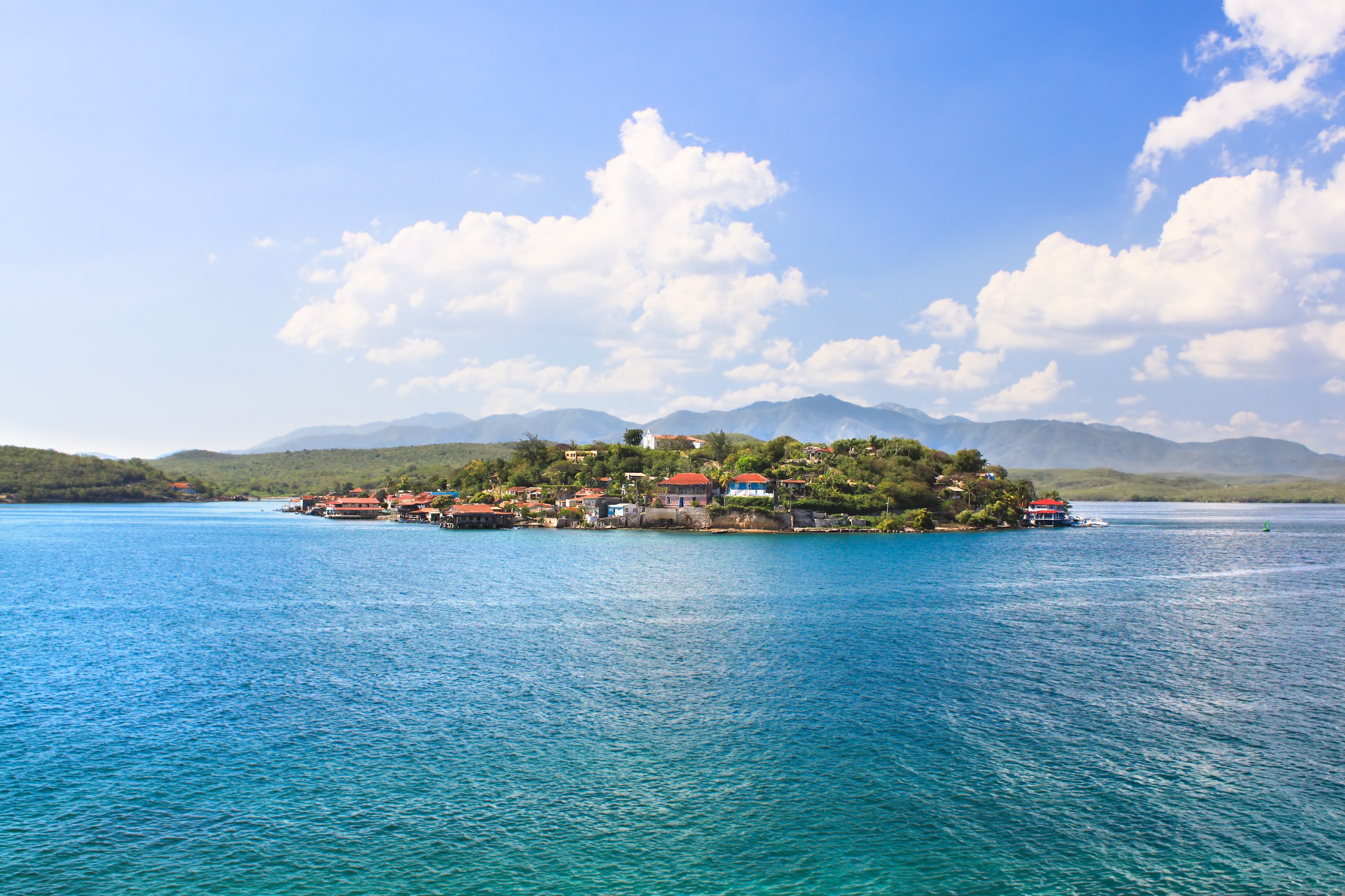
- The Granma Islet, a small fishing island in the heart of Santiago Bay.
- The Hummingbird House, an unusual venue dedicated to the world's smallest bird species.
Frequently Asked Questions
Frequently asked questions
Allow between 1.5 and 2.5 hours to tour the main graves, attend the changing of the guard, and explore the interpretation center.
The honor guard changing at José Martí's mausoleum takes place every 30 minutes during the cemetery's operating hours.
Yes, but a supplement is generally requested for cameras and video equipment. During the changing of the guard, silence and respect are required.
Yes, highly recommended. The site contains over 8,000 graves and many symbols are only understandable with a guide knowledgeable about Cuban historical figures.
Planning Your Visit
Santa Ifigenia Cemetery fits naturally into a stay in Santiago de Cuba, the country's second city and birthplace of the revolution. To build a comprehensive itinerary across Cuba, consult our custom-made travels to Cuba.
Interested in this visit?
We can include it in your personalised itinerary.