House of Popular Religions in Santiago
House of Popular Religions in Santiago
In the Vista Alegre neighborhood of Santiago de Cuba, the Casa de las Religiones Populares documents Afro-Cuban religions while remaining an active ritual space.
In Santiago de Cuba, within the residential Vista Alegre neighborhood, the Casa de las Religiones Populares occupies a historic mansion that has become a living center of memory and research on Cuban and Caribbean popular religions. An official extension of the Casa del Caribe, it is sometimes nicknamed the "second house," so closely do the two institutions mirror one another.
Why visit the Casa de las Religiones Populares
The place stands apart from most ethnographic museums through its hybrid operation: it documents Afro-Cuban religions while remaining an active ritual space. The guides are themselves practitioners or researchers, and the building houses both collections of sacred objects and a ceremonial courtyard where worship still takes place.
To understand the spiritual dimension of Cuba — this blending of Yoruba and Bantu traditions, Spanish Catholicism, and European spiritualism — this is one of the rare places where the approach is simultaneously educational, anthropological, and rooted in living practice.
History and origins
The house was founded in 1994, continuing the religious workshops organized each year during the Fiesta del Fuego, Santiago's major Caribbean festival. Early ceremonies were held in the courtyard of the Cabildo Teatral Santiago, before the institution moved to its current Vista Alegre location.
Conceived as an extension of the Casa del Caribe, it is part of a project to preserve the popular cultures of the region: to preserve, study, and transmit beliefs long marginalized, now recognized as an integral part of Cuban heritage. The archives hold testimonies, photographs, chronicles, and ritual objects documenting several decades of practice.
What you'll see on site
The major traditions on display
The tour presents the principal popular religions still vibrant on the island:
- Santería (Regla de Ocha), inherited from the Yoruba people
- Palo Monte or Regla Conga, of Bantu origin
- Cuban Vodou, close to Haitian Vodou brought by migration
- Spiritualism, in its crossed and cordon forms
- Muertería, veneration of the dead
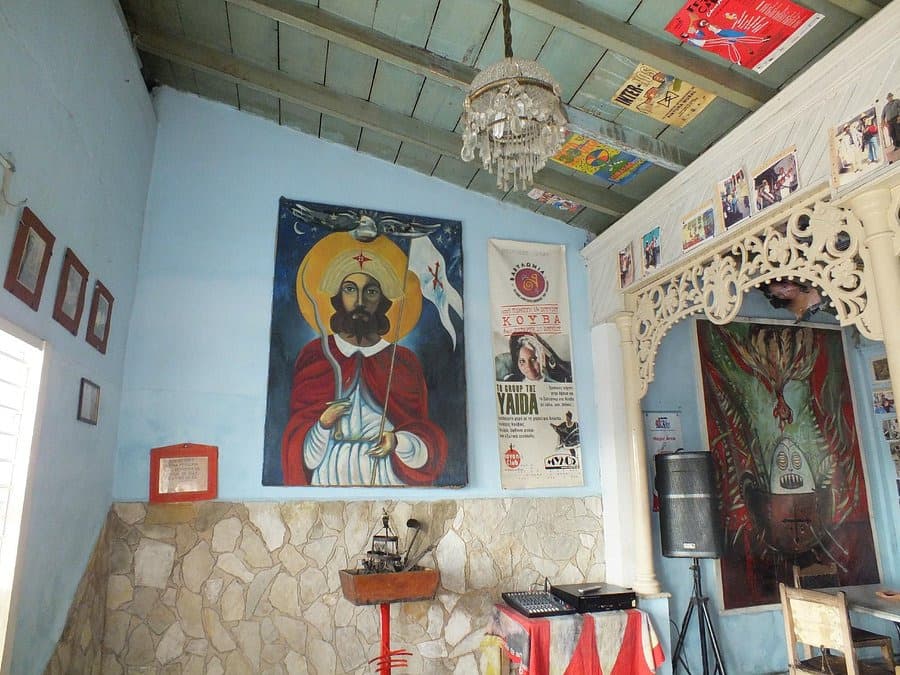
The rooms bring together domestic altars, ritual objects, sacred garments, percussion instruments, paintings, cloth dolls, bones, dried leaves, and Christian symbols (crucifixes, candles) that concretely illustrate Afro-Cuban syncretism.
El Palenque, the ritual courtyard
At the heart of the building opens a ceremonial courtyard called El Palenque, named after maroon communities formed by escaped slaves. A great ceiba tree, sacred in many African cultures and associated with the Gran Bwa spirit of Vodou, occupies the center of the space.
Here unfold the most emblematic rituals: feeding the ceiba, Nganga ceremonies, Cajón of the dead. The Palenque also hosts regular cultural peñas, where Creole songs, Yoruba music, and Congo percussion bring together practitioners, musicians, and the public.
Figures and memories
The explanations evoke several figures linked to Santiago: Pura Pérez, Pablo Milanés, and Anita Duverger, whose paths intersect these popular traditions to varying degrees.
When to visit
The house is open year-round, but the high point comes in early July, during the Fiesta del Fuego (usually the first week of July). The festival's religious workshops are held partly here, and the ceremonial programming intensifies.
Outside this period, late afternoons — when the peñas gather in the courtyard — offer the most complete experience. Avoid peak heat hours in the dry season (March–May), as the courtyard is partially open-air.
Practical information
Entry is modestly priced and typically includes a guided tour. Guides speak Spanish, and some offer tours in French or English — don't hesitate to specify upon arrival. Plan for about 1 to 1.5 hours for the tour, longer if a ceremony or peña is underway.
A personalized divination consultation, conducted by a specialist in popular cults, may be offered for an additional fee. The house is sometimes referred to as a "temple of health" because of this spiritual counseling dimension.
A few sensible rules: always ask before photographing altars or rituals in progress, as some objects or ceremonies are not meant to be photographed. Appropriate dress is expected, as in any place of worship.
How to get there
The Casa de las Religiones Populares is located in the Vista Alegre neighborhood, about 10–15 minutes by taxi from Santiago de Cuba's historic center (Parque Céspedes). Bicitaxis and collective taxis serve the neighborhood from the center. On foot from the cathedral, allow about 30 to 40 minutes depending on your pace.
The Casa del Caribe is a few steps away, making it possible to combine both visits in the same half-day.
Nearby attractions
- Casa del Caribe — the parent institution, minutes on foot, hosting lectures and cultural events.
- Vista Alegre neighborhood — a former early-20th-century affluent district, interesting for its eclectic architecture.
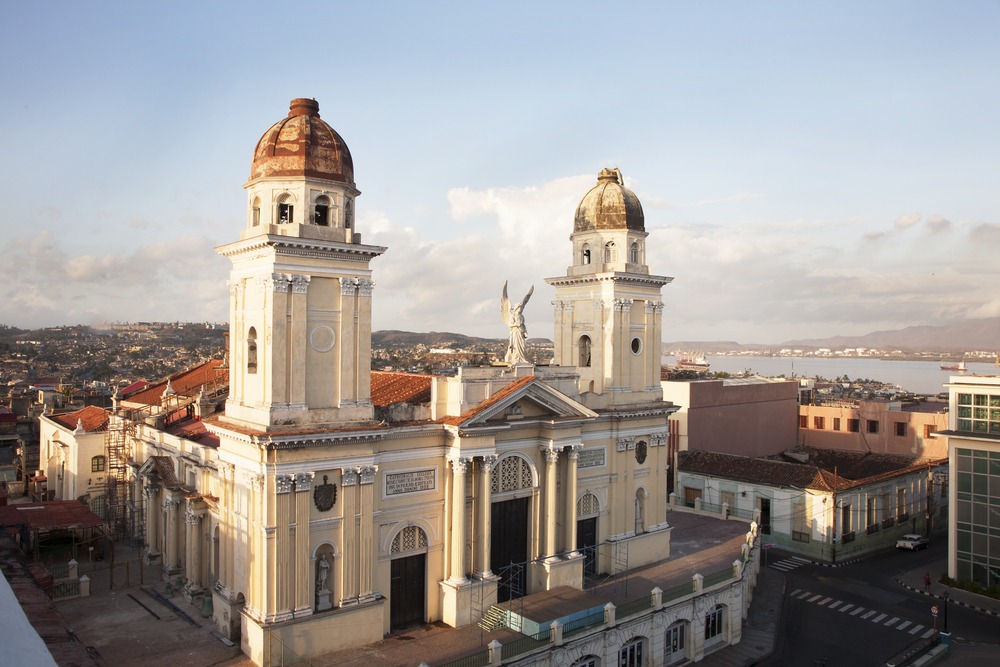
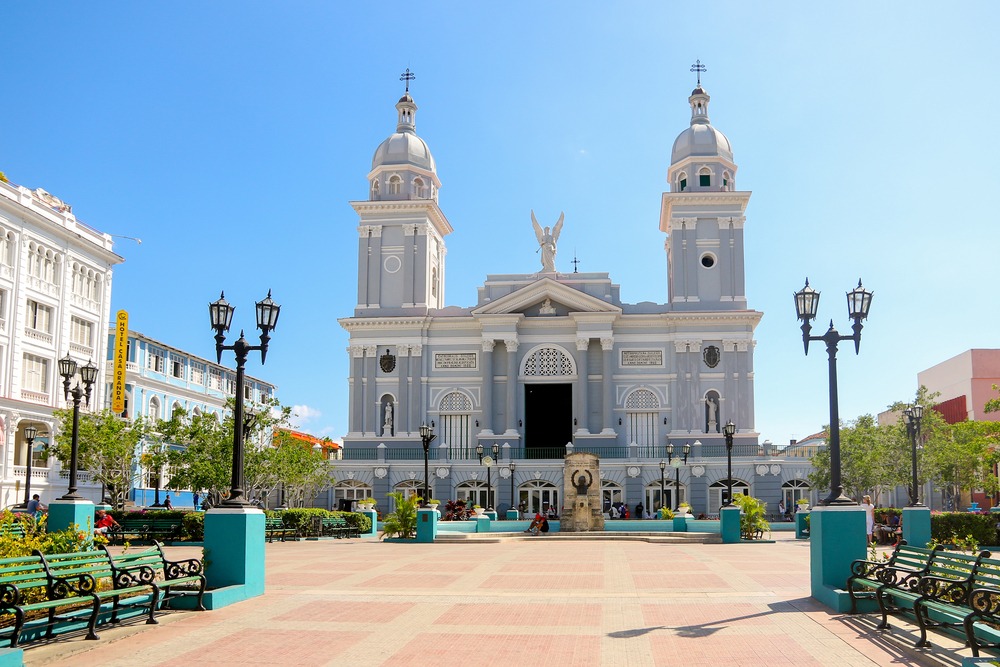
- Santiago Cathedral — at the heart of the historic center, a useful complement to understanding the Catholic aspect of Cuban syncretism.
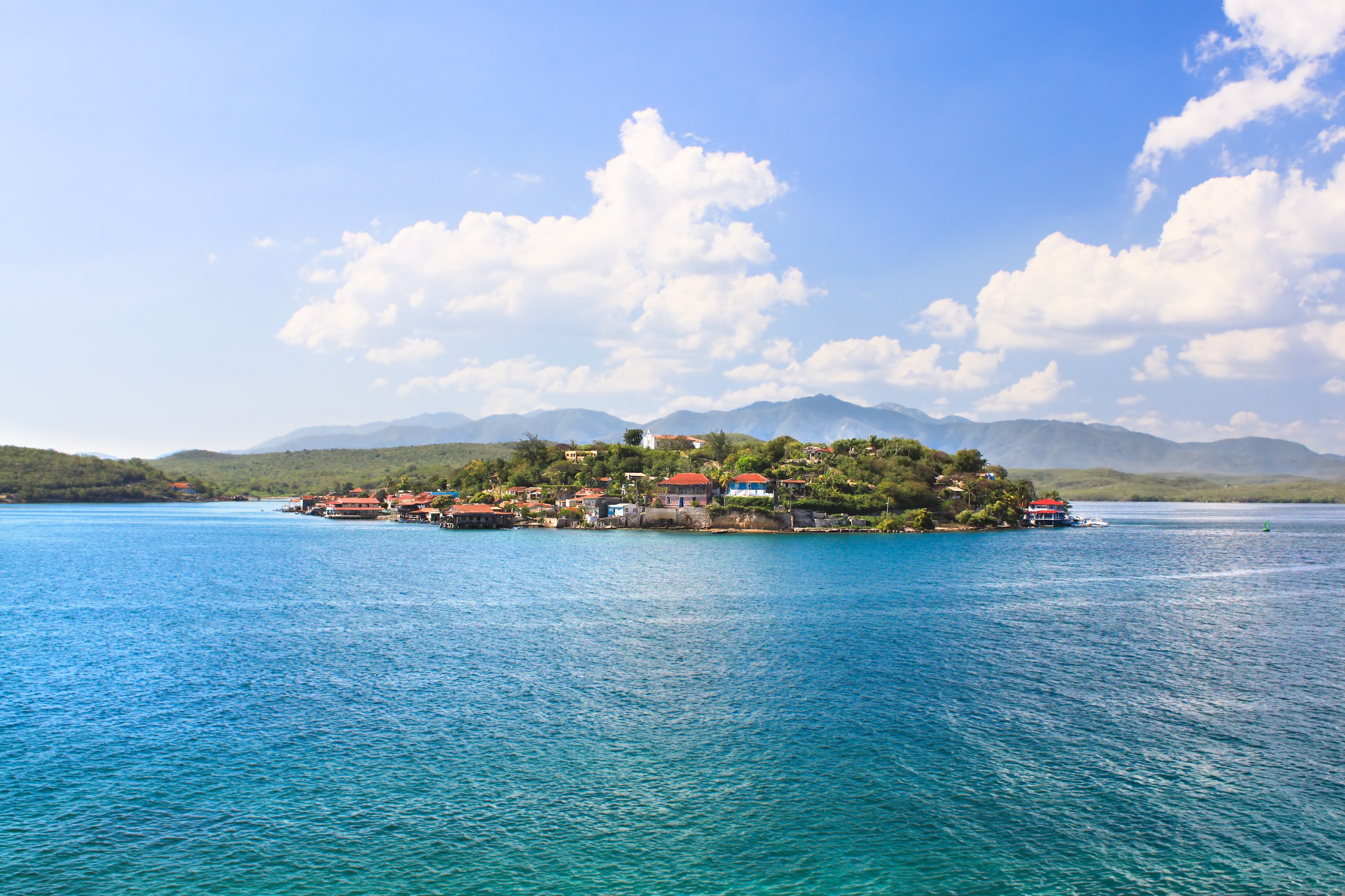
- Granma Islet — a small fishing island in Santiago Bay, for a quieter half-day.
Frequently asked questions
Frequently asked questions
It depends on the schedule. Ceremonies are held regularly in the El Palenque courtyard, but they are not programmed for visitors. The best time is during Fiesta del Fuego in early July; the rest of the year, it's best to inquire on-site or through the Casa del Caribe.
Generally yes in the exhibition rooms, but always ask before photographing altars, sacred objects, or a ritual in progress. Some guides request that the most sensitive elements not be photographed.
No. The place welcomes a wide audience, from the curious to the scholar. The approach is educational and respectful, without proselytizing. A discreet attitude is simply expected, as in any sacred space.
Some guides speak English, others Spanish or French. Availability varies by day; specify your language upon arrival so you can be directed to the right person.
Plan for 1 to 1.5 hours for a standard guided tour, and longer if a cultural peña or ceremony is underway in the late afternoon.
Extend your visit
The Casa de las Religiones Populares fits naturally into a stay in Santiago de Cuba, the cultural capital and birthplace of Afro-Cuban music. To build an itinerary that weaves together colonial heritage, Afro-Caribbean memory, and the landscapes of eastern Cuba, consult our Cuba travel suggestions.
Interested in this visit?
We can include it in your personalised itinerary.