Romantic Museum of Trinidad
Romantic Museum of Trinidad
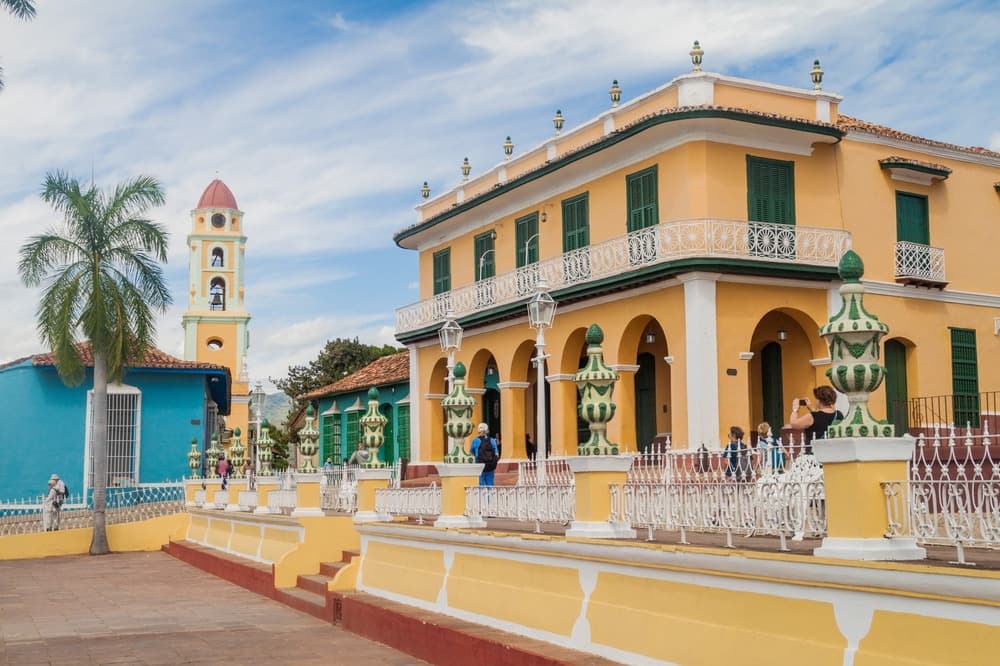
On the Plaza Mayor of Trinidad, the former Casa Brunet houses a collection of decorative arts that captures the lifestyle of Cuban sugar elites in the 19th century.
Located on the Plaza Mayor of Trinidad, the Museo Romántico occupies the former residence of the counts of Casa Brunet. This patrician mansion recreates the lifestyle of Cuba's great sugar families between 1830 and 1860, through nearly 900 objects displayed across 14 rooms.
Why Visit the Museo Romántico
The museum offers one of the most precise testimonies to Cuban colonial prosperity in the 19th century, a period when Trinidad and the Valle de los Ingenios concentrated a significant portion of the island's sugar production. Three elements particularly justify a visit:
- A rare collection of European decorative arts: Sèvres, Meissen, Limoges, Murano, Bohemian, and Baccarat porcelain, Empire and Louis XV furniture in precious woods.
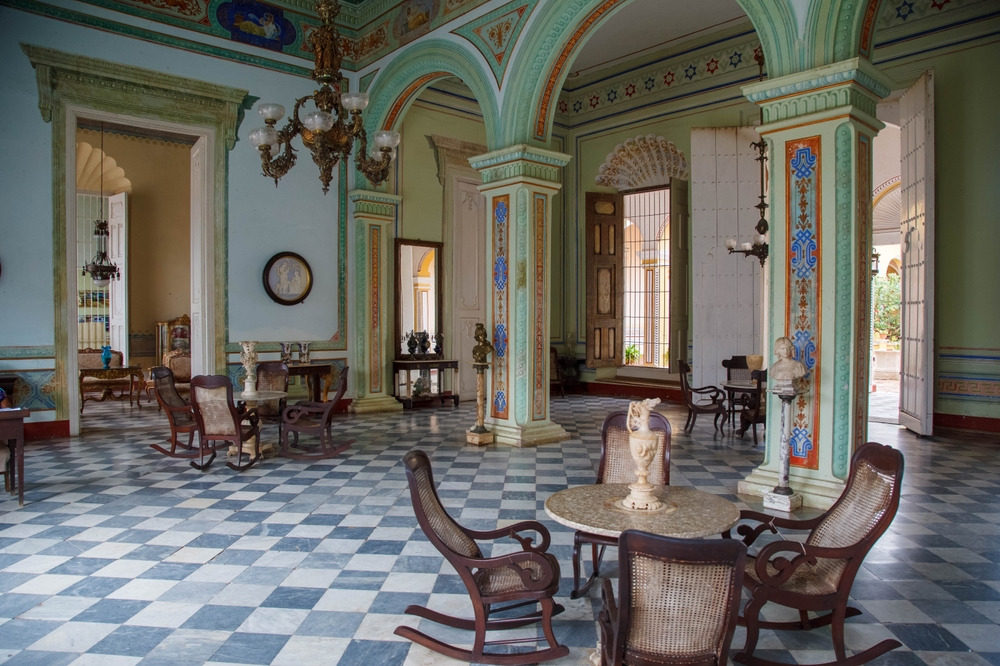
- An exceptional architectural setting combining 1740 Mudéjar woodwork and a neoclassical upper floor from 1808, with Carrara marble flooring.
- A terrace overlooking Plaza Mayor, the red-tiled roofs of the old town, the Caribbean Sea, and the foothills of the Escambray.
History of Casa Brunet
The building was constructed in two phases. The ground floor, completed in 1740, belonged to the Silva y Álvarez Travieso family. In 1807, José Mariano Borrell y Padrón purchased the house and added the upper floor the following year, in 1808.
His daughter Ángela Borrell y Lemus inherited the palace and moved in with her husband Nicolás y Muñoz, a sugar planter and count of Casa Brunet. The couple resided there until their departure for Spain in 1857. This period coincided with Trinidad's economic peak, built on intensive sugar cultivation in the Valle de los Ingenios and the labor of enslaved Africans deported to the region.
After the Brunets' departure, the building underwent several successive uses: groceries, hotel, community center. It was converted into a museum on May 26, 1974, becoming the first museum institution created in Trinidad after the Cuban Revolution. Some sources present it as opening in 1973, but the official inauguration date retained is May 1974.
What to See Inside
The name Museo Romántico does not refer to sentimentality, but rather to the refined lifestyle characteristic of the late colonial period. The house is organized around a central courtyard, considered at the time to be one of the finest Andalusian patios on the island. The 14 rooms recreate the functions of an aristocratic residence: drawing rooms, bedroom, bathroom, dining room, kitchen, study, and leisure spaces.
Of nearly 2,000 objects preserved, approximately 900 are displayed to the public. More than 80% of the pieces come from other aristocratic families in Trinidad, making the collection a panorama of the material culture of sugar elites in the Valle de los Ingenios.
Furniture and Decorative Arts
- Empire and Louis XV furniture in mahogany, cedar, and citrus wood, manufactured in Cuba or imported from Europe.
- Porcelain services from Sèvres, Meissen, Limoges, Murano, Bohemia, and Baccarat.
- Silver flatware, crystal glasses, gilt bronze chandeliers, and Bohemian mirrors.
- Jewelry, ball gowns, fans, and waltz cards testifying to social life.
- Religious objects, musical instruments, sculptures, and family portraits, including that of opera singer Mary Blanc.
Remarkable Pieces
- An Isabeline Spanish bed in bronze and mother-of-pearl.
- An Austrian secretary from 1790 adorned with 105 scenes of Greek mythology.
- A Spanish chest of drawers equipped with a secret compartment for hiding money and documents.
- A German display case holding a gold pen set with rubies, as well as ivory objects and Meissen porcelain.
- A Carrara marble bathtub weighing over a ton.
- A bathroom connected to a septic tank, a rare device for the period.
- A kitchen decorated with Manises tiles (Valencia), with Limoges tableware and spittoons for chewing tobacco.
Practical Information
The Museo Romántico is located on Plaza Mayor, in Trinidad's historic center, a UNESCO World Heritage site. Visitors can explore the 14 rooms at their own pace; allow approximately 1 to 1.5 hours for a thorough visit.
- Opening hours: Tuesday to Sunday, with evening hours early in the week. Exact times vary; inquire locally or through your guide.
- Admission: paid entry for foreign visitors at a moderate rate, with an additional fee for photography inside.
- Guidance: a guardian-guide is present in each room; some speak English and will comment on the objects. A tip is generally expected.
- Tip: plan your visit mid-morning, when light enters through the balconies and highlights the marble floors and wall paintings.
Nearby Attractions
The museum is part of a dense heritage tour, to be explored on foot in Trinidad and its surroundings:
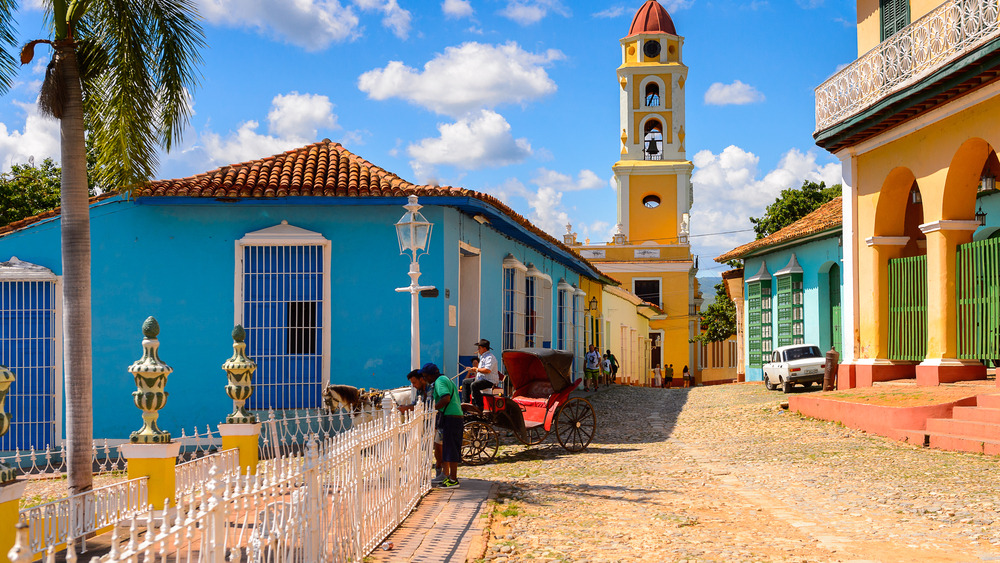
- Plaza Mayor itself, bordered by the parish church of the Holy Trinity and several other house-museums.
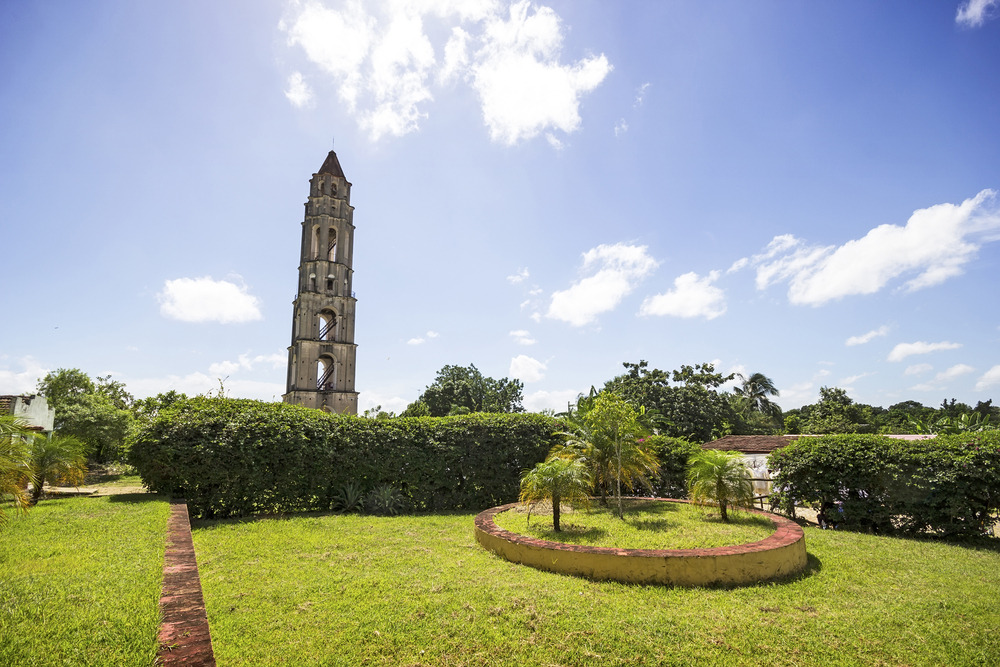
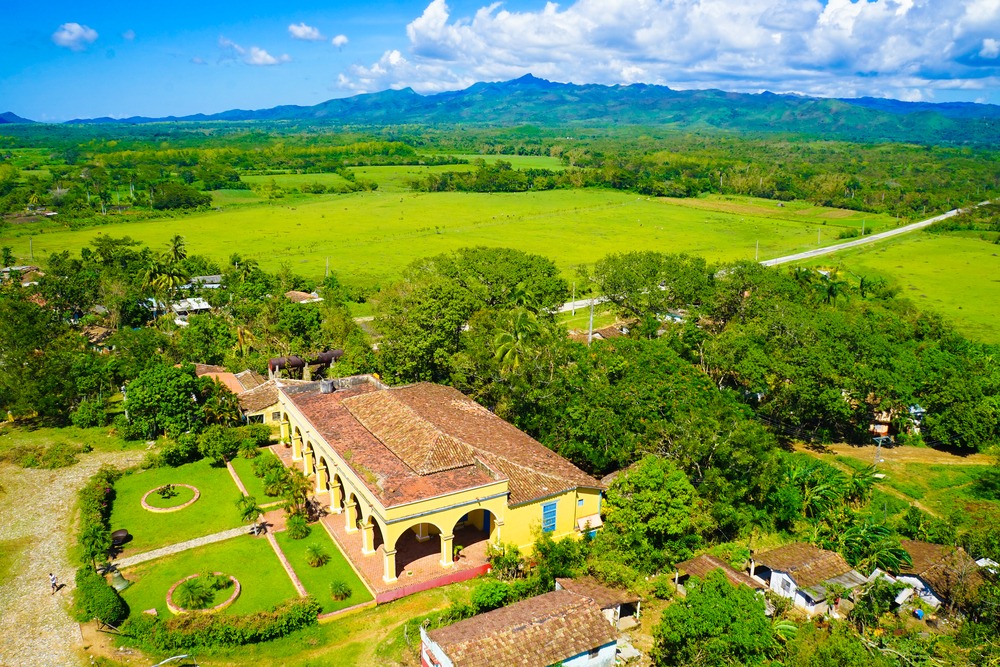
- The Valle de los Ingenios, about ten kilometers away, where former sugar plantations extend the story told by the museum.
- The Bay of Pigs, accessible from Trinidad for a nature and diving-focused day.
- The Jagua Castle in Cienfuegos, a useful complement for understanding the colonial defense of southern Cuba.
- Further east, Caguanes National Park, for a stop between heritage sites and coastal ecosystems.
Frequently Asked Questions
Frequently asked questions
It occupies the former Casa Brunet, on Plaza Mayor, in the heart of Trinidad's historic center, in Cuba.
Allow 1 to 1.5 hours to explore the 14 rooms and enjoy the terrace overlooking Plaza Mayor and the Escambray.
The term refers to the refined and nostalgic lifestyle of Cuban colonial elites in the 19th century, not to a sentimental theme. The scenography recreates a Trinidad mansion between 1830 and 1860.
Yes, but an additional fee is charged beyond the entrance ticket. Flash photography is generally discouraged to preserve the antique pieces.
A guardian-guide is present in each room. Some speak English and will readily comment on the displayed objects. A tip is appreciated.
Including the Museum in Your Trip
The Museo Romántico combines naturally with a two- to three-night stay in Trinidad, combining exploration of the old town, the Valle de los Ingenios, and the beaches of Playa Ancón. To build an itinerary including this museum town, consult our Cuba travel suggestions.
Interested in this visit?
We can include it in your personalised itinerary.