Palacio de los Capitanes Generales Museum
Palacio de los Capitanes Generales Museum
On Havana's Plaza de Armas, this 18th-century Baroque palace houses the City Museum and 40 rooms devoted to Cuban history.
On the Plaza de Armas of Havana, the Palacio de los Capitanes Generales lines its limestone arcades across three centuries of Cuban history. A former residence of 65 Spanish captains general, seat of the American military government, presidential palace and then city hall, it has housed since 1967 the City Museum, rich with 40 thematic rooms. The building is listed as a UNESCO World Heritage site alongside Old Havana as a whole.
Why visit this palace
Three reasons make a visit worthwhile for understanding Cuba:
- A concentration of power: a single building successively sheltered Spanish colonial authority (1791-1898), the American military government (1899-1902), the Cuban presidency (1902-1920), the capital's city hall, then a state museum. Few buildings so clearly summarize the island's political transitions.
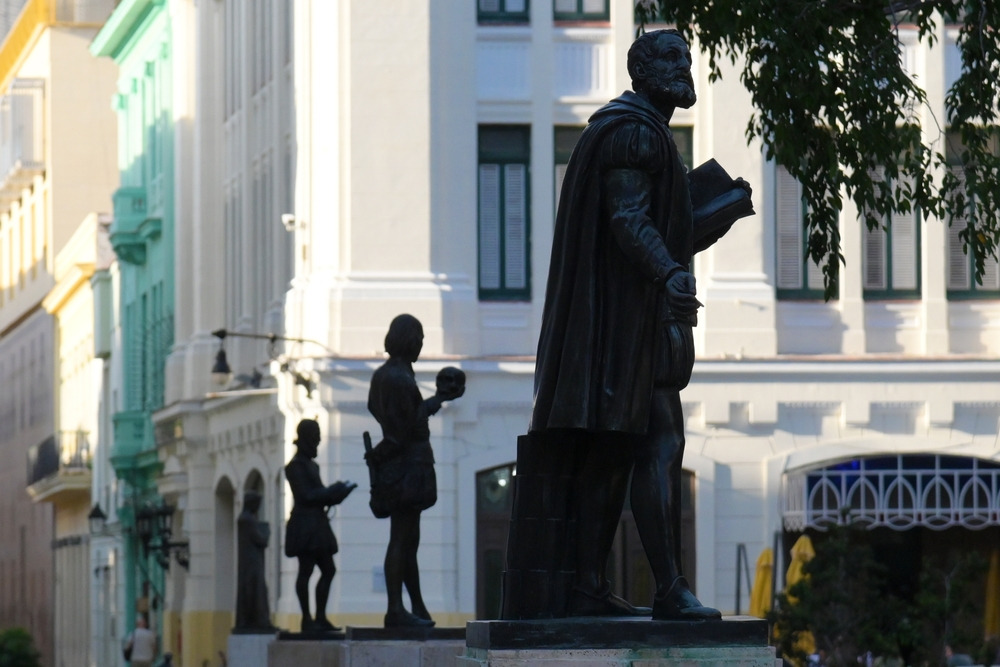
- Understated Cuban Baroque architecture: 22 meters high, an entire city block, a central patio planted with royal palms and adorned with a white marble statue of Christopher Columbus signed J. Cucchiari (1862).
- Rare collections: the original Giraldilla, the first bronze cast in Havana between 1630 and 1634, the American eagle from the USS Maine monument, works by Wifredo Lam, Amelia Peláez, René Portocarrero, and a royal carriage on display since the visit of Spanish sovereigns.
History of the site
The site first accommodated the Parroquial Mayor, Havana's first church, burned by French pirate Jacques de Sores in the 16th century. The religious building was later severely damaged by the explosion of the ship Santa Bárbara in 1741. When a hurricane destroyed the cabildo's headquarters in 1768, the authorities decided to consolidate several functions in a new building: the governor's residence, municipal council, and public prison.
The project was entrusted to engineer Antonio Fernández Trebejos y Zaldívar. Work began in 1776 under the drive of the Marquis of la Torre and was completed by the end of 1791, under the governorship of Luis de las Casas. The workers were predominantly enslaved people, as was customary in major colonial construction projects.
For over a century, from 1791 to 1898, 65 Spanish captains general succeeded one another there. After the Spanish-American War, the palace became the seat of the American military government (1899-1902), then the presidential palace of the young Cuban Republic (1902-1920), before welcoming Havana's city hall. In 1967, the city hall moved away, and the City Museum was inaugurated in December of the same year.
Architecture and materials
The palace, rectangular in plan, was built from white limestone extracted from the San Lázaro quarries, dotted with marine fossils still visible on the façade. The imported materials testify to the standing of the construction project:
- 100,000 bricks from Málaga;
- wrought iron grilles from Bilbao;
- marble from Genoa and Carrara for interior floors;
- wood and lime of Cuban origin.
The monumental portal, added in 1834, bears the Spanish coat of arms adorned with the collar of the Order of the Golden Fleece. A volute clock added in the 19th century introduces a neoclassical touch to an otherwise sober Baroque ensemble.
The functional layout from 1792 still explains current circulation: the captain general's residence occupied the floor facing Plaza de Armas, the Cabildo opened onto Obispo Street, and the public prison was located on Mercaderes Street (closed in 1834). The central patio, considered one of the finest examples of Cuban colonial architecture, was restored in 1930 by architects Govantes and Cabarrocas, then in 1968 by Daniel Taboada.
What to see in the museum
The 40 rooms are organized into several coherent ensembles.
The Throne Room
Inherited from Spanish tradition, this salon had never welcomed a monarch until the official visit of King Juan Carlos and Queen Sofía of Spain in 1997. The sovereigns posed before the royal dais without sitting on it.
Independence halls
- Cuban Flags Room: first independence banner from 1850, objects belonging to José Martí.
- Heroic Cuba Salon: the 1868 war led by Carlos Manuel de Céspedes, the Pact of Zanjón.
- American Intervention Room: American eagle from the USS Maine monument, whose 1898 explosion precipitated U.S. entry into war.
- Capitular Room: former Cabildo, site of major municipal decisions (railroad creation, learned societies).
Colonial living spaces
- Wicker Salon: Art Nouveau furniture and creations by René Lalique and Émile Gallé.
- Dining room: Flemish tapestries, silver-plated copper tableware.
- Bathroom: Italian marble bathtubs sculpted in the shape of shells or gondolas.
Thematic rooms and collections
- Emilio Roig Room: tribute to Havana's first official historian and the museum's founder.
- Espada Cemetery: funeral works from Cuba's first modern cemetery, founded in 1806.
- Cocheras: colonial carriages, miniature Cagney locomotive from 1905, royal carriage on display since the Spanish sovereigns' visit in 1999.
- The Giraldilla: the first bronze sculpture cast in Havana between 1630 and 1634, which once crowned the tower of the Castillo de la Real Fuerza.
- Pinacotheca: academic works by Leopoldo Romañach and Armando Menocal, Cuban modernism by Víctor Manuel, Amelia Peláez, Mariano Rodríguez, René Portocarrero, and Wifredo Lam.
Practical information
- Address: Plaza de Armas, Old Havana (Habana Vieja).
- Visit duration: allow 1.5 to 2.5 hours to explore the main highlights of the 40 rooms; longer if you read the panels in detail.
- Entrance fee: paid admission, moderate, with possible supplement for photography. Rates vary; confirm on site.
- Opening hours: open year-round, generally from morning to early afternoon through late afternoon. Verify current hours at the entrance or with your guide.
- Languages: panels primarily in Spanish; an English-speaking guide helps capture historical nuances.
- Accessibility: the inner courtyard is accessible, but the upper floor is reached by stairs.
Nearby
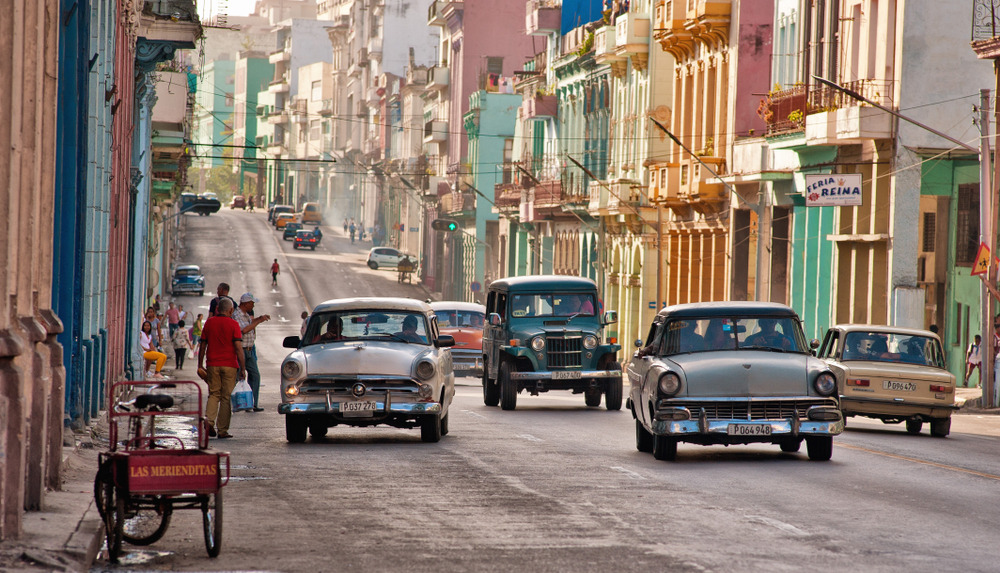
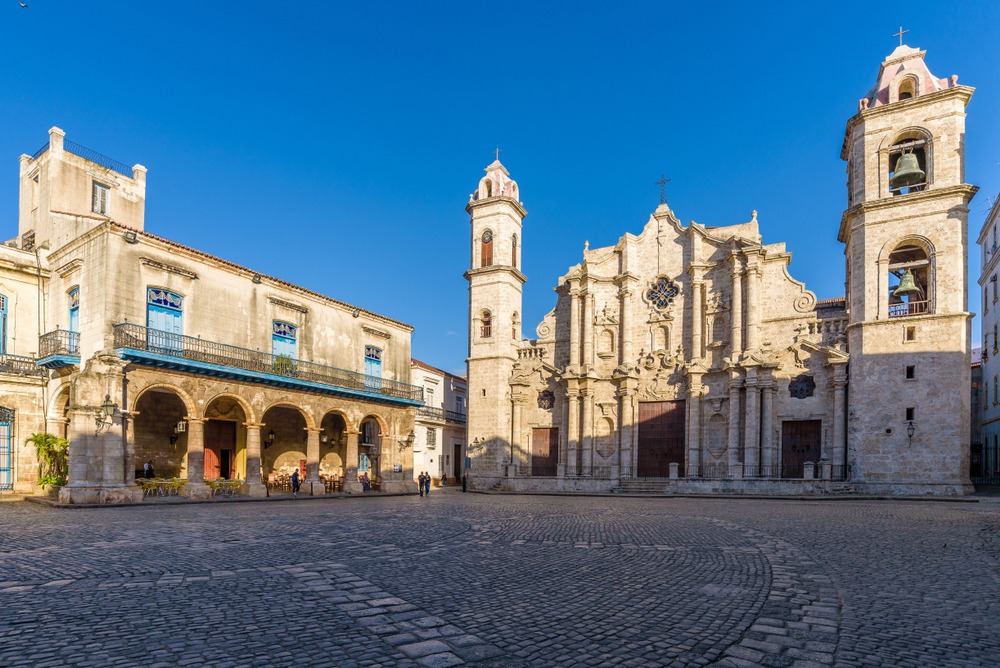
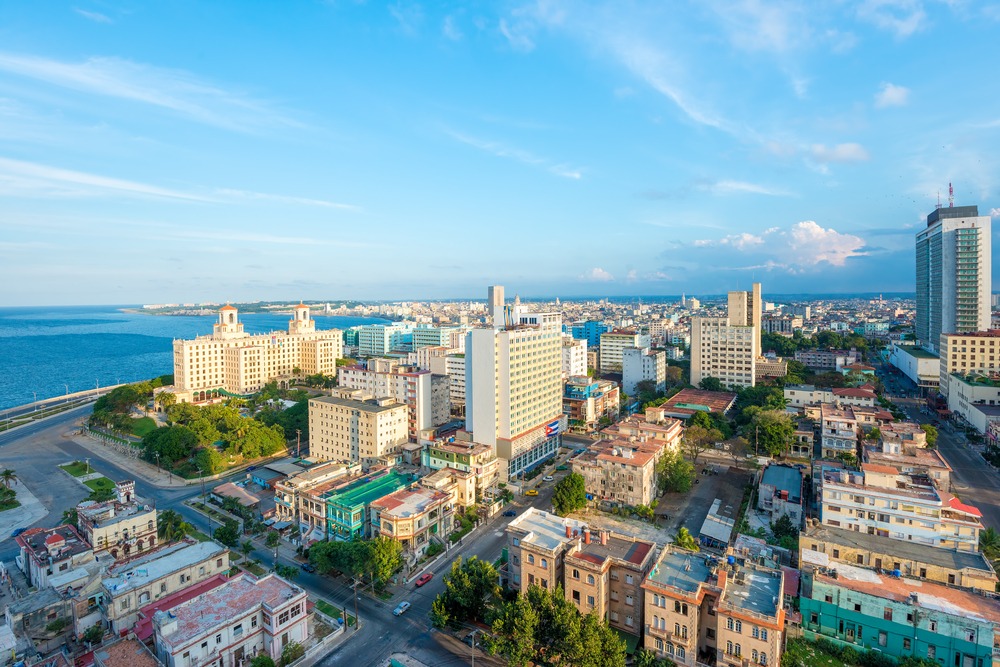
The palace is part of a densely monumental route. From Plaza de Armas, you can walk to the Castillo de la Real Fuerza (where the original Giraldilla once stood), Havana Cathedral, and the Capitolio. To extend your tour of the capital, the neighboring district of Centro Habana offers a stark contrast with restored Old Havana.
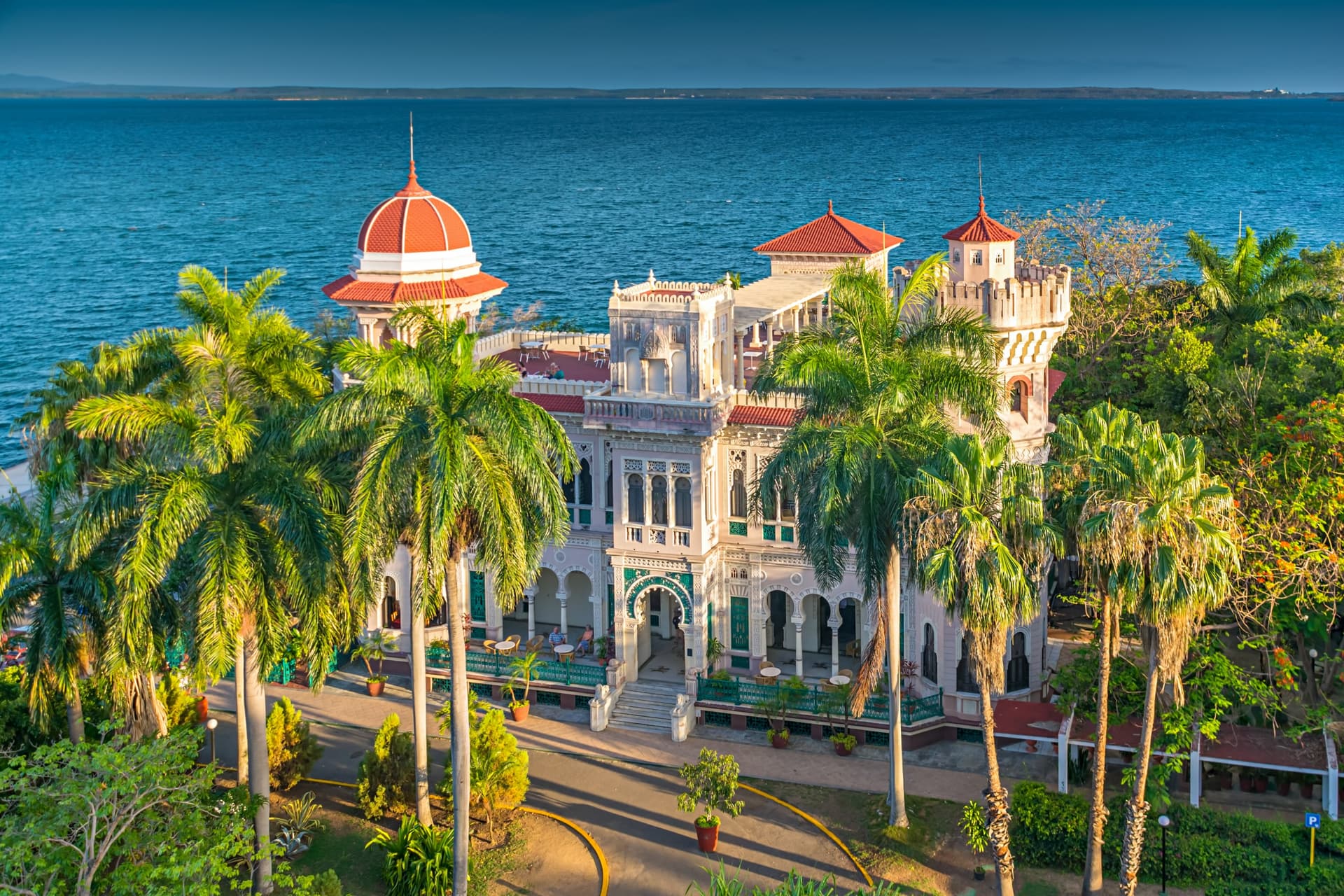
To understand Cuban colonial defense beyond the capital, the San Severino Castle in Matanzas and the Jagua Castle near Cienfuegos usefully complement your visit. For nature, the Cueva de los Portales in Pinar del Río adds a step of revolutionary memory.
How to get there
The museum is located on the east side of Plaza de Armas in Old Havana. From José Martí Airport, allow approximately 30 to 45 minutes by taxi depending on traffic. From the Vedado neighborhood or the Capitolio, the palace is accessible in 10 to 15 minutes by taxi or cocotaxi. Old Havana is walkable: most central historic accommodations are less than ten minutes' walk away.
Frequently asked questions
Frequently asked questions
A careful visit through the 40 rooms takes 1.5 to 2.5 hours. Allow more if you wish to explore the pinacotheca and independence-related rooms in detail.
Yes, especially for sections on carriages, the 1905 miniature locomotive, and military uniforms. Thematic rooms may be more tedious for younger visitors.
Photography is generally permitted with a supplement collected at the entrance. Flash and tripods may be restricted in certain rooms.
The palace hosted national funeral rites linked to the USS Maine explosion in 1898, then became the seat of the American military government between 1899 and 1902. The American eagle that once topped the USS Maine monument is now displayed in the museum.
Since panels are primarily in Spanish, an English-speaking guide greatly facilitates understanding of the historical context, particularly for rooms devoted to independence wars and the Pact of Zanjón.
Include this palace in your Cuba trip
The Palacio de los Capitanes Generales is a key stop for understanding the island's political history, from colonialism to independence struggles. Our Cuba travel itineraries integrate Old Havana and its museums, combining them with regions of the west, center, and Oriente according to your interests.
Nearby
Interested in this visit?
We can include it in your personalised itinerary.