Centro Habana
Centro Habana
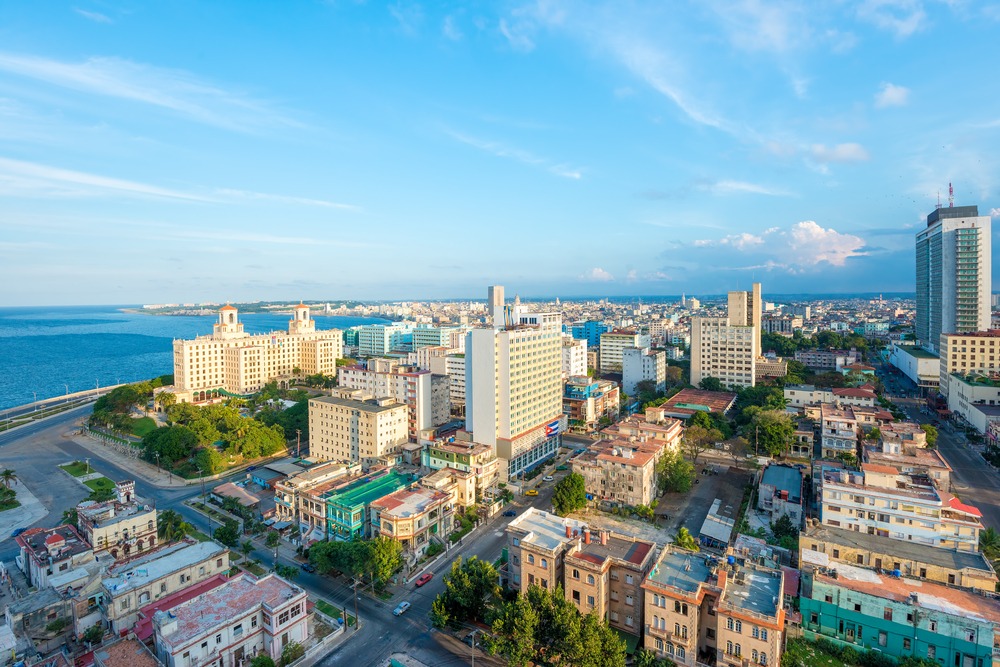
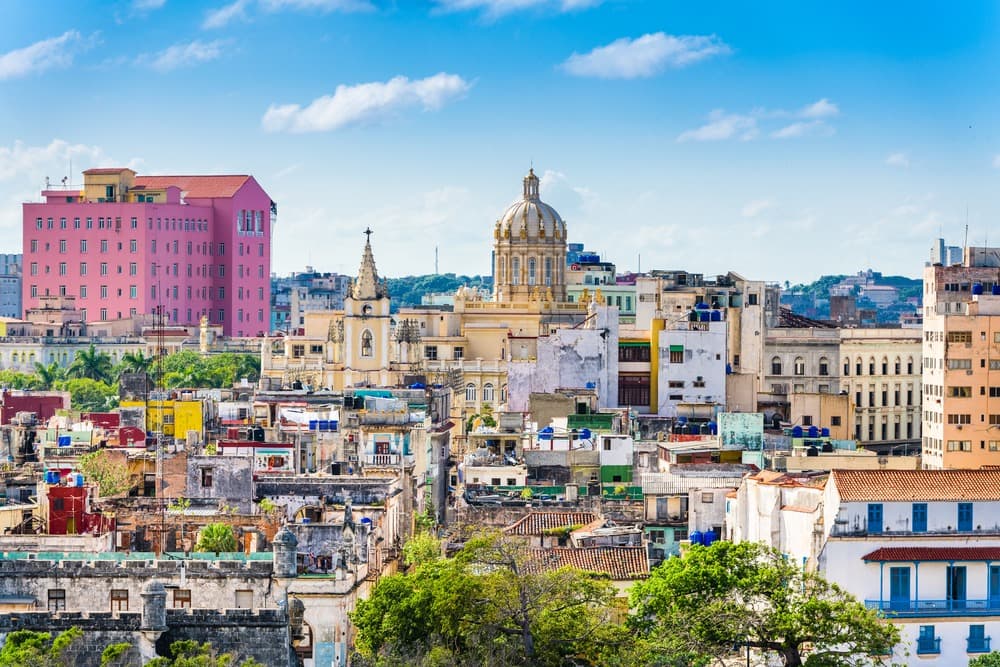
Wedged between Old Havana and Vedado, Centro Habana concentrates the Capitolio, Cuba's major museums and Paseo del Prado, across 4 km² of dense urban landscape.
Centro Habana occupies the central band of Havana, sandwiched between Old Havana to the east and Vedado to the west. This 4 km² neighbourhood — the capital's smallest municipality — concentrates the Capitolio, several of the city's major museums and some of Cuba's most emblematic hotels, woven through dense and vibrant urban fabric.
Why visit Centro Habana
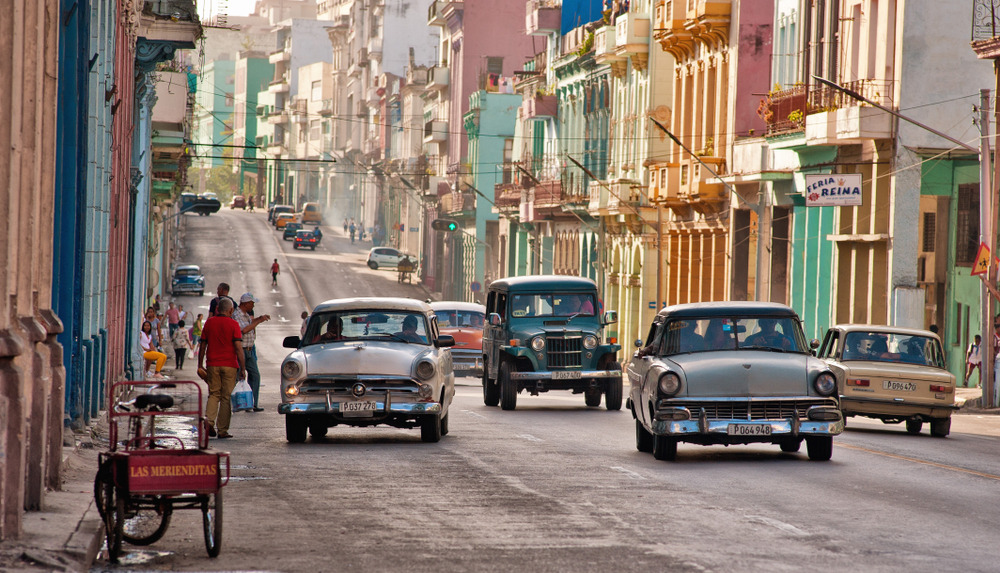
Often overshadowed by neighbouring Old Havana, Centro Habana presents a rawer face of the capital: weathered residential buildings, animated streets, neighbourhood commerce and façades awaiting renovation. It is also here that several major sites revealing 20th-century Cuban history are found, from the Capitolio to the Museo de la Revolución, alongside a thriving artistic scene embodied by Callejón de Hamel.
The municipality had 158,151 inhabitants at the 2004 census, making it one of the city's most densely populated sectors. This density explains the neighbourhood's perpetual atmosphere: street vendors, terraces, improvised music, baseball or football matches along Paseo del Prado.
History and formation of the neighbourhood
Centro Habana developed beyond the walls of Old Havana as the colonial city outgrew its fortifications in the 19th century. The layout of Paseo del Prado, one of the capital's historic promenades, dates back more than two centuries and structured the sector's urbanisation, bordered by civic and cultural buildings erected between the late colonial era and the early 20th century.
The neighbourhood also reflects Cuba's major political transformations. The Capitolio, built during the economic prosperity following World War I, was the seat of the Cuban Congress until the 1959 Revolution, before becoming home to the Academy of Sciences. A few streets away, the former Presidential Palace was repurposed as the Museo de la Revolución in the years following Fidel Castro's rise to power.
What to see in Centro Habana
El Capitolio
Inspired by the Capitol in Washington D.C. but designed with slightly larger dimensions, El Capitolio is one of Havana's most recognisable buildings with its central dome. Completed in the late 1920s, it housed the Cuban Congress until 1959, then the Academy of Sciences. The building is now open to the public following extensive restoration.
Parque Central
Located at the boundary between Old Havana and Centro Habana, Parque Central brings together the sector's most emblematic hotels, including the Hotel Inglaterra and Iberostar Parque Central. At its centre stands the statue of José Martí, considered the first statue honouring Cuba's independence hero erected on the island.
Paseo José Martí (Paseo del Prado)
This 2 km pedestrian avenue links the Fuente de la India to the waterfront of the Malecón. Lined with buildings such as the Palacio de los Matrimonios, Teatro Fausto and Escuela Nacional de Ballet, it is punctuated at both ends by eight bronze lions installed in 1928. Havanans gather here to chat, play or attend outdoor art markets on weekends.
Gran Teatro de La Habana
Built between 1907 and 1914 in neobBaroque style, the Gran Teatro is, according to Cubans, the oldest continuously operating theatre in the New World. Its façade is adorned with four sculptures in white marble symbolising charity, education, music and theatre. It notably hosts the National Ballet of Cuba.
Museo de la Revolución
Housed in the former Presidential Palace, this museum traces the stages of the 1959 Cuban Revolution. Its garden contains several emblematic pieces, including the Granma yacht, aboard which Fidel Castro and his companions landed in Cuba in 1956, as well as military vehicles linked to the revolutionary struggle.
National Museum of Fine Arts
Cuba's largest art museum, it brings together international and Cuban collections, some dating back over 2,500 years. The building dedicated to Cuban art displays works by major artists such as Guillermo Collazo, Raphaël Blanco and Raúl Martínez.
Callejón de Hamel
An alley entirely devoted to Afro-Cuban art, Callejón de Hamel owes its current character to artist Salvador González Escalona. Sculptures, murals and graffiti dialogue around the cults and symbols of Santería. Rumba sessions are regularly held here on Sundays.
Barrio Chino
At the eastern end of the neighbourhood, southwest of the Capitolio, Barrio Chino announces itself with its Dragon's Gate. It is Cuba's first Chinatown, a legacy of 19th-century working-class immigration.
Castillo de San Salvador de la Punta
A Spanish fortress erected at the harbour entrance to defend the city from corsair attacks, Castillo de San Salvador de la Punta worked in tandem with Fort El Morro on the opposite shore. Each evening, a 250 m chain was stretched between the two structures to prevent harbour access.
Practical information
- Access: Centro Habana is best explored on foot from Old Havana or Vedado. Classic taxis and almendrones (shared taxis) circulate along the Malecón and Neptuno.
- Duration of visit: allow half a day for the main Paseo del Prado monuments, a full day if including museums and Callejón de Hamel.
- Safety: the neighbourhood is generally safe during the day and frequented by many visitors; stay alert to your belongings and favour busy streets in the evening.
- Prices: entry to major museums remains moderate for foreign visitors; bring cash in Cuban pesos.
When to visit
The dry season, from November to April, offers the most pleasant conditions for exploring the neighbourhood, with bearable temperatures and little rainfall. Summer is hot and humid, punctuated by storms, especially between June and October. Late in the day, the stretch of the Malecón at its intersection with Paseo del Prado is a prime vantage point for sunsets, when fishermen, musicians and locals gather.
See also nearby
- Havana: the capital as a whole, of which Centro Habana forms the geographical heart.
- Castillo del Morro: twin fortress facing Castillo de la Punta, at the harbour entrance.
- Bay of Pigs: landmark in revolutionary history, a few hours' drive to the southeast.
- Caguanes National Park: nature escape in the north of the island, accessible from Havana.
Frequently asked questions
Frequently asked questions
The neighbourhood is generally safe during the day and frequented by many visitors. As in any dense urban sector, remain vigilant against pickpockets, avoid displaying valuables and favour busy streets at night.
Half a day is sufficient to explore Paseo del Prado, the Capitolio and Parque Central. Allow a full day if you wish to visit the Museo de la Revolución, National Museum of Fine Arts and Callejón de Hamel.
Old Havana (Habana Vieja) is the UNESCO-listed colonial centre, largely restored. Centro Habana, just to the west, is more working-class, less renovated, and concentrates early 20th-century institutions such as the Capitolio and Gran Teatro.
Yes, following extensive restoration, the building is open to the public. Visits allow you to see the Hall of Lost Steps, the dome and former parliamentary chambers.
Late afternoon, at the intersection of the Malecón and Paseo del Prado, offers the most interesting light and liveliest atmosphere, with fishermen, musicians and locals gathered to converse facing the sea.
Prepare your stay
Centro Habana integrates naturally into a broader Cuban itinerary, between colonial heritage, revolutionary sites and beach stops. To build your complete itinerary, consult our bespoke travels in Cuba.
Interested in this visit?
We can include it in your personalised itinerary.