Museo de Historia Municipal
Museo de Historia Municipal
Housed in the Palacio Cantero near Plaza Mayor in Trinidad, this municipal museum traces the city's history and offers a 360° view from its tower.
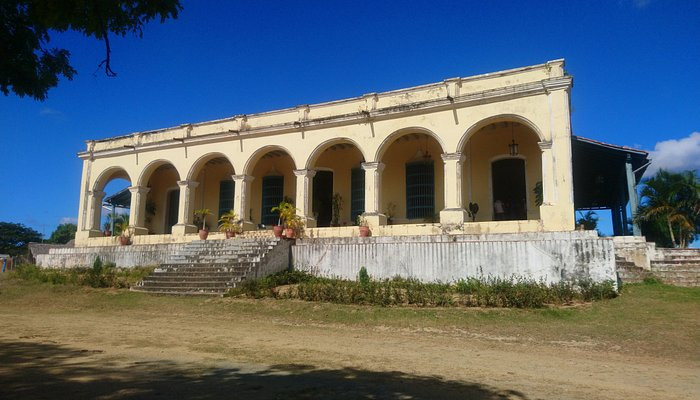
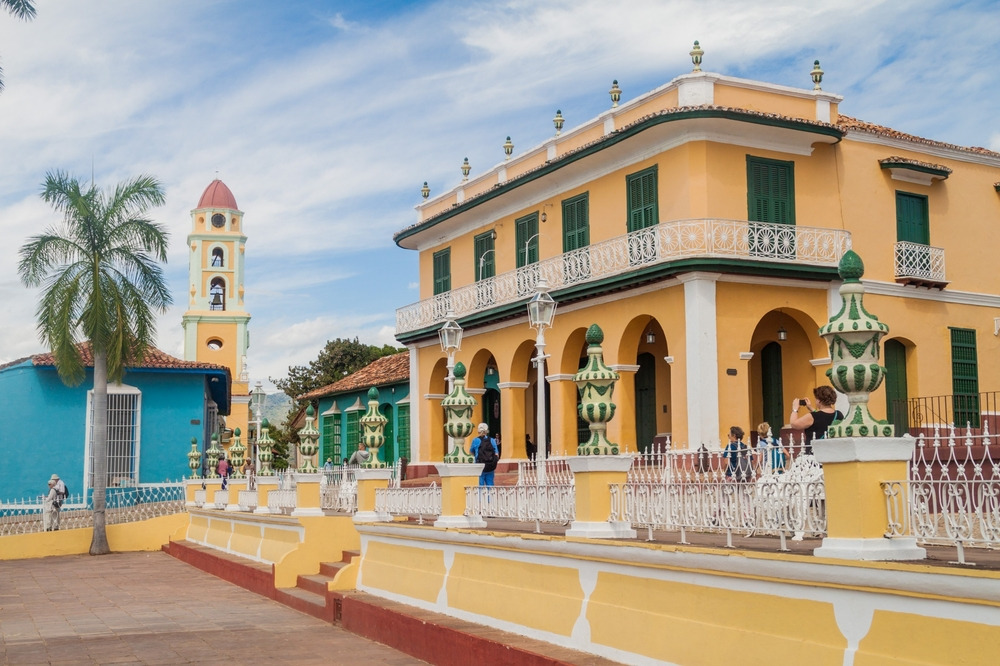
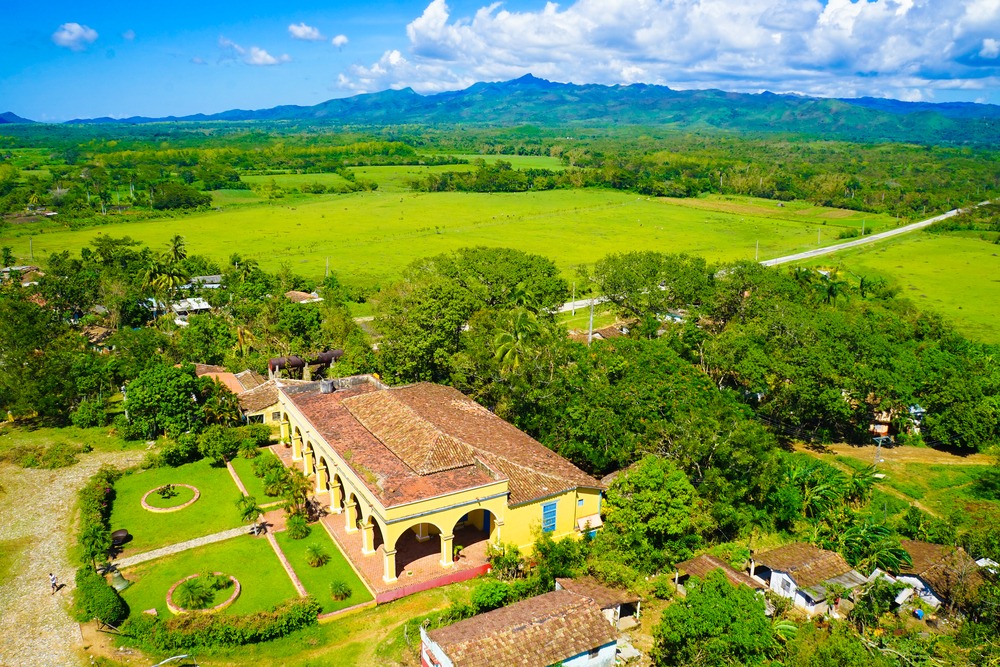
The Museo de Historia Municipal occupies the Palacio Cantero, a neoclassical residence situated just steps from the Plaza Mayor in Trinidad. Inaugurated in 1980, it retraces the city's history through four thematic rooms and offers, from its tower, one of the most expansive panoramas of the historic center—a UNESCO World Heritage site—and the Los Ingenios valley.
Why visit the Museo de Historia Municipal
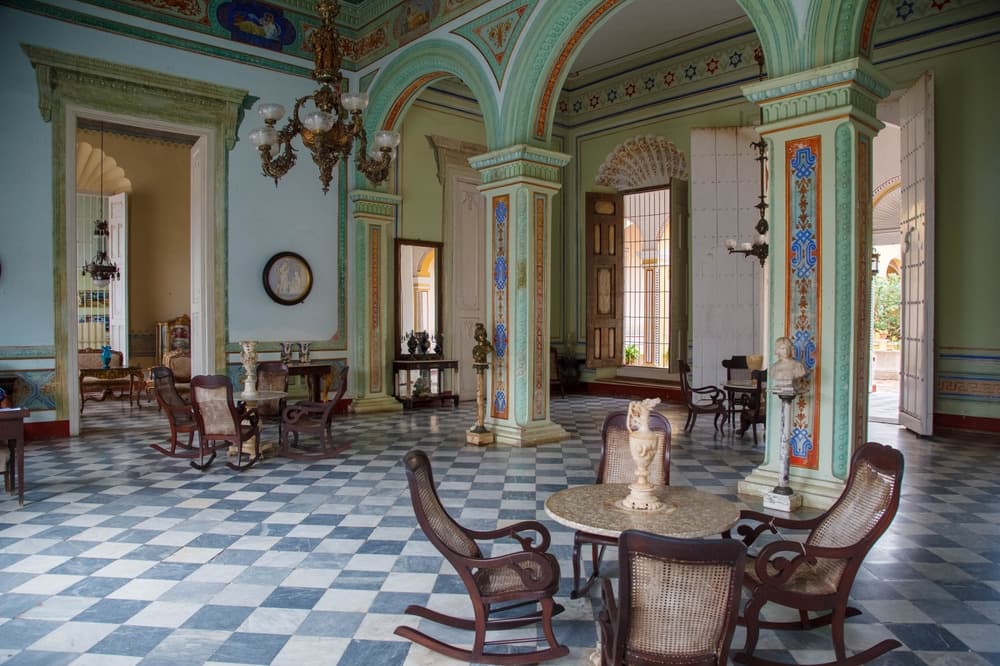
Three compelling reasons justify a visit. First, the building itself: a 19th-century sugar planter's mansion preserved in its original décor, complete with Louis XV furniture, restored frescoes, and period woodwork. Second, the museum's content, which focuses on Trinidad's local history—from the triangular trade to the sugar industry that brought wealth to the region. Finally, the tower: its climb leads to a rare 360° vantage point in the city, particularly useful for understanding the colonial urban layout before exploring it on foot.
Plan for 1 to 1.5 hours of visiting, longer if you take time to climb the tower and linger over the views.
History of Palacio Cantero
The building belonged to the Borrell family between 1827 and 1830, before being acquired by Dr. Justo Cantero, a planter of German origin who transformed it into one of Trinidad's most opulent residences. A persistent local legend claims that Cantero poisoned a wealthy slave trader to marry his widow, who herself died shortly afterward. The anecdote belongs more to folklore than to documented historical fact, yet it speaks volumes about the era—a time when sugar fortunes accumulated in a city shadowed by moral complexity.
The palace was converted into a municipal museum in 1980 as part of Cuba's colonial heritage preservation program. Trinidad was designated a UNESCO World Heritage Site in 1988, along with the neighboring Los Ingenios valley.
What to see inside
The itinerary is organized around a central patio and four thematic rooms.
The four rooms
- The period room, furnished in 19th-century style, recreates the atmosphere of the sugar elite's reception rooms.
- The historical room traces Trinidad's urban, social, and economic evolution from its founding through the major transformations of the 20th century.
- The arms room assembles cannons and fortification elements used to defend the city against pirate and corsair attacks in the 17th and 18th centuries.
- The sugar room is devoted to sugar production, the economic engine of the region and an essential key to understanding Trinidad's architectural richness.
The panoramic tower
The climb is made via a narrow staircase. A first intermediate landing already offers a clear view over neighboring rooftops. The summit opens onto a 360° panorama embracing the cobbled streets of the historic center, church steeples, and in the distance, the Los Ingenios valley. It's the best visual reference point for situating other sites in the city.
Practical information
The museum is open daily except one closing day per week, with continuous daytime hours. Hours and admission fees change regularly in Cuba, so it's best to verify locally or check with your accommodation the day before your visit. Entry remains inexpensive in local currency or foreign exchange.
Wear sturdy shoes for climbing the tower, and bring a bottle of water: the staircase is narrow and the heat can be intense during the hottest hours. Photography is generally permitted inside.
The best time to visit Trinidad and its museum is during the dry season, from November to April, with mild temperatures and minimal rainfall. July and August are hotter and more humid, drawing larger crowds of travelers: prefer an early morning visit to avoid tour groups.
How to get there
The museum is located on Calle Simón Bolívar, about 50 meters from Plaza Mayor, in Trinidad's pedestrian historic center. From the main square, it's a one to two-minute walk. From accommodations around Plazuela del Jigüe or Calle Real, allow 5 to 10 minutes of walking on cobbled streets.
Trinidad is connected to Havana, Cienfuegos, and Santa Clara by daily Viazul buses. The historic center is explored entirely on foot.
Nearby attractions
The Museo de Historia Municipal fits easily into a day of exploring Trinidad and central Cuba:
- Plaza Mayor and its neighboring museums (Museo Romántico, Museo de Arqueología) just a short walk away.
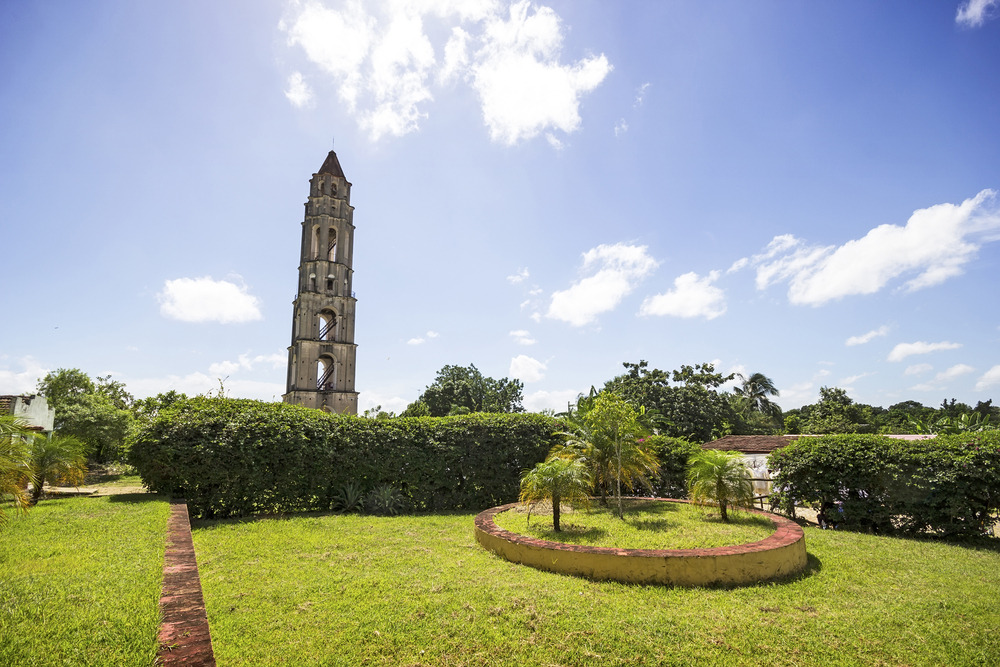
- Los Ingenios valley, accessible by tourist train or taxi from Trinidad.
- The Château de Jagua, an 18th-century fortification near Cienfuegos, about 1.5 hours by road.
- The Bay of Pigs, a historic and diving site midway between Trinidad and Havana.
- The Caguanes National Park, for a nature break north of the province.
Frequently asked questions
Frequently asked questions
Plan for 1 to 1.5 hours to tour the four rooms and climb the tower. Colonial history enthusiasts may extend the visit to 2 hours.
The staircase is narrow and steep, with no elevator. It suits most visitors in reasonable physical condition but is not recommended for people with reduced mobility or those prone to vertigo.
Plaques are primarily in Spanish, occasionally in English. An English-speaking local guide or a visit organized through your travel agency helps you get the most from the collection.
No, entry is on-site. Crowds remain modest outside peak season; in July and August, arrive early in the morning.
Each Trinidad museum operates with its own entrance fee. Inquire locally; combined rates may be available depending on the season.
Integrate Trinidad into your trip
The Museo de Historia Municipal provides the essential context for understanding Trinidad and the richness of its sugar heritage. To build an itinerary combining this colonial city with Havana, Viñales, or the Caribbean coast, explore our custom journeys to Cuba.
Interested in this visit?
We can include it in your personalised itinerary.