Baracoa
Baracoa
Cuba's first city, isolated for four centuries: Baracoa cultivates a unique identity between tropical forest, Taíno heritage, and cacao-infused cuisine.
Generously blessed by nature and steeped in history, Baracoa captivates with its striking blend of vintage and tropical style. Located at the eastern edge of Cuba, it attracts visitors with its stunning beaches, natural parks, fortresses, and mountain ranges—all composing an exotic landscape. Seeking relaxation, escape, entertainment, and a complete change of scenery? Baracoa is the ideal destination to unwind during your stay in Cuba.
Baracoa at a Glance
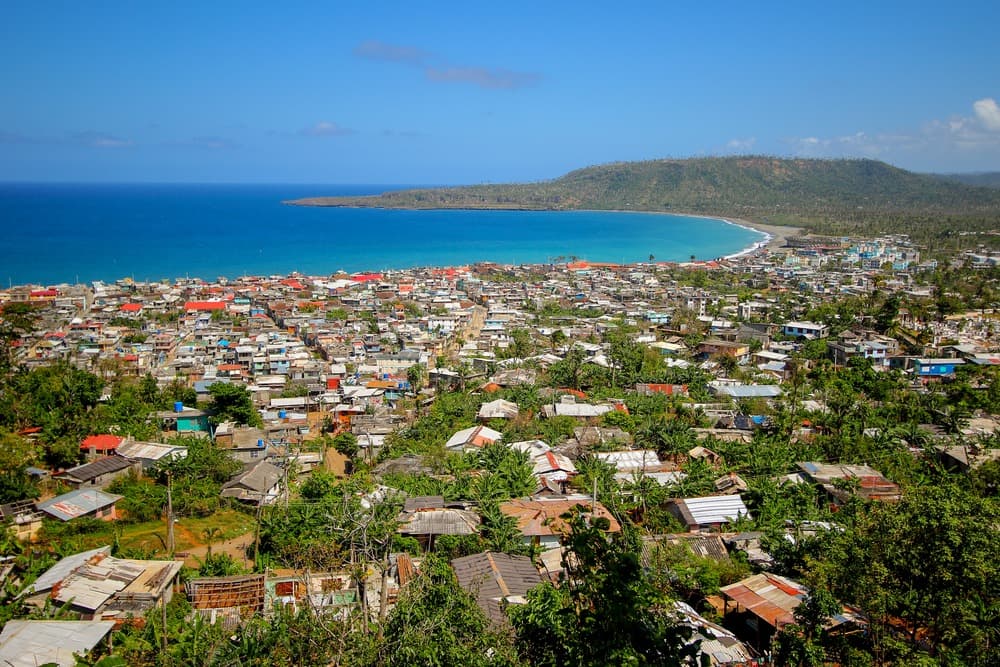
Cuba's oldest city lies within Guantánamo province. That is Baracoa, where Cuba's natural, historical, and tourist treasures remain hidden. Baracoa sits at the far eastern edge of Cuban territory. This small colonial town covers 977 km² and is home to 80,000 inhabitants. On one side, it borders the sea; on the other, mountains, while being wonderfully surrounded by rivers. In the indigenous language, Baracoa means "existence of the sea."
History
In ancient times, indigenous peoples called the "Taíno" inhabited Cuban territory. On October 27, 1492, Christopher Columbus landed in a gulf he called "Porto Santo." This is believed to be present-day Baracoa. Legend has it that Columbus planted a cross—the Cruz de la Parra—in the sands of what is now Baracoa's port. Subsequently, the Taíno Indians were massacred by Spanish colonizers. Some were spared in Baracoa, where descendants of the original tribes can still be found today. A Taíno hero named Hatuey fled to the island of Hispaniola to raise an army to expel the invaders. Unfortunately, he was condemned to the stake following betrayal by one of his own.
Later, the city of Baracoa was founded on August 15, 1511, by conquistador Diego Velázquez de Cuéllar. At that time, it was named "Nuestra Señora de la Asunción de Baracoa," meaning "Our Lady of the Assumption of Baracoa." Built on the shores of Miel Bay (Bahía de Miel), the city was accessible only by sea until the Cuban Revolution. Land access was difficult because Baracoa is overlooked by a mountain chain (including the Sierra del Purial). This prevented terrestrial access, leaving the colony isolated from the rest of the island. Around 1960, the Carretera Central, which crosses Cuba from east to west, opened land access.
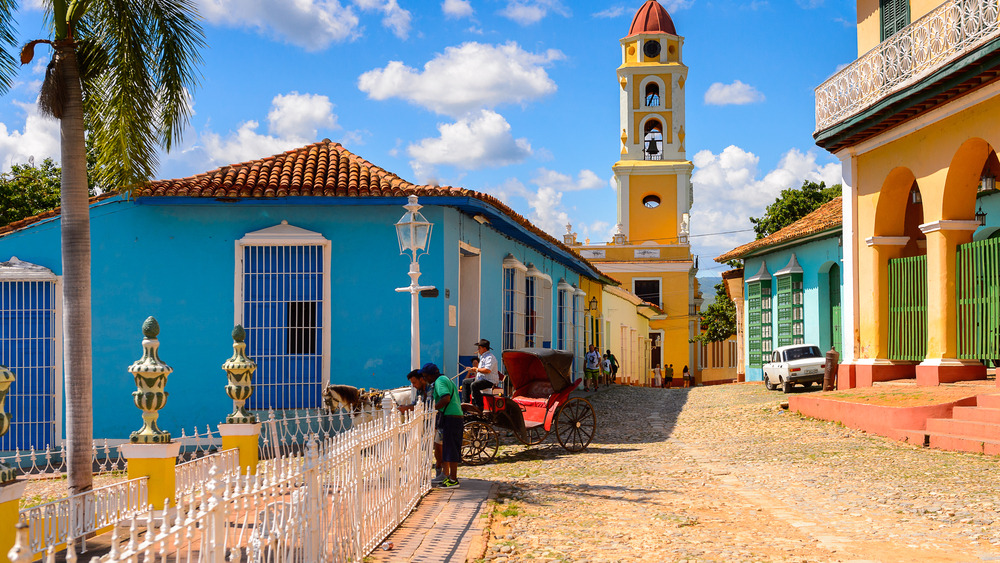
Today, Baracoa's narrow streets are steeped in colonial history, which has left old mansions as tourist attractions. Among the most important are the Punta Castle, the Matachín Fortress, and the Seboruco Fortress.
What to See/Do in Baracoa
Cathédrale Nuestra Señora de Asunción
Nestled on Baracoa's central plaza, this cathedral owes its fame more to the relic it houses than to its architecture. Here you'll find the renowned "Cruz de la Parra," the only crucifix to survive among 29 others that Christopher Columbus planted upon his arrival on Cuban territory in 1492. The building was constructed in 1803 and underwent numerous transformations. In 2012, it was completely renovated.
The Forts/Castles
Following Christopher Columbus's arrival, Baracoa was considered an excellent gateway to Cuba, particularly for contraband. Three fortresses were then constructed to protect the city.
The Matachín Fortress and Its Municipal Museum
Built in 1802 to protect Miel Bay, it houses the Municipal Museum of Fort Matachín. With its 9 exhibition halls, this museum stands as one of the monuments that recount the history of the Taíno Indians.
The Seboruco de Santa Bárbara Castle
The Spanish began its construction in 1739. It was only completed in 1900 under American supervision. Perched 100 meters above the sea, it commands views from the Calle Frank País staircase leading to its summit. From the viewpoint, you'll enjoy a breathtaking panorama of El Yunque Park. Once a fortress, it now operates as a welcoming hotel with a magnificent pool offering sea views.
The Maisí Point Fortress
Enjoy a white-sand beach at the fortress's base. About an hour's drive from Baracoa, it offers stunning views toward Haiti.
Baracoa's Parks
El Yunque Natural Park
Its Spanish name "Yunque," meaning anvil, derives from the park's distinctive shape. Located 20 minutes by car from Baracoa, this 575-meter-high mountain promises entertaining hikes through pristine forest.
Alejandro de Humboldt National Park
A true paradise for ecotourism enthusiasts, this park bears the name of Alexander Von Humboldt, a German scientist who lived in Cuba in 1800 and 1801. As the country's wettest region, it shelters the greatest floral diversity in the Caribbean. The variety of its landscapes delights visitors: primary forest, lagoons, farmland, mangroves, and more. You're assured a journey filled with fascinating discoveries—cave networks, waterfalls, rivers, and streams. Inscribed as a UNESCO World Heritage site since 2001, this park deserves your full attention. You can reach it by taxi in a one-hour drive (40 km).
Baracoa's Beaches
Playa Manglito
While sipping a drink at Tato's beachfront bar, appreciate the scenic beauty of this beach bordered by coconut palms and almond trees. Playa Manglito sits in a lagoon along the Yumurí route. A taxi will take you there.
Playa Maguana
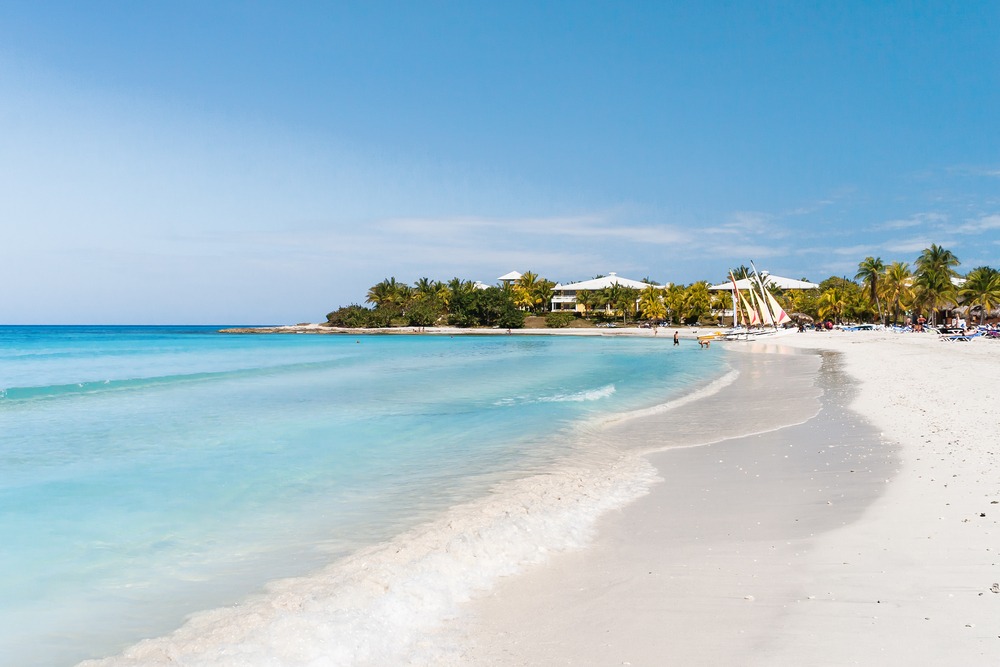
A bit further north, 20 km from Baracoa, stretches Maguana Beach. With its turquoise lagoon waters beautifully lined with white sand, you'll feel as though you've stepped into paradise. You can reach it by bus or taxi. The area is dotted with small bungalows should you wish to stay overnight.
You have other options as well, including Playa Blanca and Playa Duaba.
Casa del Chocolate
Stock up on chocolate bars at this shop, also called "Casa del Cacao." This small museum is filled with explanatory panels dedicated to the cacao trade. After your visit, try the house's signature hot chocolate.
Boca de Yumurí and Yumurí Canyon
Add even more flavor to your Baracoa stay by enjoying hiking, boat rides, and snorkeling at Boca de Yumurí. Nestled in Yumurí Canyon, at the mouth of the Río Yumurí, this small fishing community sits about 30 km from Baracoa.
Climate
Influenced by humid tropical forest climate, Baracoa averages 25°C with high rainfall throughout the year. The dry and wet seasons are poorly defined, though heavier rains occur between October and December. This could limit your exploration of the city's tourist attractions. Plan your visit to Baracoa between January and April to enjoy sun and beach weather.
For international flights, consider the airports of Guantánamo or Santiago de Cuba. Baracoa's own Gustavo Rizo airport handles only quick connections within Cuba.
From Guantánamo airport, the journey takes 3.5 hours to reach Baracoa, and 4 hours if you land at Santiago de Cuba airport.
Baracoa is a small town, making it easy to explore on foot. Tricycles are also available if you'd like to experience the local way of getting around.
Want to discover this destination?
Our local advisors design your tailor-made trip.