Santiago and Eastern Cuba
Cuba's Oriente, from mestizo Santiago to the cocoa plantations of Baracoa through the Sierra Maestra, maintains a distinct rhythm and cuisine from the rest of the island.
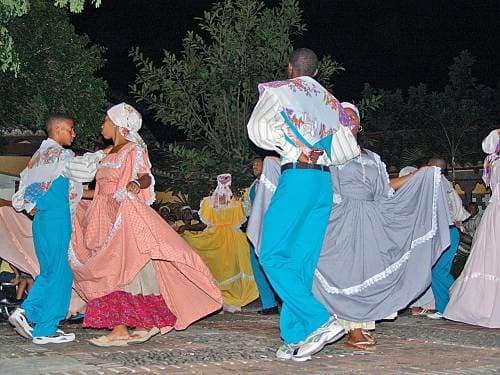
The Oriente, as Cubans call it, begins more than 800 km from Havana and maintains a distinct identity from the rest of the island. Our English-speaking team based in the capital considers this part of the country the most culturally blended: African heritage, French arrivals from Saint-Domingue in the late 18th century, Haitian presence and Jamaican migrations have shaped a specific culture, audible the moment you enter Santiago de Cuba.
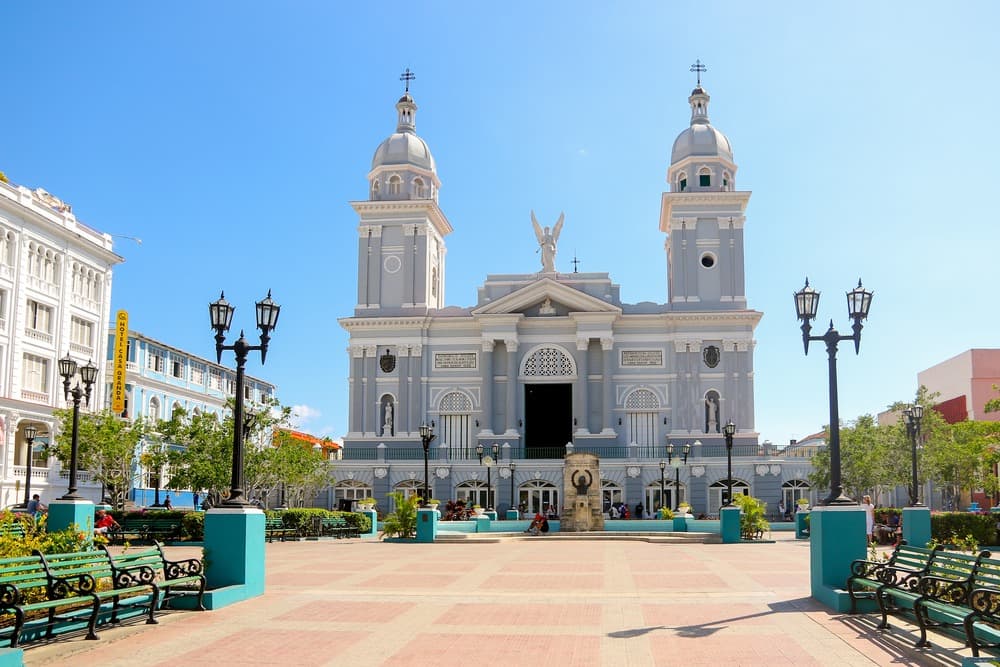
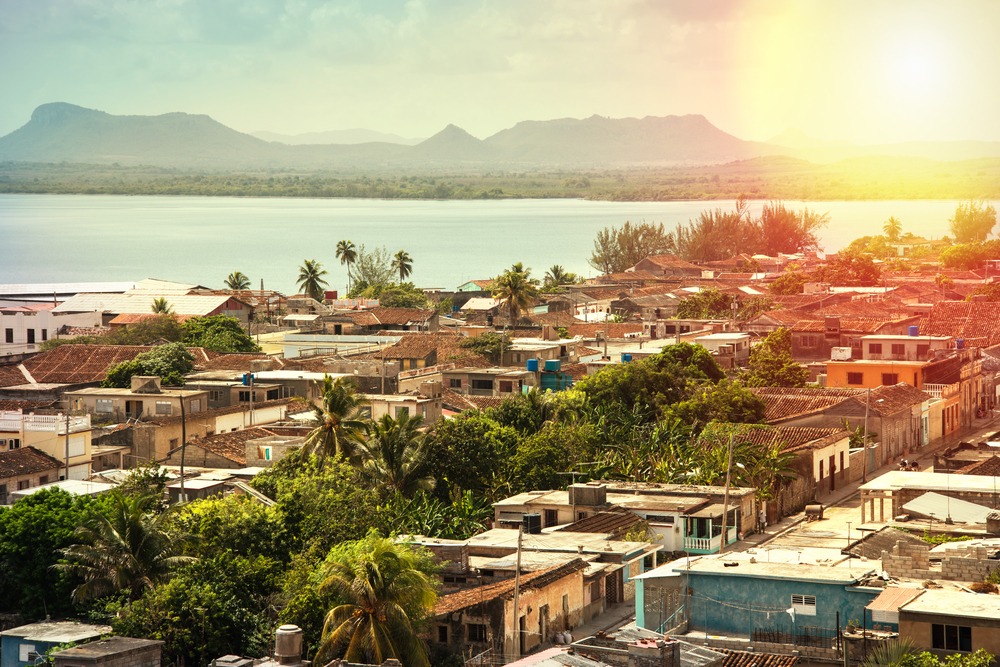
Santiago, the country's second city with around 500,000 inhabitants, stretches along a closed bay dominated by the Castillo del Morro, a 17th-century fortress listed as a UNESCO World Heritage site. The city lives in the streets: Calle Heredia houses the Casa de la Trova where boleros and son have been played since the 1960s, Parque Céspedes concentrates the cathedral and the former house of Diego Velázquez, and the Tivolí neighbourhood, founded by French colonists, descends steeply toward the port. The Casa de las Tradiciones in this same quarter remains the best place to hear santiaguera trova without tourist staging. The late July carnival, the oldest in the Caribbean, and the fiesta del Fuego in early July punctuate the summer.
Northwest of the city, the Sierra Maestra forms Cuba's main mountain range. Pico Turquino peaks at 1974 m and is climbed in two to three days from Santo Domingo or Las Cuevas, with a mandatory guide. It was in these mountains that Fidel Castro established his Comandancia de la Plata in 1956 and 1957, today accessible by a two-hour walk from Santo Domingo. The Santa Ifigenia cemetery in Santiago completes this historical memory: it holds the tombs of José Martí, Fidel Castro, and those of the Moncada fighters, the barracks attacked on July 26, 1953 and still visible in the city as a museum.
Heading east, the road shifts into different geography. Guantánamo, 85 km from Santiago, lends its name to the American naval base installed since 1903, which obviously cannot be visited but can be glimpsed from the Malones viewpoint. The region cultivates changüí, the rural ancestor of son, heard in the casas de la trova of Guantánamo and Baracoa. The landscape becomes drier around Caimanera, then frankly arid on the south coast before La Farola, a road built in 1965 that climbs the mountain range over 50 km and finally opens up Baracoa.
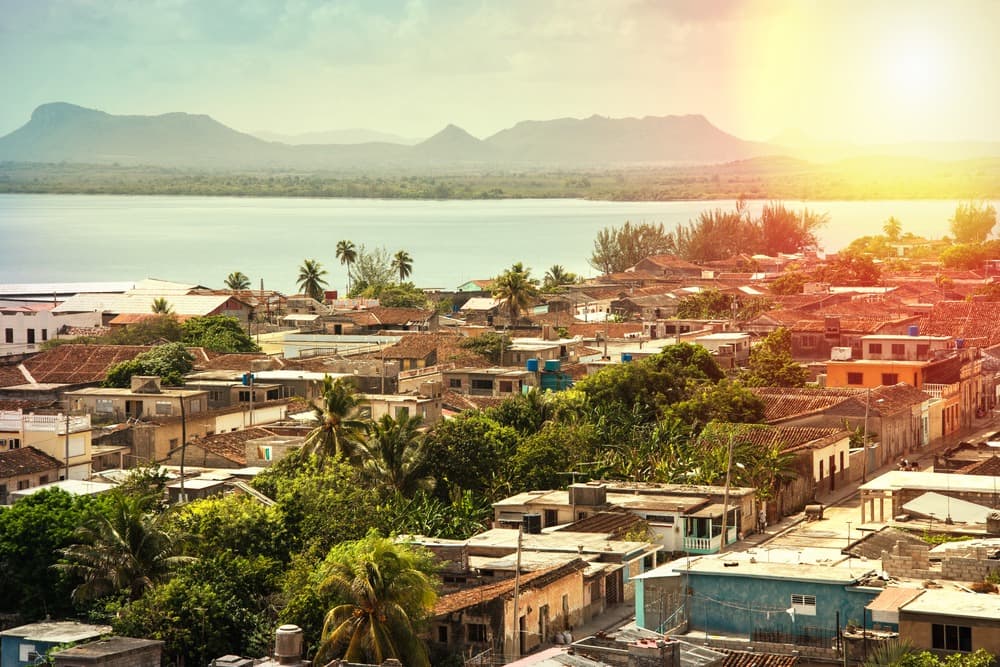
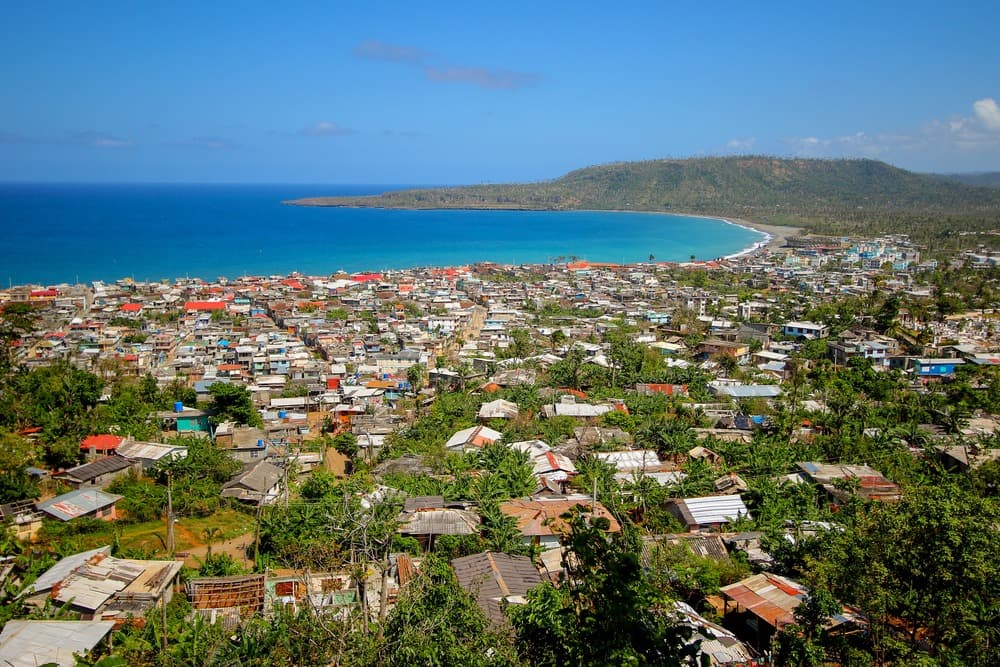
Baracoa, the first city founded by the Spanish in 1511, lives in a humid microclimate at the island's eastern tip. Rain falls there roughly 200 days a year, explaining the dense vegetation of Alejandro de Humboldt National Park and the cocoa plantations introduced by the French in the 19th century. The table-top mountain of El Yunque, 575 m, closes the landscape west of the city. The local cuisine stands distinctly apart from the rest of Cuba: cucurucho (palm leaf cone filled with coconut, fruit and honey), bacán (grated plantain cooked in leaf), fish in coconut milk, cocoa sauces. The Toa River, the country's most abundant, and the Yumurí River with its limestone cliffs structure excursions from Baracoa.
This part of Cuba remains noticeably less visited than the Havana-Viñales-Trinidad axis. Roads are sometimes slow, accommodations simpler, but the casas particulares of Santiago and Baracoa offer a welcome we often find warmer than elsewhere on the island.
To Discover
Evening at the Casa de las Tradiciones. In the Tivolí neighbourhood of Santiago, a neighbourhood salon where trova and son are played two metres from the audience, without amplification or tourist programming.
Climbing Pico Turquino. Two to three days of hiking from Santo Domingo to reach Cuba's 1974 m highest peak, traversing the former guerrilla camps of 1956-1958.
The La Farola road to Baracoa. 50 km of winding road built in 1965 to connect the south coast to Baracoa, with a sharp shift between dry and humid slopes in less than an hour.
Cocoa and Baracoa cuisine. Visit to a cocoa farm in the Duaba valley, tasting of cucurucho roadside and dinners in coconut milk found nowhere else in Cuba.
The Santa Ifigenia cemetery. In Santiago, the changing of the guard every 30 minutes before the mausoleums of José Martí and Fidel Castro, in an ensemble that also houses the Moncada fighters.
When to Go
The best period for the Oriente extends from December to April, with temperatures of 22 to 28 °C in Santiago and drier air. May to October concentrates the rainy season and heat, with peaks of 33-35 °C in July-August and high humidity. The active hurricane season runs from August to October, and Santiago and Baracoa have been hit several times in recent years (Sandy in 2012, Matthew in 2016, Oscar in 2024). We therefore avoid this window, except for travellers coming specifically for the Santiago carnival (around July 26) or the fiesta del Fuego in early July.
Baracoa stands out for its own climate: the northeast coast receives approximately 2300 mm of rainfall per year, double that of Santiago, with possible rain year-round. It's best to plan flexible days on site. The Sierra Maestra, at altitude, cools noticeably at night: bring a fleece for Turquino, where nights at the refuge drop to 10-12 °C even in dry season.
Practical Advice
Plan a minimum of 6 to 7 days for this part of Cuba, ideally 8 to 10 if you include Pico Turquino or several days in Baracoa. The Antonio Maceo international airport in Santiago receives flights from Paris, Montreal and several European cities in season, allowing you to avoid the long drive from Havana (roughly 900 km, 13 hours by Viazul bus or 1.5 hours by domestic flight). From Santiago to Baracoa, allow 5 to 6 hours of driving via Guantánamo and La Farola.
The Oriente combines well with the Centre and Trinidad for a coherent west-to-east itinerary: arrival flight to Havana, gradual descent through Cienfuegos, Trinidad and Camagüey, then Santiago and Baracoa before a return flight from Santiago or Holguín. For travellers with limited time, we advise against including the Oriente in a trip of less than two weeks: the distances don't justify it. The region is particularly suited to travellers interested in history (revolution, Caribbean blending), live music enthusiasts and walkers. Comfort remains that of casas particulares and a few state hotels, without the standards of Varadero resorts or the cayos.