Trinidad and Central Cuba
Trinidad paved since 1514, UNESCO-listed sugar valley, Escambray mountains and the French bay of Cienfuegos: the historic heart of Cuba in four to five days.
Central Cuba stretches between the Caribbean Sea to the south and the Atlantic coast to the north, across a band roughly 200 kilometres wide. Our team in Havana considers this region the historic heart of the island: it was here, around Trinidad and Sancti Spíritus, that the sugar economy was concentrated, the wealth that made Cuba prosperous in the 18th and 19th centuries. The old haciendas, narrow-gauge railways and stone watchtowers in the Valle de los Ingenios still bear witness to that era.
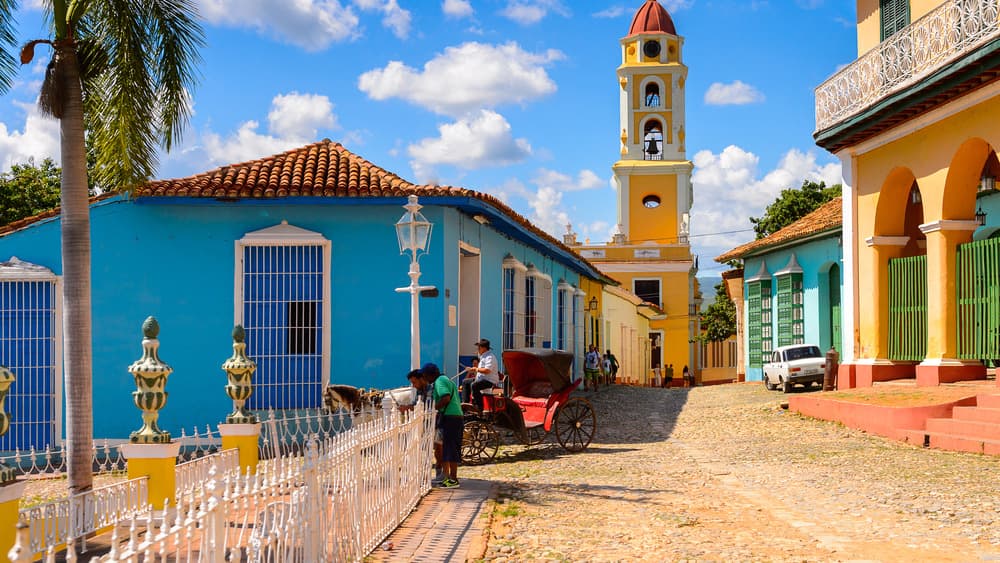
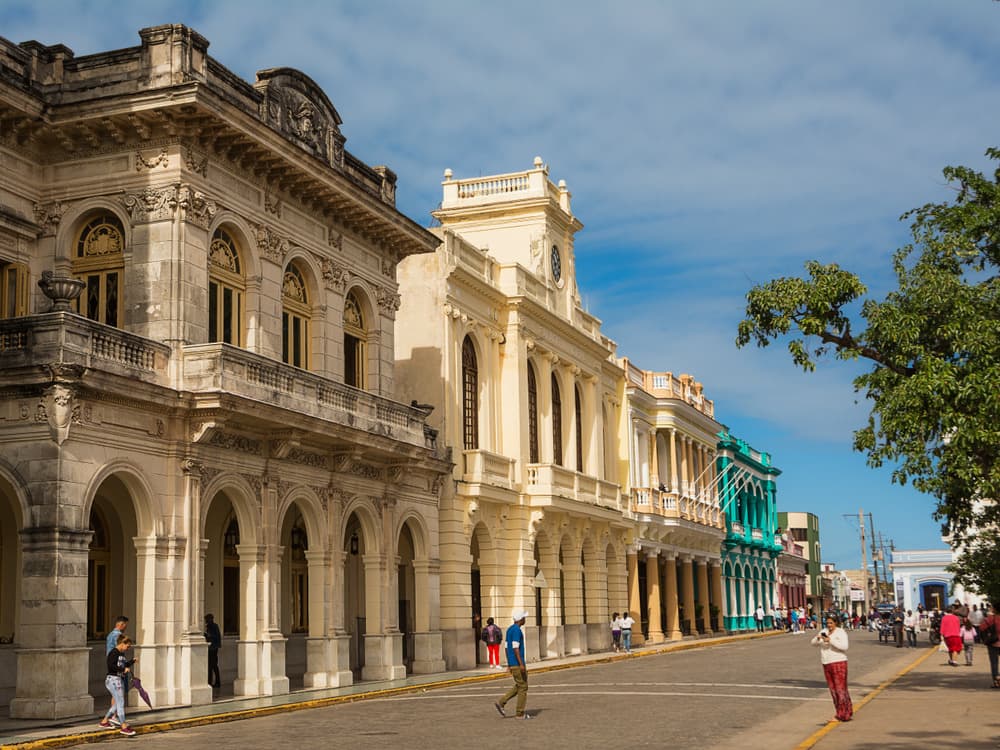
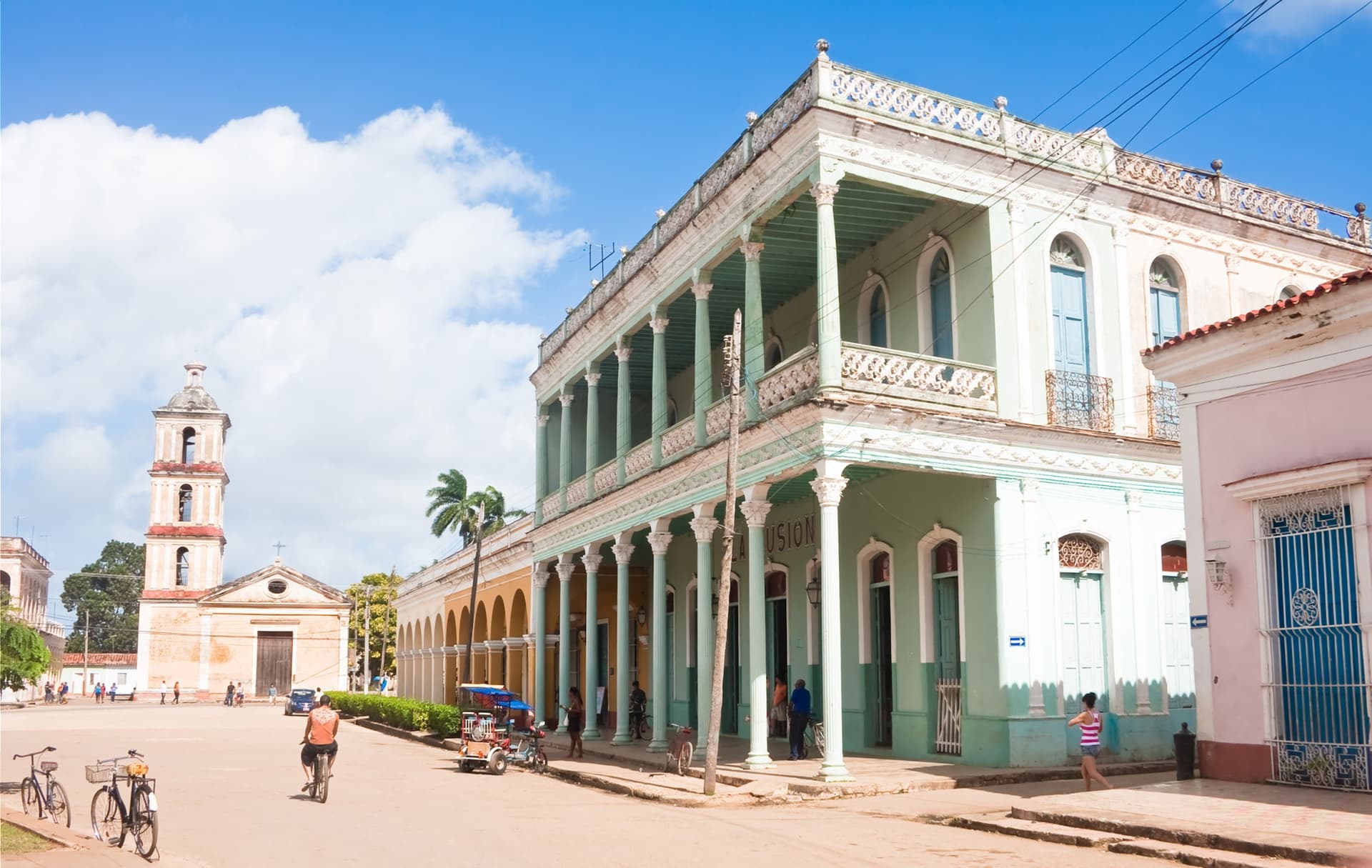
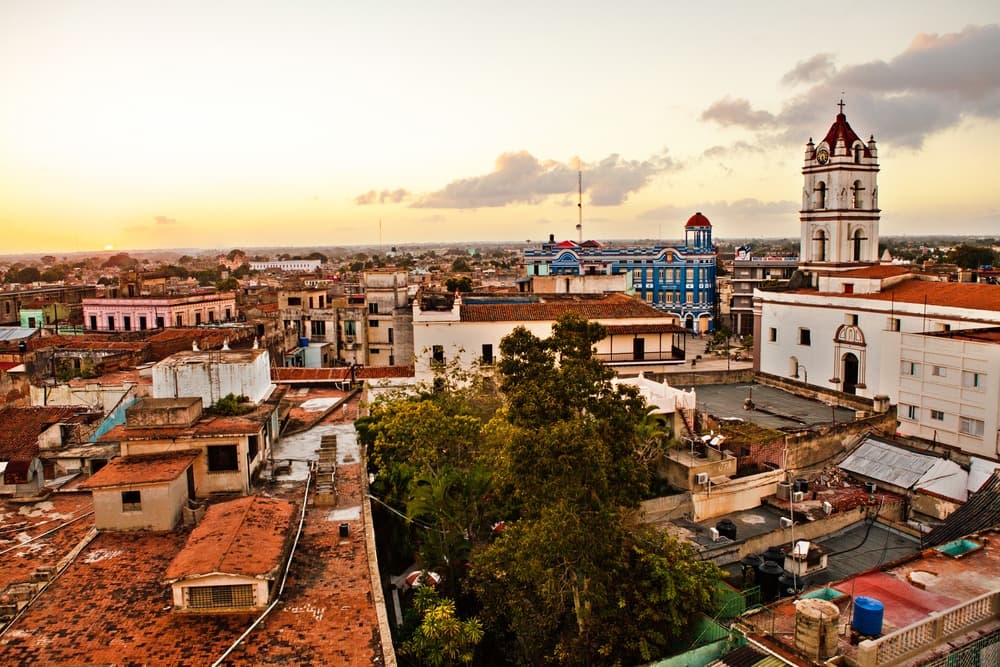
Trinidad, founded in 1514 by Diego Velázquez, is one of Cuba's seven first colonial towns. Its historic centre, designated a UNESCO World Heritage Site in 1988, preserves a grid of streets paved with smooth round pebbles, the chinas pelonas, where ox-drawn carts still pass. Low houses painted in ochre, indigo blue and pale green have often sheltered the same families for four or five generations. Around the Plaza Mayor, the Romántico museum housed in the Brunet palace, the history museum in the Cantero palace and the Santísima Trinidad parish church can all be visited in a morning. In the evening, the Casa de la Música sets its musicians on the steps leading down to the plaza, and salsa is danced there until midnight.
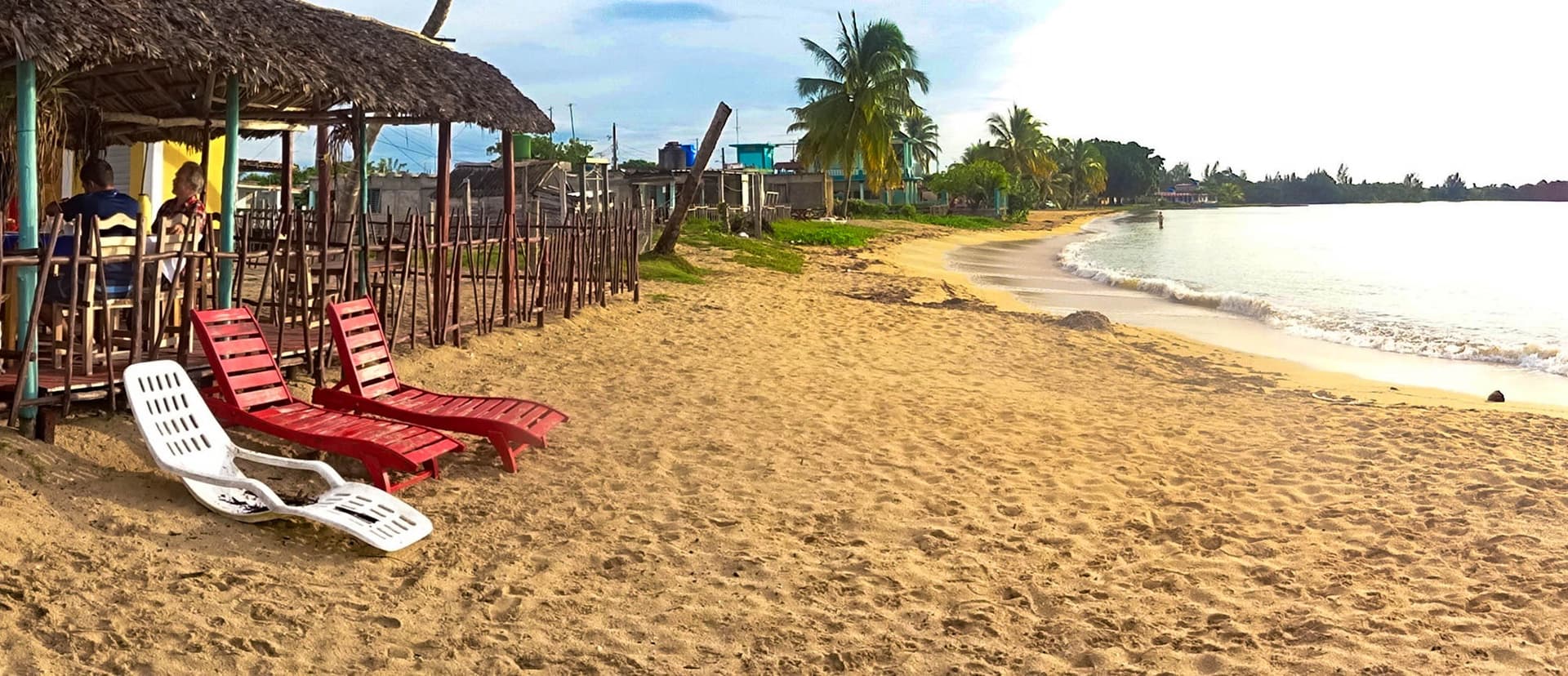
About a dozen kilometres to the south, Playa Ancón unfolds five kilometres of white sand facing a coral reef accessible with fins. The peninsula remains lightly developed, with just three hotels, and we often use it as a beach counterpoint to two or three days spent in the historic centre. Inland, the Sierra del Escambray peaks at 1,140 metres at Pico San Juan. We organise half-day hikes there to El Nicho waterfall or Caburní falls, through a landscape of tree ferns and endemic pines. Topes de Collantes, a former sanatorium turned hiking base, serves as a departure point.
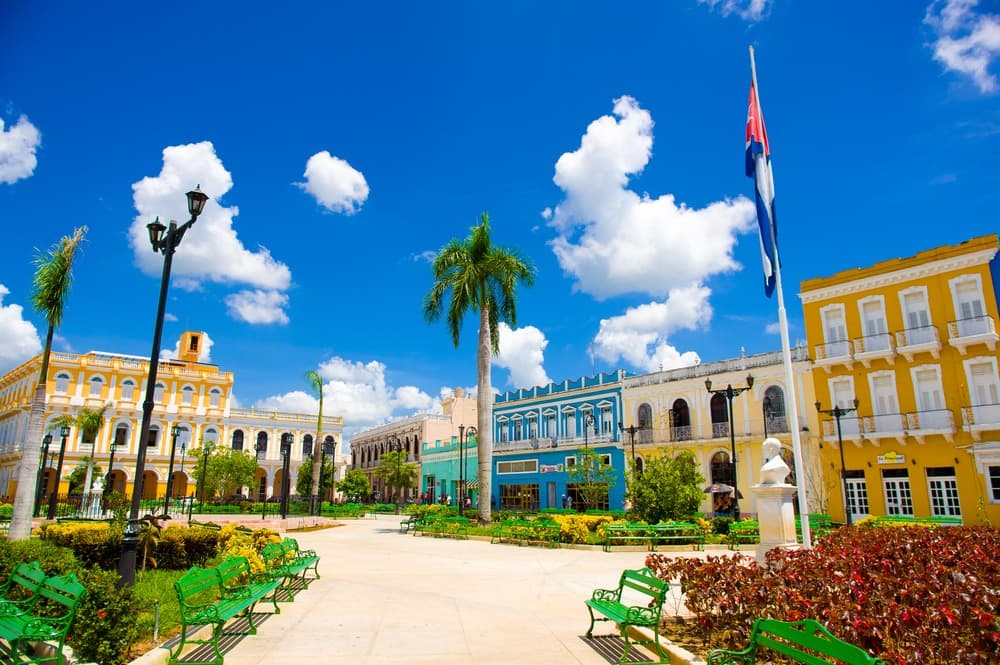
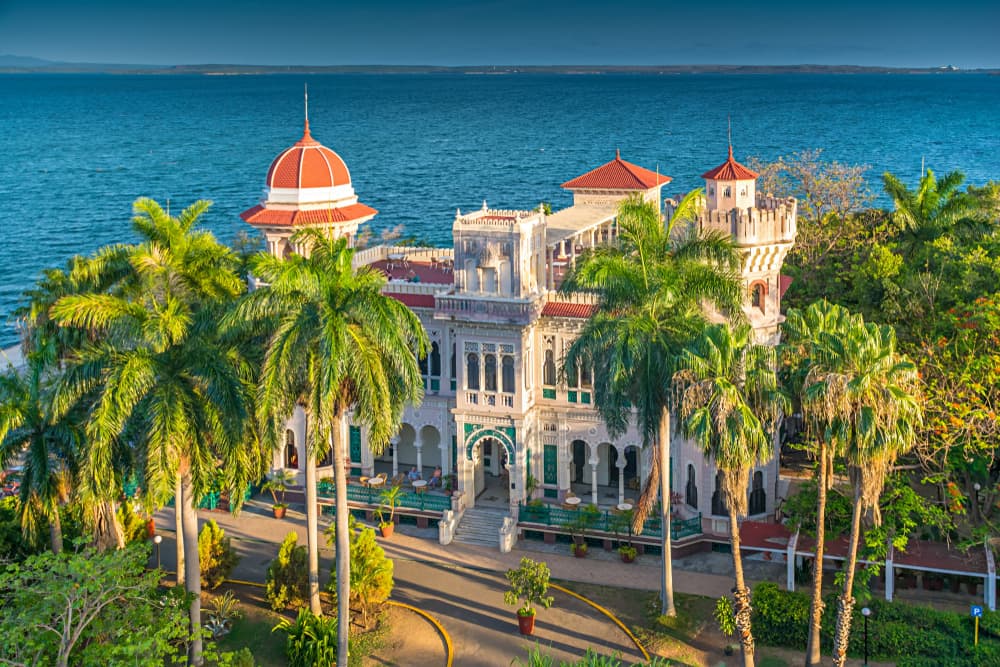
Cienfuegos, 80 kilometres west of Trinidad, presents a very different face. The city was founded in 1819 by French settlers from Bordeaux and Louisiana, and its grid layout around Parque José Martí bears that influence: the Tomás Terry theatre, the Purísima Concepción cathedral and the Valle palace, a blend of neoclassical and Moorish styles, frame a deep bay where we sometimes embark on fishing boats for the day. Further east, Sancti Spíritus, another 1514 foundation, remains off the beaten path, with its bridge over the Yayabo and quieter streets than Trinidad.
Central Cuban cuisine draws on livestock farming from neighbouring Camagüey province: shredded beef ropa vieja, roasted pork and grilled lobster from the south coast make up the everyday fare in paladares, private restaurants. In December and January, sugar cane harvesting resumes at the ingenios still operating around Manaca Iznaga, and the smell of cooked molasses drifts as far as the village. This is also the season for the parrandas of Remedios, a popular festival born in the 18th century where two quarters of the town compete with allegorical floats and fireworks all night on 24 December.
To discover
Colonial centre of Trinidad. The paved streets around Plaza Mayor concentrate five museums in former 19th-century sugar palaces. At the end of the day, the musicians of the Casa de la Música play on the staircase leading down to the square.
Valle de los Ingenios. Former sugar plain where the ruins of 75 mills remain. We climb to the top of the Manaca Iznaga tower, 45 metres built in 1816 to watch over enslaved people in the sugar cane fields.
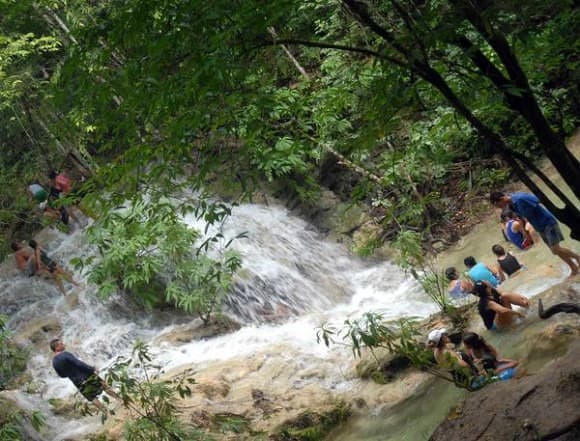
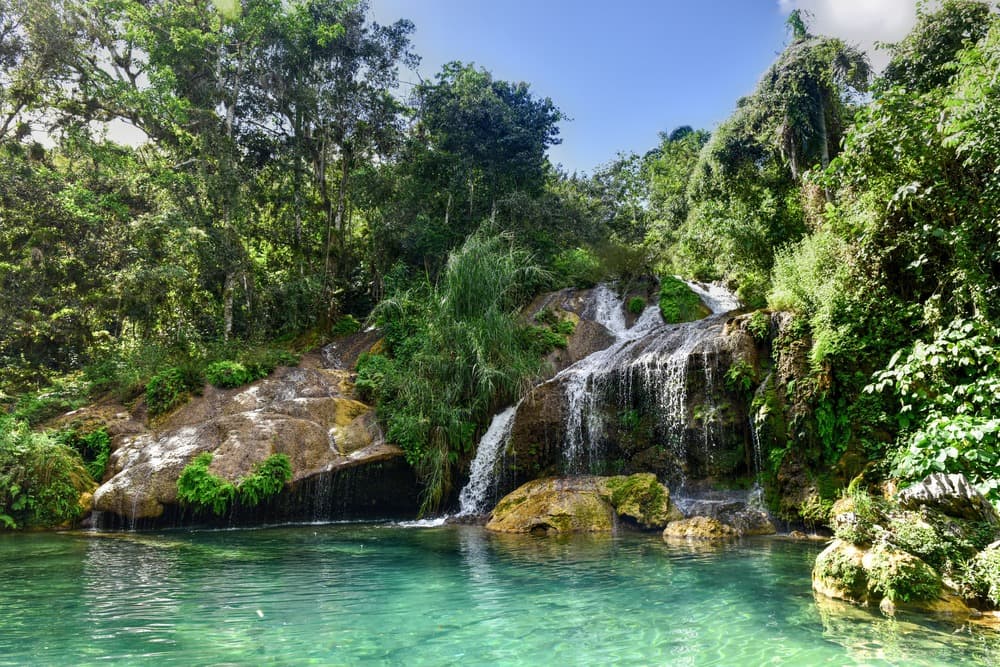
El Nicho waterfall in the Escambray. An hour's walk from the forest road leads to a series of cold water pools set within a pine forest. The access road from Cienfuegos crosses coffee plantations at 800 metres altitude.
French architecture of Cienfuegos. Parque José Martí and the Valle palace, completed in 1917, bear witness to the influence of Bordeaux founders. The bay is crossed by boat to the fishing village of Castillo de Jagua.
Parrandas of Remedios in December. A UNESCO-listed popular festival where the town's two quarters compete with floats and fireworks throughout the night of 24 December. We take travellers there who spend the holidays in Cuba.
When to visit
The best time to visit Trinidad and Central Cuba extends from December to April, with dry days around 26 to 28 degrees and cool nights in the Sierra del Escambray, where temperatures can drop to 14 degrees in January. The sea remains swimmable at 25 degrees on Playa Ancón. From May to October, the rainy season brings tropical showers mainly late afternoon, short but intense, and humidity rises above 80%. September and October concentrate the cyclone risk on the south coast, and we then shift itineraries inland.
Internal variations matter: Cienfuegos and the south coast remain hot and dry in winter, while Topes de Collantes at altitude regularly sees fog and fine rain even in dry season. For those wanting to combine the parrandas of Remedios with mild weather, the last week of December remains our preferred window, despite denser crowds in Trinidad.
Practical advice
We recommend four to five full days for Central Cuba: two nights in Trinidad for the town, Valle de los Ingenios and Playa Ancón, a day and night at Topes de Collantes for hiking, and one to two nights in Cienfuegos. Access is by road from Havana, about 320 kilometres and five hours via the central motorway, or via Cienfuegos airport which receives some seasonal charter flights. Trinidad has no operational airport for passengers.
The region naturally articulates with Havana to the west, the arrival and departure point, and with Viñales for those wanting to add tobacco and the karst landscapes of the West. To the east, the road logically continues towards Camagüey and then Santiago, but you need to plan a minimum fifteen-day itinerary. For a beach combination, the northern Cayos are four hours' drive away. Comfort mainly relies on casas particulares, private guesthouses that we select one by one, more authentic than the few hotels in the historic centre. The region suits contemplatives, colonial architecture enthusiasts and families with school-age children, less so travellers seeking international hotel comfort.