Camagüey
Camagüey
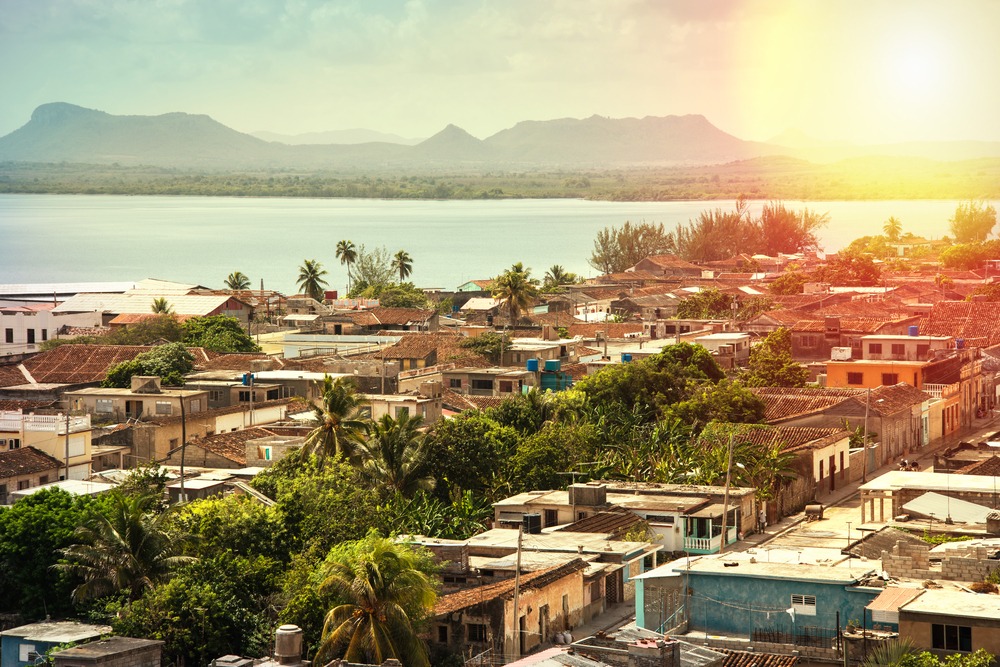
A UNESCO historic center laid out like a labyrinth, nine baroque churches, emblematic tinajones, and the beaches of Santa Lucia: Camagüey, the authentic face of Cuba.
Colonial streets lined with colorful buildings and magnificent sandy beaches await you in Camagüey, Cuba's 3rd largest city. Thanks to its tourist appeal, this city promises an enjoyable stop during your stay in Cuba. Camagüey surprises with its blend of colonial architecture and magnificent plazas (public squares) that guarantee a complete change of scenery. It is home to Cuba's largest urban park. It would be a shame not to visit this city during your journey across Cuban soil, where Fidel Castro and Che Guevara left their mark on history.
A Bit of History
When Camagüey was founded on February 2, 1514, it was called Santa María del Puerto de Príncipe. It is among the 7 first cities founded by the Spanish in Cuba. Originally established on the north coast of Cuba, it was gradually relocated to its current location to escape pirate attacks that plagued the Caribbean. A local Taíno cacique gave it the name Camaguebax.
The city of Camagüey operated contrary to the rest of the island. While the country thrived on sugarcane cultivation, Camagüey prospered thanks to cattle ranching.
Today, as mentioned above, Camagüey rivals Cuba's two largest cities: Havana and Santiago de Cuba.
Camagüey, Cuba's 3rd City
Located in the center of Cuba, 500 km southeast of Havana (the country's capital), Camagüey delights tourists. Flanked by vast plains (Llanuras), the city benefits from mountain ranges and 2 rivers (the Hatibonico and Tinima rivers) that enhance its natural landscape. Capital of its namesake province, Camagüey spans 75 km², which may seem small, but its significance expresses itself in other ways.
Camagüey holds the position of Cuba's 3rd largest city by population, with 306,183 inhabitants. The 2nd largest city before Camagüey is Santiago de Cuba with a population of 433,099. It ranks after Havana, the country's capital, which holds the top position with 2,130,081 people.
Beyond its beaches, Camagüey stands as a historic city thanks to its historic buildings.
Why Choose Camagüey?
Camagüey, "the City of Churches"
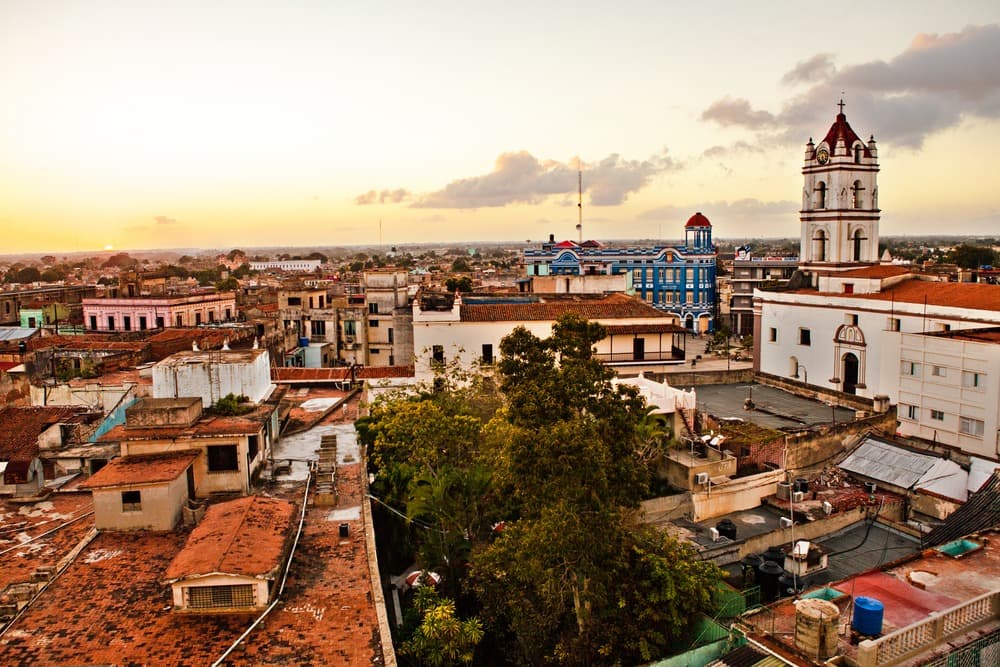
The name alone is enough to spark curiosity. Camagüey is known by the nickname "the City of Churches" thanks to its 9 baroque churches with gilded altars. In this regard, we must mention the majestic Cathedral of Nuestra Señora de la Candelaria and the Church of Nuestra Señora de la Merced. Its Catholic soul is reflected in its various religious buildings.
Camagüey, "the City of Tinajones"
The city is called this because of the large earthenware jars that reach up to 2 meters in height. Nestled on the Plaza del Carmen, these jars, once buried, served to collect rainwater and keep it cool.
Cradle of Cuban Letters
Camagüey is the ideal place to appreciate the region's culture. Strolling through the city's streets, you will witness the talents of local dancers, musicians, painters and illustrators. More importantly, the city is home to Cuba's 2nd classical ballet company.
City of Cuban Celebrities
Several celebrities were born in Camagüey:
- Ignacio Agramonte, Cuban revolutionary who was born on December 23, 1841, and played a major role in the Ten Years' War; the city's airport bears his name;
- Gertrudis Gómez de Avellaneda, who was born on March 23, 1814, a writer and Spanish woman of letters of the 19th century and major figure of Cuban romanticism;
- The painter Fidelio Ponce de León, who was born on January 24, 1895;
- The doctor Carlos J. Finlay, who was born in the city on December 3, 1833;
- Nicolás Guillén, the national poet (born July 10, 1902).
The Country's Largest Historic Center
Beyond the breadth of its territory, Camagüey's historic center features very well-preserved Hispanic-Arab architecture and displays surprising irregularity, which is why it was declared a "UNESCO Cultural Heritage Site" in 2008.
What to See in Camagüey?
The Churches
Nicknamed "the City of Churches," Camagüey is filled with numerous churches to visit.
- The Church of San Juan de Dios, in baroque style and located on the square of the same name, houses the 2nd representation in statue of the Holy Spirit in Latin America, besides the one in Peru;
- The Cathedral of Nuestra Señora de la Candelaria, or simply "Camagüey's Cathedral" is a baroque-style Catholic basilica. It stands out for its enormous bell tower topped with a statue of Christ.
- The Church of Nuestra Señora del Carmen, located on the Plaza del Carmen, impresses with its unique baroque beauty and its 2 magnificent towers.
- The Church of Santa Ana, for its part, is a ruined church with a rather mystical air.
The Plazas
The Plaza San Juan de Dios is bordered by the hospital and church of the same name. It ranks among Cuba's best-preserved and most famous public squares. The body of the famous independence fighter, Ignacio Agramonte, was transported to this plaza, and his remains rest in the Church of San Juan de Dios.
The Plaza del Carmen is where you can admire statues of residents going about their daily occupations. Be sure to photograph the famous "tinajones," large earthenware jars that are typical of Camagüey.
Plaza de la Soledad and Iglesia de Nuestra Señora de la Soledad
The Plaza is distinguished especially by the Church of Nuestra Señora de la Soledad, a symbol of Camagüey.
The Plaza de los Trabajadores is also worth a visit. One of the buildings on the plaza features the monumental face of Che, a must-see. Also visit the Iglesia y Convento Nuestra Señora de la Merced as well as the Casa Natal de Ignacio Agramonte (birthplace of Ignacio Agramonte), which traces the history of this independence fighter.
On the Plaza de la Revolución several political, cultural, and social events have taken place. We'll mention only the celebration of major acts conducted respectively by Fidel and Raúl Castro on July 26, 1989, and in 2007. On May 1st, it also hosts parades.
The Parks
The Parque Agramonte offers you a small pause in the shade of palm trees, in a true oasis of tranquility, while admiring the bronze and granite statue of independence leader Ignacio Agramonte. The place also distinguishes itself by the Moorish façade of the Casa de la Diversidad, which enhances the park with a magnificent blend of blue and white.
The Parque Martí is one of the few places in Cuba where you can admire the neogothic style of the majestic Iglesia del Sagrado Corazón de Jesús.
The Parque Maceo, formerly called the Plaza de Paula, has borne its current name since 1899 in tribute to Lieutenant Colonel Antonio Maceo. He was nicknamed the "Titan of Bronze" for his physical strength and courage. The park has housed a bust of his likeness since 1947.
Other Monuments
Historic Center of Camagüey
One of Cuba's largest historic centers, Camagüey's brings together treasures from the colonial era. Because of this, the site was declared a UNESCO World Heritage Site in 2008. Its historical, architectural, environmental, and urban values earned it the status of "National Monument" in 1980. Several interesting monuments are found in Camagüey's historic center: Plaza San Juan de Dios, Casino Campestre, Nicolás Guillén's Birthplace…
Casino Campestre
A must-see during a trip to Camagüey, this casino is known as Cuba's largest urban park. This leisure destination is hugely popular with Camagüey families and features a baseball and football field as well as athletic tracks. Admire the various statues throughout the grounds while you're there.
Santa Cecilia Convention Center
Like the Casa de Trova on the Parque Agramonte that delight music lovers and strollers, the Santa Cecilia Convention Center on the Plaza de los Trabajadores attracts fans of architectural style structures. You cannot miss it, as the building is painted in striking bright blue.
Martha Jiménez Studio-Workshop
Another symbol of the city, Martha Jiménez's workshop presents a perfect blend of art, traditions, and legends in its products.
What to Do in Camagüey?
The Beaches
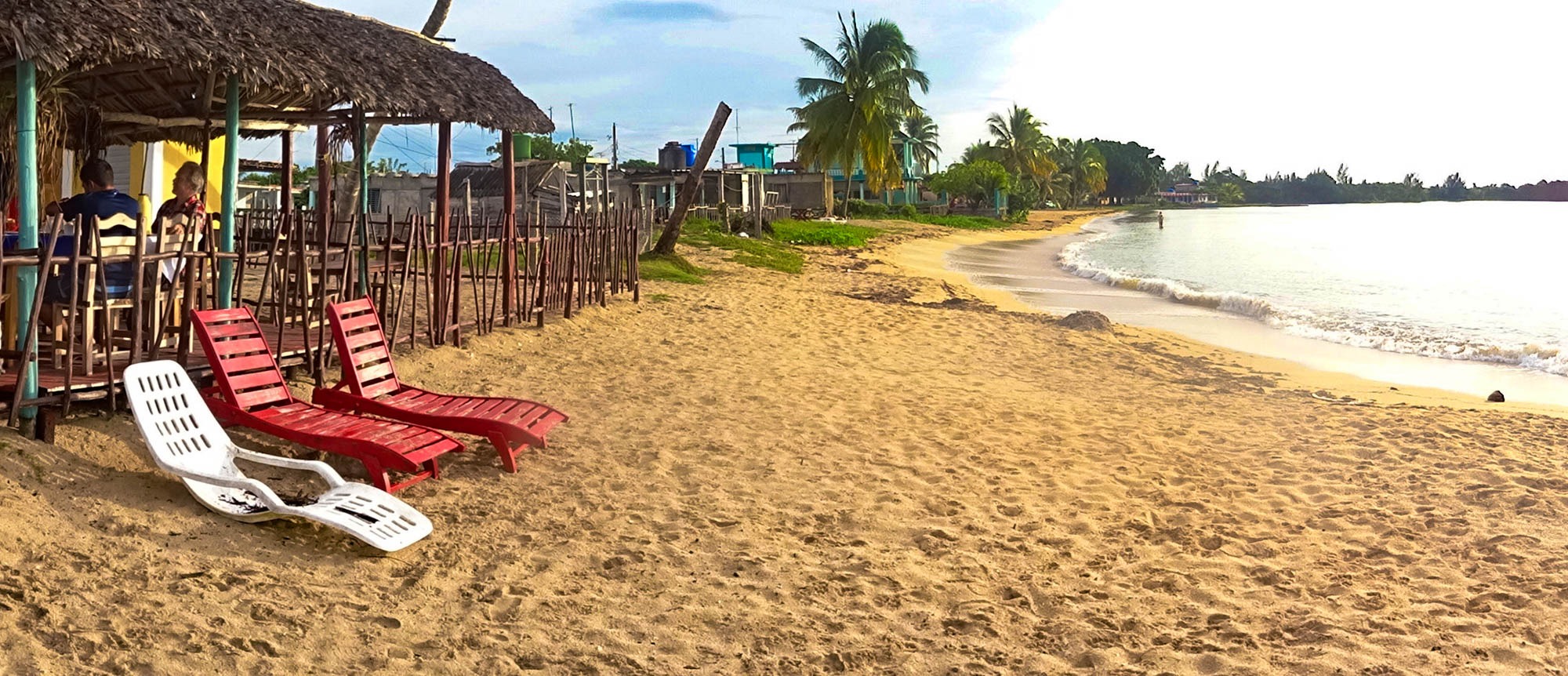
Santa Lucia Beach stretches for 20 km, making it Cuba's longest beach. It is located approximately 110 km northeast of Camagüey and rivals Varadero. The most beautiful and visited remains Bonita Beach, nestled on the coast of Cayo Sabinal, which also features Los Cocos Beach, ideal for swimming and enjoying views of the Colón Lighthouse.
Festivals and Events
During your vacation in Camagüey, be sure to attend the festival called "San Juan Camagüeyano," the city's most popular celebration. During this festival, banners and confetti are everywhere. Locals also prepare typical dishes you must try: the famous ajíaco, matajíbaro, and delicious cheeses.
The Camagüey Ballet, Cuba's 2nd ballet company, was founded on December 1, 1967, by Vincentina de la Torre Recio. This ballet ensemble comprises more than 260 works in different styles, mainly classical, romantic, neoclassical, and contemporary. Located outside the city, the Camagüey Ballet holds its performances at the Teatro Principal in Camagüey. You cannot help but be enchanted seeing these children and teenagers passionately devoted to the art of dance.
When to Visit Camagüey?
It is best to visit Camagüey from November through May. From May to July, rain becomes more frequent, but temperatures are ideal for a summer vacation (between 27 to 32°C). For your information, September is the rainiest month (77% precipitation).
Most tourists land in Trinidad or Santa Clara, then take a bus to reach Camagüey on a 4.5-hour journey. If you arrive in Havana and take a bus to Camagüey, the journey will take 9 hours.
You can land at Camagüey's Ignacio Agramonte International Airport, which works with nearly 100 airlines. These airlines offer more than 500 destinations.
Camagüey is usually toured by bici-taxi (bicycle taxi), the most practical and commonly used form of transport by visitors. You can also take a taxi to get around the city.
Want to discover this destination?
Our local advisors design your tailor-made trip.