Gibara
Gibara
Nicknamed the white city, Gibara reveals an authentic Cuba between colonial architecture, karst caves, deserted beaches and a film festival.
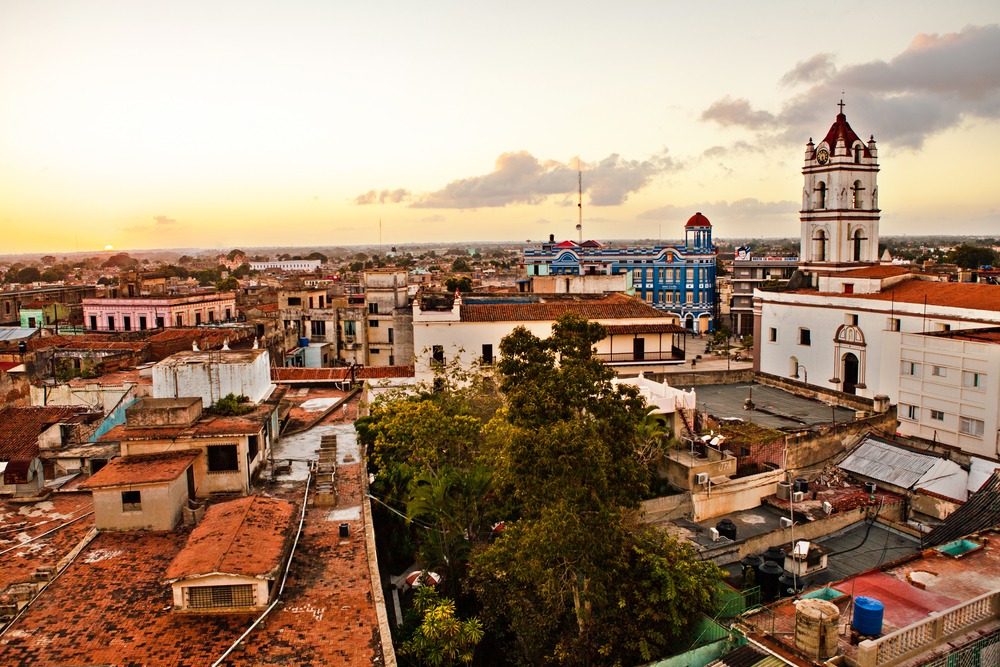
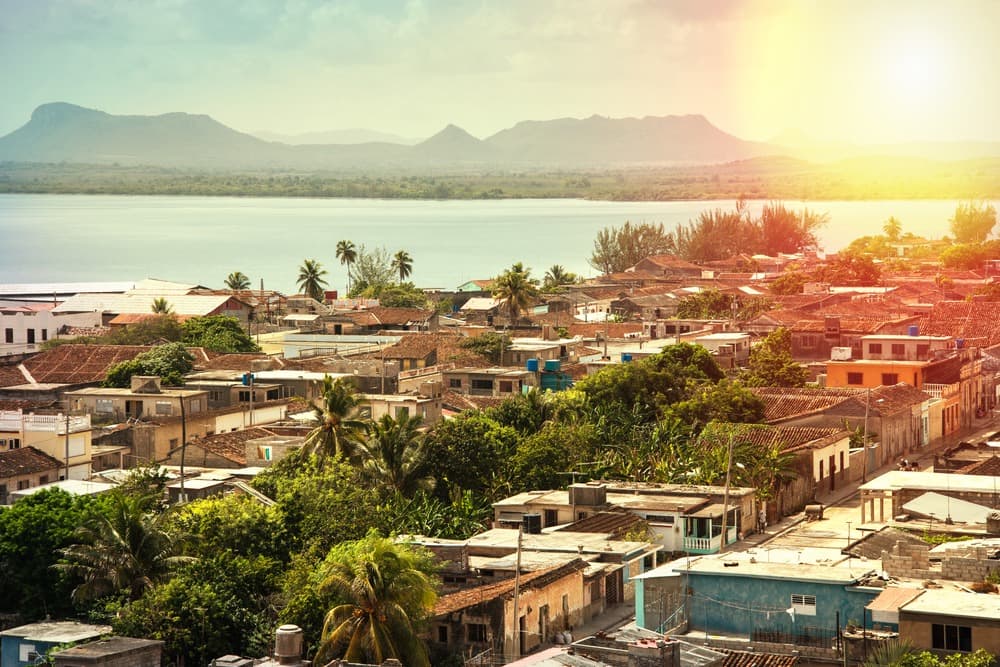
Nicknamed "the white city," Gibara is a small coastal municipality located in the northwestern part of Holguin province. It ranks fourth in terms of demographics and ninth in terms of land area. Wandering through the old center, you'll discover splendid mansions, cigar factories and charming drugstores that paint an inviting picture. Add to this the warmth of its inhabitants, who will greet you with genuine enthusiasm. To appreciate the full splendor of the site, the Gibara lookout point offers breathtaking views of the bay and the sprawling city below. In 2004, the historic center was declared a national monument.
History
According to historical theories, Gibara is believed to derive from the word Jibá, referring to a species of tree native to the region. Another hypothesis suggests it comes from Jíbaro, an indigenous term meaning "rustic and untamed."
During the colonial era, Gibara was a fishing village named after the ramparts that surrounded it. Few traces of these fortifications remain today. The town served as the first point of contact between European and indigenous cultures.
On November 1st, 1492, Christopher Columbus sent sailors on a reconnaissance mission to establish contact with the indigenous people. Caravels were anchored in the bay, awaiting the return of the scouts.
Officially founded in 1817, Gibara became an important waypoint for the transport of cedar and mahogany, thanks to its location on the bay and proximity to waterways.
Today
The town remains an important fishing center and thrives through livestock farming and port trade. Nevertheless, its charm and authenticity have made it increasingly attractive to travelers, gradually turning its attention toward ecotourism.
It boasts the finest architectural ensemble in Holguin province. This cultural heritage is reflected in numerous monuments such as the Gibara Natural History Museum, the Art Museum, the Municipal History Museum, and the Church of San Fulgencio. The Armando Leyva Balaguer public library houses the oldest building in the entire province. Despite the devastating consequences of hurricanes (Ike in 2008), Gibara has rebounded and continues to develop steadily over time.
Geographically, Gibara covers an area of 636 km² with 50% karst zones and over a hundred caves ideal for speleology.
Each year, Gibara hosts the Humberto Solas International Film Festival. This event brings together local residents and numerous international artists. The festivities are celebrated with a parade along Independence Street, and since its inception, the number of participants has continued to grow. If you're seeking an off-the-beaten-path experience, a visit to this historic and iconic colonial town is an excellent choice.
What to See in Gibara?
Gibara offers numerous interesting sites. Among the most appealing, these deserve a visit.
Calixto Garcia Park
This place takes its name from General Calixto Garcia. Magnificently lined with oak trees, this majestic plaza in the heart of the city seems to embody the spirit of Holguin's inhabitants. You'll find two remarkable structures here, including a marble statue imported from Italy that stands at the center of the roundabout. The Monument to Mothers, which won first prize in a provincial competition, was created by sculptor Mario Santi. Across the way, the Statue of Liberty stands beside the Church of San Fulgencio. Nearby, you'll discover curious buildings housing institutions and aristocratic residences. The homes of the town's leading figures are scattered throughout the area, including La Periquera, the Blue House, the home of Doña Ana Victoria de Ávila, the residence of the Leal y Grave de Peralta family (now Commander Eddy Suñol Theater), and the current Manuel Dosieto Aguiler House of Culture.
Fernando VII Battery
This was the first fortification that served both as defense and refuge for Gibara's inhabitants. Here you'll find the famous promontory "Punta de Yarey."
Cueva de los Panaderos (Bakers' Cave)
This location features a cave system called La Polja de Cementerio. It consists of 19 galleries stretching over 2km and a long underground passage. You'll notice secondary rock formations with irregular contours, resembling the silhouette of the cartoon character Casper the Ghost. The interior is covered with thick stalactites and stalagmites, creating imaginative shapes like a prehistoric animal or a group of people.
32 meters below lies the network of galleries. The path continues to sea level and leads into underground waterways, home to unique aquatic creatures adapted to cave life. The cave also shelters several species of bats and endemic local species such as the pseudoscorpion and cave cricket.
Its Beaches
A change of scenery awaits as you head toward Playa Caletones, located 15 km west of the city. You'll first pass through a tiny fishing village after following a marked trail. Numerous bars and restaurants line the beach, and if you'd like to enjoy some traditional music, cultural centers welcome visitors.
Furthermore, there are two sites of interest for scuba diving enthusiasts: Tanque Azul de Caletones, a submerged cave, and Cayo Naranjo anchored in the bay, essentially a natural aquarium.
Playa Blanca can only be reached by boat from Gibara's port. A true haven of peace, this place is especially suited for nature lovers. In any case, you're free to take a leisurely walk or simply relax.
Climate
Gibara is characterized by two distinct seasons. Summer months bring overcast skies, intense heat, and particularly long days. Winter features a dry, windy and clear climate with temperatures rarely dropping below 18°C (64°F). The best time to visit is generally between mid-November and early May.
By taxi or rental vehicle. From Havana, allow approximately 10 hours of travel time.
Gibara offers various transportation options for getting around town. You can rent a car from major international agencies. Taxis are easy to find thanks to numerous companies throughout the city. For 5 pesos, a bici-taxi (bicycle taxi) will allow you to move around Gibara with ease.
Want to discover this destination?
Our local advisors design your tailor-made trip.