Viñales and the West
Limestone mogotes rising 300 meters, cigar terroir of Vuelta Abajo and diving at María la Gorda: the rural hinterland of Havana, best explored at a horse's pace.
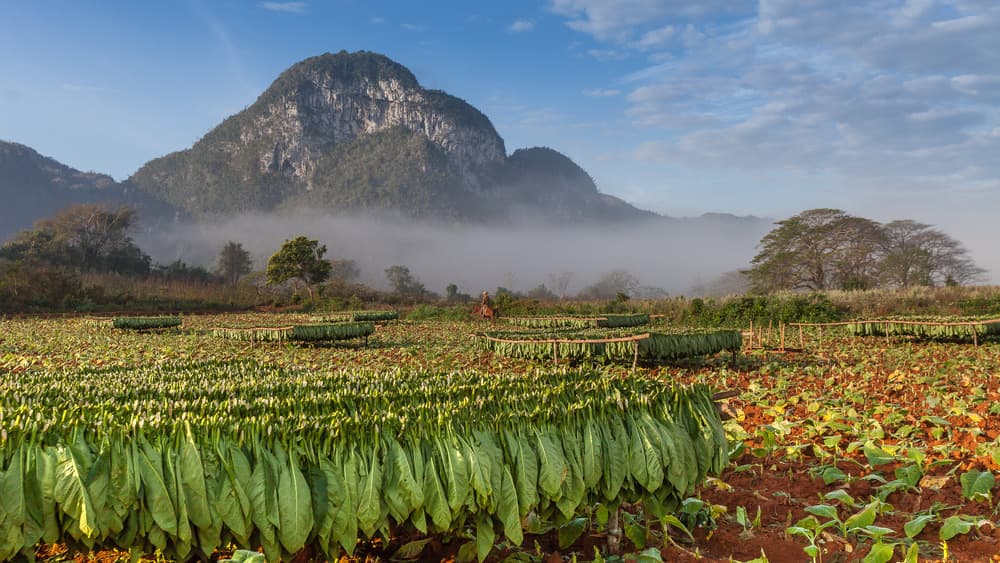
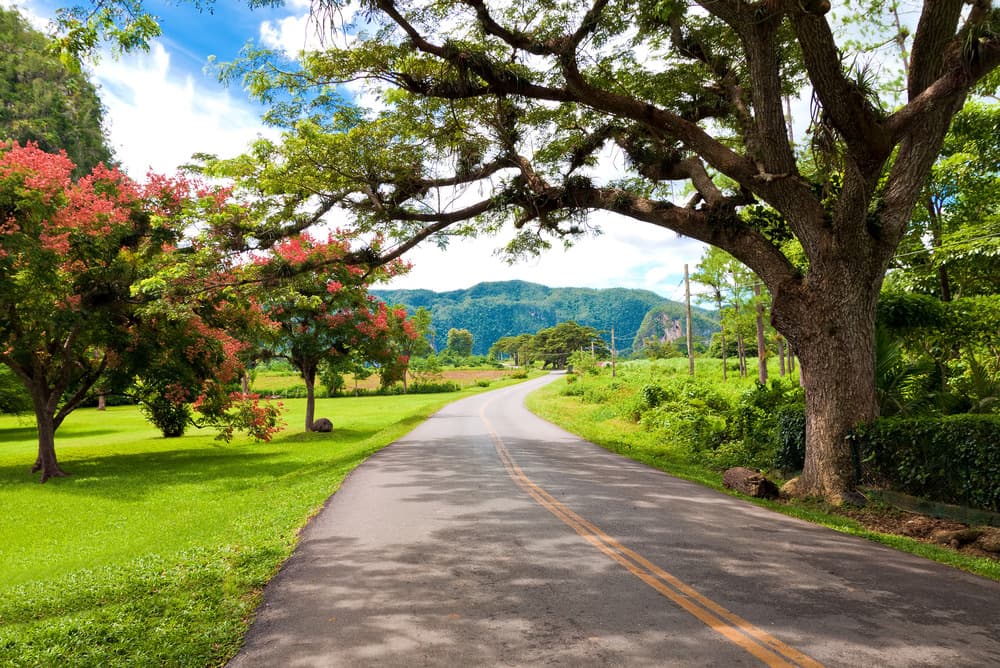
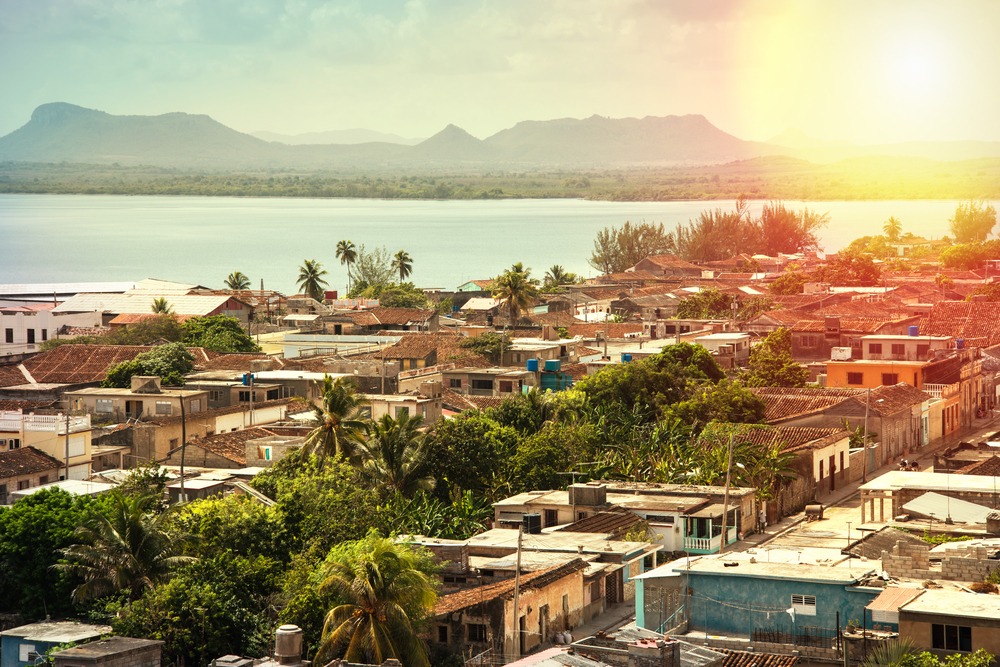
Cuba's West begins 180 kilometers from Havana, along the A4 highway heading toward Pinar del Río. In three hours of driving, the landscape transforms: flat plains give way to mogotes, those limestone buttes with vertical flanks soaring 200 to 300 meters high, remnants of a plateau that collapsed during the Jurassic period. The Viñales Valley, a UNESCO World Heritage site since 1999, concentrates this dramatic relief across some fifteen kilometers between the villages of Viñales, El Moncada, and Puerto Esperanza.
The region lives and breathes tobacco. The Vuelta Abajo, a micro-terroir situated around San Juan y Martínez and San Luis, is recognized by Havana's cigar manufacturers as the zone producing the most consistent wrapper and filler leaves in the country. Plantations sprawl across ferralitic red soils, carefully tilled by ox-drawn plows because the earth cannot withstand the compaction of tractors. In the family fincas we visit around Viñales and Pinar del Río, guajiros—Cuban peasants—explain the leaf-by-leaf harvest, stretched over 40 days, followed by a two-month drying period suspended inside casas de tabaco, those grand palm-thatched barns dotting the countryside.
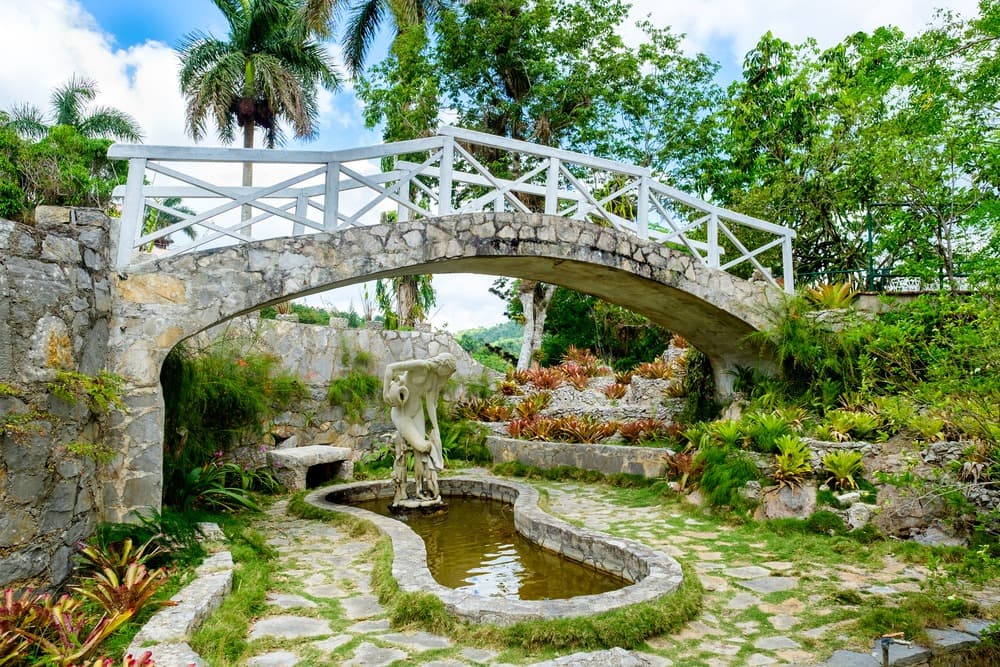
Beyond tobacco, the West has retained a rurality that other Cuban regions have lost. You still encounter plenty of horse-drawn carts, herds driven on foot, and bohíos—traditional thatched huts with royal palm roofs. Local gastronomy rests on roasted pork, viandas (root vegetables), rice and red beans (congrí), and coffee cultivated in the Sierra del Rosario. At Las Terrazas, an agro-ecological community established in 1968 within this same range, you can visit coffee plantations and the former French estate of Buenavista, founded by planters who fled Saint-Domingue at the start of the 19th century.
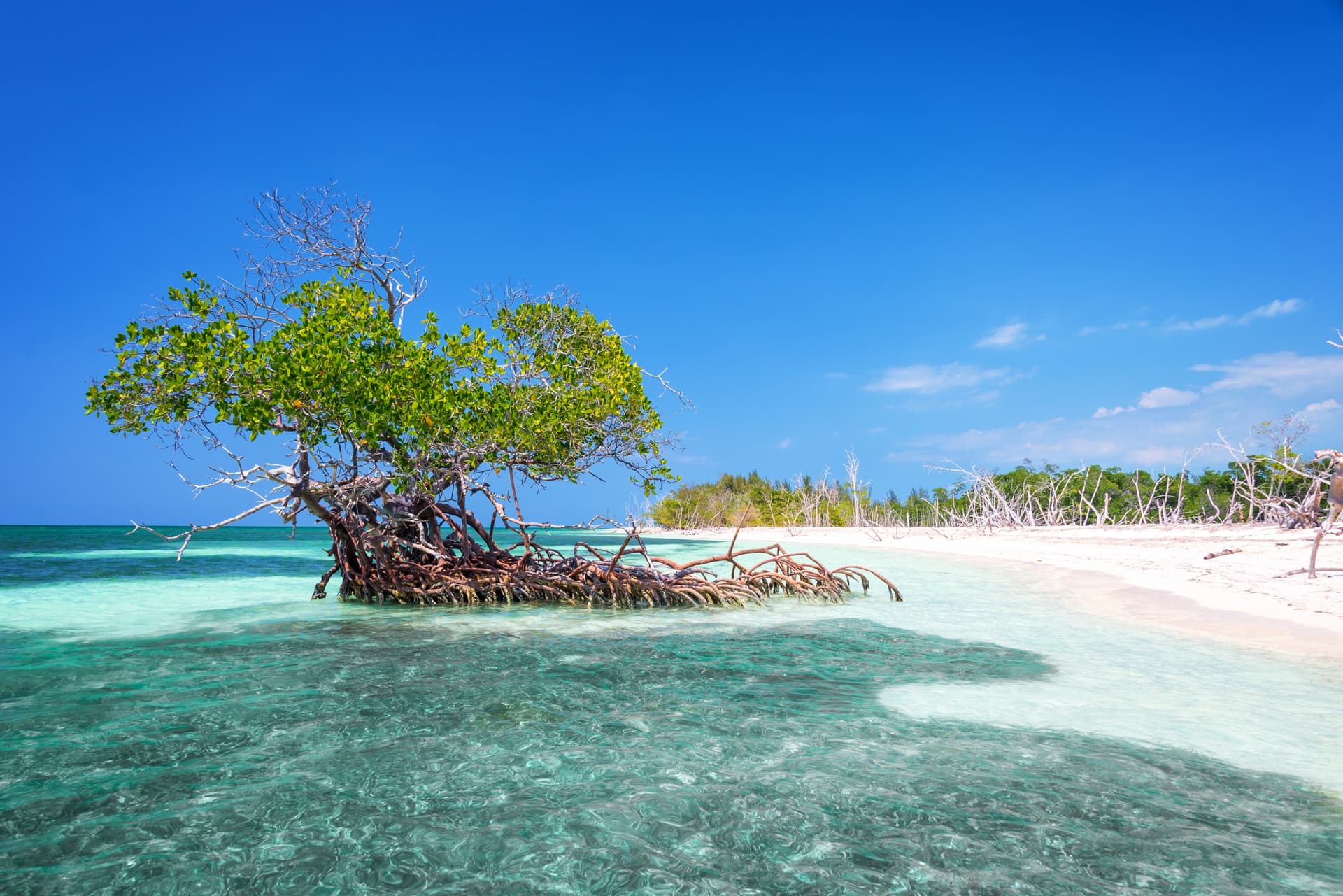
Further west, the province narrows into a strip of land terminating at the Guanahacabibes Peninsula, one of the last territories inhabited by the Guanahatabeyes Indians before Spanish arrival. The national park, a biosphere reserve, covers 39,900 hectares of dry karst forest, mangroves, and nesting beaches for green and loggerhead sea turtles from June to September. At its tip, María la Gorda is a diving site renowned for its drop-offs teeming with giant sea fans, tiger groupers, and schools of jacks. Visibility regularly exceeds 30 meters, and the absence of current makes dives accessible from Open Water level.
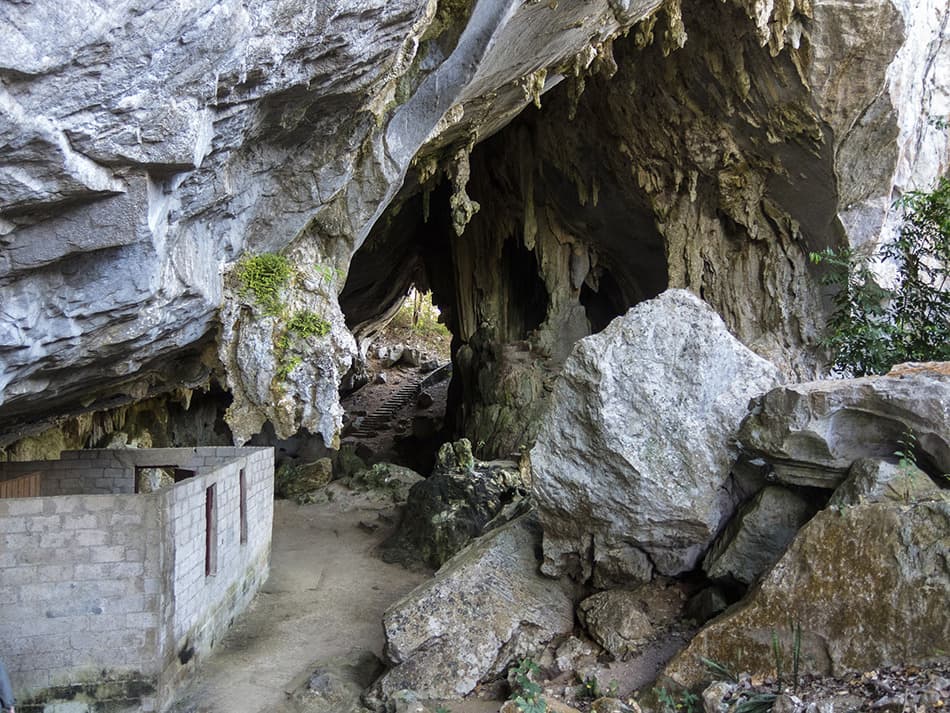
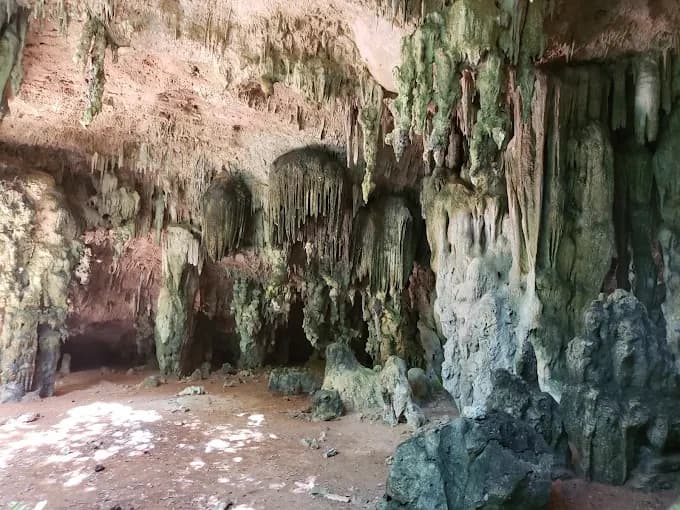
Pinar del Río, the provincial capital with 140,000 inhabitants, serves as a logistical hub but holds limited appeal: its Francisco Donatien cigar factories and provincial museum merit a half-day at most. The region's true interest unfolds beyond the cities, on dirt roads threading between fincas, in the Santo Tomás cave (Cuba's second-largest underground system with 46 kilometers of explored galleries), or along the trails of Viñales National Park, which our English-speaking local guides traverse on foot or horseback.
The West rewards a measured pace. Distances are modest, secondary roads are poorly maintained but rarely crowded, and lodging options rest almost entirely on casas particulares—private rooms in family homes that we select based on comfort and home-cooked meals. This is the Cuban region where you most often sleep in private houses and where you take time to chat with your hosts over coffee on the porch.
Must-see
Viñales Valley on horseback. Three to four hours of riding through tobacco plantations, with a stop at a finca for a cigar-rolling demonstration and tasting accompanied by honey and rum. Early morning is best, when mist still clings to the mogotes.
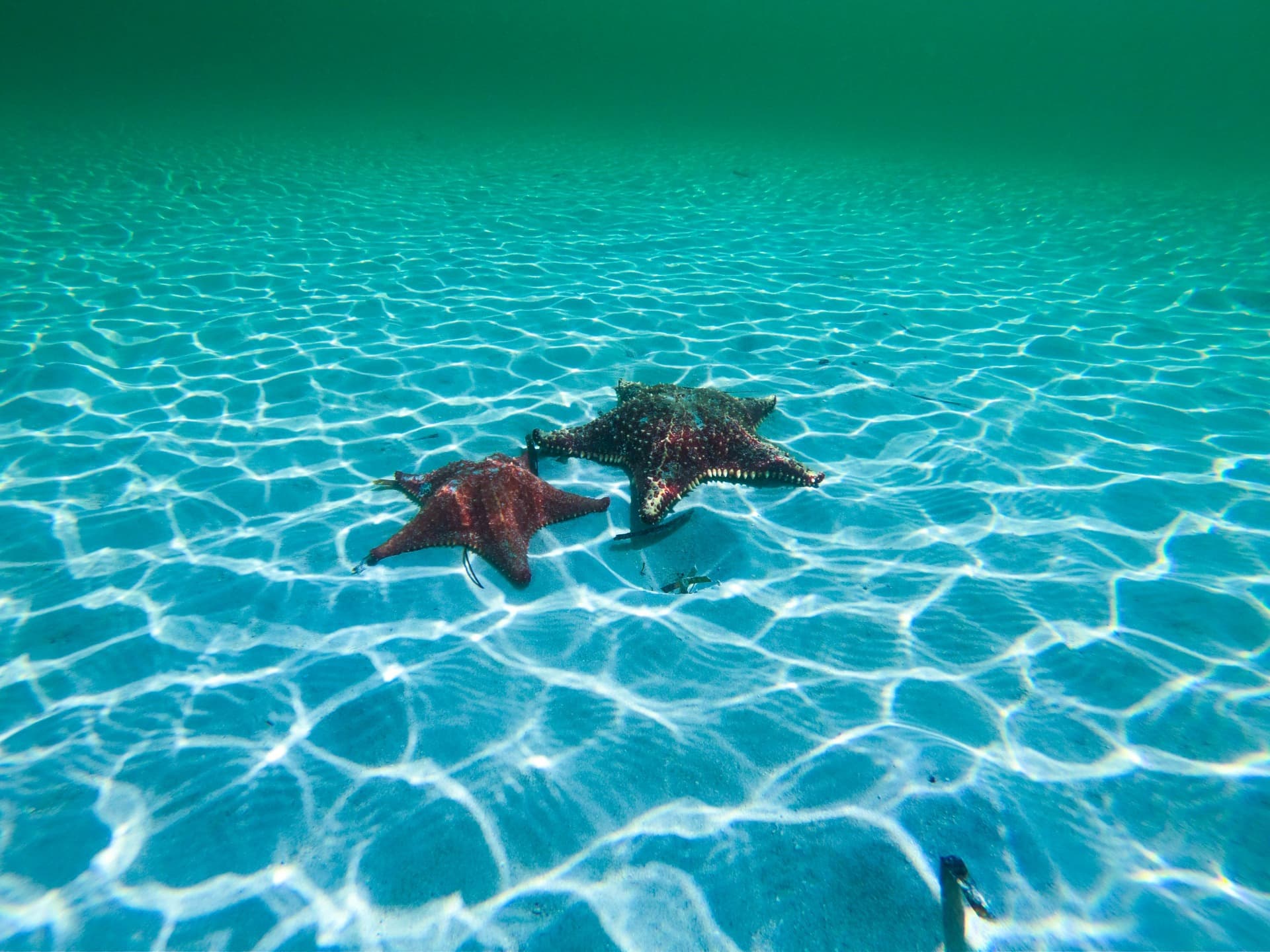
Diving at María la Gorda. Coral drop-offs beginning at 8 meters depth, 200 meters offshore. Around fifty marked sites, including El Salón de María, populated by black sea fans towering over 2 meters tall. Optimal conditions December through May.
Vuelta Abajo tobacco finca. Visit a family operation around San Luis or San Juan y Martínez, where wrapper leaves destined for Cohiba and Montecristo cigars are cultivated. Discussion on state quotas, sorting, and the six fermentation stages.
Santo Tomás Cave. A 1.5-hour guided tour through the upper galleries of Cuba's largest karst system, featuring stalagmites, pre-Columbian paintings, and bats. Helmet and headlamp provided, modest elevation change.
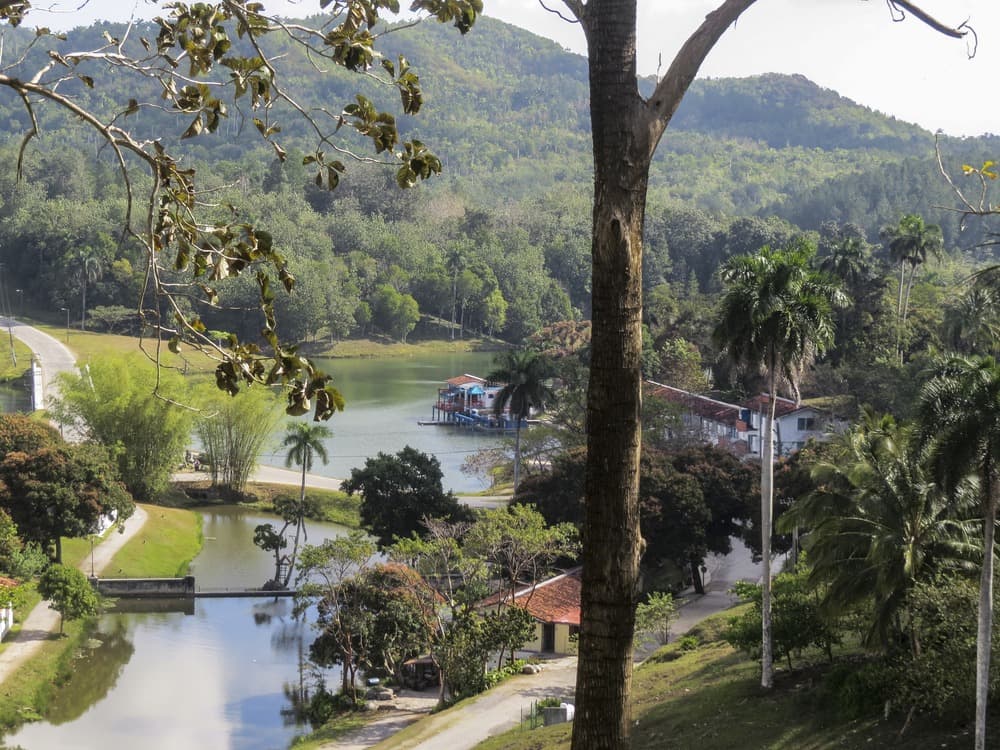
Sierra del Rosario and Las Terrazas. Biosphere reserve midway between Havana and Viñales, ideal for a night at the lakeside Moka lodge overlooking San Juan lake. Soroa waterfalls, coffee plantations, and an orchidarium showcasing 700 species.
When to go
The dry season runs from November through April: daytime temperatures ranging from 22 to 28°C, dropping to 16–18°C at night in January and February in Viñales Valley due to its modest elevation (around 150 meters). This is the period we unreservedly recommend, particularly for diving at María la Gorda where visibility peaks. Tobacco harvest spans January through March, adding special appeal to finca visits during these months.
From May through October, the wet season brings daily thundershowers in late afternoon, brief but intense (50 to 80 mm in a single hour is common in September). Temperatures climb to 32–34°C with high humidity. Hurricane season runs August through November, peaking in September and October: western Cuba, first exposed to systems crossing the Caribbean, may experience temporary closures of the Guanahacabibes Peninsula. We avoid scheduling this region between mid-August and mid-October.
Practical advice
Plan for at least 3 full days in the region: one day on the Sierra del Rosario traveling from Havana, two days around Viñales and surroundings. To include the Guanahacabibes Peninsula and diving at María la Gorda, add 2 to 3 extra days, as the route from Viñales requires 4 hours on deteriorated roads. Access is exclusively by road from Havana, with no operational regional airport for visitors.
The West combines naturally at the start or end of an itinerary with Havana, of which it is the immediate hinterland. The transition to Trinidad and Central Cuba works well if you return through Havana or allow for a long driving day (8 hours via the autopista). Comfort relies primarily on casas particulares we select, with a few charming small hotel options in Viñales and the Moka lodge at Las Terrazas. The region suits contemplative travelers, cigar enthusiasts, divers, and families with children from 7–8 years old who enjoy horseback rides. Hikers will find their footing in Viñales National Park and the Sierra del Rosario, though without the elevation gains found in the Sierra Maestra to the East.