Salsa in Cuba
A true institution in Cuba, salsa is both a musical style and a dance. From its origins to its cousin dances and how to practice it…
A true institution in Cuba, salsa is both a musical style and a dance. From its origins to its cousin dances and how to practice it… Here's everything you need to know about salsa, this famous Cuban dance that has captivated all of Latin America.
The Origins of Cuban Salsa
Before discussing the origins of Cuban salsa, it's worth clarifying its definition. Salsa literally means "sauce" in Spanish. It can also be translated as "charm" and "sensual" in popular Cuban language. Before it became a dance, it primarily referred to a musical genre: Latin American music.
The word salsa is said to have appeared for the first time with the title (Echale Salsita) by the famous Septeto of Ignacio Piñeiro in 1928. But it wasn't until 1973 that the term salsa was used to designate Latin music when Izzy Sanabria (illustrator of album covers for the Fania label) used it in the magazine Latin New York. Since then, the salsa musical style has continued to develop and gain recognition worldwide.
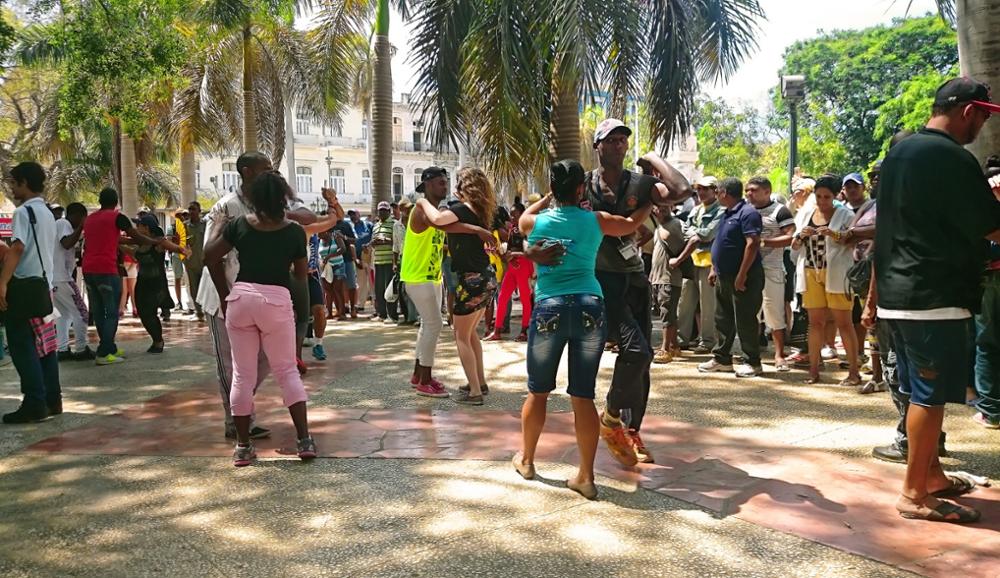
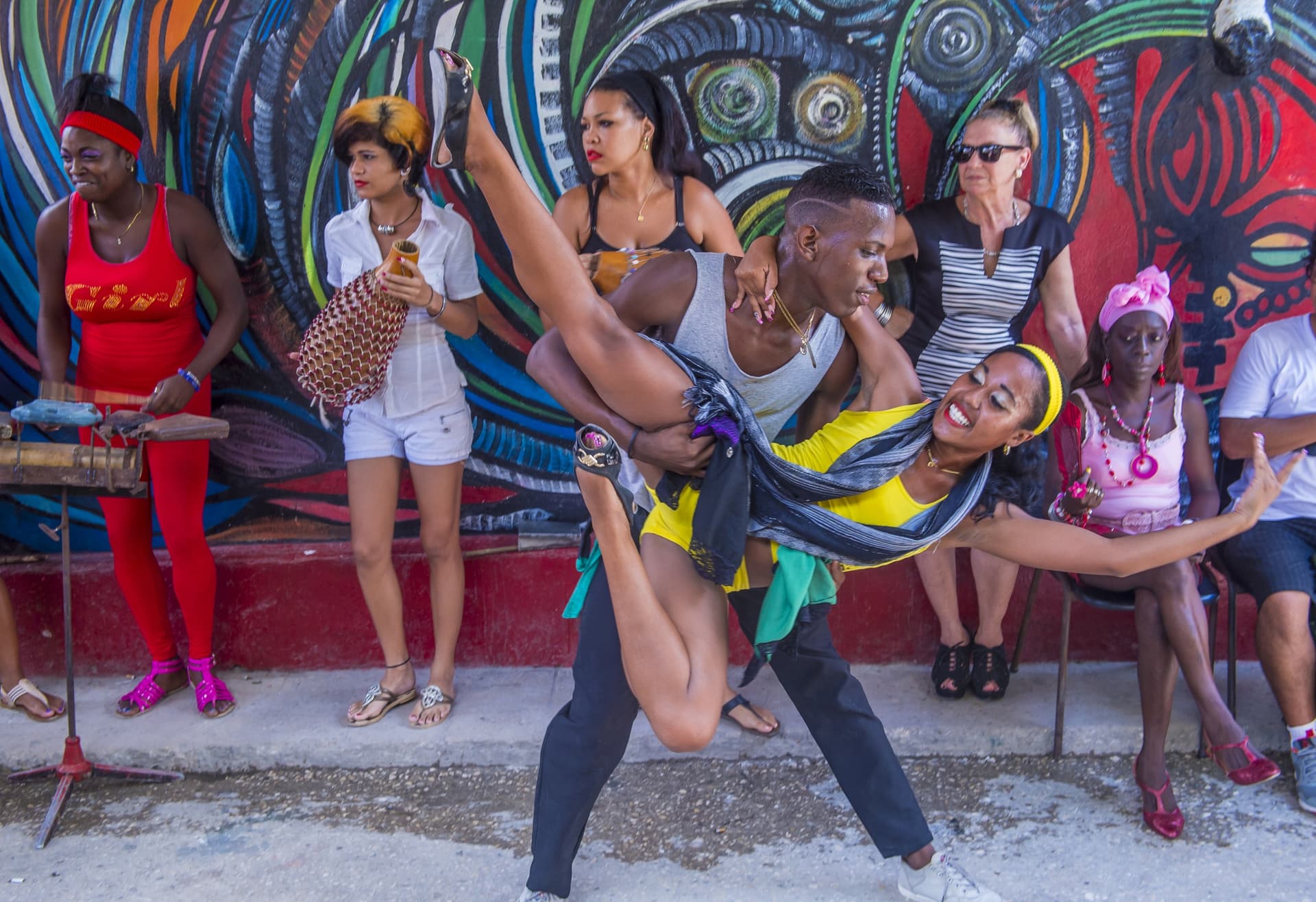
Although salsa as a dance draws inspiration from the Casino dance of the 1950s, it only became famous from the 1990s onwards. Salsa as we know it today is a blend of Latin American rhythms such as guaguancó, rumba, mambo, cha-cha-cha, bomba, plena… You'll also find various American and European rhythms like jazz, soul and blues. It is above all a street dance, popular and social, and its male and female dancers are called Salseros and Salseras.
Cuban Salsa in Practice
Cuban salsa differs from so-called Puerto Rican salsa. Puerto Rican salsa is inspired by the New York style. Derived from Mambo, it is danced in a line with numerous footwork variations. Cuban salsa, on the other hand, is more grounded. The moves are more refined and without footwork tricks, which allows dancing in smaller spaces. Rather than following a line, Cuban salsa is danced by couples in successive circles. It is a fast and energetic dance.
The basic principle of salsa steps is to alternate left and right steps (with the order reversed for each partner). There are also several salsa dance steps, the most famous being the L.A, the crossed step, the rumba step and the walking step.
Cuban salsa can also be danced in a group. In this case, it's called the Rueda. For this, dancers form a circle of couples; a leader is designated to announce the moves that all dancers must perform at the same time while regularly switching partners.
Frequently asked questions
Cuban salsa is more grounded, danced in successive circles for couples and favors refined moves without footwork tricks. Puerto Rican salsa, derived from mambo and inspired by the New York style, is danced in a line with many spectacular footwork variations.
The Rueda, or Rueda de Casino, is a form of Cuban salsa danced in a group. Couples form a circle and a designated leader announces figures that all dancers execute simultaneously, regularly switching partners throughout the dance.
The word 'salsa' is said to have first appeared in the title 'Echale Salsita' by the Septeto of Ignacio Piñeiro in 1928. However, it wasn't until 1973 that Izzy Sanabria used it in the magazine Latin New York to officially designate the Latin American musical genre.
Yes, Cuba is one of the best places in the world to learn salsa. Many dance schools, private homes and clubs offer courses for all levels, particularly in Havana and Santiago de Cuba, birthplaces of Cuban musical culture.
The best places to dance salsa in Cuba are the Casas de la Trova, found in many cities such as Santiago de Cuba and Trinidad. In Havana, clubs like La Tropical or La Casa de la Música are must-visit destinations to experience salsa in an authentic atmosphere.