What to Eat in Cuba? Culinary Specialties to Discover
You're about to set foot on the largest island of the Antilles and experience its tierra caliente! Why not take the opportunity to savor the culinary specialties of the Pearl of the Caribbean?
You're about to set foot on the largest island of the Antilles and experience its tierra caliente! Why not take the opportunity to savor the culinary specialties of the Pearl of the Caribbean? Often overshadowed by rum-based cocktails and Cuban beverages, traditional Cuban dishes truly deserve to be discovered and savored. Heavily marked by the colonial period, Cuban cuisine is also an unconventional way to discover the country's history! Wondering what to eat in Cuba? Here's a selection of the most popular dishes.
The ajiaco: Cuba's national dish
Let's begin this culinary journey with ajiaco, Cuba's national dish. Simmered on low heat in a sauce made from vegetables and root vegetables (cassava, sweet potato, etc.), this meat stew can be prepared with beef, pork, or chicken. In June, in the city of Camagüey, the "San Juan" festival begins with the tasting of this emblematic dish!
The yuca con mojo: a traditional cassava-based recipe
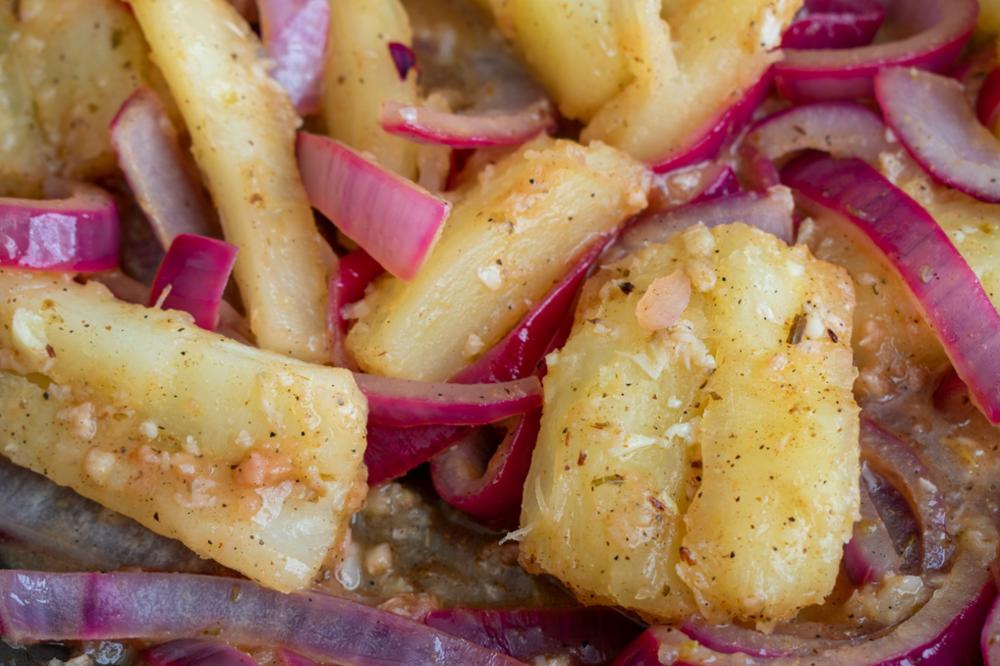
"Cassava with garlic sauce" is a side dish that was popularized by African slaves during Spanish colonization. This typical dish with multicultural origins is a marinade of cassava, garlic, lime, and onions, usually served with meat. Yuca is the most widely cultivated plant in Cuba and a standout product for special occasions.
El arroz con Pollo: the chicken and rice typical of Caribbean cuisine
"Chicken and rice" is very popular throughout the Caribbean. It's a spiced recipe made with chicken or vegetable broth, bay leaf, cumin, coriander, and saffron (sometimes replaced by annatto seeds or paprika, depending on the recipe). For a more robust flavor, sofrito is often added—a Cuban preparation made from garlic, peppers, and sweet peppers. The use of cumin and coriander is said to point to the Moors (North African Berber populations of antiquity) as the creators of this local specialty.
The Moros y Cristianos or congrí: a dish with historical flavors
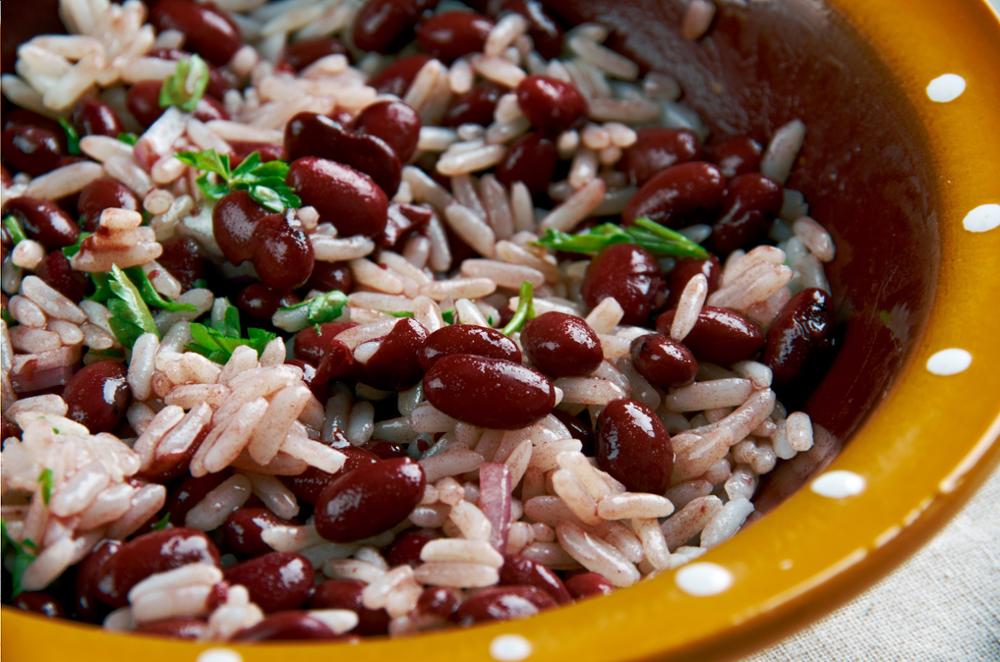
Moros y Cristianos is a dish found on the menu of every Cuban restaurant. This historically charged dish—whose name means "Moors and Christians"—references black beans (the Moors), white rice (the Christians), and the conflicts that once opposed these two populations! Also called Congrí, this slightly spiced recipe varies from city to city.
Crocodile meat: THE curiosity to eat in Cuba!
Typical of Cuban gastronomy, crocodile meat is rarely commercialized. To taste it, you'll need to head to Guamá, 165 kilometers south of Havana. With a texture similar to chicken, crocodile meat (only the tail is edible) is quite mild and always prepared in sauce.
Langoustine: a dish on the menu of state restaurants
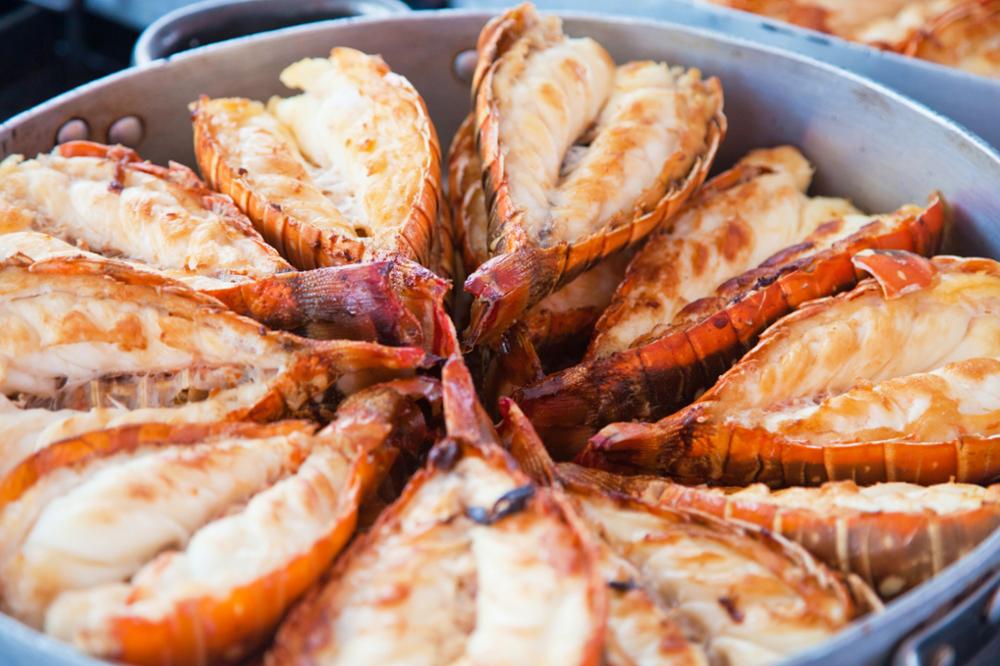
While seafood rarely appears on menus, langoustine is among Cuba's traditional dishes. Prepared in different ways, it can be spiced, grilled and accompanied by a slightly spicy tomato sauce or a simple squeeze of lime. It's worth noting that no paladar (private restaurant) offers langoustine on its menu. The reason? The Cuban state holds a monopoly on its fishing on the island… Most of the catch is destined for export, with the remainder reserved for state restaurants.
Cuban-style stuffed pineapple: a delectable specialty
"Cuban-style stuffed pineapple" is a preparation made with ground beef with garlic, ham, and sausage meat, all enhanced with a touch of sugar, butter, mustard, and lime juice… A "signature" dish much loved by travelers and local food enthusiasts!
Desserts: exotic fruits and cucurucho
Cuban desserts are quite rare. It's an opportunity to finish your meal on a light note, savoring freshly picked mangoes, guavas, or papayas! Do you prefer sweeter flavors? Discover cucurucho, which originates in Baracoa. It's a blend of whipped tropical fruits, served in coconut leaves.
Cuban beverages
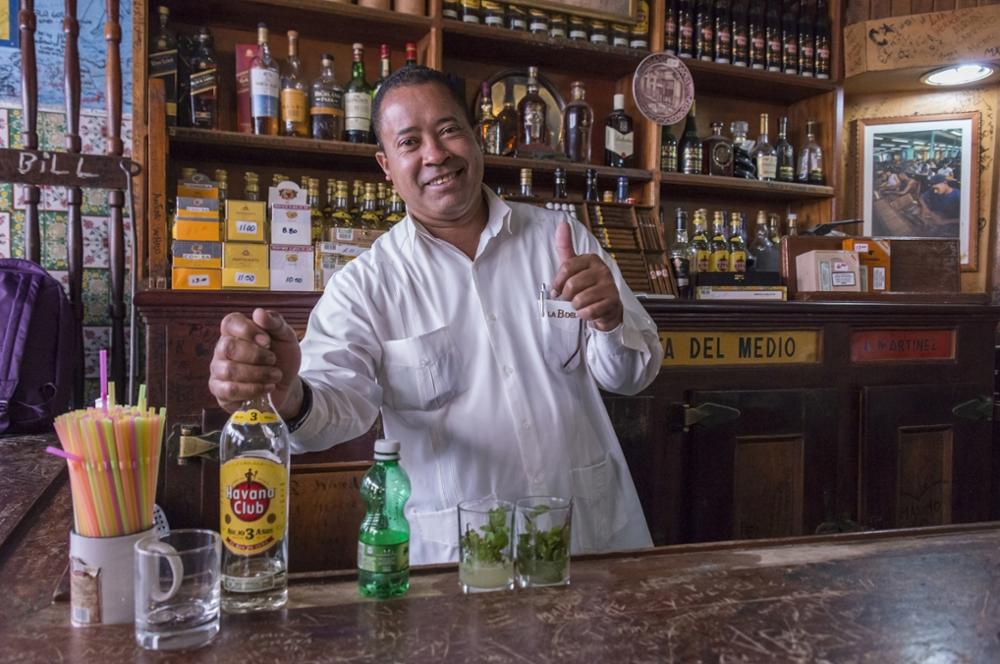
An iconic spirit of the island, rum is the star ingredient in the Cuban mojito. Want to taste it neat? Know that it should be served in a wide-bellied glass with a narrow neck—so its aromas stay concentrated! During your meals and culinary breaks, treat yourself to local beverages such as:
Guarapo: a very refreshing energy drink made from sugar cane juice;
Malta: a type of non-alcoholic beer, sweetened with molasses;
Aguardiente: traditional Cuban spirit, very strong and often served with honey.
Frequently asked questions
Cuba's national dish is ajiaco, a meat stew (beef, pork, or chicken) simmered on low heat with vegetables and root vegetables like cassava and sweet potato. It is celebrated each year at the 'San Juan' festival in Camagüey.
Yes, crocodile meat is a typical gastronomic curiosity in Cuba. Rarely commercialized, it is enjoyed mainly in Guamá, 165 kilometers south of Havana. Its texture is similar to chicken and it is always served in sauce.
Beyond the famous rum-based mojito, Cuba offers local beverages like guarapo (sugar cane juice), malta (sweet non-alcoholic molasses beer), and aguardiente (traditional spirit often served with honey).
The Cuban state holds a monopoly on langoustine fishing on the island. The majority of production is destined for export, and the remainder is reserved for state restaurants. Private paladares therefore do not have the right to offer it on their menus.
Cucurucho is a traditional dessert from Baracoa, in eastern Cuba. It is a blend of whipped tropical fruits, served in coconut leaves. It's one of the rare sweet treats in Cuban gastronomy.
Moros y Cristianos, which literally means 'Moors and Christians', is a dish made with white rice and black beans. Its name references the historical conflicts between Moors and Christians. This dish, also called Congrí, is found in every Cuban restaurant with variations depending on the city.