Discovering the mogotes of Viñales Valley in Cuba
Discovering the mogotes of Viñales Valley in Cuba is synonymous with adventure. Far more than a simple excursion into rocky landscapes and limestone hills,
Discovering the mogotes of Viñales Valley in Cuba is synonymous with adventure. Far more than a simple excursion into rocky landscapes and limestone hills, this UNESCO World Heritage site also offers countless outdoor activities. Eager to explore Cuba's mogotes – its caves and tobacco plantations? Follow us into the mountains of Sierra de los Órganos…
Discovering Cuba's limestone hills: what are mogotes?
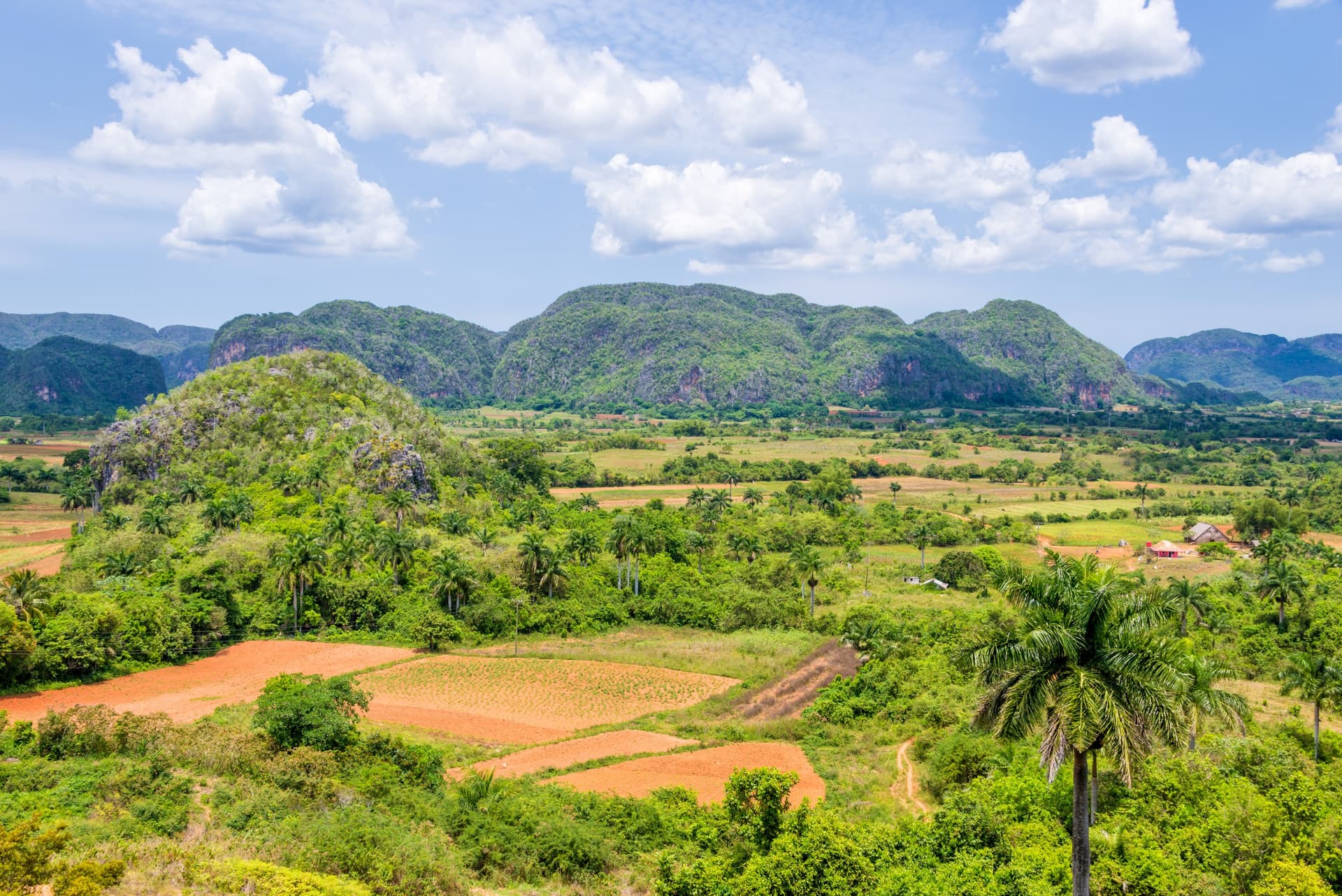
Mogotes are geological features typical of the Caribbean, found particularly on the island of Cuba, in the province of Pinar del Río. They are distinguished from other hills and ridges by their rounded, dome-like shape. These natural treasures are the result of tectonic movements and slow erosion caused by rainfall, waves, and wind.
These distinctive peaks dot and dominate the Viñales Valley, designated as a UNESCO World Heritage site – due to its « spectacular rocky outcrops » and « exceptional karst landscape »! Settled in the early nineteenth century for its fertile soil, Viñales is today renowned for its traditional agricultural techniques and tobacco cultivation (which contributed to the valley's UNESCO designation). Visiting the mogotes is also an opportunity to admire the lush vegetation, plantations, and fruit trees that color the valley!
Exploring the mogotes of Viñales Valley: what to see and do?
La Cueva del Indio
Some mogotes shelter caves, carved by erosion and underground rivers. Among them? « The Indian's Cave »! Discovered in 1920, this former dwelling of indigenous peoples dates from the pre-Columbian era. It features ancient rock paintings, magnificent rock formations (stalactites and stalagmites), and a lake – which can be crossed by boat. Tourist buses and taxis provide access to the site.
La Cueva de la vaca
Cueva de la vaca is one of the rare caves in the region with a passageway. Easily accessible, it promises an enjoyable trek between its rocky walls. The location (situated in the heart of the nature reserve) is inhabited by bats! Exiting the cave, you'll enjoy an exceptional panorama over the valley and its mogotes. A tip? Bring a flashlight for this short excursion.
The Mural de la Prehistoria
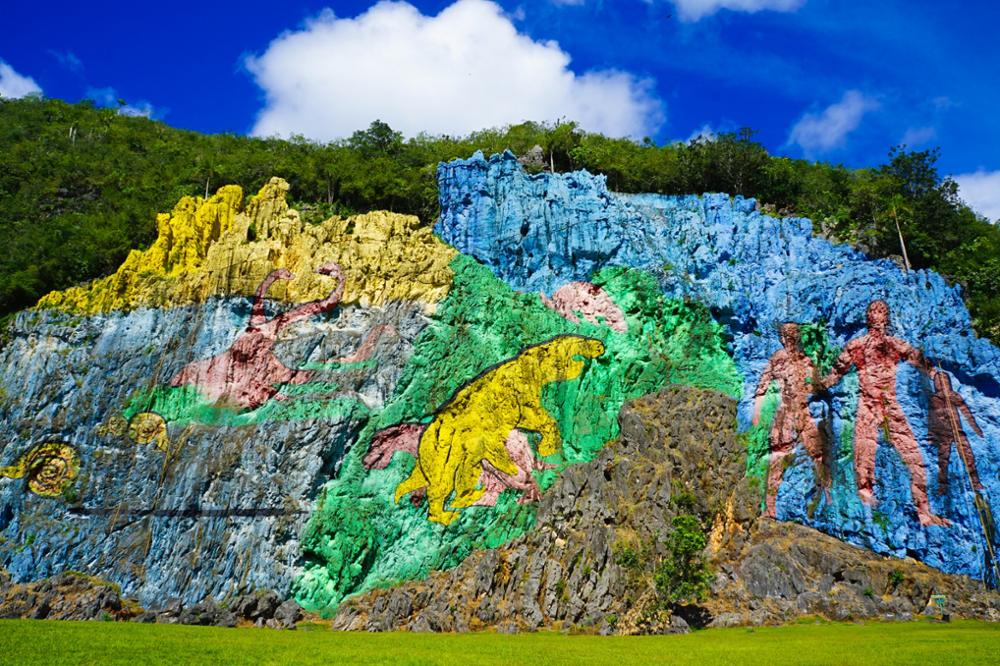
Stretching 120 meters in length, the « Prehistoric Mural » is one of the largest outdoor murals ever painted! Created at the behest of Fidel Castro in 1961 – and supervised by Mexican artist Leovigildo Gonzalez Morillo (a disciple of the renowned Diego Rivera) – it was completed over four years by about twenty artists.
Renovated in 1980, it displays mollusks, reptiles, and Homo sapiens in vibrant colors. This pictorial work can be admired on Mogote Dos Hermanas (mogote of the « Two Sisters »), located south of the Sierra de los Órganos.
Visiting these geomorphological treasures: how to explore Cuba's mogotes?
Viñales Valley can be explored in various ways. A hiking excursion will let you admire the various plantations (manioc, bananas, sugarcane, coffee, tobacco, etc.) and stop at a finca. You'll discover the production of the famous habanos, cigars considered among the finest in the world. The rocky landscapes of the mogotes offer countless other routes and scenery, which can be explored:
- trekking ;
- by bike ;
- on horseback or by carriage ;
- zip-lining (several local agencies offer this thrilling activity) ;
- rappelling (Cueva de Santo Tomas, which features 46 km of galleries and 8 levels, is highly favored by caving enthusiasts).
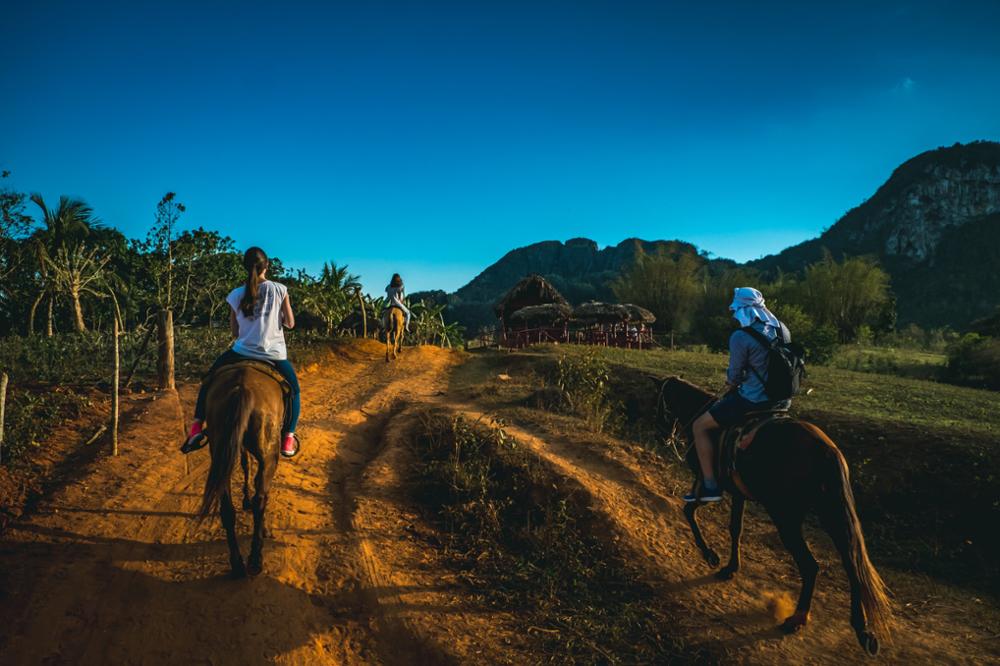
For an overview of the mogotes, don't miss Mirador de los Jazmines and its exceptional panorama over Viñales Valley!
Frequently asked questions
Viñales Valley is located approximately 180 km west of Havana, about 2.5 to 3 hours by road. You can reach Viñales by Viazul bus (regular departures from Havana's main bus station), by shared taxi (faster), or by rental car. It's feasible as a day trip, but a 2-day stay is recommended to fully enjoy the mogotes.
The best period to visit Viñales Valley is the dry season, from November to April. Temperatures are pleasant (around 25°C) and rainfall is rare. Avoid hurricane season (June to November), especially September to October, which can disrupt outdoor activities.
Visiting the valley itself is free and open. However, access to specific sites requires payment: Cueva del Indio (entry + boat ride) and Mural de la Prehistoria are subject to an entrance fee. Rates range from 5 to 10 CUC per person depending on the site. It's advisable to check locally as prices may change.
Viñales Valley offers numerous outdoor activities: trekking between the mogotes, hiking by bike or on horseback, zip-lining, rappelling in Cueva de Santo Tomas (46 km of galleries and 8 levels), cave exploration (Cueva del Indio, Cueva de la vaca), and visits to fincas to discover the making of Cuban cigars.
Mogotes are limestone geological formations with a rounded, dome-like shape, resulting from karst erosion over millions of years. Viñales Valley was designated as a UNESCO World Heritage site for its exceptional karst landscape, spectacular rocky outcrops, and traditional agricultural practices, particularly tobacco cultivation.