What to Do and See in Viñales?
Located in the western part of Cuba in the province of Pinar del Río, the sublime Viñales Valley is an essential stop on any trip to Cuba.
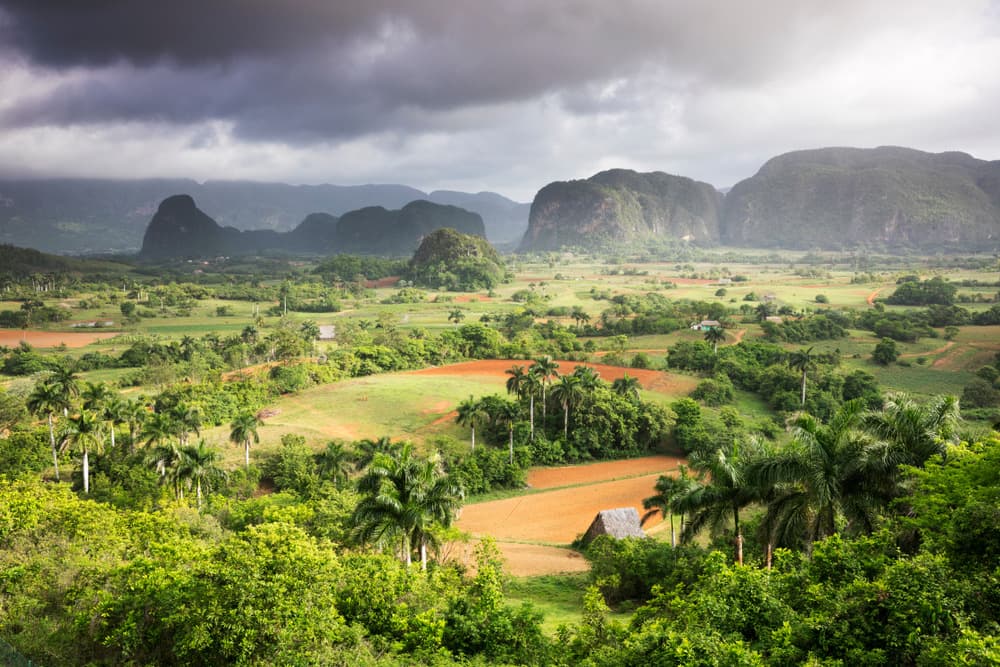
Located in the western part of Cuba in the province of Pinar del Río, the sublime Viñales Valley is an essential stop on any trip to Cuba. A UNESCO World Heritage site, it is renowned for its exceptional landscapes: from limestone hills to tobacco fields and other crops, traditional villages, and a charming town center. There's no doubt about it—the Viñales Valley holds many surprises!
The Famous Mogotes of Viñales
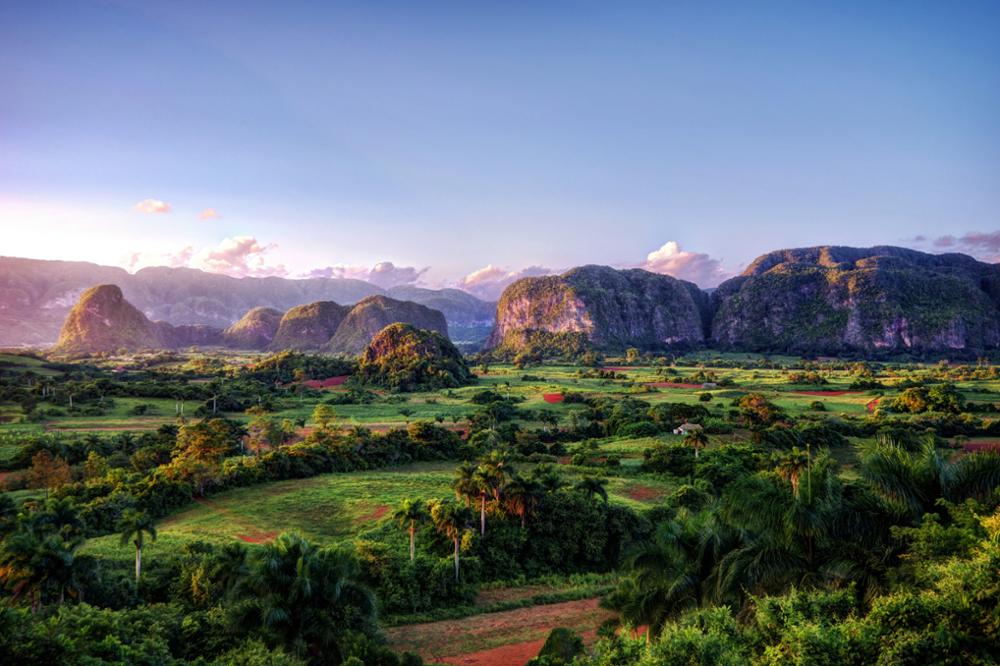
Iconic to the region, the mogotes of Viñales are limestone hills. Their formation is believed to result from slow erosion dating back to the Jurassic period. Ranging from 65 to 1,300 feet in height, the mogotes are mostly covered in vegetation and coral stone. At the foot of the mogotes, on vibrant red soil, you'll find a multitude of fields and plantations of various kinds: tobacco of course, but also fruit trees (guavas, mangoes, pineapples, bananas…), flowers and other crops such as cassava, cacao, yams and much more.
As you can see, the Viñales Valley is well worth the detour for its exceptional natural landscapes and its peaceful local life. That's why we recommend going on a hiking excursion to discover all its nuances. On foot, by bike or on horseback, most of the guided tours you'll find will offer you a glimpse of the main sites to discover in Viñales. The mogotes are also excellent terrain for rock climbing enthusiasts!
Tobacco Plantations of Viñales
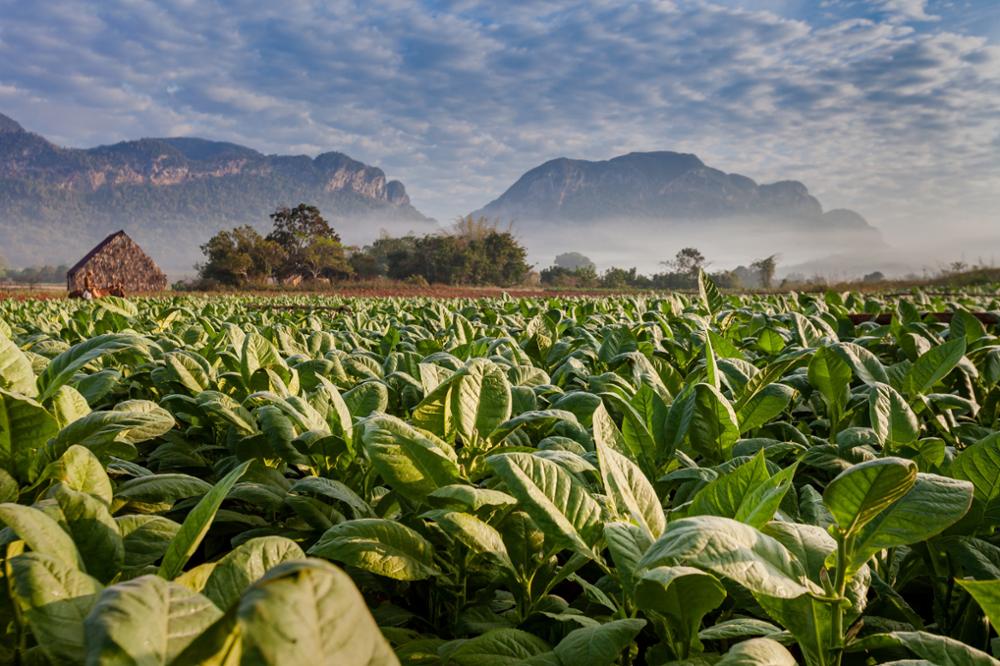
It's through the different mogotes that you discover the tobacco plantations. And if tobacco thrives here, it's thanks to the fertile properties of the red soil and the mild climate characteristic of the region. On these lands, tobacco is still cultivated in a traditional way: with plows or oxen! As you stroll through the Viñales Valley, you'll discover numerous tobacco houses where the harvested leaves are then dried. Throughout your walk, you'll encounter the 'guarijos', local farmers, going about their work. With a guide, you can meet them and learn all the stages of tobacco cultivation and the production of the famous Cuban cigar…
The Caves of Viñales
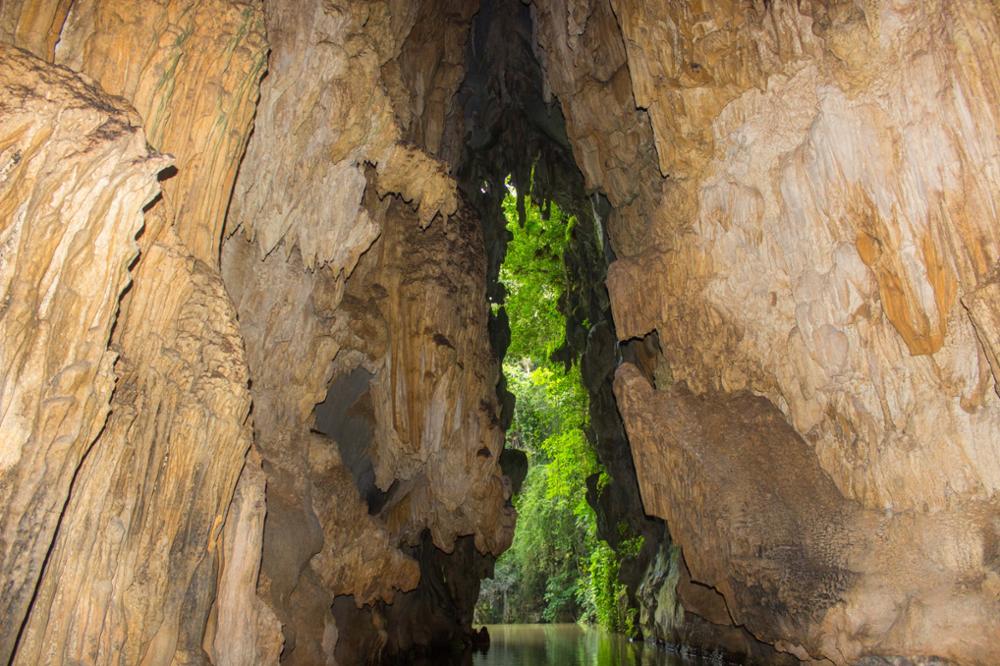
The mogotes of Viñales harbor thousands of caves that have been carved out by the phenomenon of underground erosion. As history has it, these caves served as refuge for indigenous tribes to escape Spanish massacres. Whether you're a history enthusiast, a speleology lover or simply curious, don't miss the visit to these vestiges of nature and Cuban history! Among the most popular and accessible caves in the Viñales Valley, we can mention the Cueva Santo Tomás network which comprises no fewer than 46 km of underground galleries (it's also Cuba's largest cave and the 2nd largest in Latin America) and Cueva del Indio.
Viñales Town Center
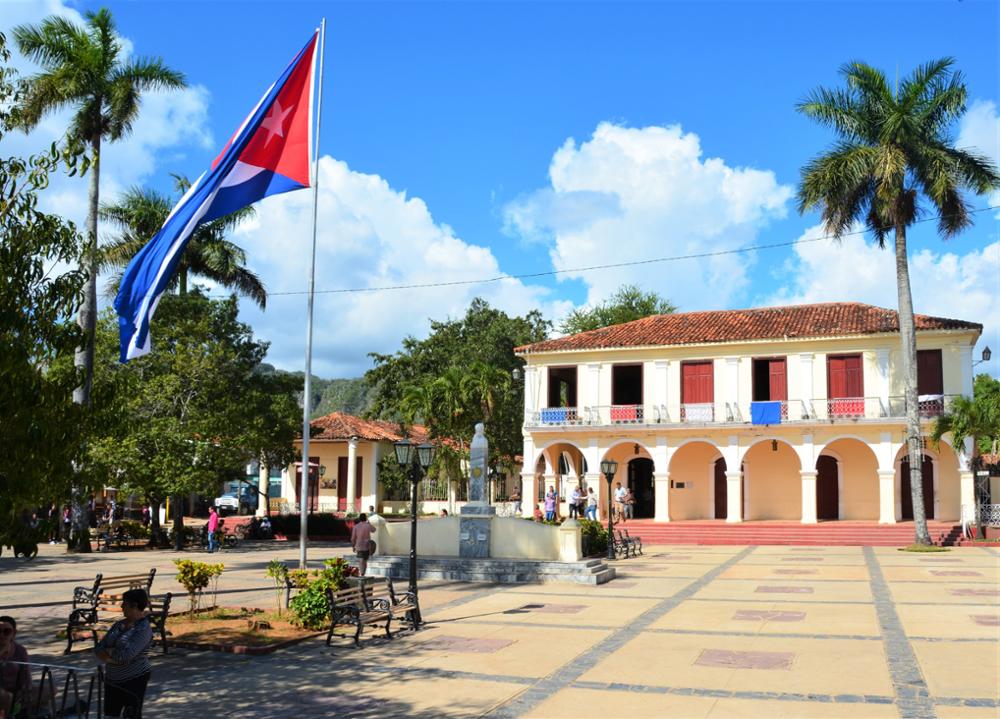
While most visitors come to the Viñales Valley mainly for its surrounding fields and plantations, the town center is still worth a visit. We love its charming colorful houses and wonderfully laid-back atmosphere! Don't miss the (free) visits to the Iglesia del Sagrado Corazon de Jesus and the highly appreciated Botanical Garden.
Frequently asked questions
Havana and Viñales are separated by approximately 112 miles. The most common way to get there is to take a Viazul bus from Havana's bus station (duration: approximately 3.5 hours). Shared taxis and private transfers are also available for more flexibility.
The best time to visit Viñales is between November and April, during the dry season. Temperatures are pleasant and rainfall is rare, ideal for enjoying hikes and excursions throughout the valley.
A minimum of 2 to 3 days is recommended to discover the main sites of the valley: the mogotes, tobacco plantations, caves and the town center. An additional day allows you to enjoy a hike or horseback excursion at a more leisurely pace.
The mogotes are imposing limestone hills, symbols of the Viñales Valley. Standing 65 to 1,300 feet high, they were formed by erosion since the Jurassic period and are covered in vegetation. They also shelter numerous caves and are prime terrain for rock climbing.
The two most accessible caves are Cueva Santo Tomás, Cuba's largest underground network with 46 km of galleries and the 2nd largest in Latin America, and Cueva del Indio, which notably allows for a boat excursion on an underground river.
Yes, hiking is one of the highlight activities in Viñales. You can explore the valley on foot, by bike or on horseback, ideally accompanied by a local guide who will show you the tobacco plantations, mogotes and traditional villages.