Internet in Cuba: How to Stay Connected?
Until recently, Cuba was one of the least connected countries in the world. While WiFi and 4G access represent the island's latest digital revolutions,
Until recently, Cuba was one of the least connected countries in the world. While WiFi and 4G access represent the island's latest digital revolutions, internet connectivity remains severely limited. Here's what you need to know about Cuba's current internet landscape and how to stay connected during your trip to Cuba...
One of the World's Least Connected Countries
Due to its economic and geopolitical situation with the American embargo, Cuba ranks among the world's least connected countries. To put it in perspective, it wasn't until 2008 that Cuban citizens were legally allowed to own their own computers. And it was only on July 29, 2019 that residents gained the ability to have WiFi access at home. Indeed, Cubans can now receive routers and establish private WiFi networks. To do so, they must legally register their equipment and connect to the signal from hotspots operated by the state's sole telecommunications company, Etecsa. Another development that emerged last year to democratize internet access in Cuba: the arrival of 4G! However, only a few cities currently benefit from it, such as Havana and Santa Clara.
Nevertheless, internet coverage remains very modest and limited across the country. On one hand, mobile package rates remain too high when compared to the average salaries of residents: expect to pay around $7 for 600 megabytes, $30 for 4 gigabytes, and approximately $15 minimum for home internet access! On the other hand, internet access continues to be subject to state control by the government, and the power and reliability of installations remains highly unequal!
How to Stay Connected During a Trip to Cuba?
For all the reasons mentioned above, don't be too demanding if you wish to connect to the internet during your trip to Cuba. To access the internet in Cuba, you have several options:
Stay in a hotel room or in a private house rental equipped with WiFi connection.
Purchase a prepaid card and head to one of the 1,400 WiFi access points scattered across the island.
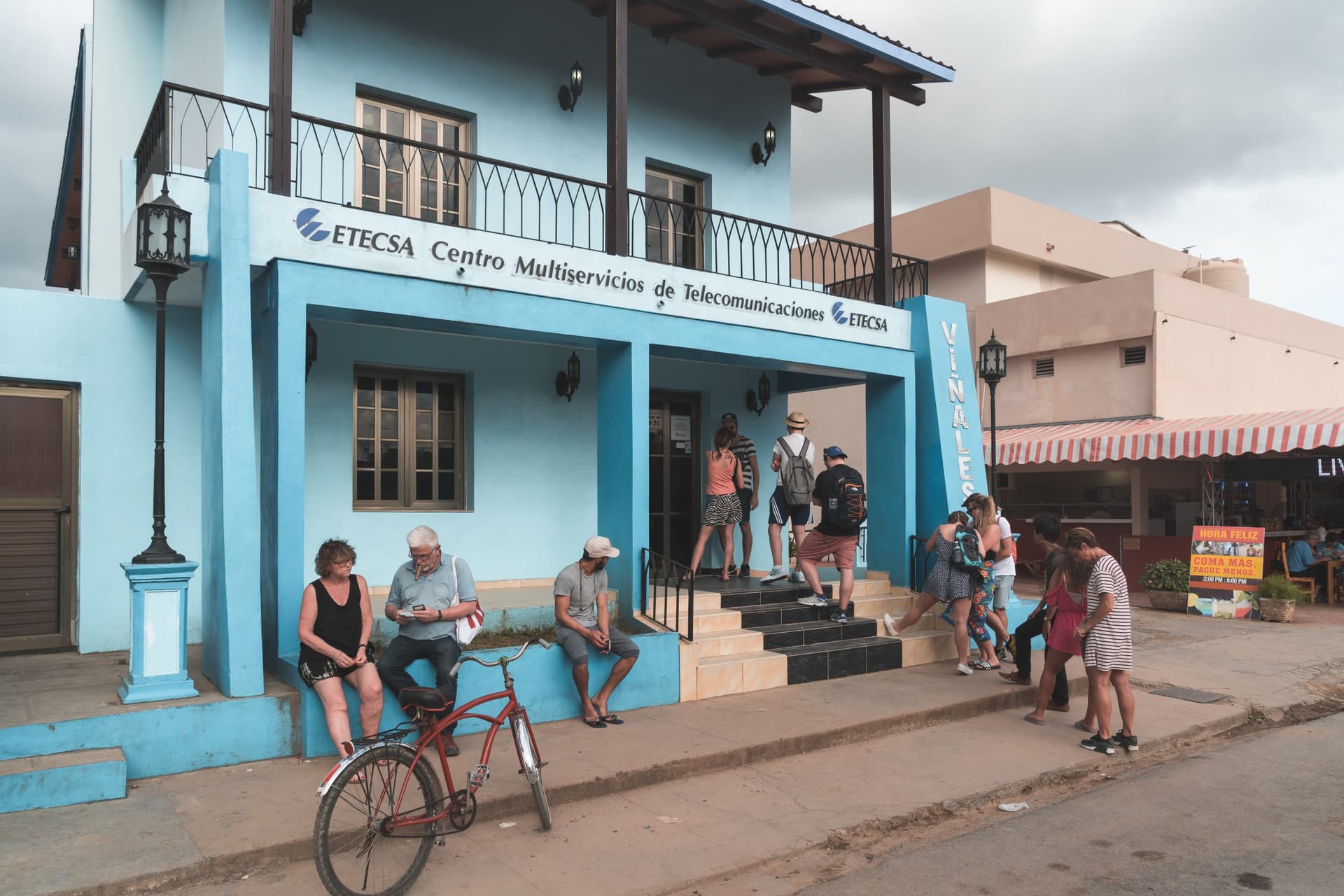
For this third and final option, you must buy a prepaid card at one of the Etecsa offices. You can choose between a one-hour connection card (around $1.50) and a five-hour connection card (more than $7). Arm yourself with patience—the queues outside Etecsa shops can be quite long. Also note that you cannot purchase more than 3 prepaid cards during your stay. This equates to a maximum of 15 hours of connectivity! One important detail: you must absolutely bring your passport when purchasing a card.
NOTE: If you travel to Cuba with your local agency Cuba Autrement, you'll receive a card upon arrival, provided by the agency. This means no need to queue outside the offices!
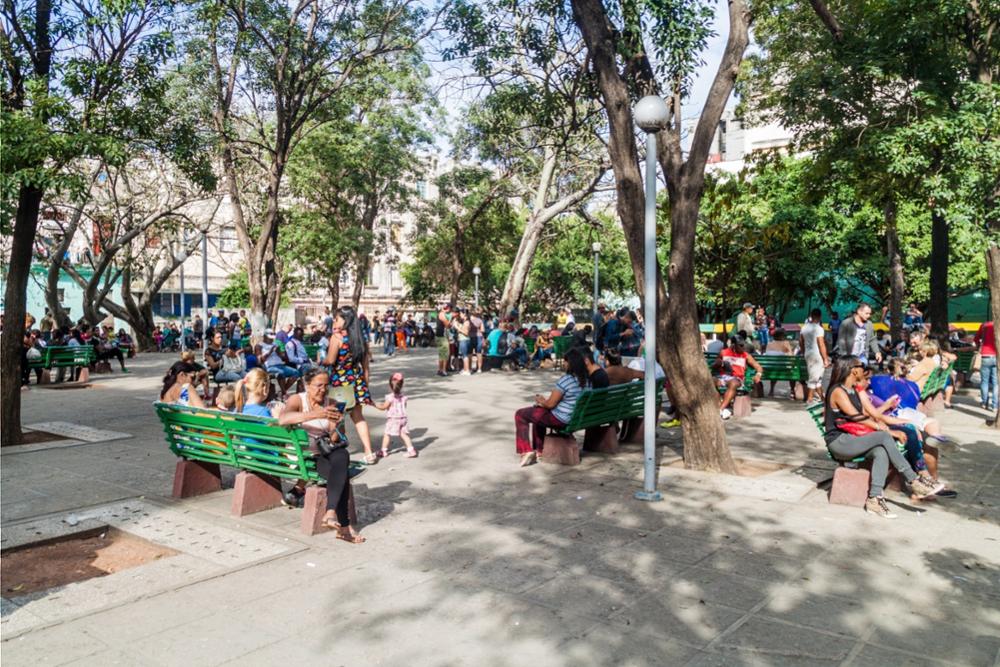
Once you have the famous card in hand, all that's left is to gently scratch it to reveal your login credentials and connect to one of the city's hotspots. Finding them won't be difficult: you'll simply follow where all the Cubans congregate with their smartphones in hand! This explains why the network is often saturated and why connection speeds are so slow. The connection remains adequate for sending messages and updates to loved ones back home, but don't expect to watch movies or upload files (images or videos) easily… Ultimately, why not take advantage of your trip to Cuba to completely disconnect from the rest of the world?
Frequently asked questions
Using a VPN in Cuba is technically possible but exists in a legal gray area. It's advisable to download and configure your VPN before departure, as access to certain VPN download sites may be blocked on the island. Check the latest regulatory developments before you travel.
An Etecsa prepaid card costs approximately $1.50 for 1 hour of connection and more than $7 for 5 hours. Keep in mind that you can only purchase a maximum of 3 prepaid cards per stay, which equals 15 hours of connection maximum. Your passport is required for purchase.
WiFi hotspots in Cuba are not free, but they are plentiful: more than 1,400 access points are distributed across the island. You'll spot them easily by observing groups of Cubans gathered with their smartphones in parks and public squares. Connection is only possible with an Etecsa prepaid card.
International roaming offers from French operators rarely work in Cuba or come with very high costs. It's generally advisable to disable your mobile data upon arrival and connect only through Etecsa WiFi hotspots to avoid an unexpected bill.
4G has existed in Cuba since 2019, but its coverage remains very limited. Only a few major cities like Havana and Santa Clara currently benefit from it. Connection is often unstable and the speed insufficient for streaming videos or downloading large files.