Health in Cuba: Hospitals, Medications, Mosquitoes, Drinking Water
Cuba captivates as much through its landscapes as through the reputation of its healthcare system, considered one of the most effective in the world. Between preventive medicine, accessible care, and infrastructure tailored to travelers, the island offers a reassuring medical environment.
Cuba captivates as much through its landscapes as through the reputation of its healthcare system, considered one of the most effective in the world. Between preventive medicine, accessible care, and infrastructure tailored to travelers, the island offers a reassuring medical environment. However, a few precautions remain essential to avoid inconveniences and travel with peace of mind.
Healthcare in Cuba: A Unique Preventive Model
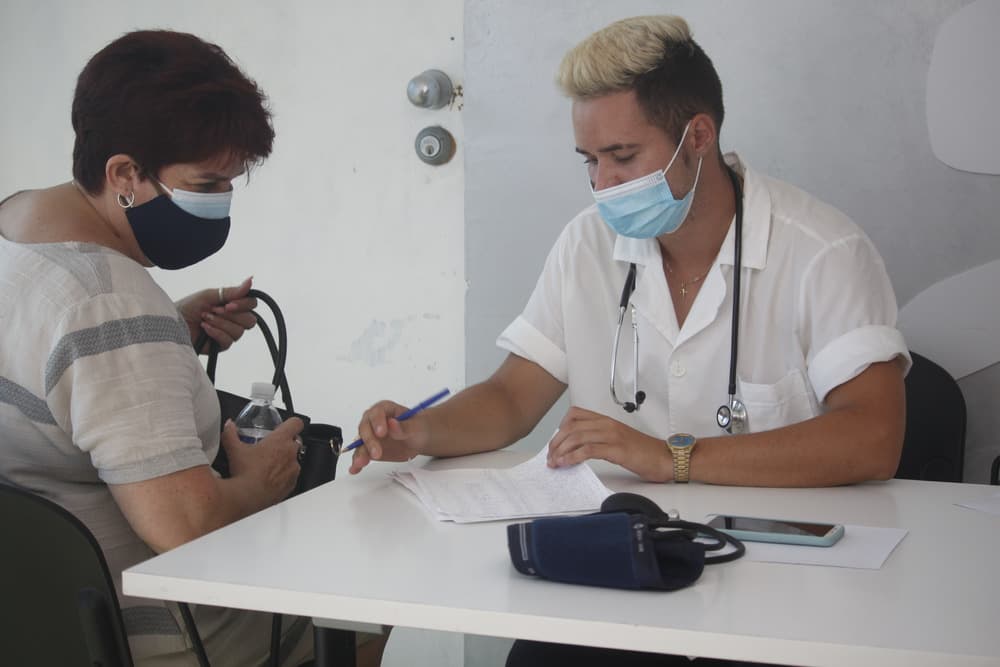
Cuba's healthcare system, universal and free, is recognized worldwide for its performance, despite limited resources and the impact of decades of economic sanctions. Since 1959, Cuba has invested in preventive medicine and the "family doctor" principle, with an exceptional medical network: approximately nine practitioners per thousand inhabitants, often stationed at the heart of the communities they serve.
This proximity enables personalized and effective follow-up, illustrated by large-scale programs such as the eradication of mosquito-borne diseases and enhanced maternal and child health monitoring. Thanks to this organization, the country boasts indicators comparable to those of developed nations and serves as a model for many countries, including some of the wealthiest.
Furthermore, Cuba has been deploying medical missions internationally for over fifty years, treating patients and training professionals while making this expertise a major source of revenue.
A Healthcare System with Recognition but a Two-Tier Structure
Cuba is renowned for the competence of its healthcare professionals and its dense network of medical facilities. Every city has at least one health center or public hospital, and the country relies on a strong pharmaceutical industry, particularly in immunology. However, for travelers, access to care almost always goes through specific facilities reserved for foreigners, better equipped and staffed with English-speaking doctors.
Facilities Reserved for Travelers
In Havana, for example, only two hospitals meet the standards required for foreigners: Clinica Central Cira Garcia and Cimeq. International clinics are also found in all major cities and beach resorts, as well as in some all-inclusive hotels in Jardines del Rey, such as Cayo Coco. These facilities often belong to the SMC (Servicios Médicos Cubanos) network, also called Clínicas del Sol, or to the Servimed network, which has over 40 centers across the island. Hotels can direct their guests to these establishments, and walk-in consultations are possible.
Quality of Care and System Limitations
Care provided in these international clinics is generally of good quality and comparable to that in more developed countries. However, equipment and certain medications may be unavailable due to supply difficulties. Travelers are therefore encouraged to bring their usual treatments and certain supplies, including hygiene products, often unavailable locally.
Costs to Anticipate
For foreigners, healthcare is not free. Consultations, hospitalizations, or procedures can represent significant costs, especially in cases of emergency or prolonged stays. Although rates remain reasonable for certain procedures, specialized services or medical evacuations are expensive. In most cases, you must pay on-site, preferably in cash, then request reimbursement from your insurance.
Medical Insurance: A Legal Requirement
For several years, Cuban authorities have required all travelers to have medical insurance covering healthcare expenses and repatriation. Without proof of coverage, entry to the country may be refused or you will be required to purchase a local policy (Asistur). This insurance must include consultations, hospitalization, surgery, medical evacuation, and health repatriation. International payment cards, such as Visa or MasterCard, can provide an online certificate, but it is essential to verify conditions, exclusions, and reimbursement limits before departure.
Emergency Medical Services
Emergency care is available in most tourist areas and hotels, but ambulance response times can be lengthy, especially outside major cities. Public hospitals handle emergencies for foreigners only as a last resort, with Cuban citizens remaining a priority. In case of serious problems, a transfer to a country with more advanced medical facilities may be necessary, which fully justifies purchasing insurance that covers medical evacuation.
Medications and Pharmacy
In Cuba, medication supplies are severely limited and stockouts are frequent, including for common treatments such as antibiotics, pain relievers, and medications for hypertension and diabetes. Even pharmacies intended for foreigners, such as those in the Servimed network, do not guarantee product availability.
It is therefore strongly recommended to travel with a well-stocked personal medical kit containing your usual treatments in sufficient quantity for the entire stay, as well as basic medications (pain relievers, fever reducers, antibiotics, anti-diarrheal agents), first-aid supplies (disinfectant, bandages, gauze), and sun protection.
All medications must remain in their original packaging and be accompanied by prescriptions, preferably with the generic name, to avoid any customs issues. A medical certificate is required if your treatment contains regulated substances, such as opium or its derivatives, or if you need to transport syringes and needles. Finally, it is recommended to bring certain products difficult to find locally, such as condoms or a backup pair of glasses, to avoid any surprises.
Vaccines and Medical Achievements
No vaccines are required to enter Cuba, but it is strongly advised to ensure your vaccination schedule is up to date, particularly for so-called "universal" vaccines: diphtheria, tetanus, poliomyelitis, pertussis, hepatitis B, and measles. Hepatitis A vaccination is also recommended for all travelers, and typhoid vaccination for those planning to stay in areas with poor sanitation or in rustic conditions.
For prolonged stays or in isolation, preventive rabies vaccination may be considered, particularly for children. Yellow fever is absent from the territory. As in the rest of the Caribbean, sandy beaches frequented by dogs can transmit larva migrans, a benign but bothersome skin condition.
It is worth noting that Cuba is at the forefront of certain medical research, with exclusive treatments for vitiligo and psoriasis based on human placenta, an innovative medication for treating diabetic foot wounds, and a vaccine designed to slow the progression of lung cancer.
Prevention Against Mosquito-Borne Diseases
In Cuba, the tropical climate favors the presence of mosquitoes, particularly Aedes aegypti, which transmits dengue, chikungunya, and Zika virus. Malaria is absent, but these diseases, for which no preventive treatment exists, require particular vigilance.
Prevention relies on simple measures:
- Wear long, light clothing, especially at dawn and dusk
- Regularly apply effective insect repellent to exposed areas
- Sleep under an insecticide-treated mosquito net or in air-conditioned accommodations
- Avoid areas of stagnant water
- Use anti-insect devices (coils, sprays)
Cuban authorities regularly conduct mosquito control campaigns, but it is advisable to avoid treated areas during fumigation, especially if you have respiratory issues.
Additionally, on certain beaches, such as Maria la Gorda or Ancón, sand flies (jejenes), most active in the morning and late afternoon, can cause severe itching. Using repellent and wearing protective clothing helps minimize these inconveniences.
Food Hygiene and Precautions
Cuba is generally a safe destination from a health perspective, but a few simple precautions can prevent inconveniences and digestive upset. Tap water is not considered safe for visitors: it is preferable to drink only bottled water with sealed caps, avoid ice cubes whose source is not guaranteed, and avoid beverages or food prepared with untreated water.
Fruits and vegetables must be peeled, carefully washed in treated water, or consumed cooked. It is essential that meat is well cooked and served hot. The consumption of certain coral reef fish (barracuda, grouper, moray eel, jack) is prohibited due to the risk of ciguatera, a foodborne illness common in the Caribbean. Lobsters and shellfish, on the other hand, are safe, as are industrial dairy products. It is advisable to avoid raw foods or cold-served cooked dishes, as well as ice cream and sorbets of uncertain origin.
To make the most of your stay, pay attention to food freshness, stay well hydrated, protect yourself from the sun, and maintain good hygiene habits for both personal and food-related matters. Finally, in rural areas or small towns, hygiene standards are essential: wash your hands regularly with soap and water or use an alcohol-based sanitizer.