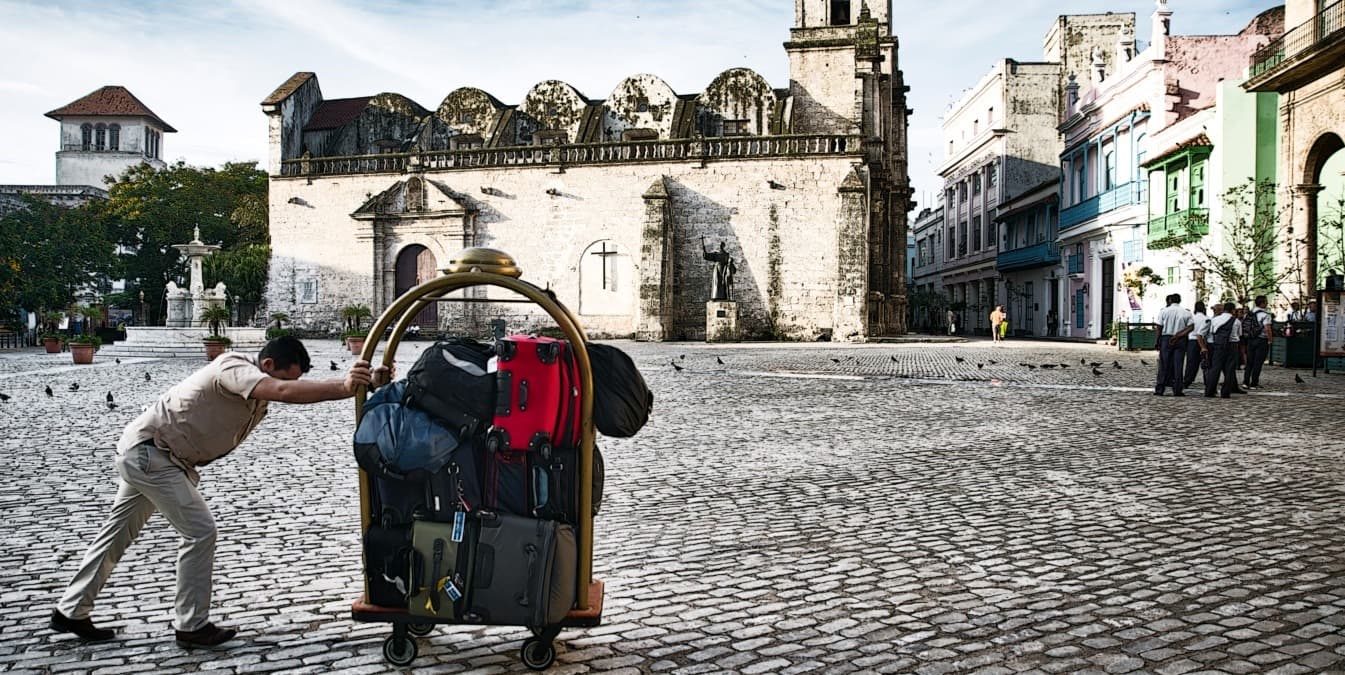
Packing Smart for Your Trip
Packing for a Cuba getaway requires thoughtful planning to travel light while bringing everything you need. Between tropical climate, abundant sunshine, lively evenings and cultural exploration, here's everything you should know to avoid forgetting anything.
Packing for a Cuba getaway requires thoughtful planning to travel light while bringing everything you need. Between tropical climate, abundant sunshine, lively evenings and cultural exploration, here's everything you should know to avoid forgetting anything.
Understanding Cuba's Climate
Cuba enjoys a tropical climate marked by two distinct seasons. From November to April, the dry season offers generally sunny weather, low humidity, and pleasant temperatures. From May to October, the humid season brings more intense heat, a muggy atmosphere, and brief but often very heavy showers, especially toward the end of the day.
Temperatures remain high year-round, hovering around 22°C in winter and reaching an average of 30°C in summer. February is the "coolest" month, with temperatures between 19 and 30°C. Note that between June and November, the island can be affected by hurricanes—a risk worth keeping in mind when planning your trip.
Clothing Essentials
To travel comfortably in Cuba's tropical climate, prioritize lightweight, breathable fabrics that are easy to launder, such as cotton or linen. Since temperatures remain high year-round, these natural materials allow your skin to breathe better.
During the day, opt for t-shirts, lightweight shirts or blouses paired with shorts, bermudas, skirts, or light dresses. Pack at least one pair of pants or jeans, useful for certain excursions or cooler evenings. Long dresses or flowing trousers are also practical for sun protection.
For evening outings, especially if you plan to dance salsa or dine at a restaurant, bring one or two elegant outfits. In air-conditioned hotels or during Cuba's winter months, a lightweight sweater, cardigan, or shawl may be essential.
For the beach, add a swimsuit, sarong, or beach towel to your bag. A UV-protective shirt is a smart choice, particularly if you spend extended time in the water.
A few other versatile pieces will serve you well: a rain cape for sudden showers, lightweight long-sleeved shirts (breathable for sun protection, thicker ones to minimize mosquito bites), plus underwear, socks, pajamas, or a nightgown.
Footwear and Accessories
To make the most of your Cuba stay, choose shoes suited to each activity. Lightweight sneakers or comfortable walking shoes are ideal for sightseeing and hiking, including the cobblestone streets of colonial towns. Pack sandals or open-toed shoes too, practical on hot days or when crossing wet areas, and flip-flops for the beach. Specialized water shoes can also prevent irritation and itching on sandy surfaces.
As for accessories, never leave without solid sun protection: a hat or cap, high-index sunglasses, and optionally a scarf or sarong. For water activities, bring a beach towel, a dedicated bag for your belongings, plus a snorkel mask if you plan to snorkel. A small backpack will be handy for excursions, while a lightweight umbrella or rain jacket can shield you from showers. Finally, consider simple but useful items like a belt, watch, or other personal accessories to enhance your daily comfort.
Toiletries Kit
In Cuba, many hygiene products are imported and can be costly or hard to find, especially in rural areas. To avoid surprises, pack a complete toiletries bag with your essentials:
- Toothbrush
- Toothpaste
- Hairbrush
- Body wash
- Shampoo
- Deodorant
- Nail clippers
- Cotton swabs
- Razors
- Makeup or perfume
Add a lip balm, moisturizer, and after-sun lotion to protect and repair sun-exposed skin. Include handy accessories like tissues or backup toilet paper, wet wipes, a tweezers, and a travel hair dryer. Hand sanitizer will be invaluable when you can't wash your hands easily, as will a small laundry kit for washing underwear by hand during your stay.
First Aid Kit
Local pharmacies often have limited stock, so it's wise to bring a well-stocked medical kit. Include your regular medications with prescriptions, plus pain relievers, anti-inflammatories, antihistamines, and a broad-spectrum antibiotic if recommended by your doctor. Don't forget the essentials:
- Assorted adhesive bandages
- Antiseptic spray or cream
- Itch-relief ointment for insect bites
- Tropical-formula insect repellent
- Condoms or feminine hygiene products
- Earplugs
High-index sunscreen (SPF 50 recommended) is non-negotiable. Hikers may want to add a venom extractor, water purification tablets, or a portable water filter. Bring spare glasses or contact lenses with solution, plus a reusable water bottle for excursions.
Practical Tips
For a Cuba trip, pack both essential documents and a few practical accessories. Ensure you have a valid passport, your properly completed tourist card (e-visa), travel insurance documentation, and your driver's license if needed. Include photocopies or digital versions of all these documents, plus useful numbers (consulate, insurance, bank fraud hotline, emergency contacts). A travel guide, country map, or pocket French-Spanish dictionary can facilitate your navigation and conversations.
For payments, rely on your debit card for withdrawals, but also bring small bills and well-preserved notes for tips and everyday purchases, especially outside major cities. Pack an electrical adapter compatible with local current (110V, flat pins), your chargers, and perhaps an external battery for your devices. A camera or smartphone with good storage capacity, multiple memory cards, and to prepare for potential power outages, a flashlight or headlamp will prove useful.