Electricity
Preparing a trip to Cuba involves more than just booking flights and packing your suitcase. It's equally important to consider the compatibility of your electrical devices. With varying outlet types and specific voltage considerations, it's best to be prepared to avoid unpleasant surprises once you arrive.
Preparing a trip to Cuba involves more than just booking flights and packing your suitcase. It's equally important to consider the compatibility of your electrical devices. With varying outlet types and specific voltage considerations, it's best to be prepared to avoid unpleasant surprises once you arrive.
Electrical outlets in Cuba
Cuba's electrical network features a diversity of formats that may surprise travelers. You'll primarily find several different types of electrical outlets:
- Type A: two parallel flat pins without grounding (100 to 127 V, 15 A). This is the standard model in the United States, Canada, Mexico, Central America, China, and Japan.
- Type B: two parallel flat pins and a round grounding pin (100 to 127 V, 15 A). Type A plugs can be inserted into these outlets.
- Type C: two round pins, the European standard (220 to 240 V, 2.5 A), also compatible with types E and F.
- Type L: three round pins in a line, of Italian origin (220 to 240 V, 10 or 16 A), compatible with certain type C pins.
Voltage and frequency in Cuba
Cuba's electrical network operates primarily at 110 volts with a frequency of 60 hertz, which corresponds to the North American standard. However, in many hotels, particularly those catering to international guests, you'll also find 220-volt outlets, sometimes in guest rooms and often in bathrooms.
The coexistence of these two voltages within the same building is common. It is therefore essential to check the voltage indicated on each outlet before plugging in a device. Incompatibility can damage your equipment: a device designed solely for 110 V risks burning out on a 220 V outlet, while an appliance designed for 220 V won't function properly on 110 V.
In casas particulares (private rentals), 220 V is increasingly common. Fortunately, most modern phone chargers, computers, and camera chargers accept a voltage range from 100 V to 240 V. You can confirm this by checking the specifications printed on your charger.
Adapter or converter?
To use your devices, an adapter is almost always necessary, as it simply allows you to adapt the plug shape to the wall outlet without modifying the voltage. If your equipment is not compatible with 110 V, you'll need a converter or transformer to adjust the voltage and prevent any risk of damage, particularly for high-power appliances. This mainly applies to hair dryers or certain razors, typically designed to operate only at 220–230 V.
Before departing, it's important to check the label on your devices: if it states "Input 100–240V, 50/60Hz," a simple adapter will suffice. Most modern phones, computers, and cameras are designed to operate at multiple voltages, which makes them easy to use abroad.
When in doubt, it's better not to plug in a device and opt for an appropriate converter instead. Traveling with a universal adapter remains the most practical solution to avoid any nasty surprises and ensure your equipment functions correctly throughout your stay.
Practical tips
During your trip to Cuba, a few simple precautions allow you to use your electrical devices safely. Make sure to bring a compatible adapter, ideally universal, and verify that the voltage matches that of your equipment.
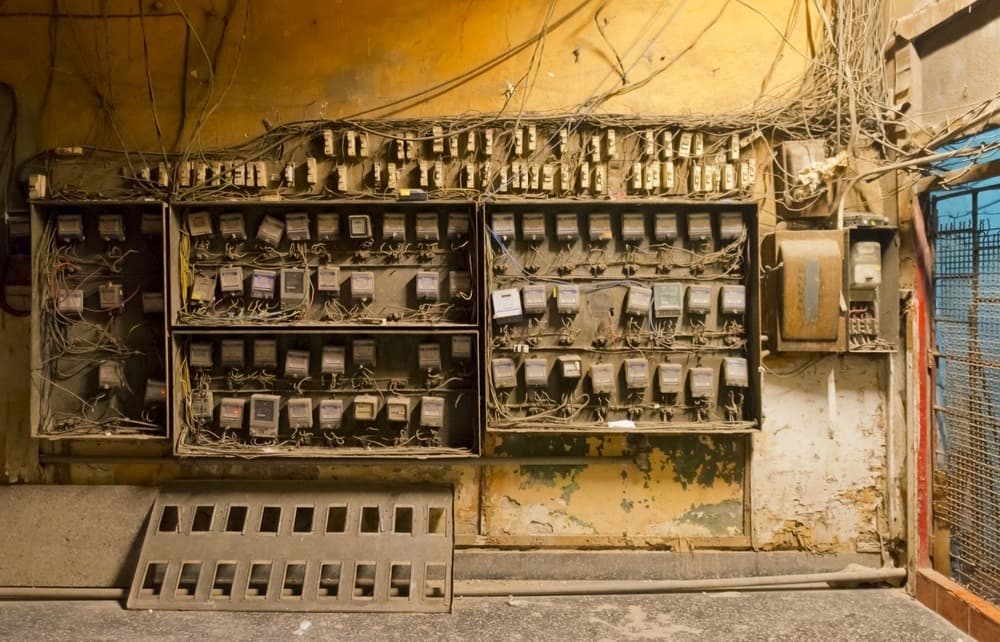
Since energy consumption in Cuba is lower than elsewhere, check that your devices have the necessary power and avoid overloading them, particularly by using multiple adapters simultaneously. Power surges or damaged outlets can harm your equipment, so always prioritize safe, well-insulated installations.
For added convenience, bring a lightweight power strip to charge multiple devices with a single adapter, and make a habit of checking the voltage before each connection, especially in locations offering both 110 V and 220 V. When in doubt, don't hesitate to ask the staff at your accommodation for advice.