Trinidad
Trinidad
Cuba's best-preserved colonial city, Trinidad blends UNESCO-listed cobbled streets, Caribbean beaches and daily salsa. Complete guide.
A genuine maze of cobblestone lanes lined with colorful colonial mansions, Trinidad is the ideal Cuban destination to experience a world away from home. Renowned as the best-preserved colonial city and most visited city in Cuba, Trinidad earned the distinction of being inscribed on the UNESCO World Heritage List in 1988, making it an essential destination for any trip to Cuba. Beyond its privileged geographic location between sea and mountains, this charming town captivates beach lovers and hiking enthusiasts alike. No visit to Cuba is complete without experiencing the beauty of Trinidad.
Trinidad at a Glance
Where time seems to have stood still, leaving travelers with a fantastic blend of colonial architecture and vintage cars, Trinidad lies just 5 km from the Caribbean Sea. It is a municipality in Sancti Spíritus province, located approximately 300 km from Havana.
Trinidad's Reputation
Trinidad, Cuba's Second City: This town ranks as the 2nd most visited destination in Cuba after Havana, the nation's capital. Thousands of visitors come to wander its cobblestone streets and soak in the colonial atmosphere.
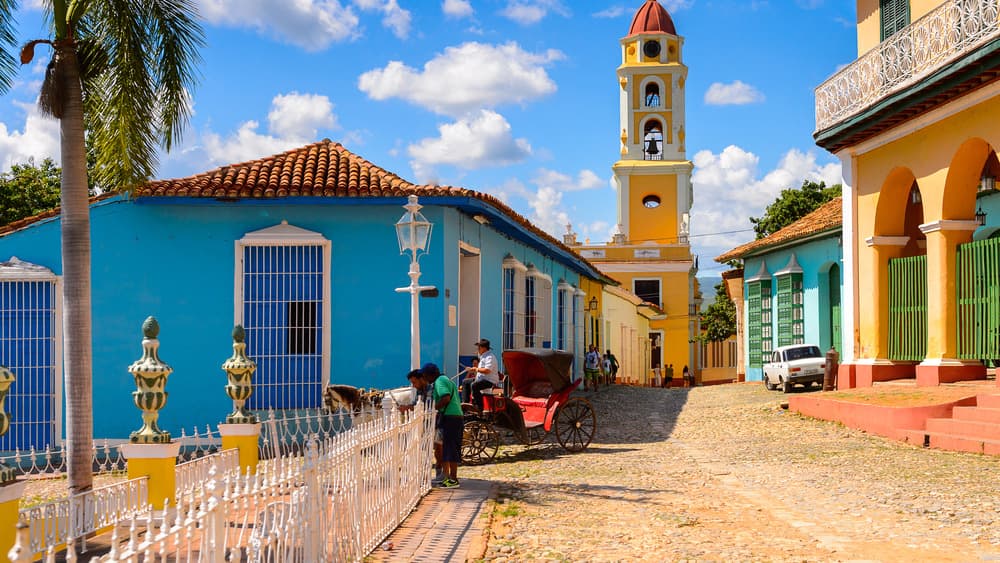
Trinidad, one of the Caribbean's most beautiful cities: A "master of allure," this charming town enchants tourists with its cobbled lanes, colonial mansions painted in vibrant hues, russet tile roofs and ornate balconies. Some buildings feature grand doors of precious wood that blend seamlessly into the landscape, as do the ruined palaces. Iconic vintage cars and horse-drawn carriages complete the picture.
Most of these attractions concentrate in the historic city center, which has earned Trinidad its stellar reputation and UNESCO World Heritage status in 1988.
Trinidad, one of Cuba's finest experiences: Indeed, it ranks among the first Cuban cities established by the Spanish around 1514. Thanks to the considerable boom in sugar cane, tobacco, and cattle production, Trinidad became Cuba's wealthiest city.
A Brief History of Trinidad
In 1514, Spanish conquistador Diego Velázquez de Cuéllar founded Trinidad. Sugar plantations fueled the city's wealth and development. At the time, colonists imported enslaved Africans to work the plantations and mills. Between the 17th and 19th centuries, the town stood at the heart of sugar and slave commerce. Sugar plantation owners displayed their riches through colonial mansions, palaces, and airy squares such as the Plaza Mayor, Trinidad's very heart.
A period of isolation between 1850 and 1950 preserved Trinidad's colonial character. The historic center underwent restoration work, establishing it as the island's best-preserved colonial city.
What to See in Trinidad?
Plaza Mayor
One of the town's main attractions, Plaza Mayor is Trinidad's very heart. Built in 1856, it sits in the heart of the historic center. It is surrounded by green spaces, magnificent churches, restaurants, and numerous colorful historic buildings dating from the 18th and 19th centuries. The statue of Terpsichore, the Muse of dance from Greek mythology, stands at the plaza's center, symbolizing dance and music—activities deeply important to Cubans.
Churches of Trinidad
In neoclassical style, the Church of the Santísima or "Iglesia Parroquial de la Santísima Trinidad" dates from the late 19th century. It is renowned for a wooden Christ statue called the "Señor de la Vera Cruz". Legend tells that this statue was meant to be sent to Veracruz, Mexico. After a shipwreck, it washed ashore on Trinidad's beach in 1713. Interpreting this as a sign from God, Trinidad's residents kept the statue in the Church of the Santísima.
Do not miss the ruins of Iglesia Santa Ana, built in 1719. This important Cuban Catholic site exudes an unusual, mysterious air that intrigues visitors.
You cannot miss the bright yellow tower of the San Francisco convent, the most visible building in Trinidad. It now houses a museum showcasing the Cuban revolution. From the tower's summit, you'll enjoy panoramic views of the town below.
Museums of Trinidad
Trinidad's numerous museums testify to the city's cultural and heritage richness.
The Museo Romántico, the city's oldest museum and one of its finest palaces, once belonged to the wealthy Creole planter "Count Brunet". Located on Calle Fernando Hernández Echerri, it charms visitors with its blend of Andalusian and neoclassical styles. You'll find collections of 19th-century decorative arts and furniture. Beyond its European marble floors and murals, you'll discover Bohemian glassware and Talavera de la Reina ceramics.
The Museum of Architecture of Trinidad sits on Plaza Mayor. It's the ideal place to appreciate Cuban architecture and craftsmanship from the 18th and 19th centuries. The building known as Casa Azul reflects 18th-century colonial architecture.
The Guamuhaya Archaeology Museum features exhibitions on the history of the aboriginal peoples who lived in Cuba before the Spanish conquest. You'll find it in Casa Padrón.
We also recommend these worthwhile museums: the Trinidad Municipal Museum, the Museum of the Struggle Against Bandits, and the Colonial Art Museum.
Parks of Trinidad
El Cubano Park is one of Trinidad's prized possessions, as it is recognized as UNESCO World Heritage, just like the city itself. Located 5 km north of the colonial city within the Sierra del Escambray, this nature reserve features a 3.6 km hiking trail called Las Huellas de la Historia leading to the magnificent Javira waterfall. You can take a refreshing dip to spice up your Trinidad adventure.
Céspedes Park, nestled south of the city, was formerly called Plaza Carrillo. This magnificent tree-filled, spacious square welcomes those seeking rest or wanting to feel the city's pulse. Built around the 19th century, it is more modern than Plaza Mayor.
Topes de Collantes National Park or the Sierra del Escambray is also worth exploring. Lush landscapes adorned with natural pools and waterfalls await you there. Hiking trails abound.
Other Attractions
Casa de la Trova celebrates the city's musical culture and heritage. Promoting Cuban music, this venue welcomes locals and tourists for concerts. You can spend your evenings at Casa de la Trova sipping your drink of choice while enjoying local music.
Waterfalls Near Trinidad:
The most popular and highly recommended is the Salto del Caburni waterfall, located about twenty kilometers from Trinidad. One of the most picturesque is Vegas Grande. You'll also be captivated by El Nicho waterfalls, which feature numerous cascading falls—a beautiful expression of the region's natural beauty.
Beaches of Trinidad
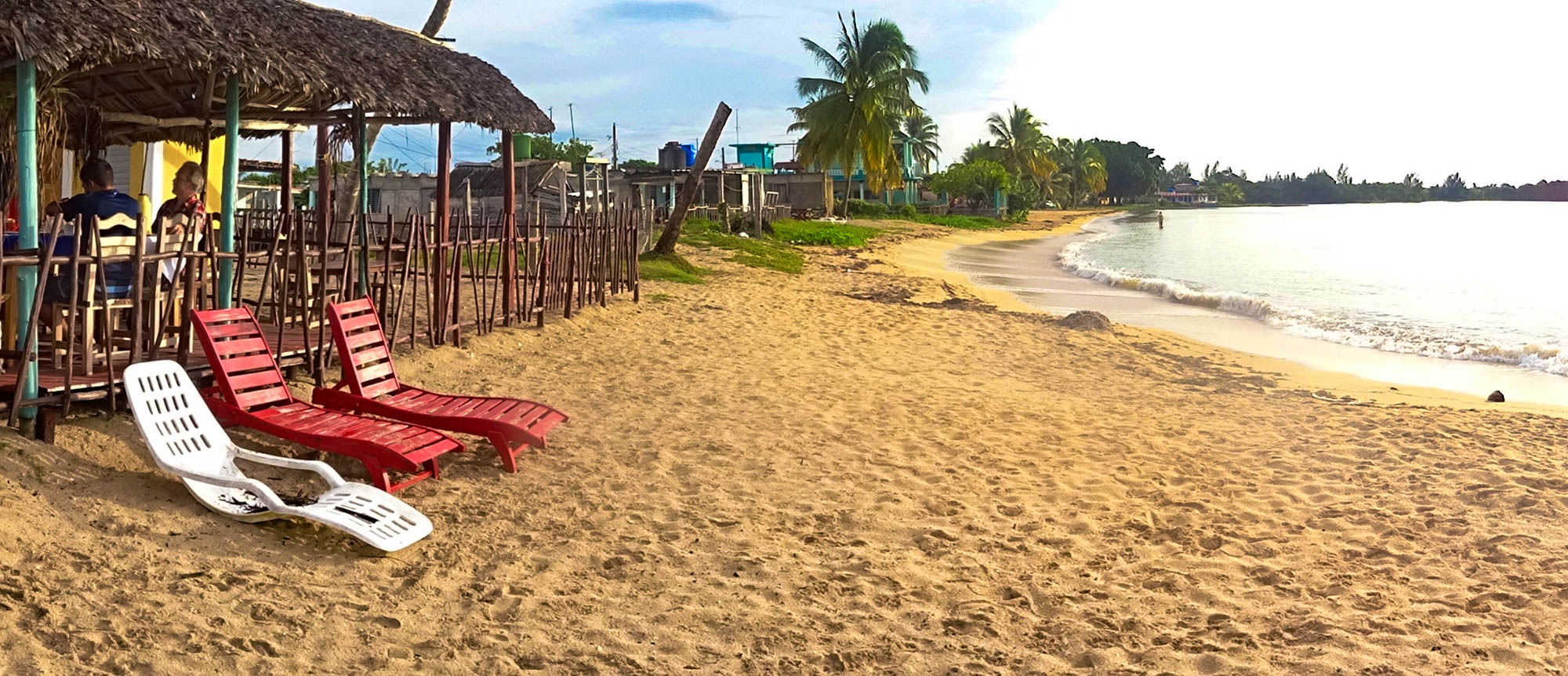
One of Cuba's most beautiful beaches is found in Trinidad: Playa Ancón, situated 11 km from Trinidad. Stretching across Ancón Peninsula, this lovely white-sand beach is perfect for a relaxing afternoon dip in the sea. Though public, it remains uncrowded. It's a 15-minute drive from Trinidad. You can also reach it by bus or taxi. Bike rental is an option, though the trip takes about an hour. You'll need to pay a few CUC to use the loungers and umbrellas available on the beach.
On the other coast, Playa Jibacoa also awaits. For snorkeling, choose Playa María Aguilar. For stunning mountain views of the Escambray, the rocky beach of La Boca is recommended.
Hiking
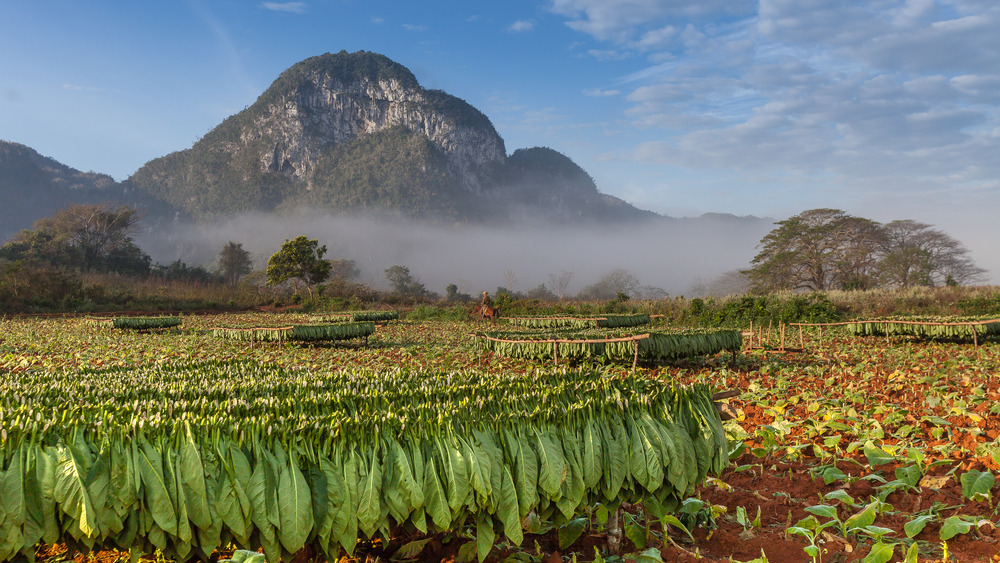
Topes de Collantes National Park and El Cubano Park will delight nature lovers and hiking enthusiasts, as will the Valle de los Ingenios or "valley of the sugar mills". You can choose between hiking on foot or horseback to appreciate the lush green landscapes around Trinidad.
Nightlife
For those on a modest budget, you can purchase rum from Havana or a mojito and enjoy wonderful moments with friends. Choose a nice spot (restaurant or local bar) near Plaza Mayor. While chatting, watch passersby as you sip your drink.
For the more adventurous, we recommend two excellent venues: Disco Ayala or Casa de La Música. The best nightlife in Trinidad happens at Disco Ayala, a club nestled inside a cave. Arrive between 11 PM and midnight; otherwise you may face a queue. Around 1 AM, you'll be treated to performances featuring fire dancers and acrobats—an atmosphere not to be missed. The club is open 7 days a week. To get there, follow Calle Simón Bolívar from Plaza Mayor. When you reach Ermita de Nuestra Señora de la Candelaria de la Popa, you'll find a hill to the left. Disco Ayala sits atop this hill.
Casa de La Música is located on Plaza Mayor in Trinidad's old town. You can sit on the steps near the cathedral while enjoying free live music from the square. Salsa concerts perform each evening while you sip mojitos delivered by local bars.
When to Visit?
Plan your trip to Trinidad during November, December, January, February, March, and April—the dry season. Rainfall ranges from 19 to 46% during this period versus 72 to 84% during the rainy season. The wettest months are May, June, July, August, and September. Winter temperatures range from 21 to 30°C, while summer sees 25 to 32°C.
You can land at Havana Airport, the nation's capital, or Santa Clara Airport, closer to Trinidad.
From Havana to Trinidad (315 km): 4 hours by car or shuttle, 8 hours by bus, 13 hours by train
From Santa Clara to Trinidad (97 km): 2 to 2.5 hours by car
Exploring the town and its charming lanes on foot is very easy. You can also rent bicycles or scooters to venture farther. To reach the beach, minibuses, private or shared taxis are available. Collective transport trucks work well for excursions outside the city.
Attractions in Trinidad
See all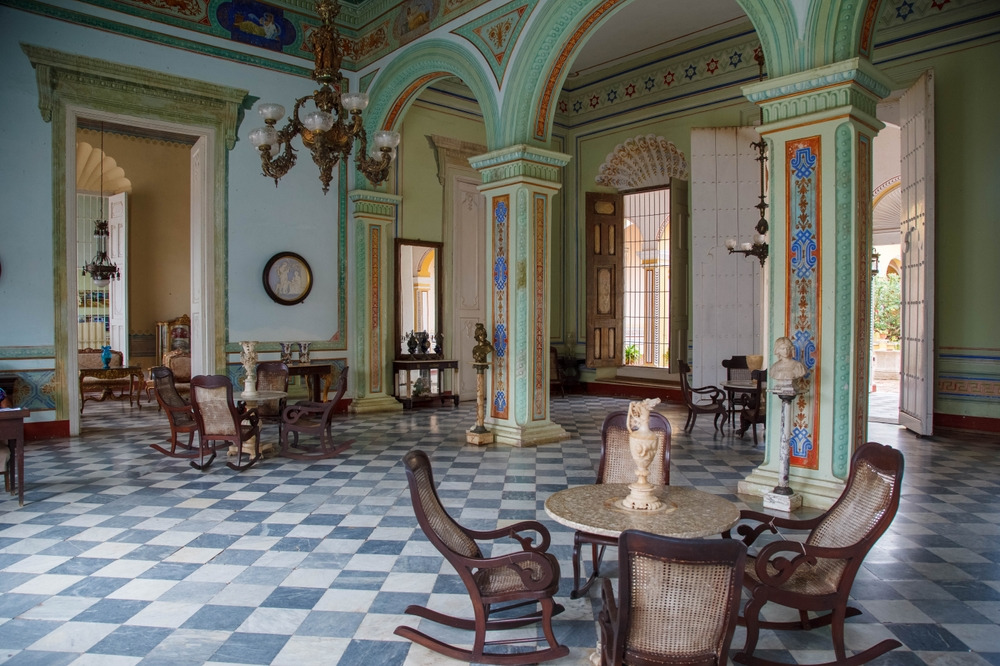
Museo de Historia Municipal
Installé dans le Palacio Cantero près de la Plaza Mayor de Trinidad, ce musée municipal retrace l'histoire de la ville et offre une vue à 360° depuis sa tour.
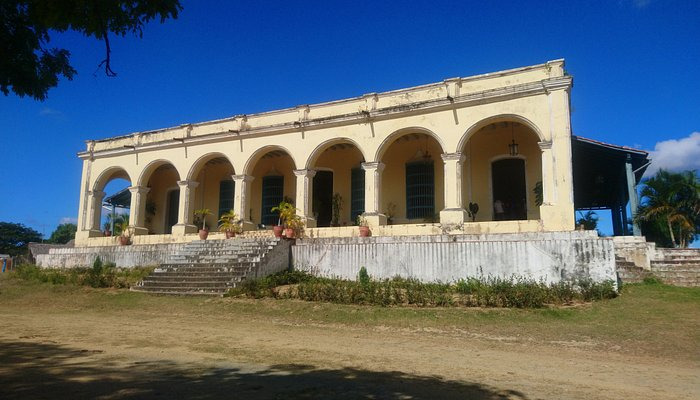
Musée du domaine Guaimaro à Trinidad
Ancienne hacienda sucrière du XVIIIe siècle transformée en Musée du Sucre, Guaimaro conserve fresques européennes, chapelle privée et vestiges des baraquements d'esclaves.
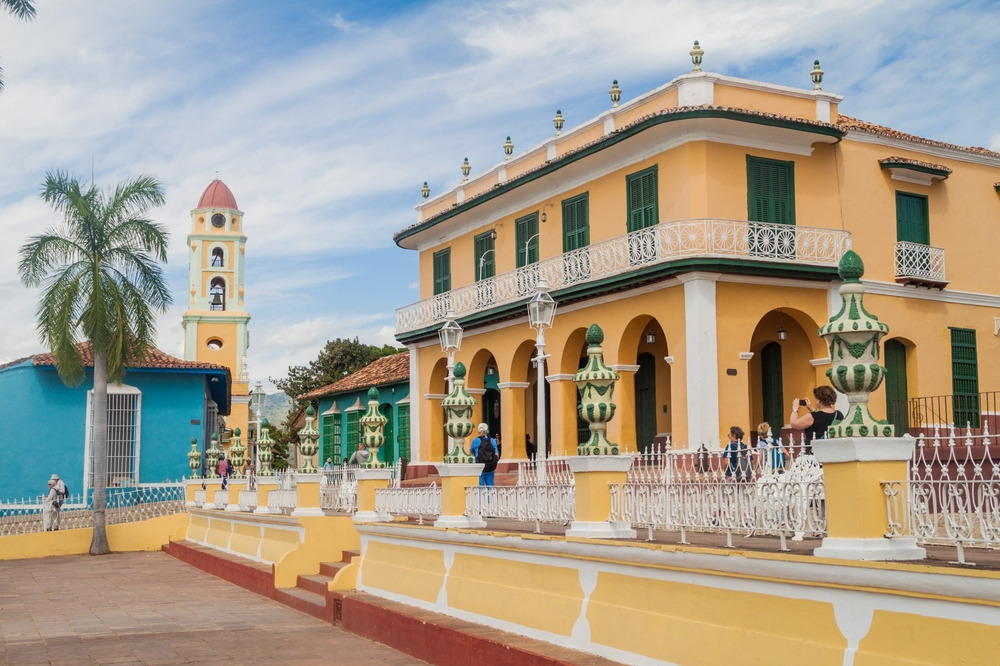
Musée Romantique de Trinidad
Sur la Plaza Mayor de Trinidad, l'ancienne Casa Brunet abrite une collection d'arts décoratifs qui restitue l'art de vivre des élites sucrières cubaines du XIXᵉ siècle.
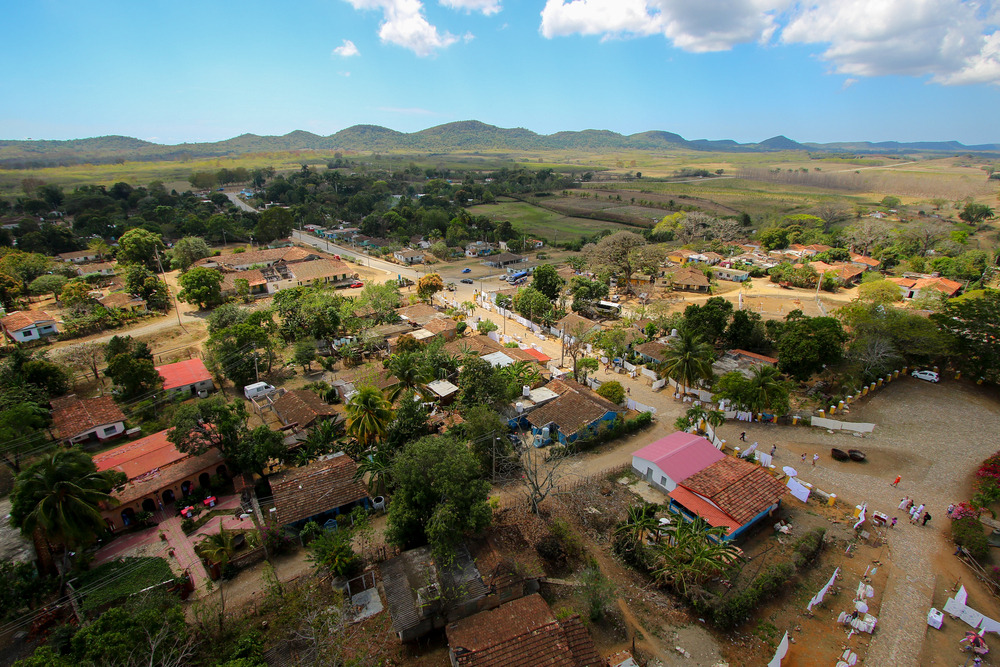
Domaine Manaca
Ancienne plantation sucrière de la Vallée de los Ingenios, à 16 km de Trinidad. Tour de surveillance, hacienda et vestiges de l'esclavage, classés UNESCO.
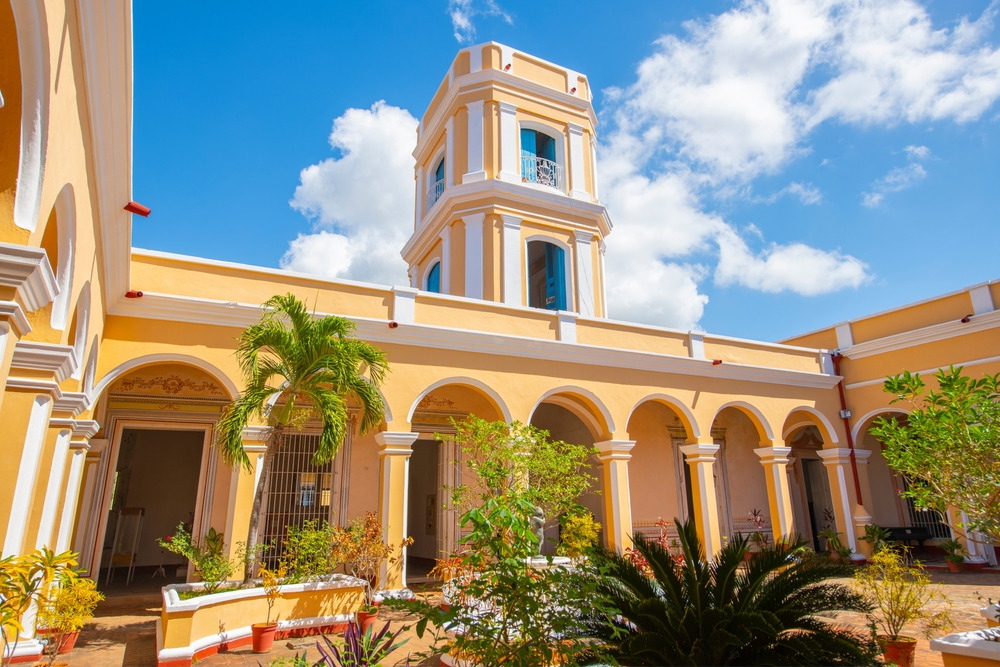
Musée d’architecture Coloniale
Installé dans la Casa Azul du XVIIIe siècle, sur la Plaza Mayor de Trinidad, ce musée retrace l'évolution de l'architecture coloniale cubaine en huit salles.
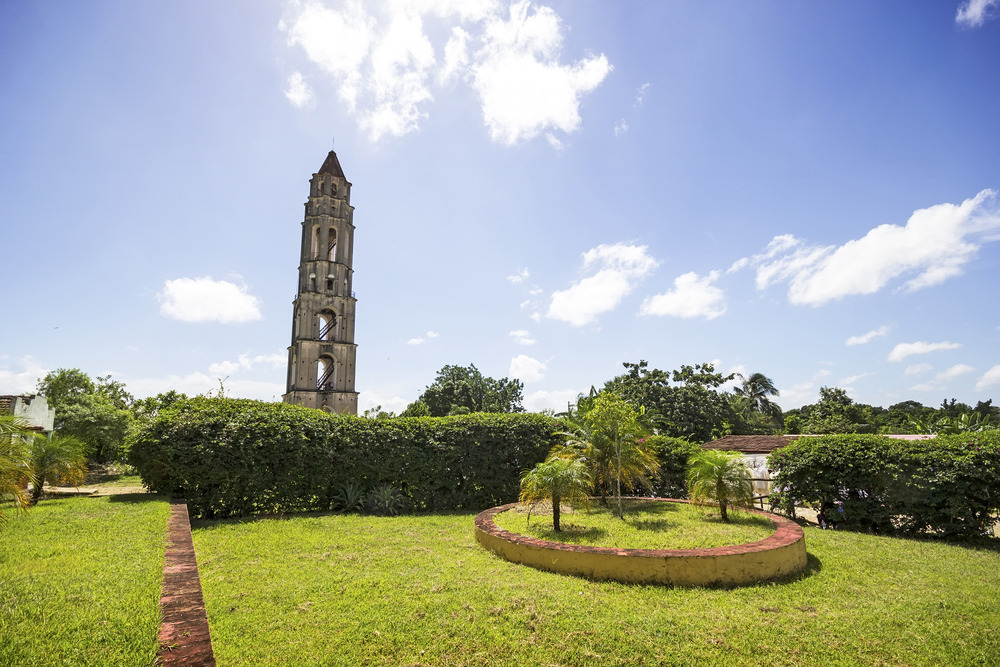
Tour Iznaga
À 20 km de Trinidad, la tour Manaca Iznaga domine la vallée de los Ingenios, ancien cœur sucrier de Cuba classé à l'UNESCO. Sept étages, deux siècles d'histoire.
Accommodation in Trinidad
Want to discover this destination?
Our local advisors design your tailor-made trip.