Viñales
Viñales
Mogotes, tobacco plantations and karst caves: Viñales offers authentic rural Cuba, 180 km from Havana.
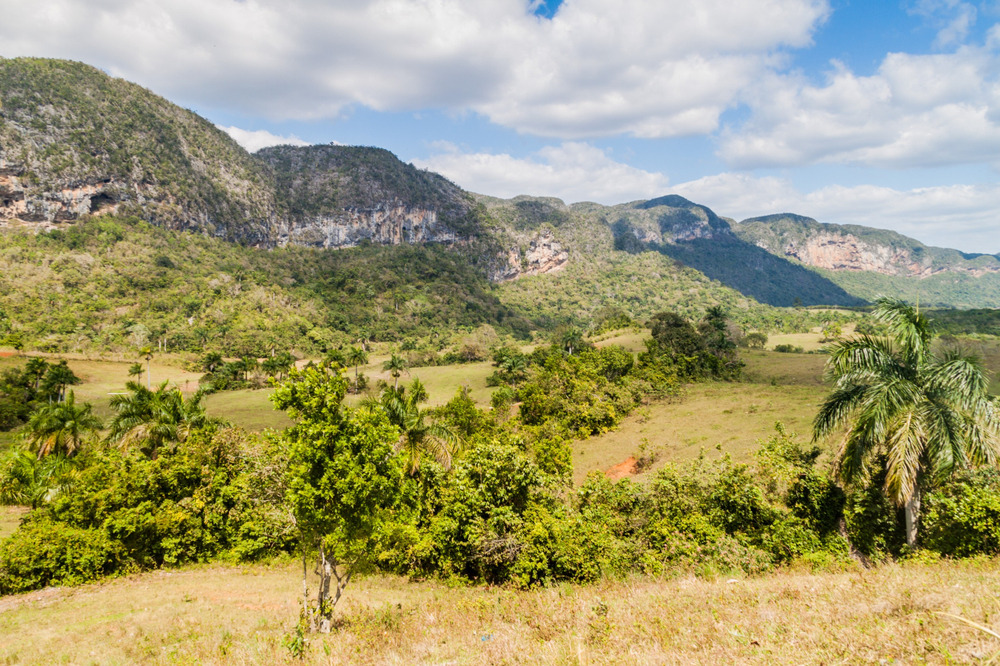
Richly blessed by nature, the Viñales Valley alternates between lush vegetation, traditional tobacco cultivation, and the famous mogotes—rounded limestone hills blanketed in vegetation. This exceptional destination has everything to captivate travellers, which comes as no surprise that the town ranks as an unmissable destination on any Cuba trip. Sports enthusiasts will equally rejoice, as Viñales Valley offers hiking, cave exploration, rock climbing, cycling… In short, Viñales Valley promises thrilling and unforgettable holidays in Cuba.
A Brief History
Owing its character to its karst topography, Viñales Valley boasts its mogotes—rounded limestone hillsides that date back to the age of dinosaurs. Over the centuries, these rounded hills became clothed in vegetation.
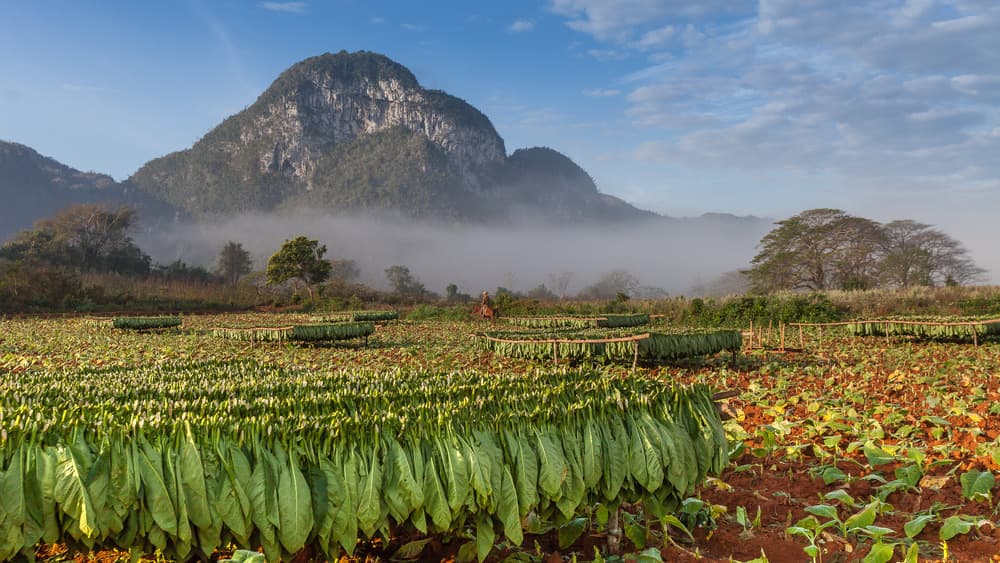
In the 17th century, agriculture was limited to livestock farming. Then in the 20th century, it shifted to tobacco and sugarcane. Indeed, the valley's red earth is exceptionally rich and perfectly suited to these crops. Traditional farming techniques—ploughing with teams of oxen—are still practised today.
Viñales Valley, the Valley of Vineyards
Located in Pinar del Río province, in the western part of Cuba, Viñales Valley sits 180 km from Havana. Nestled in the heart of the Sierra de los Órganos mountain range, the town of Viñales serves as the gateway to the valley. Originally, the valley was devoted to grape cultivation, hence its name "Viñales Valley," which means "Valley of the Vineyards."
This tourist destination enchants with its sugar loaves, mogotes, traditional tobacco plantations, and numerous caves. Together, they form a verdant landscape embellished by abundant vegetation. Thanks to the crisp air, the valley offers a captivating and welcoming setting not to be missed during a Cuba trip. Indeed, these qualities earned it its inscription as a UNESCO World Heritage Site in 1999 (Cultural Landscape of Humanity).
What to See in Viñales?
Tobacco Plantations
Appreciate the verdure of tobacco cultivation in Viñales Valley. The "guarijos," the region's farmers, perpetuate traditional agricultural practices from sowing to harvest. It is widely recognised that tobacco and cigars produced through traditional farming are of superior quality compared to those from mechanised agriculture. Beyond the valley's red earth, which favours such cultivation, the region's mild climate also works in favour of these plantations.
Cigar Factories
You can include in your travel itinerary a visit to one of the region's cigar factories. Producers will be delighted to share the manufacturing process with you. You can also sample the local production.
Mural of Prehistory
This is a mural painting representing the theory of evolution through various images drawn and painted on a face of Mogote Dos Hermanas. This fresco, 180 m long and 120 m wide, is the work of Leovigildo González Morillo, the project ordered by Fidel Castro in 1961.
What to Do in Viñales?
Hiking
Viñales Valley is perfectly suited to all kinds of hiking: on foot, horseback, or by bicycle. Along your routes, admire the sunset and the region's verdant landscape. Don a good pair of hiking boots to traverse the traditional tobacco plantations and venture near the mogotes. This destination will give you thrilling adventures that will spice up your Cuban holidays nicely.
Swimming and Sunbathing on the Beach
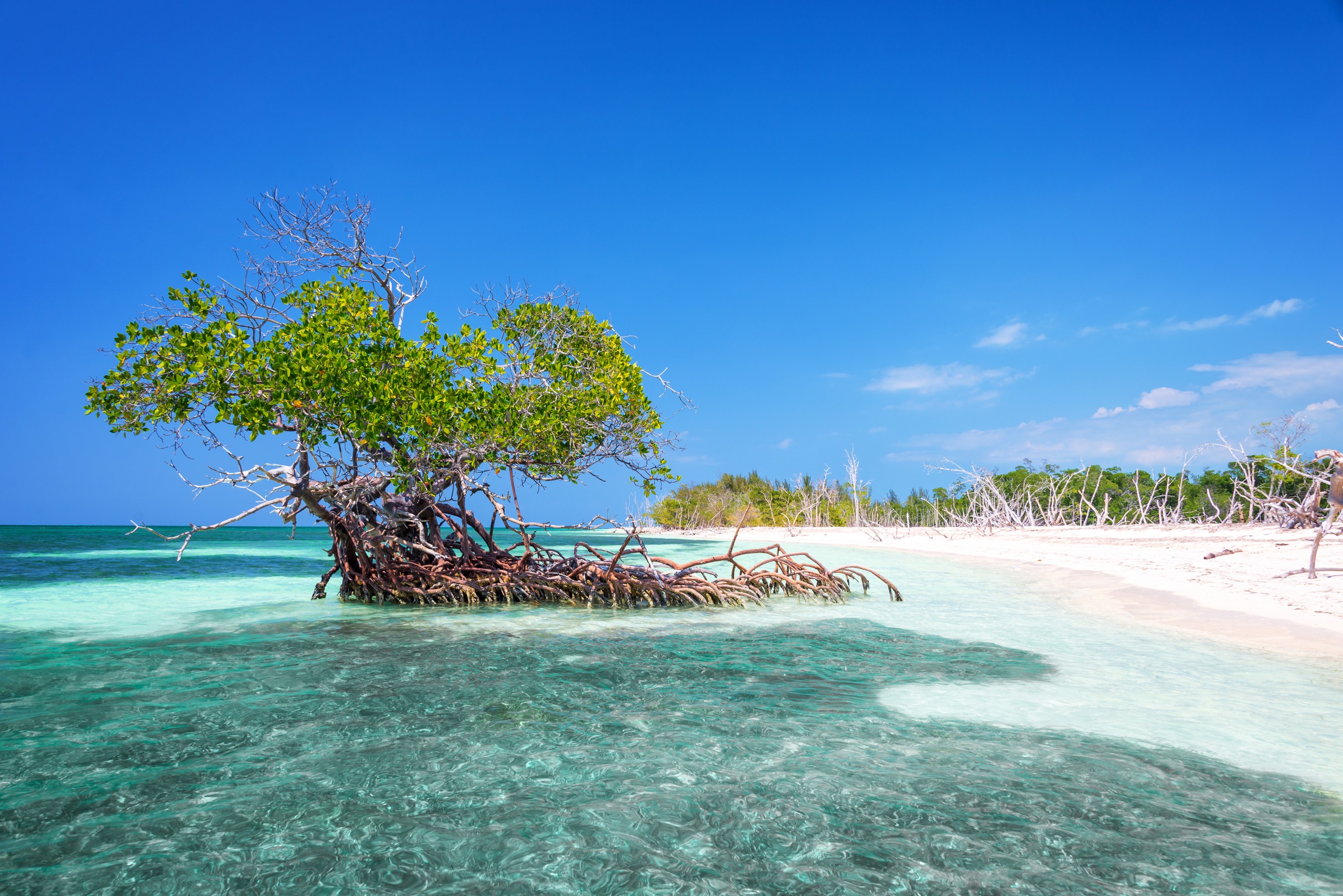
Small paradise islands surround Viñales. Off the coast of Pinar del Río province lies Cayo Levisa, in the Los Colorados Archipelago. Uninhabited and left pristine, this island is the ideal spot for moments of relaxation. It is home to just one hotel with 40 rooms. It offers tourists a 3 km beach stretching along the northern coast. A coral reef and old shipwrecks dot the Caribbean seabed. Take the opportunity to explore them; Cayo Levisa and its surroundings boast around twenty dive sites waiting for you.
Cayo Jutías offers beaches with an idyllic setting thanks to their white sand and crystalline waters. However, its beaches are somewhat less secluded, as they are more easily accessible (and cheaper) than Cayo Levisa.
Cave Exploration
You can also include exploring Viñales' caves in your excursion plans. The most famous in the region and most easily accessible are La Cueva del Indio and the Gran Caverna de Santo Tomás.
- La Cueva del Indio
Discovered in 1920 by Juan Díaz, a local farmer, La Cueva del Indio is located 6 km north of Viñales, near the village of San Vicente. The more touristy of the two caves is traversed by the San Vicente river. Thus, you can complete part of your visit by boat. Also discover the cave paintings and archaeological remains that adorn its interior, testament to the cave's habitation during the pre-Columbian period. After your exploration, you can refresh yourself at the restaurant on site.
- Gran Caverna de Santo Tomás
This is the largest cave network in Cuba. Indeed, Gran Caverna de Santo Tomás stretches for 46 km, nestled in Moncada, 17 km from Viñales. A visit to this cave can be included in your excursion plans. Better preserved than La Cueva del Indio, it is characterised by indigenous mural paintings. This suggests that this cave has a long history that will enrich your Cuba trip to Viñales Valley. Moreover, it also served as a refuge for escaped slaves. During your exploration, remember also to visit the museum on site.
To further enhance your stay in Viñales Valley, we recommend other sites to visit such as "Casa de la Caridad," the Viñales Botanical Garden, or Las Terrazas, designated a biosphere reserve and inscribed on the UNESCO World Heritage list. Also try the wonderful comfort experience that Hotel Los Jazmines offers. Located 3 km south of Viñales, it treats you to a superb panoramic view of the valley. The hotel also gives you the chance to take a dip in their pool. Your holidays in Viñales truly promise complete enjoyment and a change of scenery.
When to Visit Viñales?
We recommend the dry season for a Viñales holiday, namely January to May and October to December. Rainfall is low during this period, and temperatures range between 21 and 32°C.
Want to discover this destination?
Our local advisors design your tailor-made trip.