Where to Stay in Cuba
In Cuba, choosing where to stay is part of the adventure itself. With diverse accommodation options, the island offers everything you need to shape a stay that feels uniquely yours. The key is matching your lodging to your pace, your desire for independence, and the experience you're seeking.
In Cuba, choosing where to stay is part of the adventure itself. With diverse accommodation options, the island offers everything you need to shape a stay that feels uniquely yours. The key is matching your lodging to your pace, your desire for independence, and the experience you're seeking. Discover the main accommodation options, their strengths and considerations, along with proven strategies to avoid disappointment and make the most of every stop.
Casas Particulares
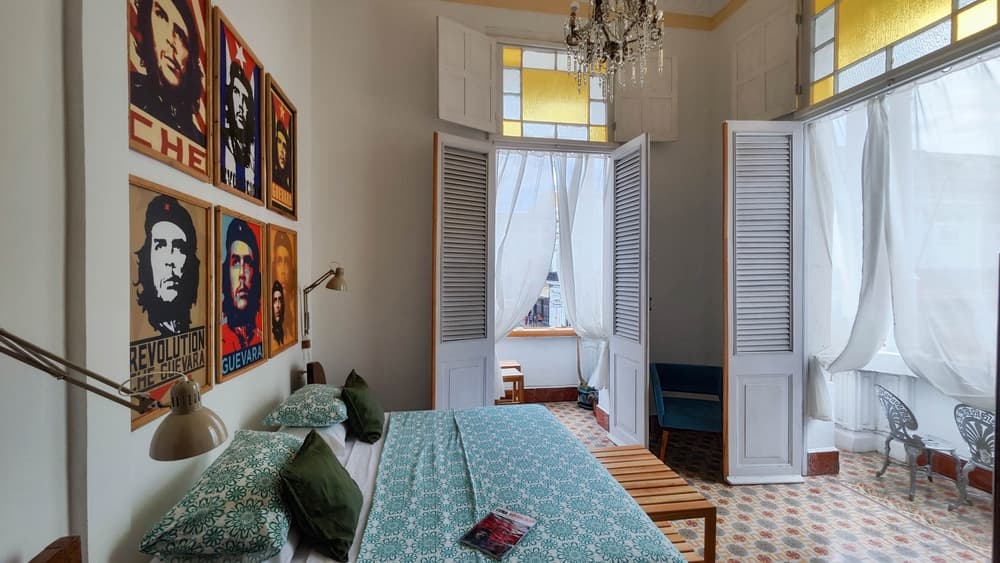
Casas particulares are rooms rented in private homes. You'll sleep in a private room—almost always immaculate and air-conditioned—with an en-suite bathroom, fan, and typically at least two beds. Many include a minibar with drinks for purchase. Some casas also offer a safe, hair dryer, television, independent entrance, kitchenette, parking, terrace or patio, or rooftop access. Generous breakfasts and family dinners are usually available as add-ons, and the best addresses rival charming small hotels.
You'll encounter two main styles of casas particulares: colonial or neocolonial houses and more modern homes. This accommodation type remains the most economical option in cities and the countryside alike, ranging from €25–60 for a double room, with breakfast between €3–8 and dinner between €8–18 as extras.
A registered casa is marked by a blue "Arrendador Divisa" sign (blue arrow or sail on white background). A red arrow indicates a home reserved for Cubans (payment in local currency). Owners may rent multiple rooms, must pay a monthly tax (additional fee if parking is offered), display the official sign, keep a guest register, and declare each traveler within 24 hours. Foreign visitors must present their original passport. Regular inspections verify cleanliness, hygiene, safety, and hot water availability.
Hospitality varies by family (ranging from very welcoming to more hotel-like), but the experience remains ideal for independent travelers seeking local advice. These accommodations are particularly prevalent in Havana, Trinidad, Cienfuegos, Camagüey, and the Viñales Valley.
To book a casa particular, contact hosts in advance and don't hesitate to request recent photos of the actual room you'll occupy. Confirm your arrival time and book several weeks—or even months—ahead, then reconfirm closer to your stay. Be wary of overbooking and street touts (jineteros).
Hotels and Boutique Hotels
In Cuba, the hotel industry remains predominantly state-owned: at least 51% of establishments belong to the State and are managed by five major organizations (Gran Caribe, Cubanacan, Gaviota, Islazul, Habaguanex). Since the 2000s, an extensive renovation program has breathed new life into older properties, and many colonial palaces have been transformed into luxury small hotels.
Simultaneously, a growing share of the portfolio is operated in partnership with major international chains (Sol Meliá, SuperClubs, etc.), which pay royalties to the State. City hotels offer rooms between €70 and €160. Boutique hotels range from €90 to €200 per room. Architectural charm is genuine in historic centers, though comfort levels can vary between buildings.
All-Inclusive Resorts
All-inclusive resorts in Cuba are designed for hassle-free beach vacations: accommodation, dining, and activities are all on-site, with direct beach access, kids' clubs, and water sports. This accommodation type is ideal for family getaways, trips with friends, or concluding a circuit with a few days of pure relaxation.
Service quality depends on the property and supply periods. Before booking, verify the exact beach frontage, wind exposure, any ongoing construction, and services genuinely available during low season. Widespread throughout the Caribbean, all-inclusive resorts are concentrated mainly in Varadero and spread across the cays.
Moreover, this hotel style emphasizes 100% beach leisure over "authentic" immersion in local life, yet it often features daily entertainment (aqua aerobics, volleyball, etc.) and sometimes excursions to explore the island before returning to your resort in the evening. Budget-wise, all-inclusive resorts range from €110–260 per person, depending on the cay and category.
Ecolodges and Fincas
In the countryside or mountains, ecolodges and fincas (often built in wood or local stone) offer a simple, warm atmosphere for those seeking nature, farm-to-table dining, and a slower pace. You can hike, cycle, birdwatch, or simply rest far from the noise, with excellent addresses in Viñales, Soroa, Topes de Collantes, and Baracoa. Ecolodges and fincas offer accommodation between €40 and €120, depending on remoteness and comfort level.
A responsible and committed choice, these ecological accommodations respect nature and local communities. They champion sustainable practices and offer "green" activities to discover Cuba's diverse ecosystems in harmony with the environment. Before booking, verify road accessibility, hot water availability, and in areas prone to power cuts, the presence of a generator.
Youth Hostels
Youth hostels provide an economical and sociable solution for travelers on tight budgets. You share rooms, meals, and experiences with fellow travelers in a relaxed atmosphere, often enlivened by organized activities and insider tips from staff and locals.
Accommodation is typically in dormitories, though some addresses occasionally offer private rooms for one or two people, with shared bathrooms and toilets. Many youth hostels provide a shared kitchen for preparing your own meals and stretching your budget, and a basic buffet breakfast may be included or offered for a small extra charge.
For rates, expect a dorm bed from around €9 onward. Beyond price, youth hostels facilitate international connections and the exchange of tips for discovering hidden gems.
Campismos or Campgrounds
In Cuba, campismo bears little resemblance to conventional camping. Wild camping is prohibited, and these aren't tent pitches but rather complexes of basic bungalows (often concrete), with foam-mattress beds and cold showers, more rarely equipped tents. The country has more than 80, highly favored by locals, perfect for meeting Cubans and enjoying the local scene.
You'll find campismos nacionales, theoretically reserved for Cubans, and campismos internacionales, open to foreign visitors and slightly better equipped (sheets, sometimes air-conditioning), with comfort ranging from nearly hotel-like to very basic. In practice, some campismos occasionally rent a "nacional" bungalow to foreigners based on availability, but many establishments decline, especially at isolated sites: it's better to aim for "internacionales" units. This format suits those seeking local atmosphere over a classic camping experience. As a reference, a bed in an international campismo bungalow typically costs around €9 to €27 per night.