Sancti Spiritus
Sancti Spiritus
Sancti Spiritus, one of Cuba's oldest colonial cities, captivates with its well-preserved historic center, the Yayabo River, and authentic atmosphere, far from mass tourism.
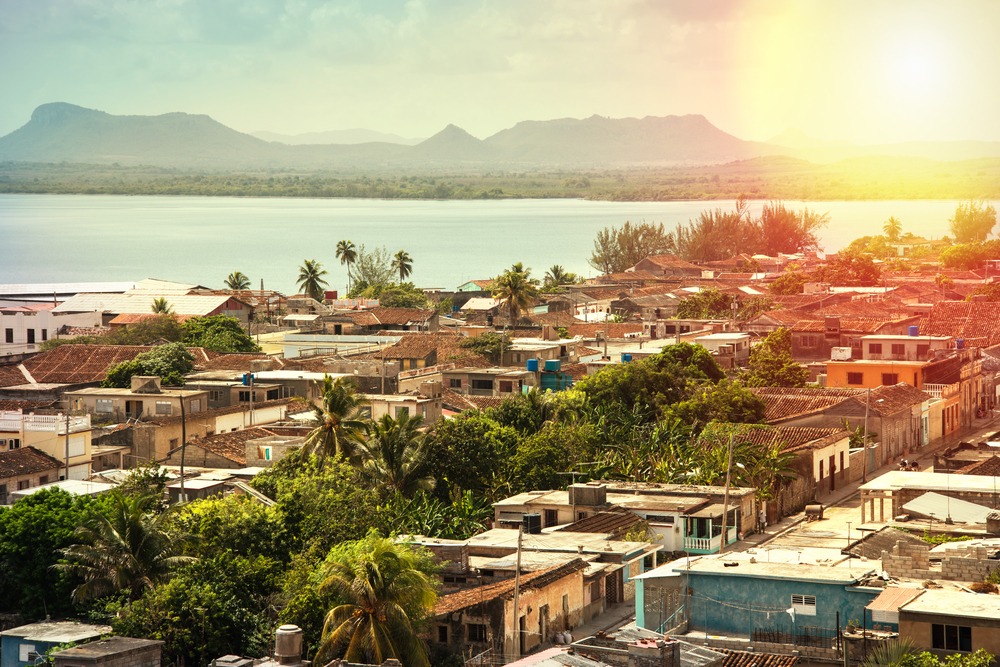
Nestled on the banks of the Yayabo River, Sancti Spiritus is one of Cuba's oldest inland cities. Less touristy than other colonial gems on the island, it seduces visitors with its quiet charm, cobblestone streets, and rich historical past. For travelers who love wandering off the beaten path, this city offers a more intimate and authentic Cuban experience.
Where is Sancti Spiritus Located?
Sancti Spiritus, also called the City of Yayabo, is a municipality and capital of its eponymous province, situated in the heart of Cuba. It lies approximately 350 km southeast of Havana. Bathed by the Yayabo River, it sits midway between Trinidad and Santa Clara, near the Valle de los Ingenios, a vast sugar-growing area designated as a UNESCO World Heritage Site.
A Brief History
Founded on June 4, 1514 by Diego Velázquez de Cuellar, Sancti Spiritus (its Latin name meaning "Holy Spirit") is one of the seven first Spanish cities established in Cuba, and the only one to bear a Latin name. Originally settled near the Tuinucú River (in the area called Pueblo Viejo), it was relocated in 1522 to the banks of the Yayabo River to escape pirate attacks, including a devastating English raid in 1586. This pioneering city also contributed to the conquest of Yucatán and Hernán Cortés' expedition to Mexico.
Over the centuries, Sancti Spiritus became a prosperous political, economic, and military center, enriched by sumptuous colonial mansions in the 17th and 18th centuries. Among its notable figures is Francisco Iznaga, founder of an influential lineage whose descendants played a role in Cuba's independence struggles and annexation ideas with the United States. Designated a national monument, the city preserves a remarkable colonial center, often overlooked by visitors.
What to See and Do in Sancti Spiritus?
The Historic Center and Its Emblematic Monuments
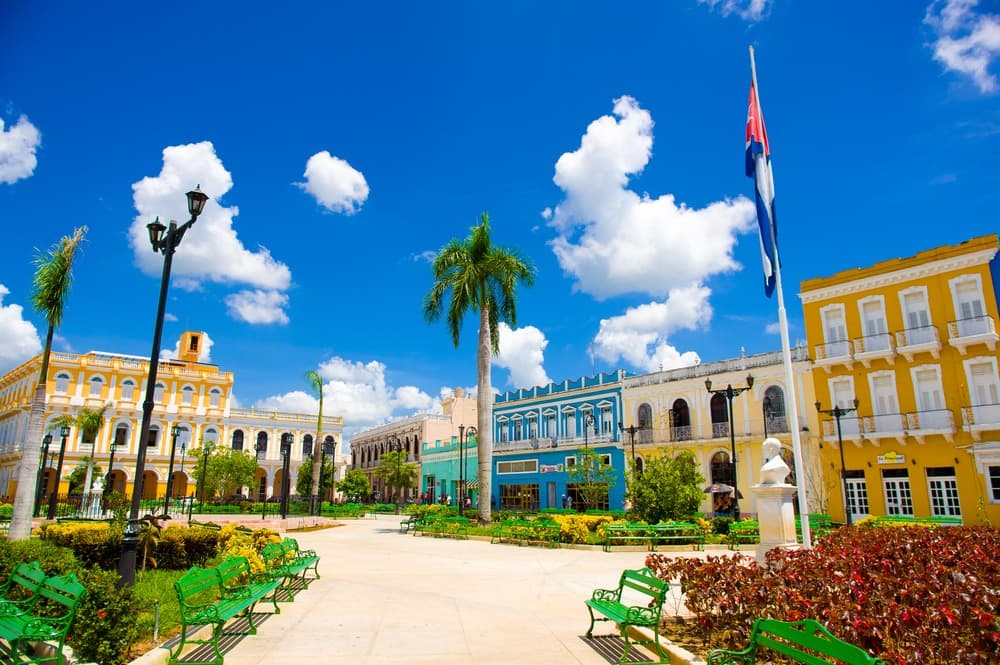
The city of Sancti Spiritus is organized around Parque Serafin Sánchez, its lively heart and ideal starting point for exploring colonial treasures. Here you'll find remarkably well-preserved historic buildings, fascinating museums, and beautiful churches.
Among Sancti Spiritus' most emblematic sites are:
- Iglesia Parroquial Mayor del Espiritus Santo: considered Cuba's oldest still-active church, it was initially built of wood in the 15th century and then rebuilt in stone in 1680. Its green tower offers a unique panorama of the city.
- Puente Yayabo: a 19th-century brick bridge with five Romanesque arches, approximately 90 meters long, connecting the colonial quarter to the opposite riverbank. Designated a national monument, it remains used by pedestrians, bicycle taxis, and horse-drawn carriages.
- Teatro Principal: built in 1839, this neoclassical theater is among the country's oldest still in operation. It has survived wars, revolutions, and remains a local cultural pillar.
Museums and Historic Residences
Sancti Spiritus houses several museums and patrimonial residences that shed light on its colonial and revolutionary past. Among the must-sees:
- Museo de Arte Colonial: housed in a superb 19th-century mansion once belonging to the Valle-Iznaga family, this museum preserves 90% of its original furnishings: Limoges porcelain, Baccarat crystals, mahogany furniture, painted stained glass… An 18th-century American piano and a famous smoker's room are on display.
- Provincial History Museum: also called the House of a Hundred Doors, it gathers collections from the aboriginal era through colonization.
- Casa natal de Serafin Sánchez: house-museum dedicated to this local hero of Cuban independence.
- Rubén Martinez Villena Library: a beautiful neoclassical building housing precious archives and exhibitions.
- Fundación de la Naturaleza y el Hombre: cultural center recounting the historic 1987 expedition led by Antonio Núñez Jiménez.
Urban Strolls and Local Atmosphere
Sancti Spiritus reveals itself as you wander through its shaded streets and lively squares. Certain areas are particularly conducive to leisurely exploration.
Here are some places to visit during your walk:
- Calle Llano: a cobblestone street lined with pastel houses leading toward Puente Yayabo.
- Plaza Mayor: a popular gathering place, perfect for observing local life.
- Casa de la Trova: temple of traditional music where you can attend trova concerts in an authentic atmosphere.
- Oscar Moresa Art Gallery: local art exhibition in the heart of the city.
Culture, Traditions, and Gastronomy
The city pulses with popular culture. Music, craftsmanship, and gastronomy lie at the heart of Spiritus identity. Notable elements of local culture include:
- Trova and Cuban son: many nationally renowned musicians hail from Sancti Spiritus.
- Craftsmanship: pottery, textiles, wood carving, locally made guayaberas.
- Traditional cuisine: typical dishes such as ropa vieja, moros y cristianos, and casabe, a cassava cake inherited from indigenous peoples.
Natural Environment and Excursions
Surrounded by mountains, rivers, and caves, the Sancti Spiritus region offers numerous possibilities for nature lovers and outdoor enthusiasts. Among worthwhile getaways:
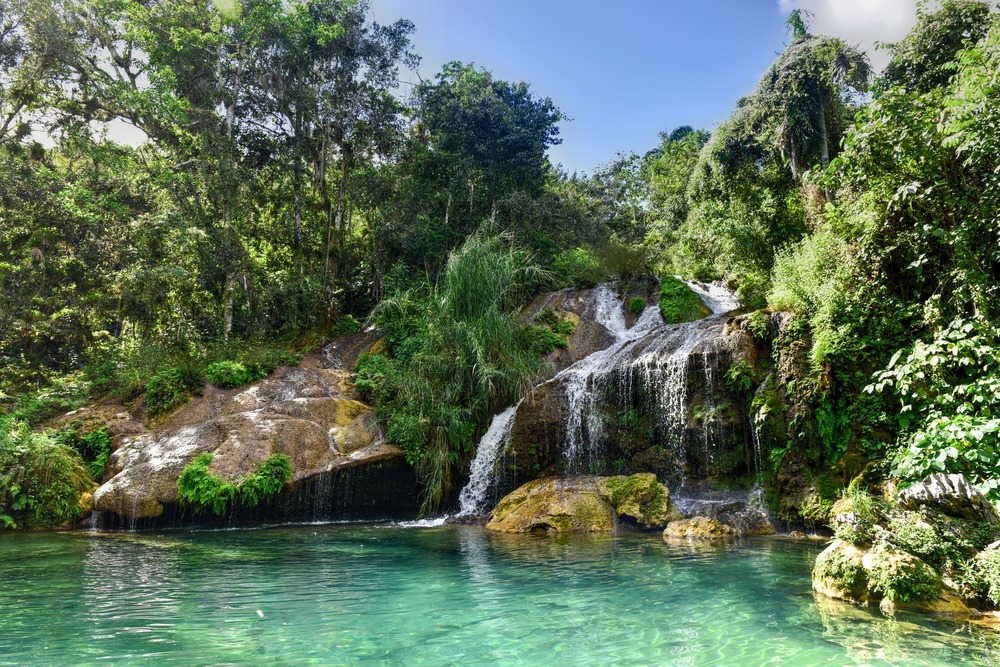
- Escambray Mountains: hiking trails, lush forests, and waterfalls.
- Presa Zaza: Cuba's largest water reservoir, popular for fishing and water sports.
- Alturas de Banao: natural reserve ideal for wildlife observation and hiking.
- Sierra de Banao Caves and Hornos de Cal: impressive rock formations, pre-Columbian remnants, and archaeological sites.
- Valle de los Ingenios: former sugar-growing area, witnessing Cuba's history of slavery and the sugar industry.
Sancti Spiritus is easily accessible via the Central Highway that crosses the city east to west, and its connection to the A1 motorway via the "Sancti Spiritus-Yaguajay" exit near Guayos.
It also has an airport, an interprovincial bus terminal, and an urban bus network. The railway station, located on the Cabaiguán-Sancti Spiritus-Tunas de Zaza line, is served by an overnight train every two days from Havana, and sometimes by a morning train to Santa Clara and Cienfuegos. Being off the main line, it's advisable to verify schedules in advance.
Viazul offers several daily connections to Havana, Camagüey, Santa Clara, Santiago de Cuba, as well as to Trinidad and Varadero.
Want to discover this destination?
Our local advisors design your tailor-made trip.