Playa Larga
Playa Larga
Nestled at the heart of the legendary Bay of Pigs, Playa Larga combines exceptional diving, marshlands classified as a biosphere reserve, and family-run guesthouses. Authentic Cuba, off the beaten path.
Tucked into the crescent of the legendary Bay of Pigs, Playa Larga resembles no other Cuban shore. Here, time seems suspended between sky and sea, between stories etched into collective memory and the promise of untamed nature. Far from crowds and tourist circuits, this small village with its tranquil character offers a rare respite, a pause from the hustle and bustle. It is a place that intrigues as much as it soothes, where you surrender to the simplicity of the setting and the unhurried rhythm of another way of life. Playa Larga does not reveal itself at first glance: it must be earned, discovered slowly, on the wind and through encounters.
Where is Playa Larga?
Playa Larga is a peaceful fishing village located in southern Cuba, on the Zapata Peninsula, in Matanzas Province. It serves as the capital of the Ciénaga de Zapata municipality and sits at the heart of the Bay of Pigs (Bahia de Cochinos), on its western coast.
The beach bearing its name, Playa Larga, is an expansive stretch of sand 4 km long, situated approximately 13 km from the bay's main site. The village, still untouched by mass tourism, lies south of the Zapata marshes, less than 10 km from Boca de Guamá and 30 km from Playa Girón, two emblematic sites of the region.
Character
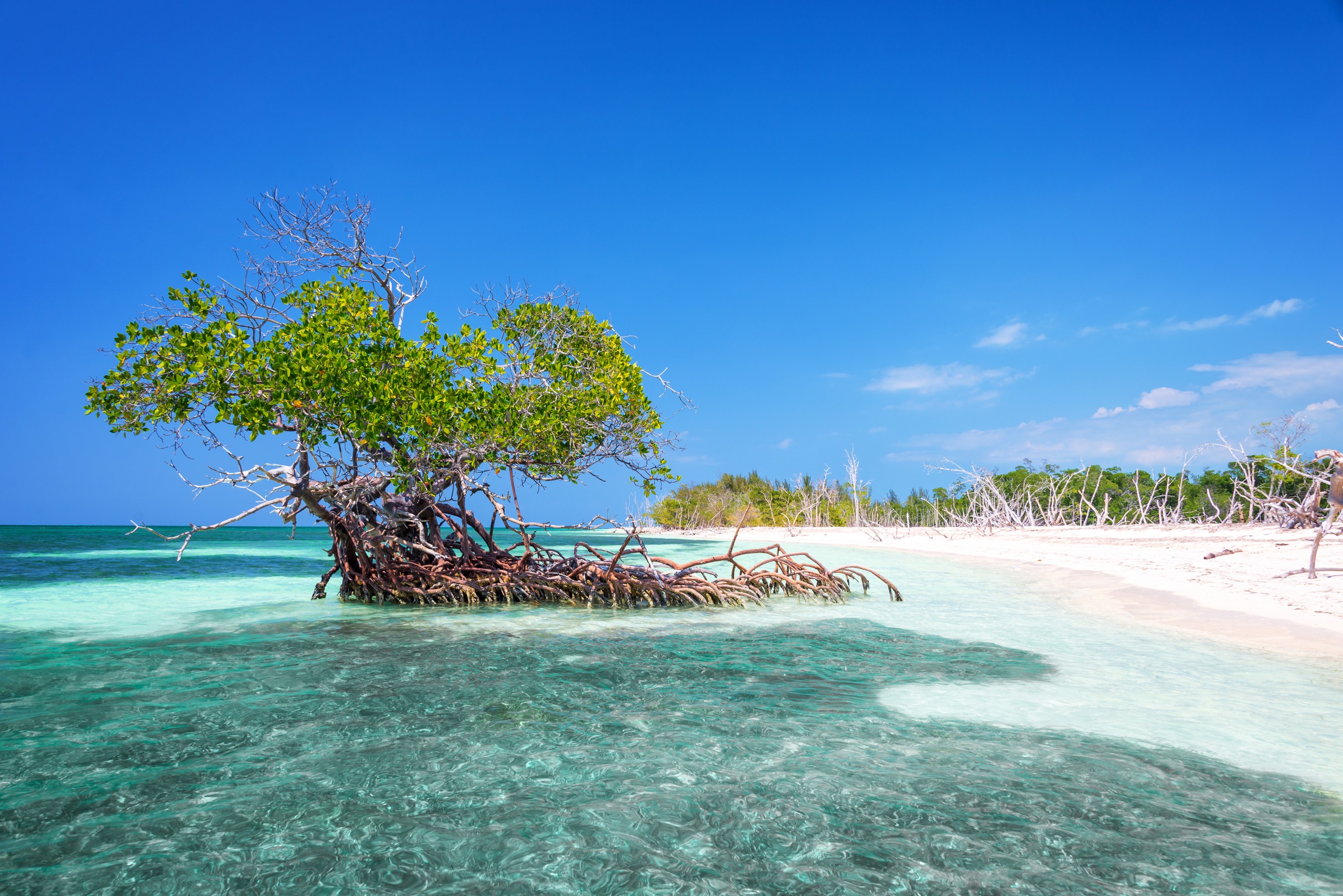
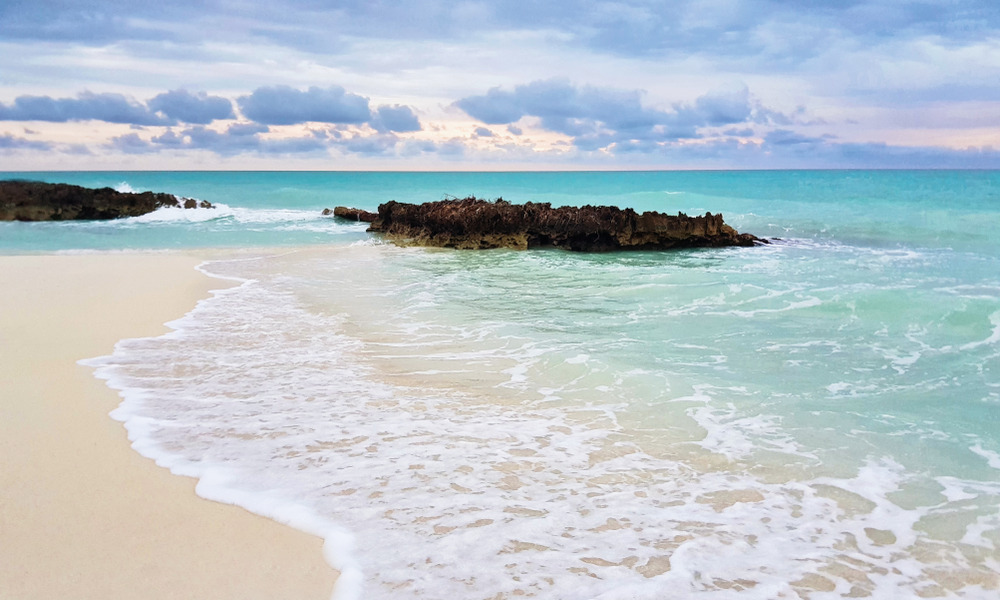
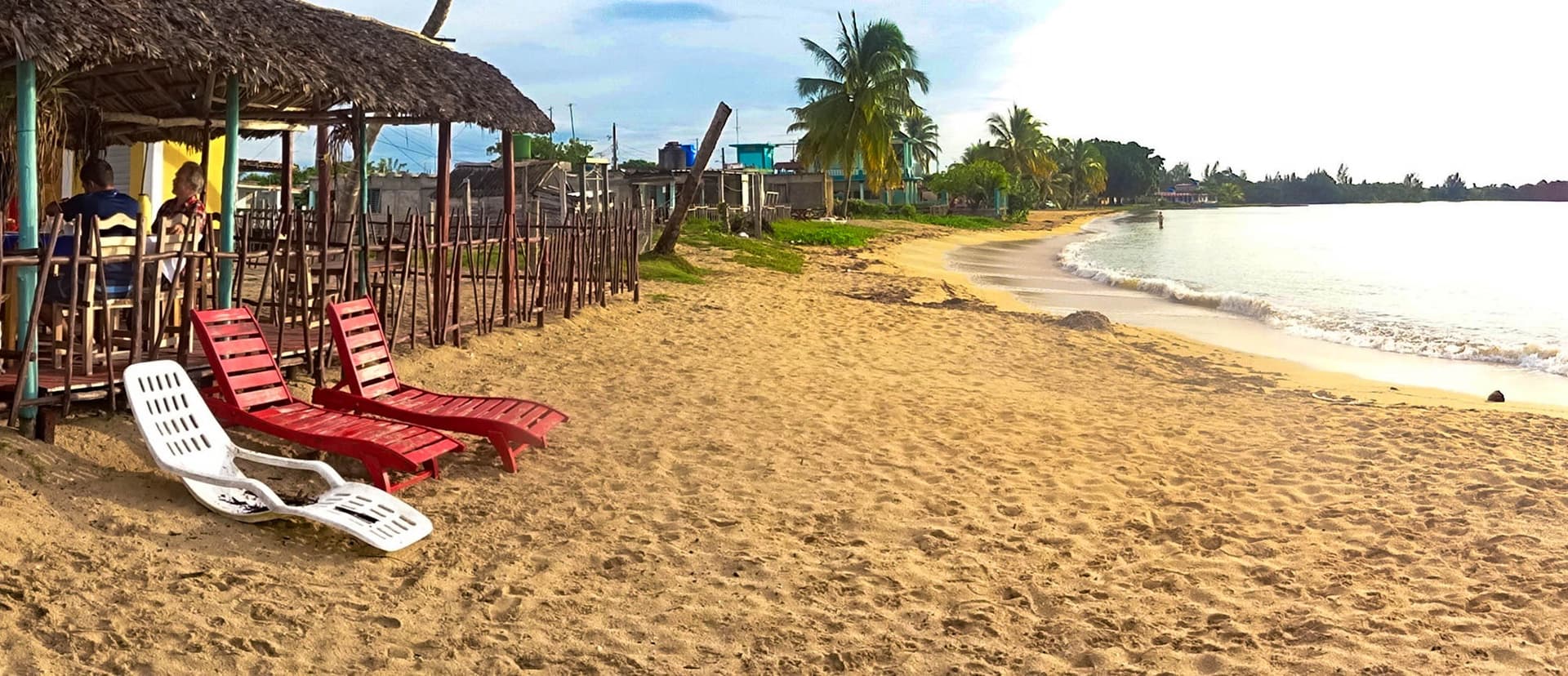
With its 4 km of white or slightly grayish sand, bordered by swaying palms and bathed by calm, clear waters, Playa Larga embodies the perfect image of an authentic Cuban beach. This peaceful strand remains untouched by mass tourism. Here, there are no impersonal hotel complexes: renovated fishermen's houses welcome visitors as casas particulares, and family terraces transform into bars or small restaurants. The resulting atmosphere is warm, local, and unhurried.
Playa Larga is also the gateway to the Ciénaga de Zapata National Park, the Caribbean's largest wetland. This park shelters a remarkable diversity of landscapes and unique fauna. Among its emblematic sites, Las Salinas lagoon offers a winter refuge for numerous bird species, while shallow coral reefs delight divers.
History
Playa Larga distinguishes itself not only through the beauty of its landscapes but also through the marked traces of Cuba's history. On April 17, 1961, this beach was one of two landing points chosen by Cuban exiles, supported by the United States, in an attempt to invade and overthrow Fidel Castro's revolutionary government. The operation, now known as the Bay of Pigs Invasion, was quickly repelled by the Cuban army and militias. While the major clashes occurred at Playa Girón, further south, Playa Larga remains a powerful symbol of the Cuban people's resistance to foreign intervention.
What to Do and See at Playa Larga and Its Surroundings?
Diving and Snorkeling in an Exceptional Setting
Playa Larga is one of Cuba's finest diving and snorkeling spots. Within the bay, coral reefs extend just tens of meters from shore, accessible without a boat. Certified divers can explore one of the world's largest coral barriers, descending to 300 meters deep over a 30 km stretch, with excellent visibility and calm waters.
For the uninitiated, snorkeling is equally spectacular. You can swim above colorful reefs, shallow wrecks, or discover marine life just a few strokes from the sand. Mask, snorkel, and you're immersed in a world of tropical fish, living corals, and underwater plants.
Varied and Accessible Water Activities
Beyond diving, Playa Larga offers a complete palette of water activities: kayaking, sport fishing, windsurfing, and guided boat excursions into wetland zones. Equipment can be rented directly in the village, and courses are available for beginners.
Swimmers will find their paradise at Caletón, a peaceful beach shaded by palms, with a few bars and restaurants for refreshment. Farther along, two other beaches also called Playa Larga offer secluded spots to relax in quiet.
Immersion in the Wild Nature of Zapata
The Ciénaga de Zapata National Park, designated a biosphere reserve, surrounds Playa Larga and constitutes the Caribbean's largest marshland. This sanctuary harbors nearly 200 bird species, including flamingos, hummingbirds, and rare migratory species. You'll also encounter crocodiles, amphibians, hutias, bats, colorful insects, and occasionally non-venomous snakes.
For hikers, the "Enigma of the Rocks" trail offers immersion into the Cuban jungle, guided by passionate experts. You can observe local wildlife in safety, as close as possible to its natural habitat.
Lagoons, Cenotes, and Hidden Treasures
Among the natural wonders surrounding Playa Larga, Laguna del Tesoro deserves a detour. Accessible only by boat from Boca de Guamá, this mysterious lake is surrounded by legend. You can reach the famous "treasure island," a serene spot steeped in ancient stories. Even farther, Caleta Buena cove seduces with its crystal-clear waters, bathing platforms, and perfect snorkeling nooks.
Cueva de los Peces and Underwater Caves
A few kilometers from Playa Larga lies an emblematic site: Cueva de los Peces. This natural cenote, 70 meters deep, invites cave diving in waters of absolute clarity teeming with tropical fish. Even snorkelers benefit from morning light that reveals submerged rock faces. Some local guides also offer exploration of flooded caves connected to the sea through underground passages.
Meeting the Crocodiles
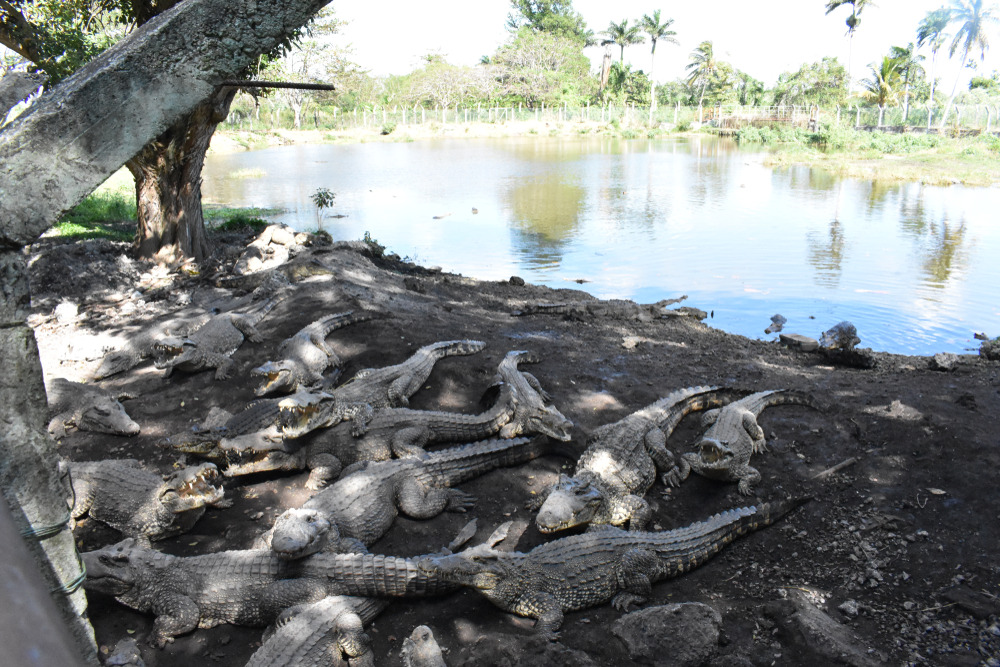
Located in Carreter, north of Playa Larga, the Criadero de Cocodrilos (crocodile farm) protects two endangered species: the Cuban crocodile and the American crocodile. This educational breeding center allows you to understand their biology and behavior, and observe them up close in complete safety. More than a simple zoo, it also offers elevated walkways and a marked trail through a marshy environment, often accompanied by skilled local guides.
A Historical and Cultural Interlude
Thirty minutes east of Playa Larga, the Bay of Pigs Museum recounts the failed 1961 invasion by Cuban exiles backed by the CIA. Outside, you can view tanks, aircraft, and weapons from the era. Inside, exhibitions in Spanish detail this pivotal episode of Cuban history. Moreover, Playa Larga's town center itself preserves memories of that time: patriotic murals, statues of Fidel Castro, and an old tank on display.
A Unique Natural Spectacle with Land Crabs
Each year, between March and July, Playa Larga transforms into the theater of a spectacular natural phenomenon: thousands of land crabs cross roads to reach the sea. As dusk falls, these crustaceans literally invade the paths, offering visitors an unexpected and living spectacle. This impressive migration has become a local curiosity, and crab naturally finds its way onto the menus of many village restaurants, where you can savor fresh dishes featuring this specialty.
To reach Playa Larga, head toward the Bay of Pigs, on Cuba's southern coast. The village sits approximately 2 hours by car from Havana or Trinidad, making it an easily accessible stop by car or bus.
Tourist buses ensure daily connections between these two cities and pass through Playa Larga. Remember to ask the driver to drop you off there, as it's not always an automatic stop. If you get off a little farther, at Playa Girón, no worries: local shuttles allow you to reach Playa Larga, as well as the other major sites on the Zapata Peninsula.
Attractions in Playa Larga
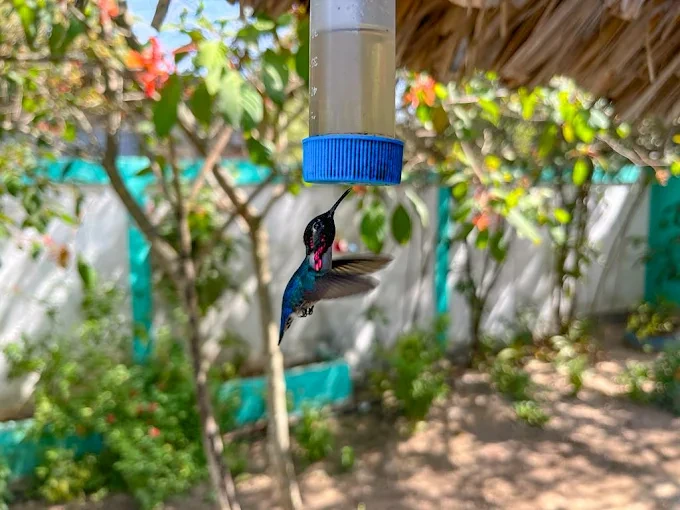
Maison du colibri
Refuge ornithologique de Guarne (Antioquia), la Casa de los Colibríes permet d'observer plus d'une dizaine d'espèces de colibris et de les nourrir à la main.
Centre de reproduction du crocodile
Sur la péninsule de Zapata, le Criadero de Cocodrilos protège deux espèces de crocodiles cubains depuis 1962. Visite guidée, démonstrations et conservation.
Want to discover this destination?
Our local advisors design your tailor-made trip.