Cienfuegos
Cienfuegos
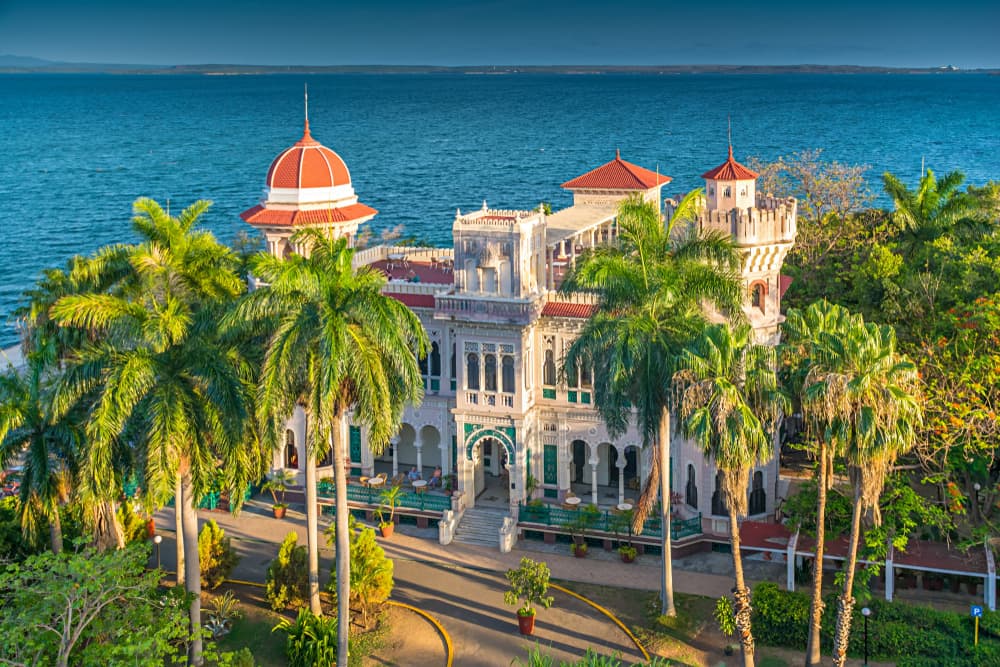
Nestled in the Bay of Jagua, Cienfuegos captivates with its French neoclassical architecture, its Palacio de Valle and excursions to El Nicho.
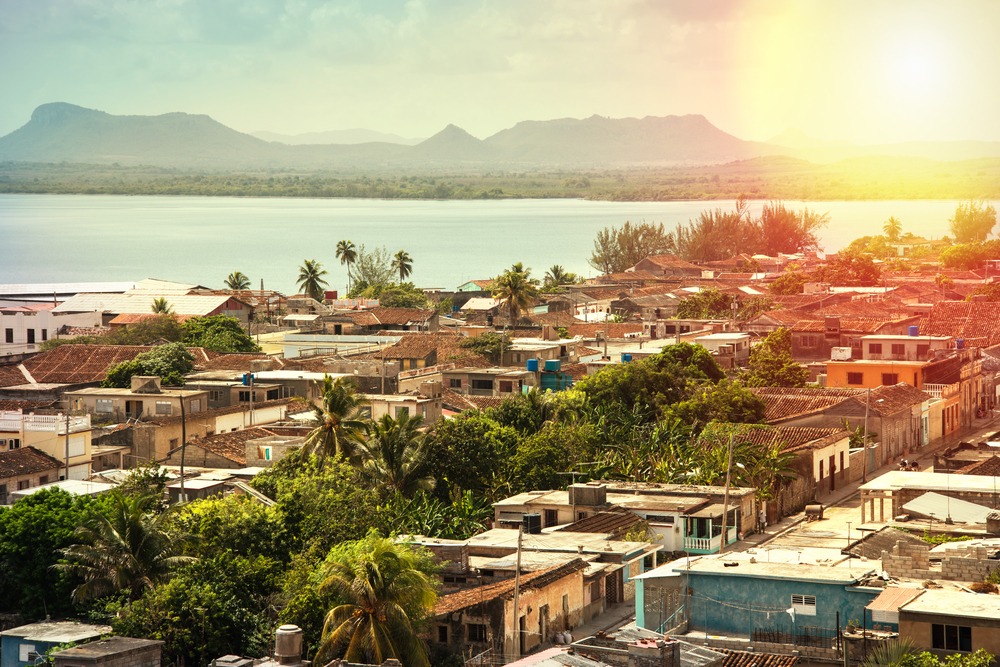
Cienfuegos is located in the province of the same name, approximately 228 km southeast of Havana. It ranks among Cuba's largest and most beautiful cities. It earned the nickname "Pearl of the South" for its location in the Bay of Jagua, as well as for its historic city center. This is complemented by a striking contrast formed by industrial buildings and a colonial architectural style. For all these reasons, Cienfuegos was designated as a UNESCO World Heritage site.
History
Cienfuegos was founded in 1819 by immigrants from France and Louisiana. It owes its present name to José Cienfuegos, a Spanish-born politician and former governor of Cuba who served during the 19th century.
Discovering Cienfuegos Today
As evidenced by most of its structures, Cienfuegos reveals, in large part, a "French-style" architectural character—it's no surprise, then, that it is called the "French seaside town." Although modernity has gradually begun to alter its appearance, the city remains firmly rooted in its original heritage. In fact, the charm of some of its buildings is owed to Don Luis de Clouet, the city's principal founder and designer.
Each year, two celebrated cultural events take place in Cienfuegos:
- The Benny Moré International Music Festival, held in September.
- The Cienfuegos Carnival, celebrated with days of Cuban music and local traditions.
This great metropolis is also known for its botanical garden, the "Jardín Botánico Soledad," located about ten kilometers from the city center. This historic institution today houses a rich collection of tropical exotic plants, including various species of orchids, palms, ficus trees and bamboo.
Turned entirely toward the sea, its grid-patterned streets invite leisurely walks to discover a distinctive face of Cuban colonial cities.
What to See in Cienfuegos?
Cienfuegos stands out especially for its charming buildings with remarkable architecture. A day and night may be enough to discover the beauty of Cienfuegos.
Parque José Martí
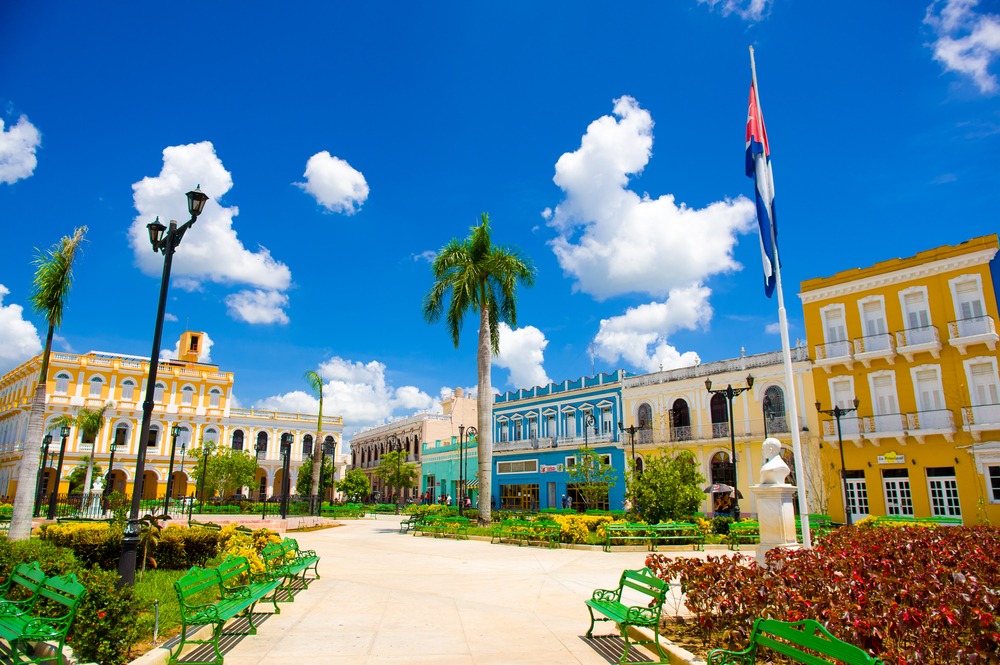
Named after the Cuban independence advocate, this grand colonial plaza sits at the heart of Cienfuegos and exudes peaceful charm. You can sit on one of the many benches near the kiosk for a rest. Next, visit the Tomas Terry Theatre located at the same site. The interior of this beautiful colonial building draws inspiration from purely Italian styles. Just steps away stands the Provincial Museum, with its time-worn character. If you're passionate about history, this place contains all the country's records, including those of Cienfuegos. In the northeast section rises the Cathedral of Our Lady of the Immaculate Conception. This neoclassical edifice, built in the second half of the 18th century, is distinguished particularly by its French stained-glass windows. A curious detail: you'll likely notice Chinese characters engraved on some of the pillars.
From Paseo del Prado to Punta Gorda
Paseo del Prado is a long avenue lined with neoclassical buildings. It runs from the Río El Inglés and ends at the entrance to Punta Gorda. On the south side, this road changes its name to El Malecón as it runs along the waterfront. This walk brings together Cienfuegos' residents to enjoy themselves and relax. Upon reaching Punta Gorda, you won't tire of admiring its beautiful homes.
Fortress of Nuestra Señora de los Ángeles de Jagua
Designed in the 18th century to protect against pirate invasions, this fortification stands at the entrance to Cienfuegos Bay. The medieval-looking construction blends perfectly with the city's architectural style. Moreover, the location offers an excellent viewpoint over the cove. To reach it, simply take the ferry from Cienfuegos.
Climate
Like other regions of Cuba, Cienfuegos experiences two distinct seasons and can be visited year-round. The dry season runs from late November to late April, with low rainfall and mild temperatures. These tend to rise during the rainy season between May and November, characterized by brief showers. During both periods, the sun is virtually present throughout the day.
Cienfuegos is easily reached by bus or shared taxi from Havana. The journey takes between 4 and 4.5 hours.
From Varadero in the north, expect approximately 3.5 hours by bus.
If you wish to travel to Cienfuegos from Trinidad, plan for approximately 1 hour 15 minutes by bus.
With your travel agency, you can take advantage of a private vehicle with driver.
All travel within the city can be done on foot or by electric bike.
Attractions in Cienfuegos
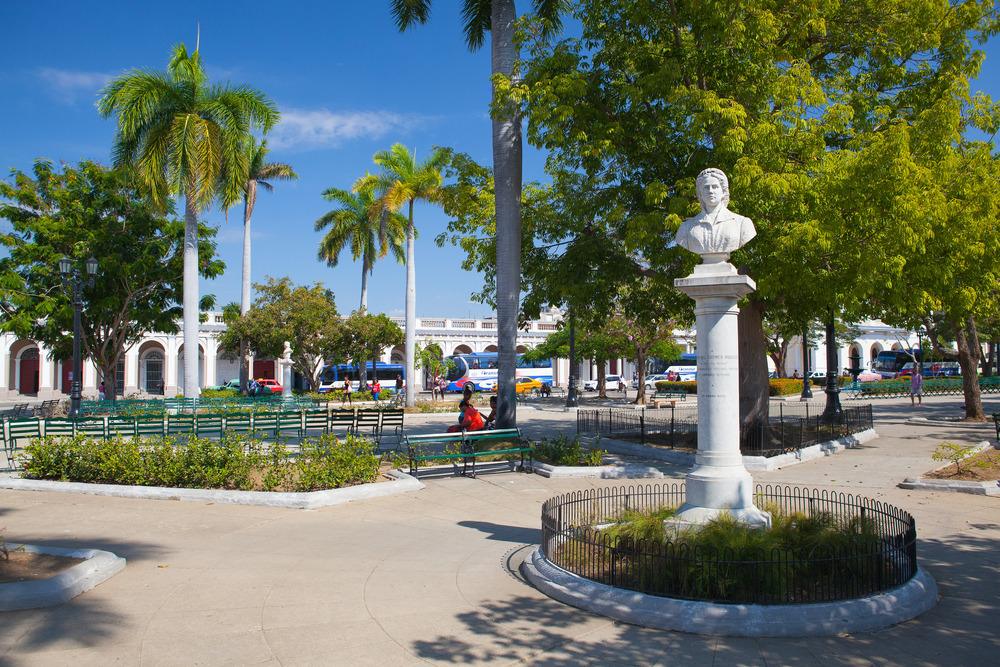
Parc José Marti à Cienfuegos
Cœur historique de Cienfuegos et point fondateur de la ville en 1819, le parc José Marti concentre monuments commémoratifs et architecture néoclassique classée UNESCO.
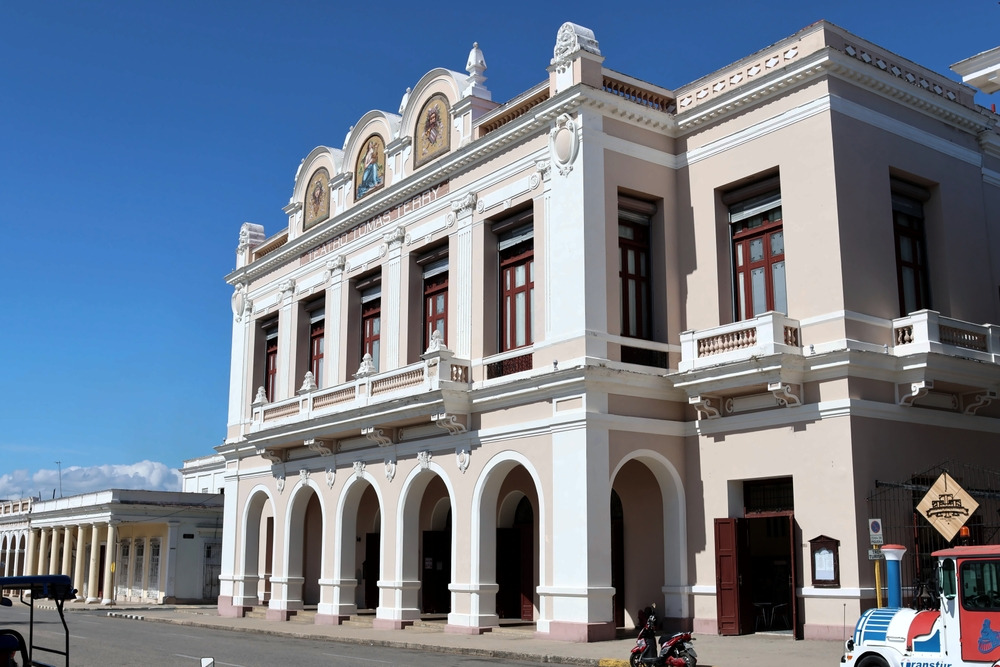
Théâtre Tomás Terry
Inauguré en 1890 face au Parque José Martí, le Théâtre Tomás Terry de Cienfuegos est l'un des grands théâtres à l'italienne de Cuba, classé monument national.
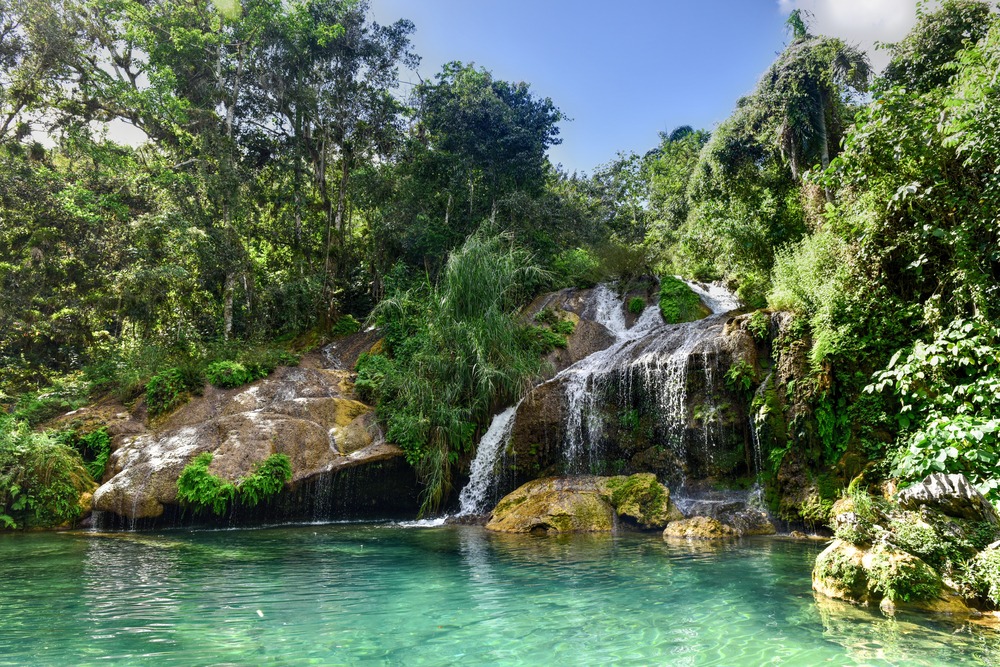
El Nicho
Cascades, bassins naturels et sentier de 1,5 km dans la Sierra del Escambray, à environ 90 km de Cienfuegos : tout savoir pour visiter El Nicho.
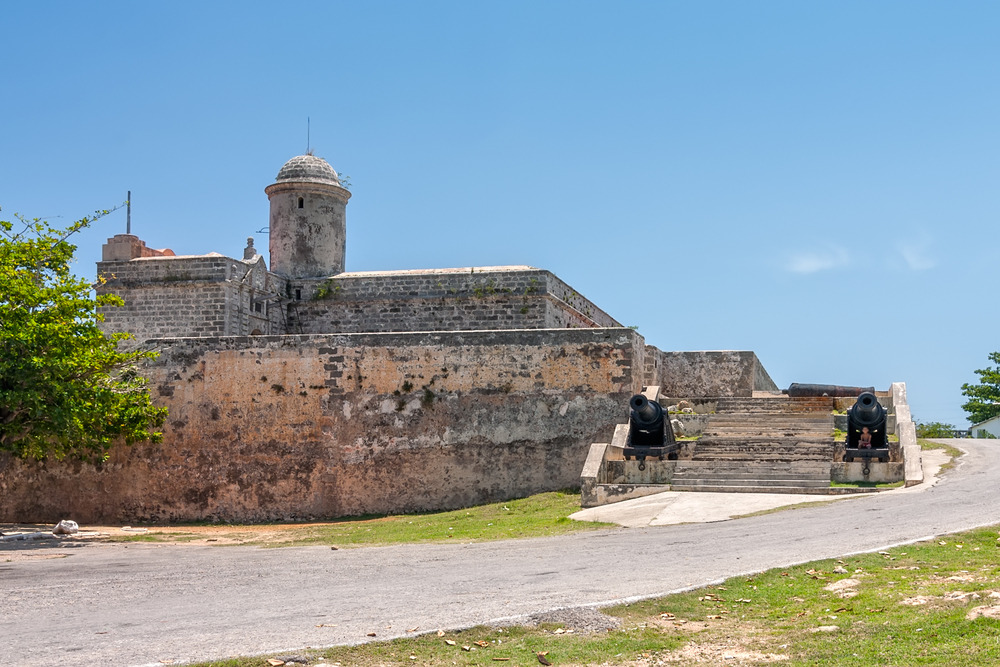
Château de Jagua
Forteresse espagnole inaugurée en 1745 à l'entrée de la baie de Cienfuegos, le Castillo de Jagua se visite en ferry et abrite un musée historique depuis 1998.
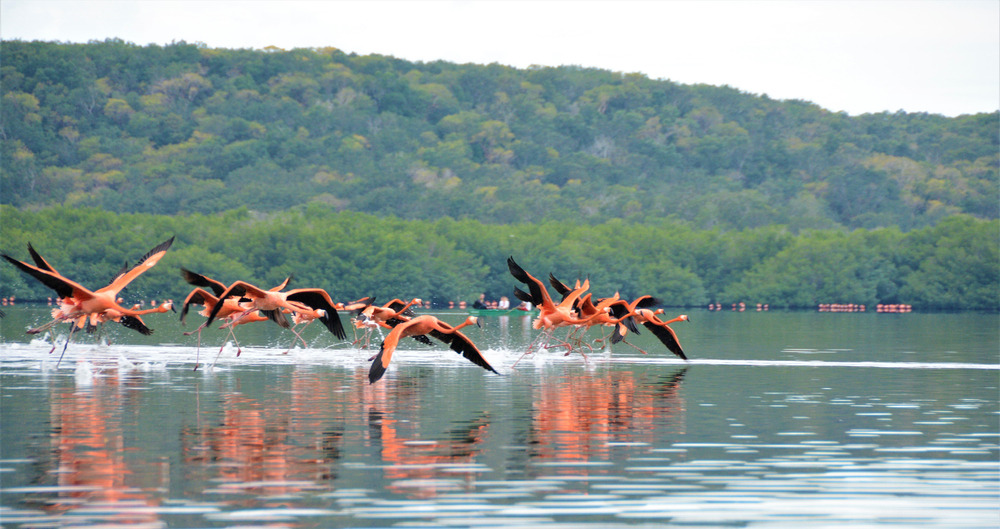
Laguna Guanaroca
Lagune saumâtre à 12 km de Cienfuegos, refuge de faune protégé célèbre pour ses flamants roses, ses mangroves et la légende siboney qui lui a donné son nom.
Want to discover this destination?
Our local advisors design your tailor-made trip.