Playa Girón
Playa Girón
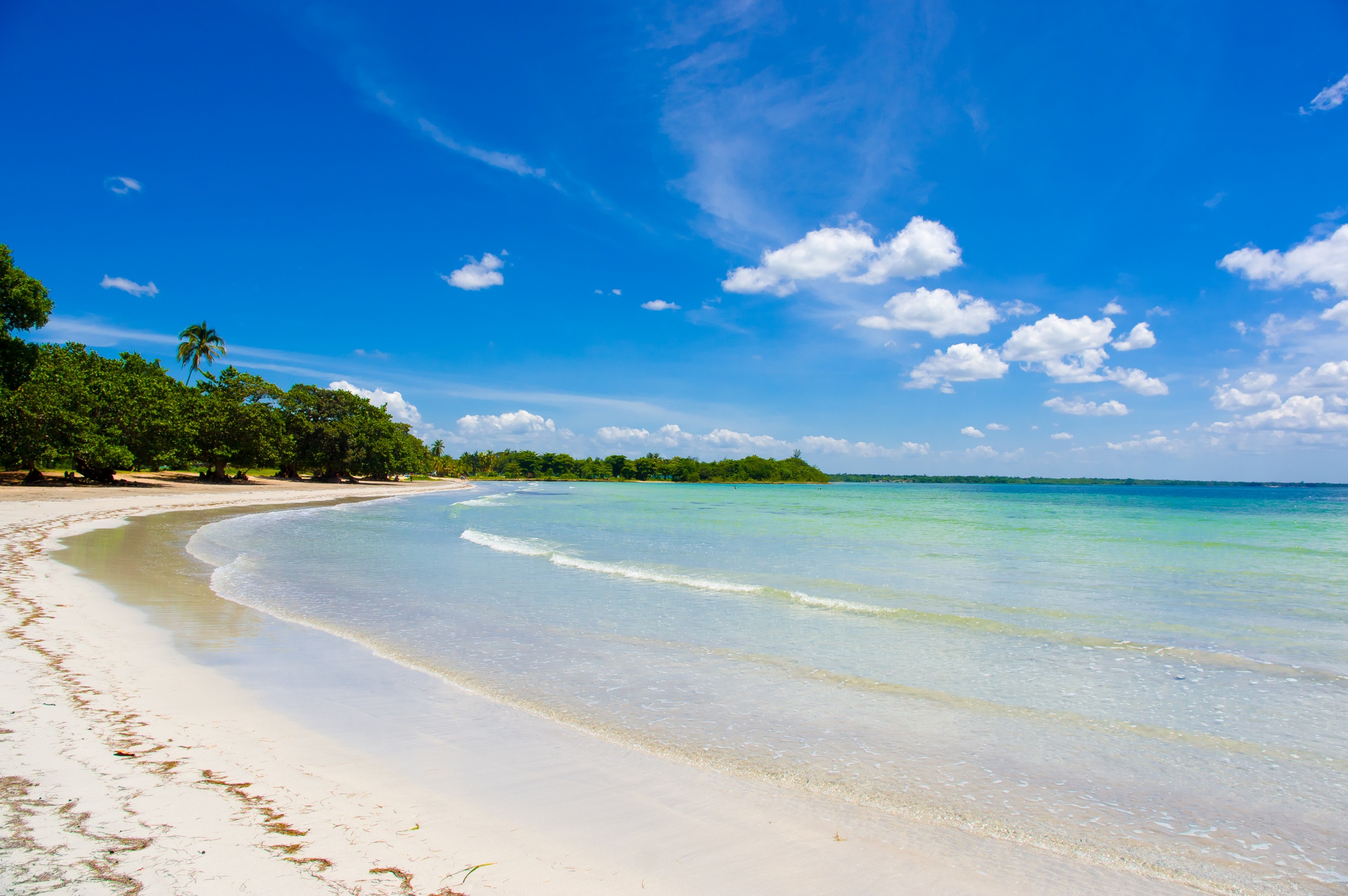
A beach on Cuba's southern coast, Playa Girón combines shore diving, the memory of the 1961 invasion, and cenotes within Zapata park.
Playa Girón is a beach on Cuba's southern coast, situated east of the Bay of Pigs in Matanzas province. The site combines three distinct centers of interest: a shoreline ideal for diving and snorkeling, a historical past marked by the invasion attempt of April 1961, and a natural environment of cenotes, mangroves, and coral reefs.
Why visit Playa Girón?
Playa Girón appeals to three traveler profiles. Divers find direct reef access from shore, without a boat—a rarity in the Caribbean. Contemporary history enthusiasts visit for the Bay of Pigs Museum, which documents a pivotal Cold War episode. Nature lovers explore interior cenotes, trails through Ciénaga de Zapata national park, and observe migratory birds between November and April.
Visitor numbers remain moderate compared to beaches in Varadero or Cayo Coco, preserving a more rural atmosphere and direct contact with the village's casas particulares.
History: the invasion of April 1961
Playa Girón takes its name from Gilbert Giron, a French pirate who attempted to plunder the region in the early 17th century before being captured and beheaded on the spot.
The site has chiefly marked 20th-century history. On April 17, 1961, approximately 1,400 Cuban exiles, recruited and trained by the CIA in an operation orchestrated under the Eisenhower administration, land in the Bay of Pigs to attempt the overthrow of Fidel Castro's government. The operation, resumed and executed under Kennedy, ends in military failure within 72 hours. Cuban forces achieve victory on the beaches of Girón and Larga.
Political consequences are immediate: Fidel Castro openly declares the socialist character of the revolution and tightens the alliance with the USSR, paving the way for the 1962 missile crisis.
What to see and do at Playa Girón
The Bay of Pigs Museum
Located in immediate proximity to the beach, the museum (Museo Girón) displays weapons, photographs, and archival documents on the invasion. Outside are displayed a Sea Fury fighter aircraft and a tank, material witnesses to the 1961 combat. Allow approximately one hour for the visit.
Diving and snorkeling
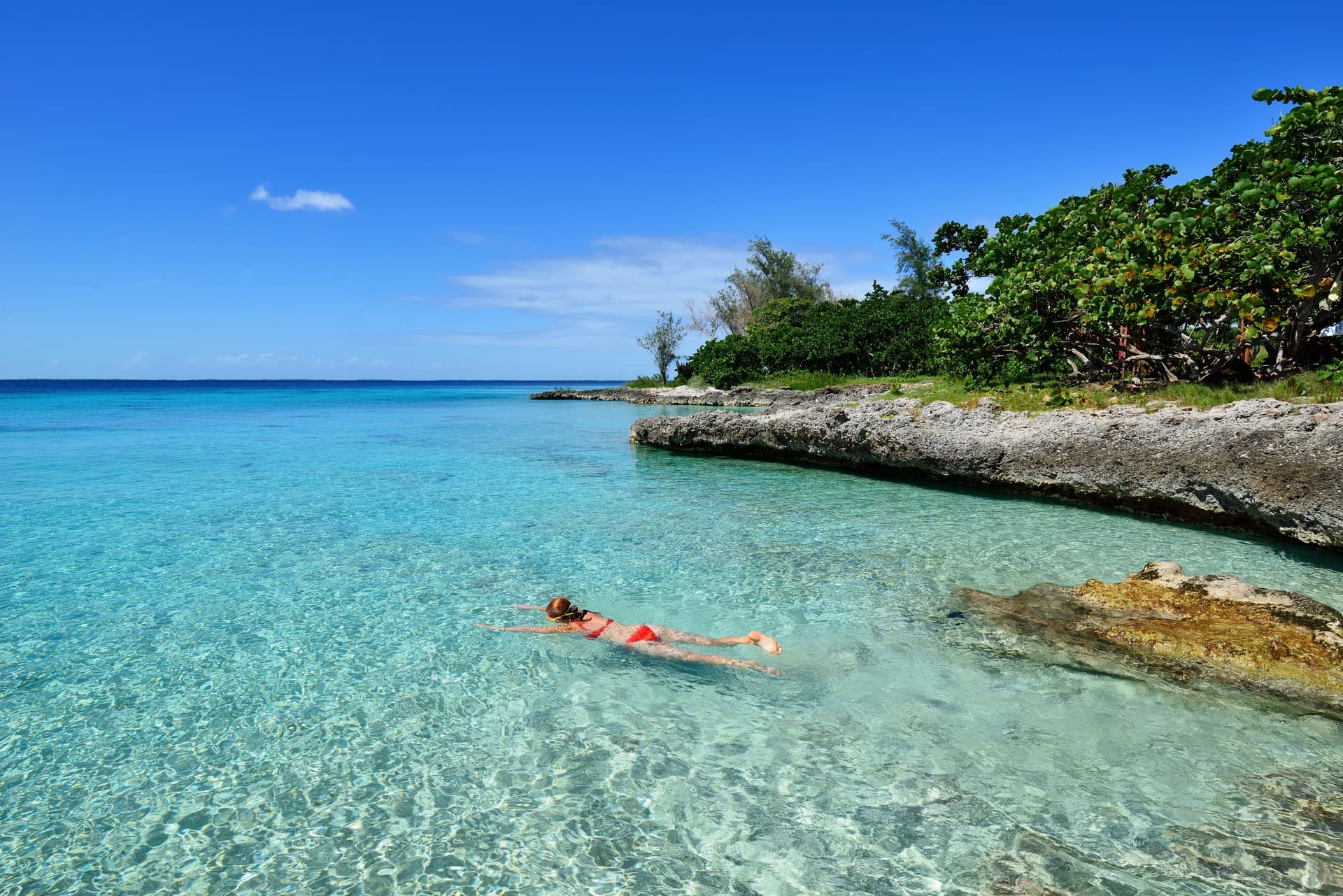
The Bay of Pigs features some thirty dive sites, thirteen of which are concentrated around Playa Larga, 34 km to the northwest. Other sites are distributed along the coastline, accessible directly from shore. Visibility is generally good thanks to the karstic nature of the seabed and the absence of significant river discharge.
The Punta Perdiz site, between the two beaches, is the most renowned: coral dropoff close to shore, clear waters, and on-site dive infrastructure. Observable fauna includes mackerel, barracuda, nurse sharks, sponges, and reef fish. Submerged caves harbor red shrimp typical of cave environments.
Cueva de los Peces
Halfway between Playa Larga and Playa Girón, Cueva de los Peces is a cenote—a karstic sinkhole filled with water, here partially connected to the sea. Deeper than 70 meters, the site suits swimming, snorkeling, and guided cave diving. The contrast between fresh surface water and the saline layer in depth (halocline) creates a striking visual effect.
Birdwatching
Ciénaga de Zapata national park, which encompasses the region, is one of the richest wetland areas in the Caribbean. The observation season runs from November to April, a period of migration and lower humidity.
Practical information
- Location: southern coast of Cuba, Matanzas province, east of the Bay of Pigs.
- Recommended visit duration: 1 to 2 days to combine beach, museum, diving, and cenotes.
- Accommodation: primarily in casas particulares in the village of Girón or in Playa Larga.
- Equipment: snorkeling and diving gear available for rental on site, but bringing your own mask is recommended.
- Currency: plan for cash; card payments remain limited in the region.
When to visit Playa Girón
The dry season, from November to April, offers the most stable conditions: temperatures of 22 to 28 °C, calm seas, optimal diving visibility, and passage of migratory birds. The wet season (May to October) combines heat, short but intense rains, and cyclone risk between August and October. February and March offer a balanced compromise between crowds and climate.
How to reach Playa Girón
From Havana, allow approximately 3 hours of driving (200 km) via the national highway, then the secondary road toward Jagüey Grande and Playa Larga. Three main options:
- Viazul bus: the Havana–Trinidad line serves Playa Girón with several daily passages. Booking advised in high season.
- Car rental: the most flexible solution for exploring sites between the two beaches.
- Shared taxi or private transfer: from Havana, Cienfuegos, or Trinidad, negotiable through casas.
Trinidad is approximately 2.5 hours' drive to the east, Cienfuegos 1.5 hours.
Nearby
Playa Girón integrates easily into an itinerary connecting central-southern Cuba:
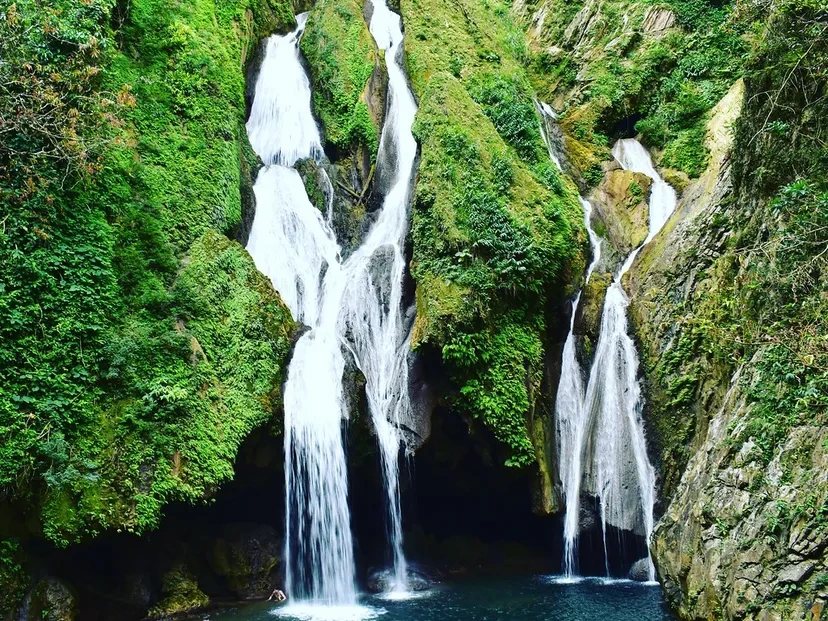
- El Nicho: waterfalls and natural pools in the Escambray mountain range, accessible from Cienfuegos.
- Jagua Castle: 18th-century colonial fortress at the entrance to Cienfuegos Bay.
- Laguna Guanaroca: coastal lagoon renowned for its flamingos, near Cienfuegos.
- San Severino Castle: former fortress in Matanzas, now a museum of the slave trade route.
Frequently asked questions
Frequently asked questions
Include Playa Girón in your journey
Playa Girón integrates naturally into a circuit connecting Havana, Cienfuegos, and Trinidad. To build a customized itinerary combining beaches, diving, and colonial heritage, consult our Cuba voyages.
Interested in this visit?
We can include it in your personalised itinerary.