Nengoa Trail
Nengoa Trail
Located 8 km from Topes de Collantes, the Nengoa Trail leads to a karst cave, a waterfall and the coffee plantations of a family in the Sierra del Escambray.
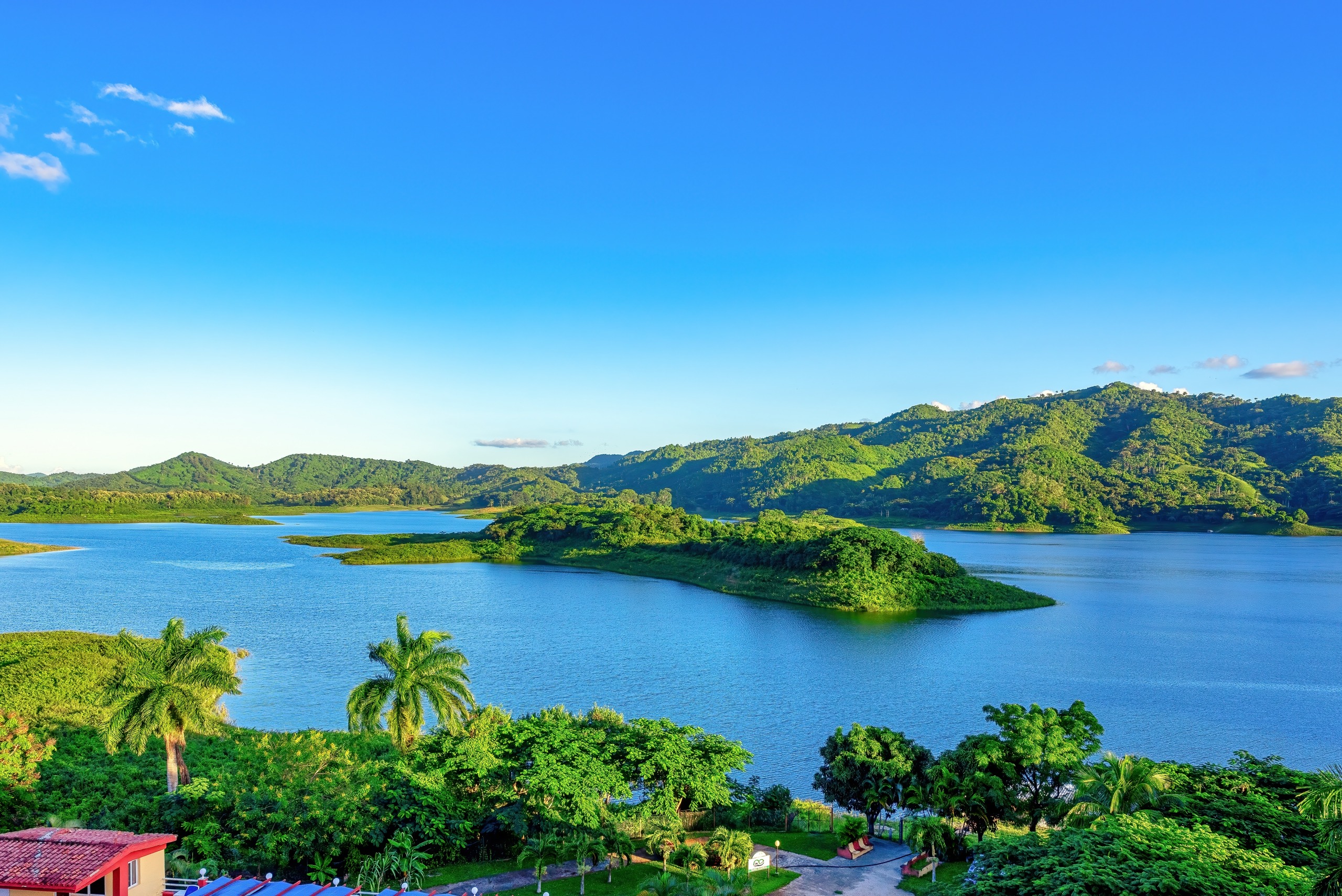
The Nengoa Trail winds through the Sierra del Escambray, in central Cuba, approximately 8 km from Topes de Collantes. This route leads to a karst cave crowned by a waterfall and crosses agricultural land still worked by the Nengoa family. It's one of the rare opportunities in the region to combine tropical forest hiking, freshwater swimming and encounters with mountain coffee growers.
Why visit the Nengoa Trail
The site brings together three elements rarely found in the same Cuban itinerary. First, a remarkable karst environment: the waterfall plunges into a deep lagoon at the heart of a natural amphitheater carved by erosion. Next, a human dimension, with brothers Ramón, Tite and Evelio Nengoa, farmers whose family gave its name to the place and who still cultivate coffee on the surrounding land. Finally, modest visitor traffic compared to coastal sites near Trinidad or the Ancón peninsula, which preserves the rural character of the area.
If you're exploring the country's interior, this detour usefully complements a beach or city stay with a day at altitude in the Guamuhaya range—another name for the Sierra del Escambray.
What to see and do on site
The cave and waterfall
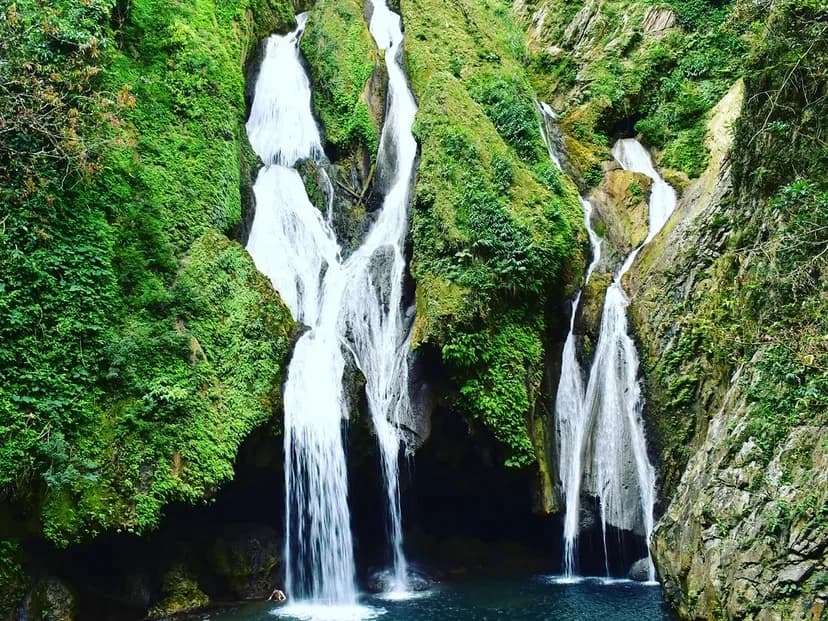
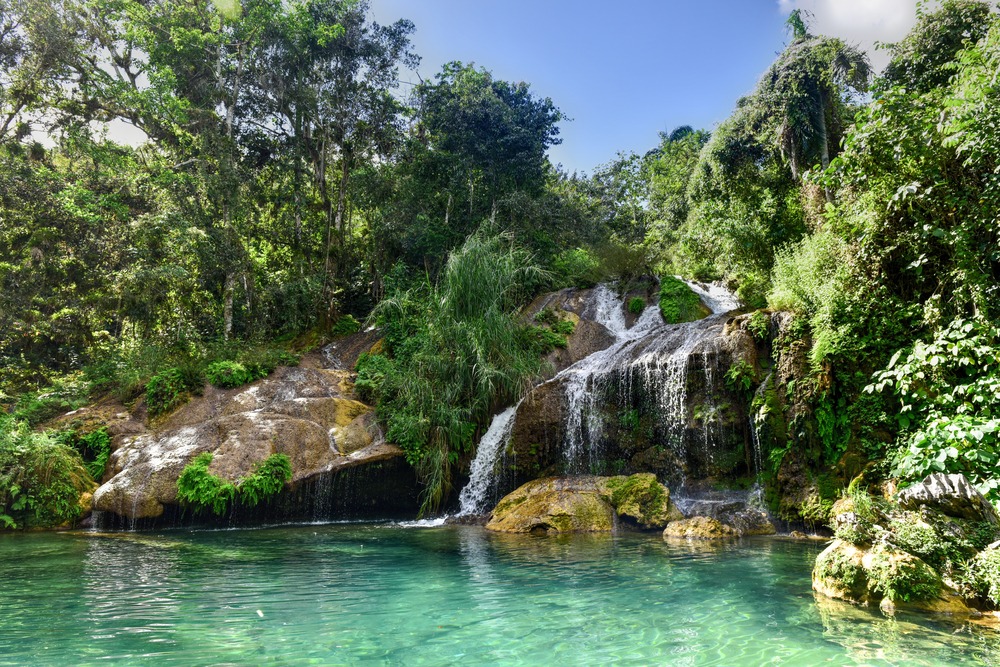
The highlight of the trail is the Gruta de Nengoa, a karst cavity above which a waterfall of approximately 12 meters falls. The cascade feeds a deep lagoon, framed by rock walls carpeted with ferns and wildflowers. Erosion has carved an amphitheater-shaped volume where light diffuses unevenly depending on the hour. Swimming in the pool is one of the highlights of the visit, provided you're comfortable in deep water.
The Nengoa family's coffee lands
The trail crosses plots cultivated by the Nengoa family, primarily dedicated to coffee. Depending on the season, you may observe harvesting, grain drying in the sun and manual stages of processing. The operators willingly share their methods, passed down through generations.
The mountain coffee ritual
At day's end, by lamplight, the hosts prepare café montuno: beans roasted over a wood fire, ground by hand, filtered through coarse cloth. Tasting takes place on-site, in a simplicity that captures the spirit of the place.
History and legends of the site
The cave takes its name from a family of farmers settled in the Sierra del Escambray. Brothers Ramón, Tite and Evelio Nengoa were long the only permanent residents of the sector, and their surname remained attached to the site. The place remains poorly documented in standard guides, which explains its discrete visitor traffic.
Two stories circulate locally. The first recounts that a particularly violent hurricane swept a great royal palm into the lagoon, the tree engulfed never to surface again—an event said to have marked the "discovery" of the cave by inhabitants. The second evokes a mysterious creature lurking in the depths of the pool, which would devour careless animals. No one claims to have seen it, but the story continues to fuel conversation on neighboring farms.
Practical information
- Fitness level: moderate for standard hiking, more demanding for canyoning (gorge descent).
- Equipment: closed hiking shoes, swimsuit, towel, water, insect repellent, change of clothes. Waterproof bag useful for passages near the waterfall.
- Time on site: plan for a half-day to a full day depending on the option chosen.
- Prices: moderate rate for jeep excursion, higher for guided canyoning. Creole meal generally included in organized tours.
- Free access: not recommended without a local guide, as the trail is not standardly marked.
When to go
The dry season, from November to April, remains the most comfortable period: trails are passable, waterfall flow is steady without excess, temperatures are manageable at altitude. The wet season (May to October) swells waterways and makes certain passages slippery; tropical showers are frequent in late afternoon.
To witness coffee harvesting, aim for the dry season, which traditionally corresponds to picking in the Sierra del Escambray. Mornings are also the quietest times to enjoy the site before tour groups arrive.
How to get there
Three main entry points lead to the Nengoa Trail:
- From Topes de Collantes: this is the most direct access, approximately 8 km away. It's also the classic starting point for the canyoning option, with descent into the gorges to the cave and Creole meal on-site.
- From Trinidad: the Jeep Safari "Nengoa Trail" excursion offers an all-terrain vehicle circuit of approximately 8 hours, with a stop at the coffee museum then swimming and lunch at the cave.
- From the Ancón peninsula: same jeep options, with slightly longer transfer time.
The "El Nengoazo" tour, operated in all-terrain vehicle, provides a quieter alternative without significant athletic components.
Nearby attractions
The Nengoa Trail fits well into a broader loop through central Cuba. Topes de Collantes, the main excursion hub, provides access to several other waterfalls and viewpoints in the Sierra. To the south, the Bay of Pigs offers renowned diving sites. Further west, the Jagua Castle near Cienfuegos recalls the colonial past. History enthusiasts will also appreciate the Museo de Historia Municipal in Trinidad, immediately near the excursion departure point.
Frequently asked questions
Frequently asked questions
Plan your trip
The Nengoa Trail integrates easily into an itinerary centered on Trinidad and the Sierra del Escambray. To build a complete journey combining mountains, colonial towns and coastline, consult our Cuba travel suggestions.
Interested in this visit?
We can include it in your personalised itinerary.