Castillo del Morro
Castillo del Morro
A 17th-century Spanish-American fortress listed by UNESCO, Castillo del Morro guards the entrance to Santiago de Cuba's bay.
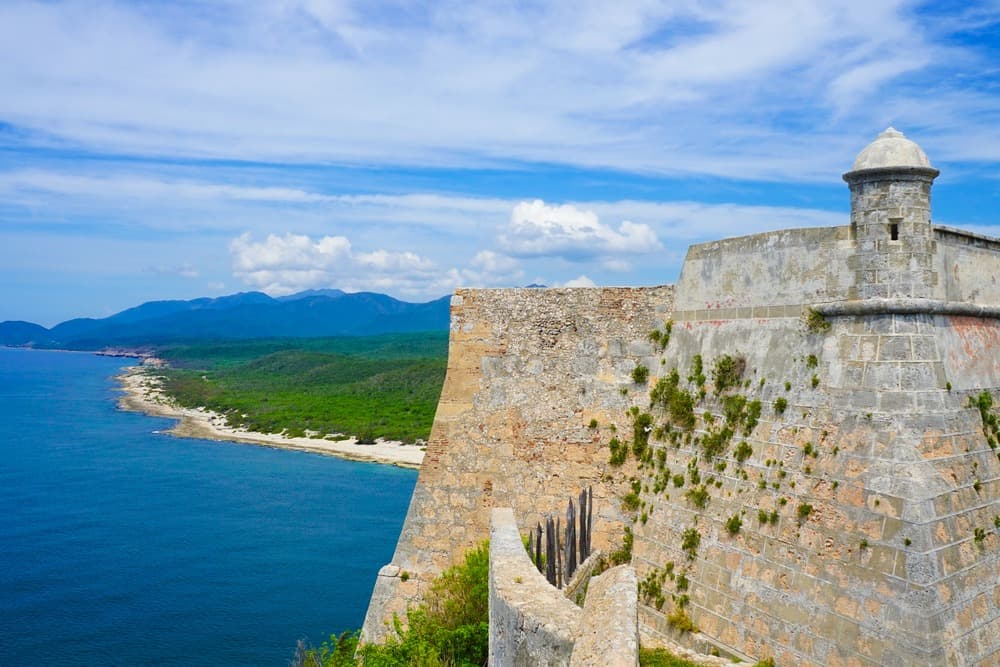
The Castillo del Morro, officially Castillo de San Pedro de la Roca, has guarded the entrance to Santiago de Cuba's bay since the 17th century. Perched on the rocky promontory of El Morro, this Spanish-American fortress was inscribed on UNESCO's World Heritage list in 1997. It stands as one of the major historical sites in eastern Cuba.
Why Visit Castillo del Morro
The site offers three compelling reasons: a remarkable example of Spanish-American military architecture, a rich history tied to the struggle against Caribbean piracy, and sweeping views over the ocean and bay entrance. The castle merits a one- to two-hour visit, sufficient time to explore the bastions, descend into the vaulted chambers, and appreciate the geometric design conceived by engineer Juan Bautista Antonelli. An on-site museum and historic chapel further enhance its cultural significance.
For travelers on an eastern Cuba circuit, Castillo del Morro forms a natural culmination after a day exploring Santiago's historic center.
History of Castillo de San Pedro de la Roca
During the 16th and 17th centuries, the Caribbean was the scene of constant raids by privateers and corsairs. To protect its possessions, the Spanish Crown decided to build a network of fortifications around Cuba's coastline. Two emblematic structures were entrusted to Italian military engineer Juan Bautista Antonelli: the Castillo de los Tres Santos Reyes Magnos del Morro in Havana, and its counterpart in Santiago.
The Santiago fortress was designed in 1637 for governor Pedro de la Roca y Borja, whose name it officially bears. Antonelli adapted his plan to the steep slopes of the promontory, which rises some 200 feet above the sea. Construction began in 1638 and extended for over forty years, reaching completion around 1700.
The building process was marked by hardship. In 1662, English privateers captured Santiago for two weeks and damaged the structure. Spain's response included increasing the garrison to 300 men and conducting repairs between 1663 and 1669. A series of earthquakes then necessitated further reconstruction from 1675 to 1692.
From 1775 onward, as external threats diminished, two fortress sectors—La Roca and La Estrella—were converted into political prisons, while the remainder retained its military function. The castle played a role once more during the Spanish-American War of 1898, when the American fleet attacked Spanish ships departing Santiago's bay. UNESCO's 1997 recognition honored the entire complex: fortress, magazines, bastions, and associated batteries, regarded as an exceptional testimony to Spanish-American military engineering.
What to See On-Site
The visit follows a path through superimposed terraces, connected by stone ramps and staircases. The bastioned layout, symmetry of angles, and relationship between walls and openings give the site its architectural coherence.
- The interior museum (formerly Museo de la Piratería) comprises five permanent exhibition rooms: edged weapons, firearms, documents, and artifacts chronicling the fortress's history and Caribbean piracy.
- The chapel houses a 17th-century sculpted wooden Christ, one of the region's oldest religious treasures.
- The bastions and batteries overlooking the open sea, offering the site's most expansive viewpoints.
- The vaulted magazines and casemates, which underscore the stronghold's logistical function.
Practical Information
Castillo del Morro is open for visits year-round. Opening hours typically span morning and afternoon with late-day closures; it's wise to verify locally before visiting. Admission is modest by Cuban heritage site standards, with a customary surcharge for photography.
Plan for 1 to 2 hours to explore at leisure. The terrain is uneven: bring closed-toe shoes, water, and sun protection, as shade is sparse on the terraces.
How to Get There
The fortress lies approximately 10 km southwest of central Santiago de Cuba, at the island's southeastern tip. Several access options:
- Taxi from central Santiago: the most direct option; negotiate a round-trip fare with waiting time.
- Rental car: useful if combining this visit with other regional sites.
- Organized excursion from Santiago, often paired with other local attractions.
Public transportation to the site remains impractical for passing travelers.
When to Visit
Santiago de Cuba enjoys a hot, humid tropical climate. The dry season, November through April, provides the most comfortable conditions: milder temperatures and reduced rainfall. June through October sees concentrated showers and cyclone activity. For optimal light over the bay, choose late afternoon.
Nearby Attractions
Castillo del Morro integrates well into a Santiago de Cuba stay and its surroundings:
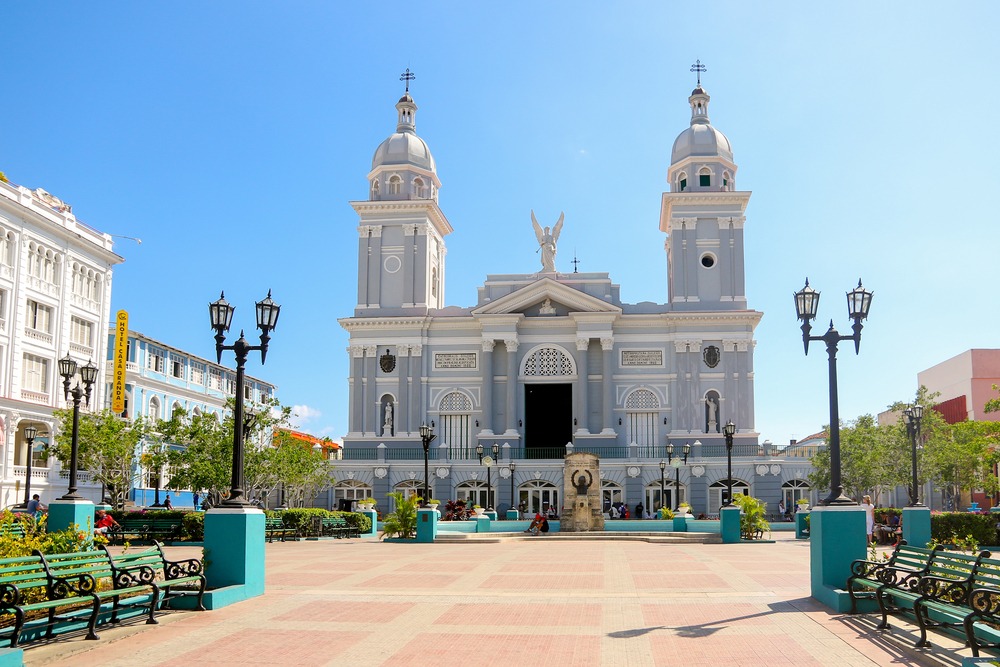
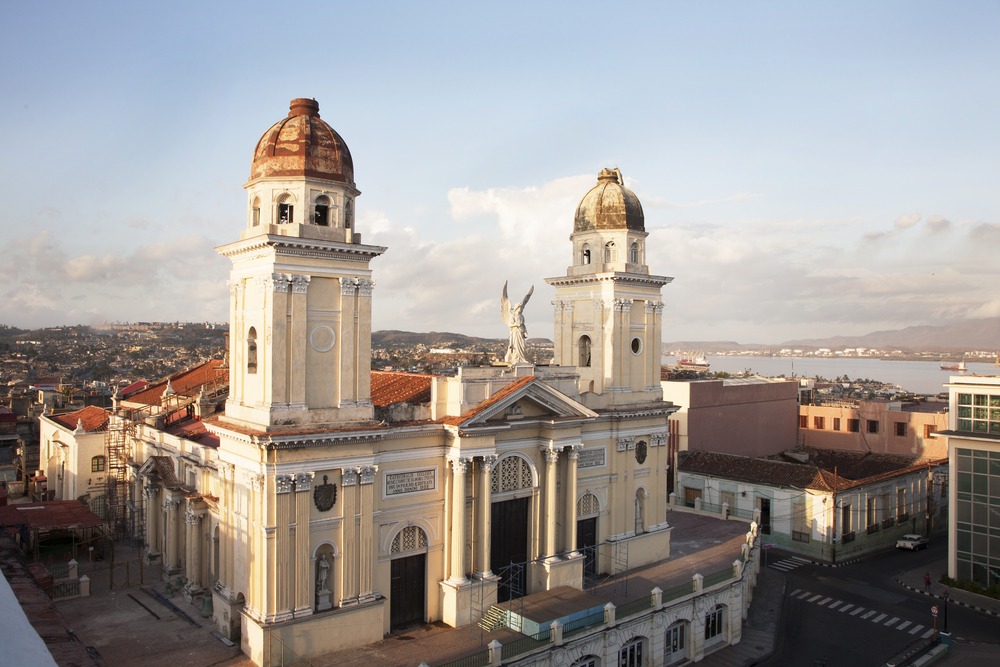
- Santiago de Cuba, its historic center and cathedral.
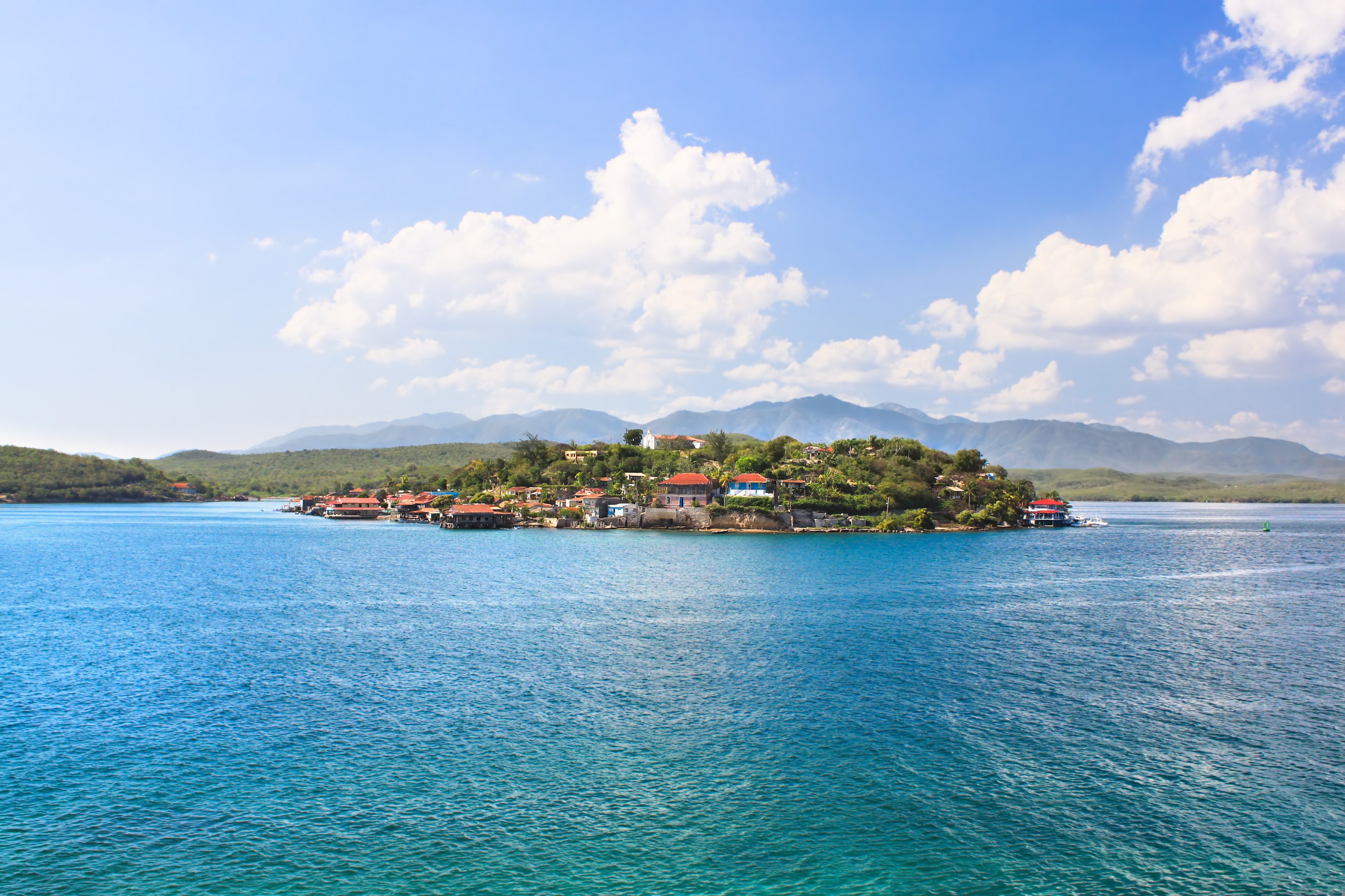
- Cayo Granma, a small fishermen's island in Santiago's bay.
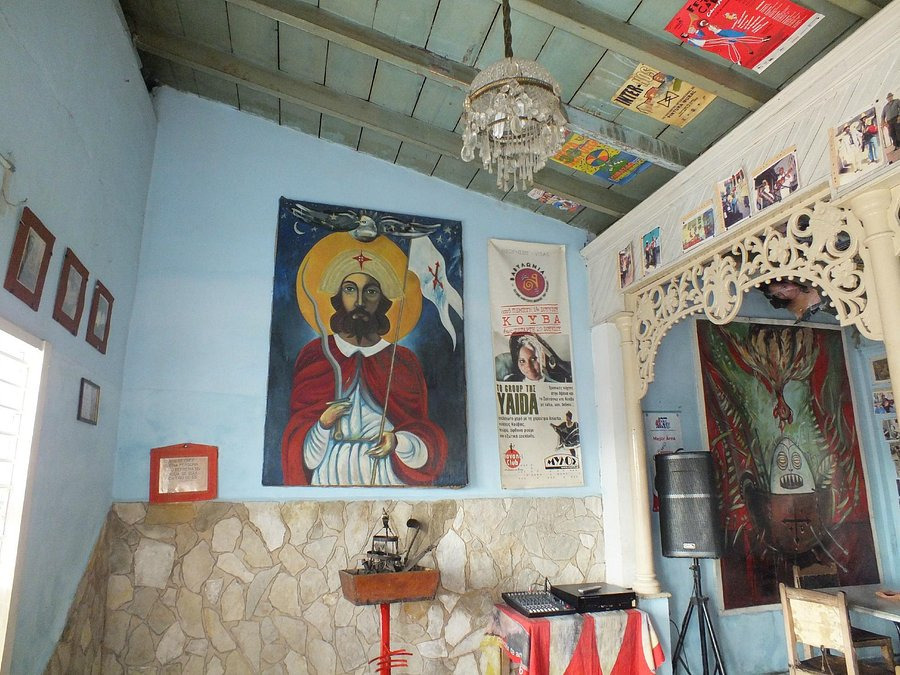
- The House of the Hummingbird, an unusual nature-themed stop.
- The Che Guevara Mausoleum and Museum in Santa Clara, to extend a memorial journey through Cuba.
Frequently Asked Questions
Frequently asked questions
To incorporate Castillo del Morro into a complete itinerary spanning Santiago, Havana, and the interior, explore our tailor-made Cuba journeys.
Nearby
Interested in this visit?
We can include it in your personalised itinerary.