Horseback Riding in the Viñales Valley
Horseback Riding in the Viñales Valley
On horseback between the mogotes and tobacco fields of Viñales, discover the Cuban countryside as locals experience it — far from paved roads and tour buses.
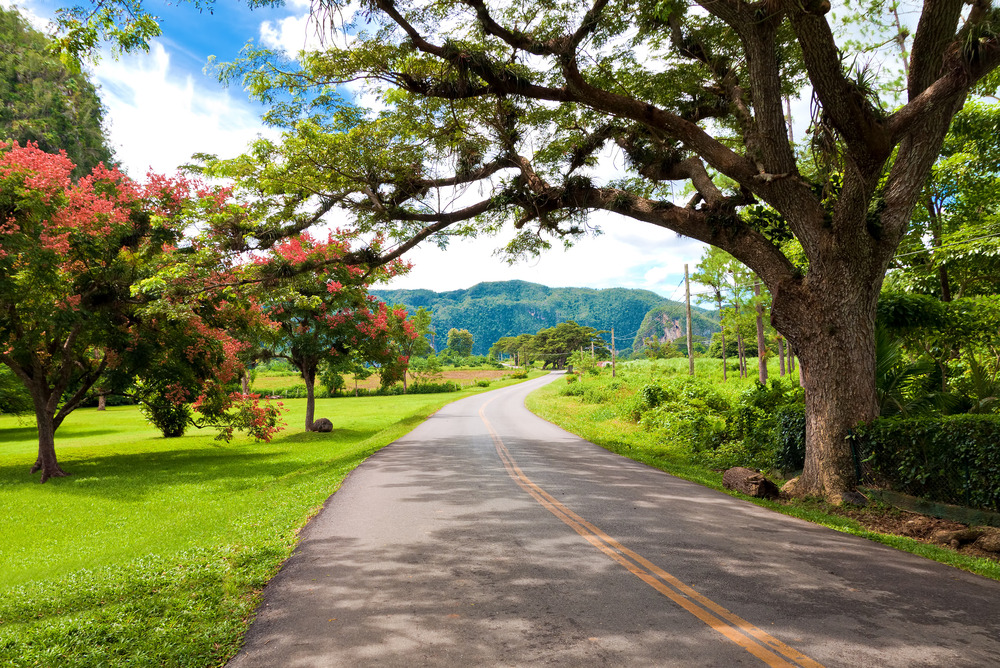
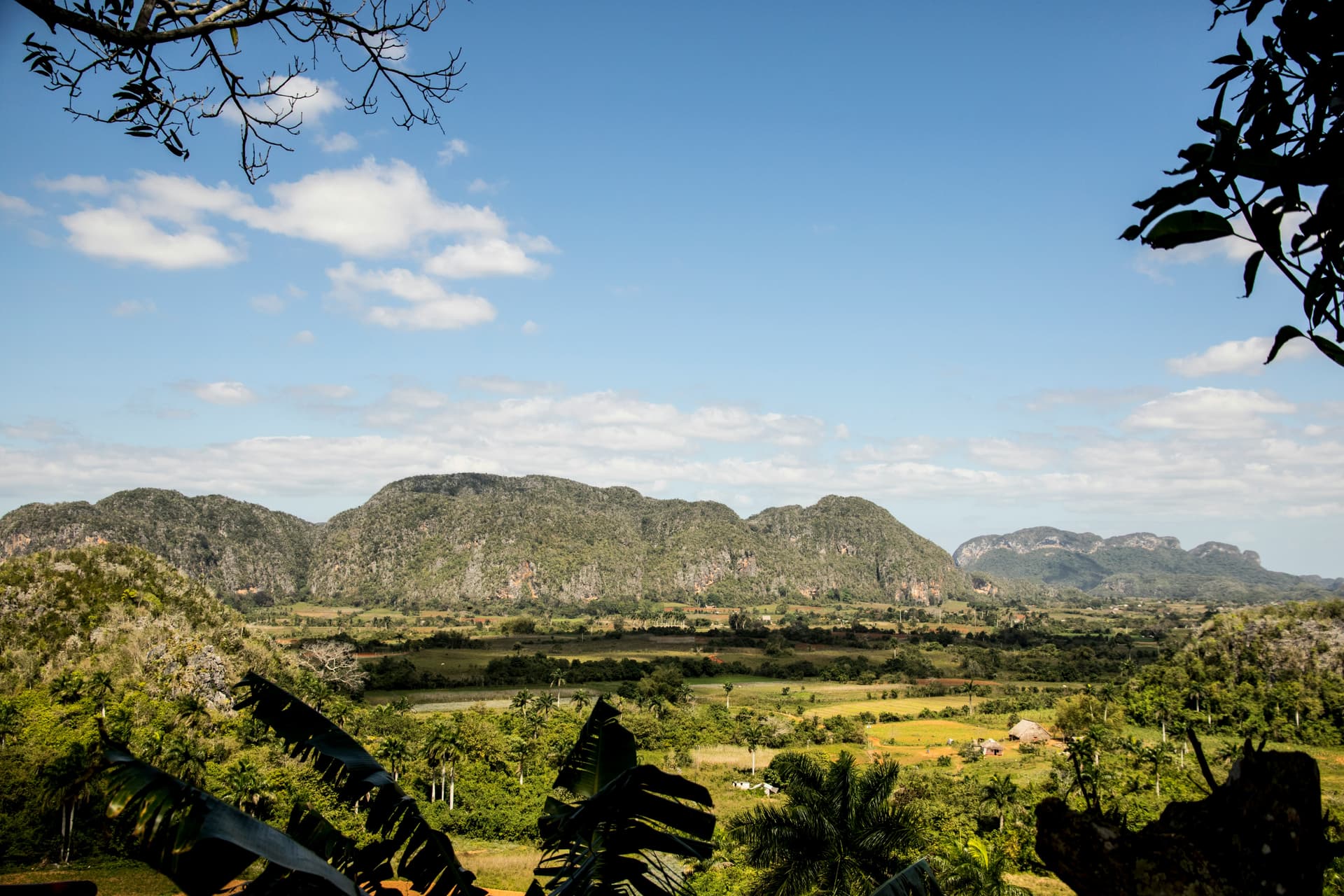
The Viñales valley, a UNESCO World Heritage site, is best explored on horseback. Between the mogotes (limestone peaks), tobacco fields and family farms, an equestrian ride offers access to landscapes and dirt trails unreachable by car. It's one of the most authentic ways to experience the Cuban countryside at your own pace.
Quick Practical Information
- Access: Horses are rented from private owners (casas particulares) or local guides in the village of Viñales and around the valley.
- Recommended duration: Between 2 hours and a half-day depending on the route chosen.
- What to wear: Long pants recommended, closed shoes mandatory; hat and sunscreen essential.
- Level: Accessible to beginners on most routes offered by local guides.
What You'll See
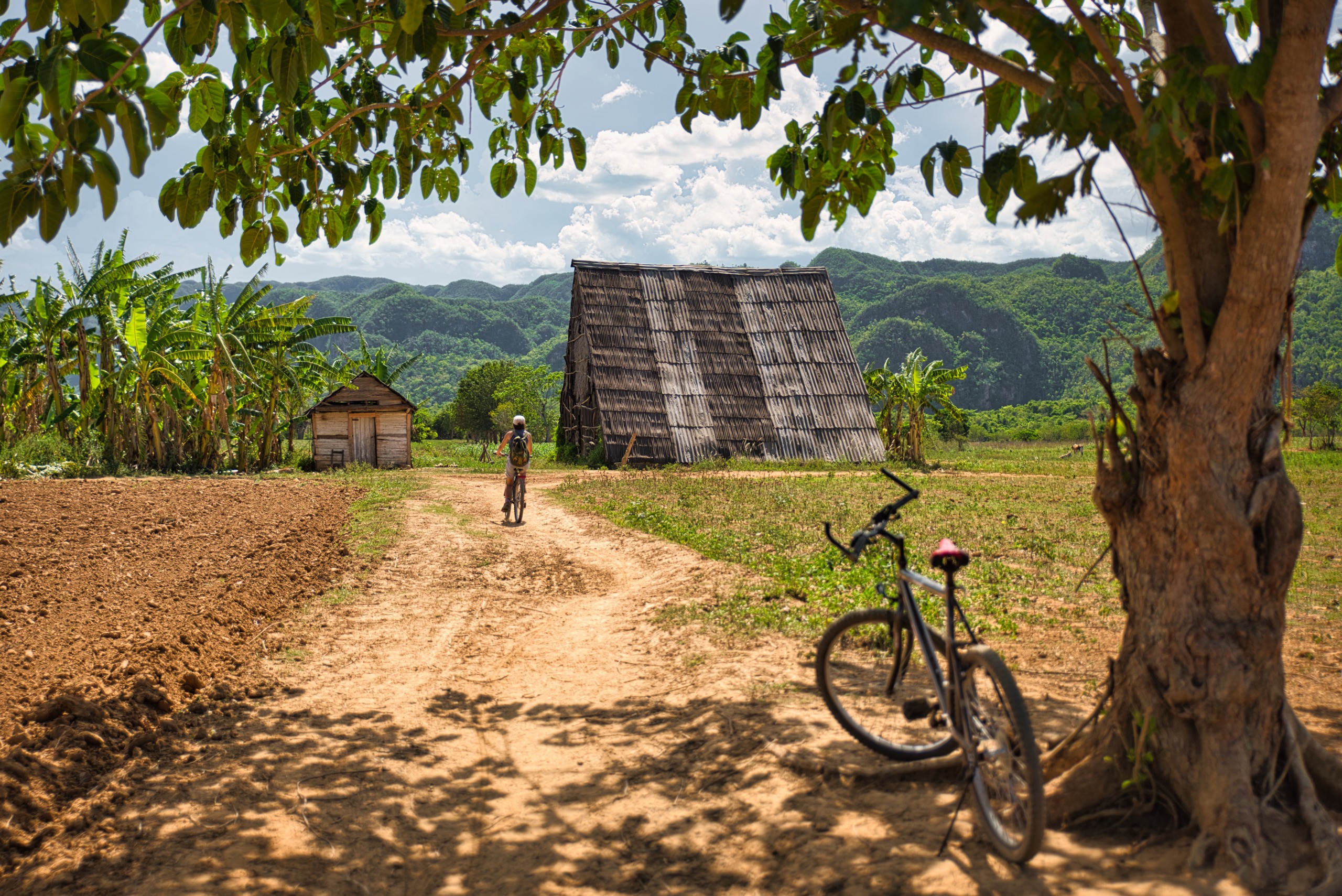
The landscape alternates between carefully cultivated tobacco fields, corn plantations and royal palm groves. The mogotes rise at every turn, forming a karst landscape unique to Cuba. You'll encounter vegueros (tobacco growers) at work, bohíos (traditional peasant houses) and sometimes herds of cattle guided by hand.
History and Context
The horse remains a common means of transportation in the Cuban countryside, due to sparse road infrastructure and limited fuel availability. In Viñales, equestrian tradition is rooted in agricultural life for centuries. Guides offering these rides are often farmers themselves or farmers' sons, transmitting intimate knowledge of the territory.
Highlights of the Experience
The Tobacco Fields
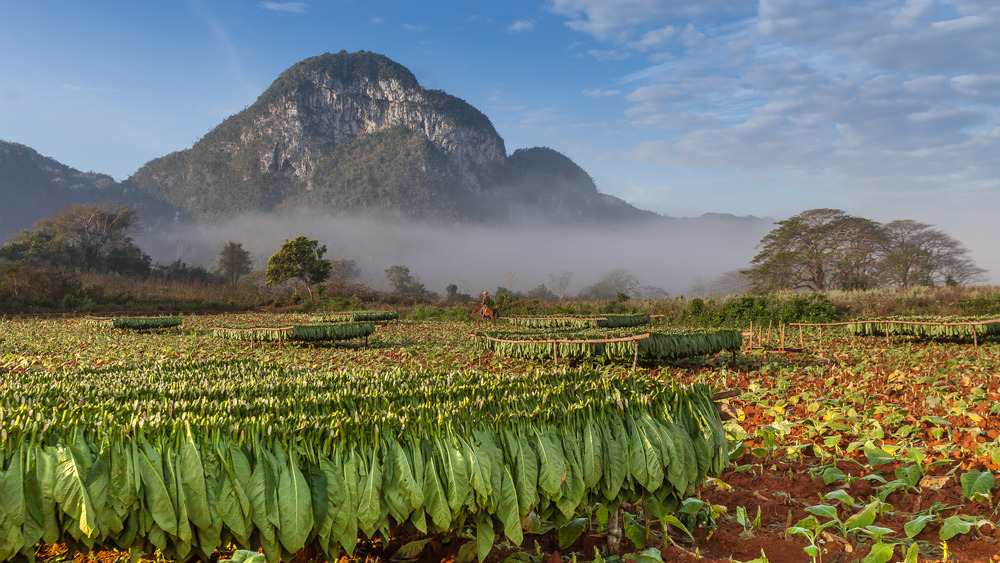
The Viñales region produces some of Cuba's finest tobacco. On horseback, you'll approach the vegas (cultivated plots) and, depending on the season, observe the harvest or drying of leaves in the casas de tabaco (wooden drying houses).
The Mogotes from Within
Equestrian trails skirt the base of the mogotes, offering a perspective radically different from tourist viewpoints. Dense vegetation at the foot of the peaks shelters endemic wildlife: hutias, hummingbirds, tocororos (Cuba's national bird).
Family Farms
Some routes include a stop at a farm where you can taste freshly roasted Cuban coffee or watch artisanal cigar making. These stops are informal and depend on your chosen guide.
Photography Tips
The golden light of early morning (shortly after sunrise) and late afternoon is ideal for photographing the mogotes and fields. From horseback, angles are unusual: take advantage to frame royal palms in low angles. Avoid midday when light is harsh and the heat exhausting for both horses and riders.
Location and Access
Viñales is located in Pinar del Río province, about 180 km west of Havana. The village is the natural starting point for all rides. Guides and horse rentals are found mainly on the village's main road and around the Viñales National Park. No wheelchair access is possible on dirt trails.
Nearby
- Viñales Valley — The setting for the ride itself, UNESCO-listed, also worth exploring on foot or by bike.
- Cueva del Indio — Pre-Columbian cave traversed by boat, accessible from the valley.
- Mural de la Prehistoria — Giant mural painted on a mogote, visible from several equestrian trails.
- Gran Caverna de Santo Tomás — Cuba's largest cave network, near Viñales.
Frequently asked questions
The dry season (November to April) is most pleasant: trails are passable, mornings are moderately warm. During the rainy season (May to October), dirt trails can become muddy and slippery.
No. The horses offered to tourists are accustomed to beginners and guides adapt the pace. A minimum of comfort is useful for longer rides.
Your casa particular can usually recommend a trusted local guide. Avoid overly aggressive touts at the village entrance and prioritize recommendations from other travelers or your accommodation.
Yes. A 2 to 3-hour morning outing leaves time to visit Cueva del Indio or Mural de la Prehistoria in the afternoon. Plan a full day if you choose a half-day circuit.
Yes, with no particular restrictions in the valley. Always ask farmers for permission before photographing them on their land.
Give it a go!
Our local experts arrange this activity for you.