Percussion and Salsa Lessons in Trinidad
In Trinidad, local musicians offer Afro-Cuban percussion and salsa lessons in patios and cultural centers. A hands-on experience to understand the roots of Cuban music.
Trinidad is one of Cuba's cities where Afro-Cuban music remains most vibrant. Batá drums, congas, salsa: lessons offered by local musicians let you experience this rhythmic culture from within, far beyond a simple performance. The activity welcomes both complete beginners and travelers with some experience. It's a concrete way to connect with locals and understand the African roots of Cuban music.
Quick practical facts
- Recommended duration: 1 to 2 hours per session
- Dress code: comfortable clothing that allows free movement
- Booking: through your local travel agency or directly with musicians at the casas de la trova and cultural centers
- Language: lessons typically run in Spanish; some musicians speak some English or French
What to expect
Sessions often take place in interior patios, Casa de la Trova rooms, or at musicians' homes. You handle real instruments — congas, bongos, claves — and learn the basics of Cuban sound. For salsa, the focus is on the basic step, timing, and connection with a partner.
History and context
Trinidad, a UNESCO World Heritage site, has preserved a particularly rich Afro-Cuban musical tradition. Santería rhythms, rumba dances, and salsa coexist here. The city has several spaces dedicated to live music, making it a natural ground for learning.
Highlights of the experience
Afro-Cuban percussion
Learning to hold a conga properly, positioning your hand correctly, and reproducing a basic clave requires concentration and listening. Local musicians pass on these techniques with patience, emphasizing feel over theory.
Introduction to salsa
Cuban salsa (son cubano) differs from the "line" salsa practiced elsewhere. Hip movement, footwork, and body rotation are best learned here, in the atmosphere of a city where dance is part of daily life.
Exchange with musicians
Beyond technique, these lessons are an encounter. Musicians often share their journey, influences, and relationship with contemporary Cuban music.
Photography tips
Always ask musicians for permission before photographing. The natural light in patios late in the morning is favorable. Avoid using flash during sessions—it disrupts concentration.
Location and access
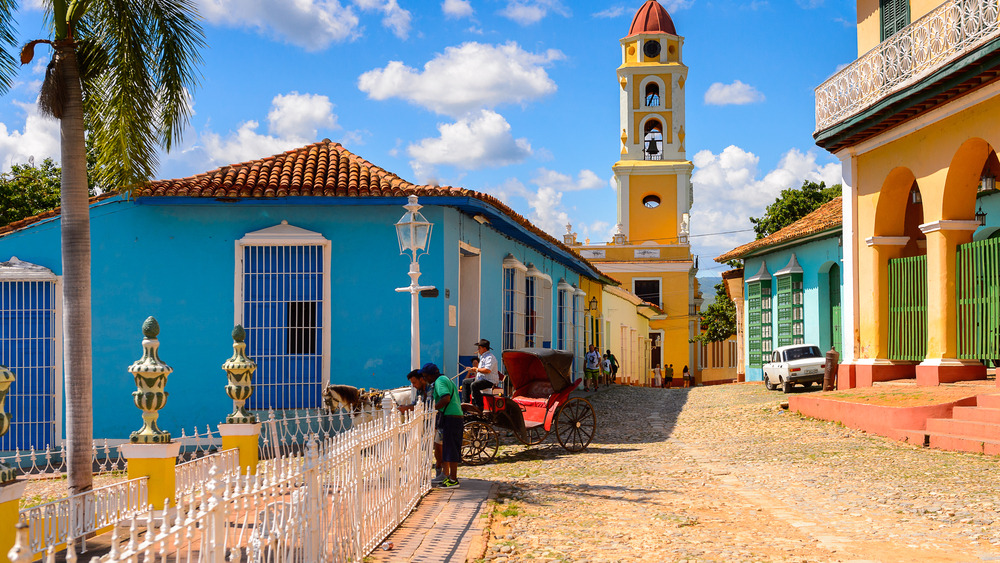
Trinidad is located in Sancti Spíritus Province, about 80 km south of Santa Clara. Lessons take place in the historic center, near Plaza Mayor and Casa de la Trova. The center is entirely pedestrian and easily accessible on foot from private homes.
Nearby attractions
- Plaza Mayor — the colonial heart of Trinidad, surrounded by 18th-century buildings.
- Casa de la Trova — a concert hall where local musicians perform live each evening.
- Museo de la Lucha Contra Bandidos — a former prison converted into a museum, with panoramic views from the bell tower.
- Valle de los Ingenios — valley of former sugar mills, a UNESCO site, a few kilometers from Trinidad.
Frequently asked questions
No. Local musicians and dancers welcome complete beginners. What matters is your willingness to engage and readiness to make mistakes.
Your local travel agency can arrange an introduction. You can also ask directly at Casa de la Trova or check with your private home host, who typically knows musicians offering private sessions.
Trinidad is accessible year-round. The dry season (November to April) is more pleasant for getting around, but lessons run regardless of season.
Some musicians offer mixed sessions. It's best to specify this when booking so the lesson matches your needs.
Yes, percussion especially works well for children from age 6-7 onwards. Let the instructor know the ages of participants when booking.
Give it a go!
Our local experts arrange this activity for you.