Wild Boar Hunting in Ciénaga de Zapata
In the dense forests of the Zapata Peninsula, wild boar hunting offers an authentic rural immersion, guided by locals who know every trail of this vast Cuban wetland.
The Zapata Peninsula, in Matanzas Province, is home to the Caribbean's largest wetland. Beyond its endemic birds and mangroves, it offers a traditional hunting activity: tracking wild boar (Sus scrofa) through its semi-deciduous forests. This practice, guided by local experts, appeals to travelers seeking an authentic rural experience far from beach resorts.
What You'll See
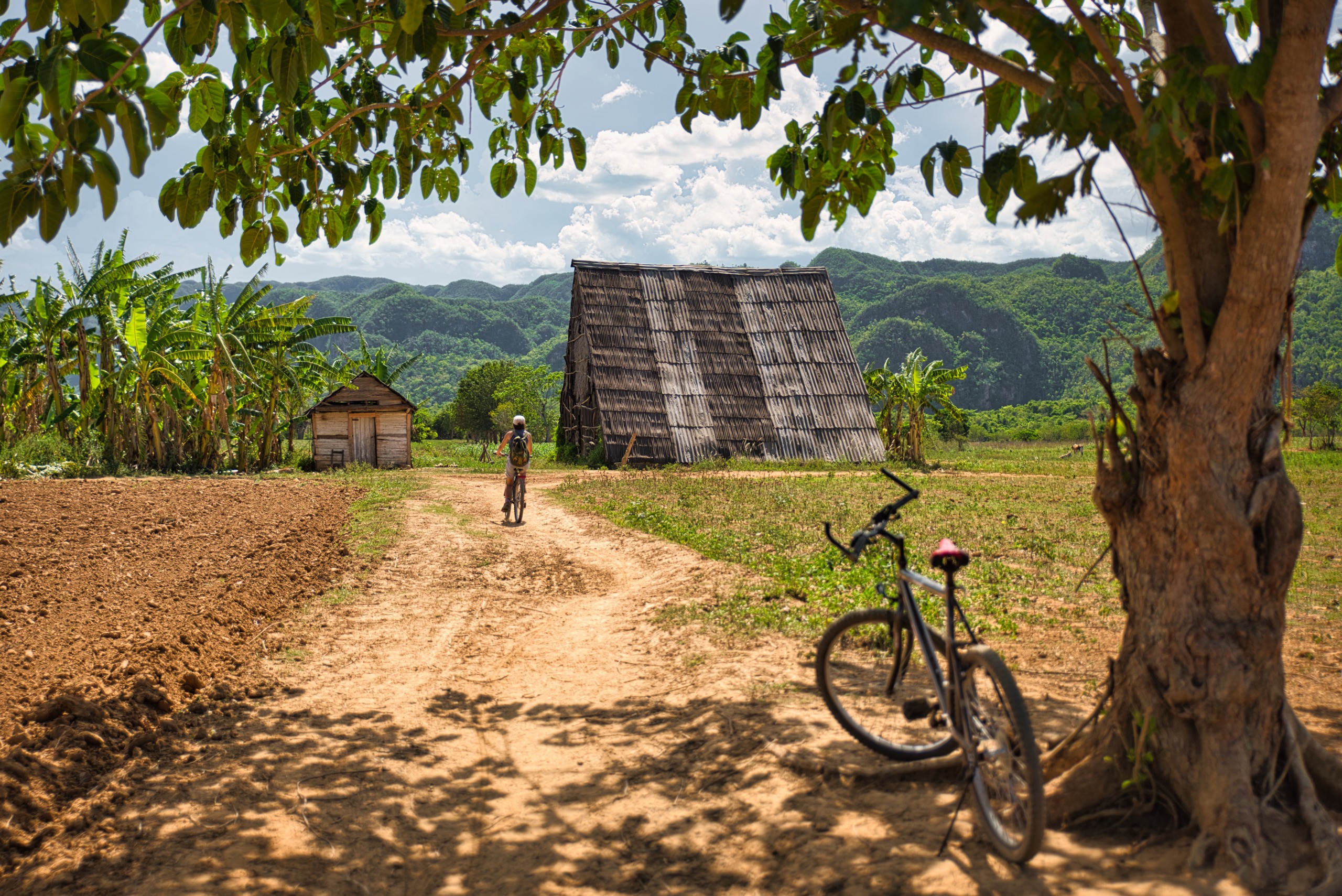
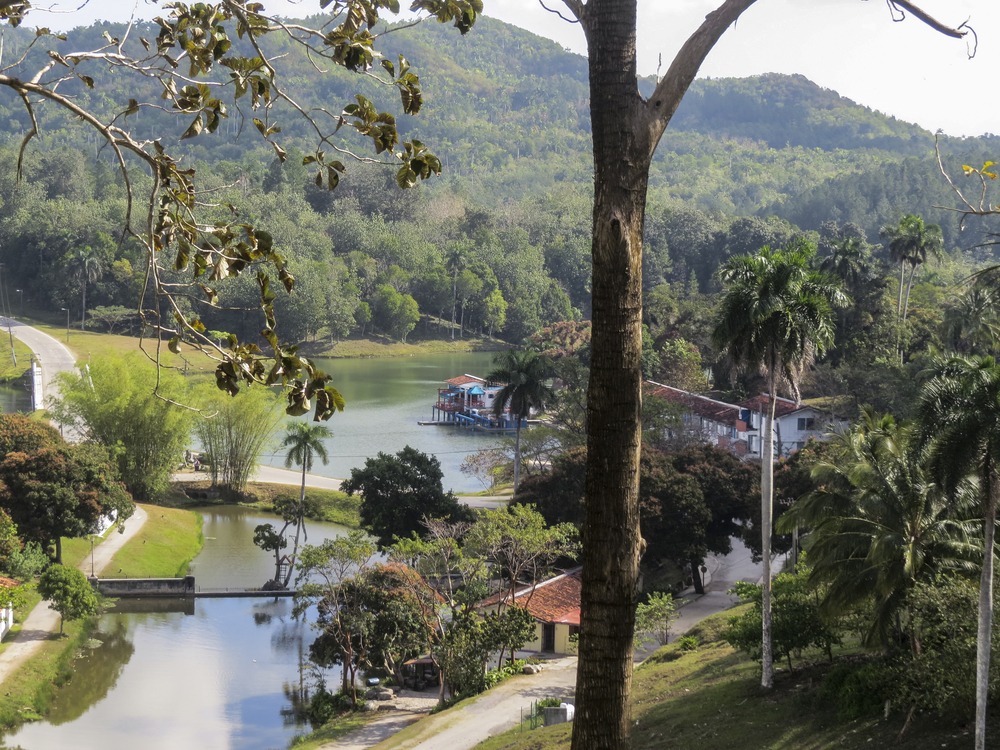
Ciénaga de Zapata is an ecosystem of marshes, dense forests, and seasonally flooded savannas. Wild boars, descendants of domestic pigs gone feral, move in groups through wooded areas. Hunting is conducted on foot, accompanied by trained dogs and a guide familiar with the terrain. The landscape itself—dense vegetation, dirt trails, wildlife sounds breaking the silence—constitutes a raw nature experience.
History and Context
Wild boars in Cuba trace back to Spanish colonization. Animals that escaped or were abandoned colonized remote areas, including the Zapata Peninsula. Hunting has been practiced for generations by local inhabitants, the carboneros and farming families, as a food source and means of controlling wildlife populations. It has gradually opened to organized hunting tourism, managed by licensed local operators.
Highlights of the Experience
The Forest Tracking
The guide reads signs on the ground—hoofprints, overturned soil, tree scrapes—to locate groups. Progress is slow, silent, and attentive. It is as much a reading of the territory as a hunt.
The Hunting Dogs
Local dogs, robust mixed breeds adapted to the wet terrain, play a central role. Observing their tracking and driving work is a significant part of the experience.
Immersion in the Ciénaga
The peninsula is home to Cuban crocodiles (Crocodylus rhombifer), flamingos, and dozens of endemic bird species. The hunting expedition traverses areas that standard tours do not reach.
Photography Tips
Light in dense forest is dim: favor high ISO sensitivity or a fast lens. Early morning hours offer raking light over the marshes. Avoid flashes that disturb the dogs and wildlife. A telephoto lens is useful for photographing birds encountered along the way.
Location and Access
Ciénaga de Zapata lies approximately two hours' drive south of Varadero and a comparable distance from Trinidad. The main entry point is Playa Larga, on the Bay of Pigs. Hunting outings are organized through local operators or specialized agencies. A four-wheel-drive vehicle is recommended to access hunting areas away from main roads. Wheelchair accessibility is limited due to the natural terrain.
In the Surroundings
- Bay of Pigs (Playa Girón) — site of the 1961 invasion, with a museum and waters renowned for diving.
- Playa Larga — departure base for birdwatching and exploration of the peninsula.
- Cueva de los Peces — natural cenote accessible for snorkeling, a few kilometers from Playa Larga.
- Zapata Biosphere Reserve — Cuban crocodile and endemic bird observation in the marshes.
Frequently asked questions
Yes. Hunting in Cuba is regulated and requires official permits. Licensed local operators typically handle administrative procedures for foreign visitors. Verify this before booking.
The dry season (November to April) is preferable: trails are passable and less dense vegetation aids progress. During the rainy season, some areas become inaccessible.
Long-sleeved and long-legged clothing (protection against insects and vegetation), waterproof hiking boots with treaded soles, a hat, and mosquito repellent. Avoid bright colors.
Yes. The Zapata Peninsula is one of Cuba's major birding sites. Several local guides offer mixed outings, or you can arrange a dedicated birdwatching day separately.
A reasonable level of fitness is necessary: tracking involves several hours of walking on uneven terrain. No prior hunting experience is required if accompanied by an experienced guide.
Give it a go!
Our local experts arrange this activity for you.