Creole Cooking Class in Baracoa
In Baracoa, Creole cuisine blends cacao, coconut and endemic fish. A class in a local home teaches you to prepare cucurucho and tetí, specialties found nowhere else in Cuba.
Baracoa, Cuba's oldest city, boasts a cuisine apart: cacao, coconut, plantain and fresh fish compose a Creole table that the rest of the island scarcely knows. Taking a cooking class here means stepping into a private home, learning to balance tetí (a tiny endemic fish) or prepare cucurucho, a coconut and honey confection wrapped in a palm leaf. An experience rooted in local daily life.
Practical Information at a Glance
- Typical format: class in a private home (casa particular), small group or private
- Recommended duration: 2 to 3 hours, meal included at the end of the session
- Language: Spanish primarily; some hosts speak a few words of English
- Dress code: comfortable clothing, closed-toe shoes recommended in the kitchen
- Booking: to arrange through your local agency or directly with your casa particular
What You'll See and Prepare
Classes revolve around the region's emblematic ingredients. Baracoa cacao, grown in the surrounding hills, features in sauces and beverages. Coconut is omnipresent: coconut milk, coconut rice (arroz con coco), fish braised in coconut. Tetí, caught in local rivers, is prepared as an omelette or light fried dish.
Depending on the season and the morning market, the menu varies. Your host guides each step: ingredient selection, cooking techniques over fire or stovetop, simple plating. The meal you've prepared is enjoyed together, often on the terrace.
History and Context
Founded in 1511, Baracoa remained long isolated by the Sierra del Purial. This geographic separation preserved a distinct culinary culture, inherited from the Taíno, Africans and Spanish colonists. Cacao has been cultivated here for centuries; the city still concentrates much of Cuba's production today. Cooking here is to touch directly this heritage.
Highlights of the Experience
The Morning Market
Some hosts offer starting at the local market to select vegetables, fish or fruits. It's an opportunity to observe exchanges, understand seasonality and learn product names in Cuban Spanish.
Preparing Cucurucho
This Baracoa speciality—shredded coconut, honey, sometimes guava—is rolled in a dried palm leaf. The gesture is precise; learning it from a local host remains a concrete and reproducible memory.
The Shared Meal
The session ends at the table. Eating what you've cooked, with your host and sometimes their family, transcends a simple workshop. It's the moment when conversation opens onto daily life in Baracoa.
Photography Tips
Natural light in the kitchen is often low. Favour outdoor moments: preparation on the terrace, morning market, final plating near a window. Always ask your host's permission before photographing the interior of the home or family members.
Location and Access
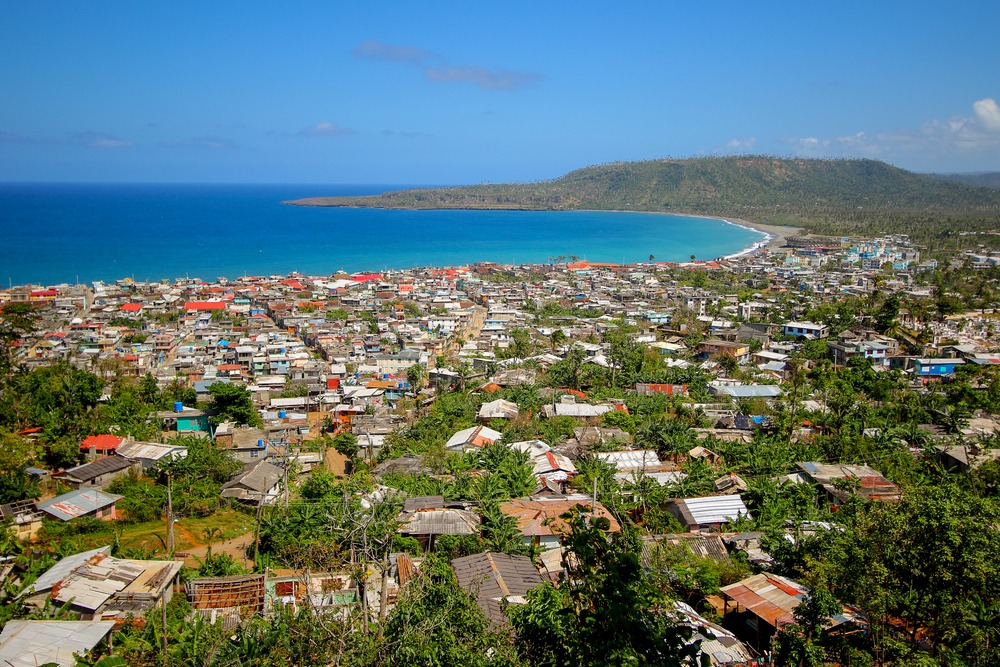
Baracoa is located at Cuba's far eastern tip, in Guantánamo province. The city is accessible by the scenic road La Farola from Guantánamo, or by domestic flights from Havana to Gustavo Rizo airport. Classes typically take place in casas particulares in the city centre, within walking distance of main sites.
Nearby
- Alejandro Humboldt National Park — UNESCO biosphere reserve, hikes through one of the Caribbean's richest tropical forests.
- Maguana Beach — clear sand beach a few kilometres from Baracoa, ideal for a half-day after the class.
- El Yunque — iconic table-top mountain visible from the city, accessible by hike with a guide.
- Baracoa Cathedral — houses the Cruz de la Parra, wooden cross attributed to Christopher Columbus.
Frequently asked questions
Most hosts cook and explain in Spanish. A few speak basic English. Your local agency can arrange a bilingual guide if needed.
Baracoa is humid year-round. The dry season (November to April) offers more comfortable conditions, but classes are offered regardless of season.
Yes. The class typically takes half a day; it's possible to arrange the Humboldt hike in the morning and the class in the afternoon, or vice versa depending on your host's availability.
Inform your agency in advance of any restrictions. Hosts often adapt, but Baracoa's cuisine relies heavily on fish, coconut and eggs.
Generally, yes: you eat what you've prepared. Confirm this when booking, as formulas vary from host to host.
Give it a go!
Our local experts arrange this activity for you.