Eating in Cuba
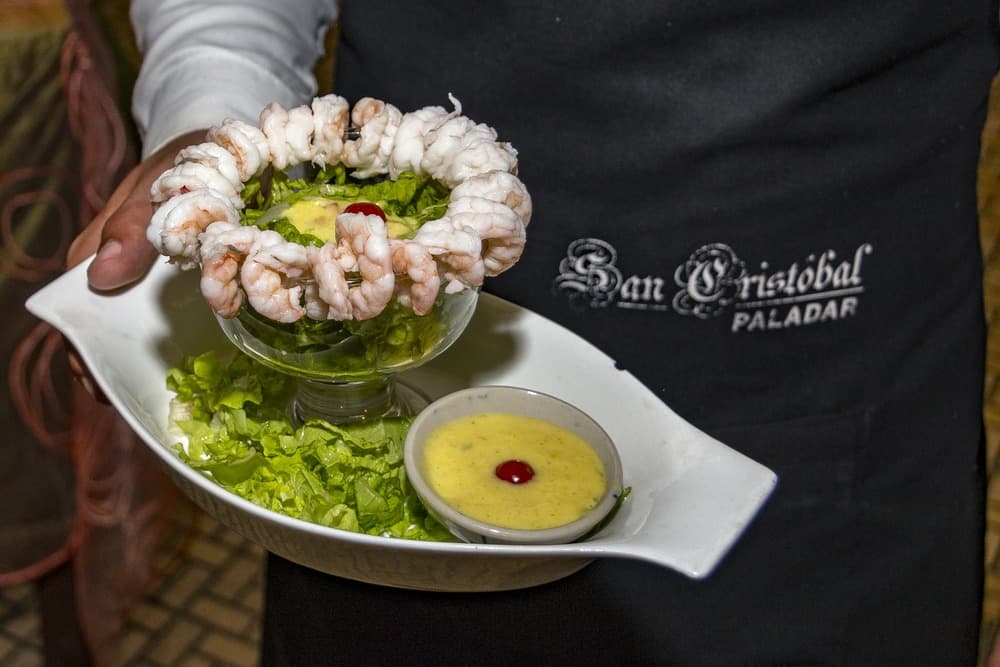
During a stay in Cuba, you'll also discover its gastronomy. From family-run paladares to neighborhood cantinas, the island reveals itself through simple, generous cuisine rooted in daily life. Creole seasoning brings vibrant vegetables and savory meats to life, showing how deeply gastronomy is woven into national identity.
During a stay in Cuba, you'll also discover its gastronomy. From family-run paladares to neighborhood cantinas, the island reveals itself through simple, generous cuisine rooted in daily life. Creole seasoning brings vibrant vegetables and savory meats to life, showing how deeply gastronomy is woven into national identity. A blend of Spanish, African, Caribbean, and Asian influences, Cuban cuisine has earned a reputation that extends far beyond the Antilles. If you're heading to Cuba, tasting its dishes is essential.
Where to eat in Cuba?
Paladares remain the best choice for balancing atmosphere, quality, and value. Run by families, often on a terrace or rooftop, they've honed their craft and creativity: short menus featuring what's in season, careful cooking techniques, thoughtful sauces, and attentive service. You'll find homemade cuisine that's vibrant and close to everyday Cuban life.
State-run restaurants and cafeterias fulfill the mission of simple, quick meals: a daily special, a drink, and you're on your way. Truly local spots, often priced in pesos, are remarkably affordable but offer rustic, comforting food.
For street food, expect practicality and good value: pizza slices, hot dogs, sandwiches, fried chicken—more nourishing than gourmet, but satisfying.
In casas particulares, many hosts serve breakfast and dinner on request. It's often generous, freshly cooked, and very convenient when options nearby are limited. Some tables, beloved by the neighborhood, eventually open to the public and join the paladar family.
Typical menus to try
Essential Cuban dishes
Cuban cuisine is warm, fragrant, and genuinely convivial. Among the great classics:
- Ajiaco, a thick meat stew
- Congri (or moros y cristianos), a marriage of rice and black beans
- Ropa vieja, shredded beef in a tomato-pepper sauce
- Vaca frita, beef seared until crispy, served without sauce
- Picadillo a la habanera, ground meat with olives, raisins, and spices
- Lechón asado, roast marinated in mojo
- Roasted pork and fried or grilled suckling pig
- Parrillada platters
- Chicken fricassee and chicken a la criolla (creole sauce)
- Caldosa, a generous broth
- Rabo encendido, spiced beef stew
Fish, seafood, and local curiosities
Along the coasts and in certain paladares or state restaurants, spiny lobster is enjoyed grilled, in a lightly spiced tomato sauce (enchilada), or simply with lemon. Cangrejo (crab) appears mainly in a few coastal towns. For fish and shellfish, prioritize fresh-caught daily specials and simple preparations (grilled, plancha-style, finished with citrus). As a local curiosity, crocodile meat is occasionally available around Guamá and the Zapata Peninsula.
Sides and small plates
The Cuban table is completed with essentials: yuca con mojo (garlic, citrus, oil), white rice, beans, simple tomato and lettuce salads. If you're checking off the must-tries, definitely add this to your order. Quimbombó (okra) is prepared as a stew, in a vegetable sauté, or salad with avocado and cucumber. Stuffed pineapple (filled with ground beef and cured meat) captures this Cuban fondness for generous, festive plates.
Desserts and seasonal fruits
While the selection may seem brief, it has real charm:
- Flan de leche and Cuban-style milk cream, silky and sweet
- Arroz con leche (rice pudding with cinnamon), warm or cold
- Casquitos de guayaba (candied guava) with fresh cheese
- Dulce de leche cortada
- Cocada (coconut in syrup)
- Fried yuca fritters in syrup
- Boniatillo (sweet potato confection)
For fruit, the island offers by season: papaya, pineapple, mango, guava, citrus, and more.
How much does it cost?
In Cuba, menus may be displayed in CUP or dollars depending on the establishment. Keep both CUP and USD on hand, and always ask what exchange rate applies if your bill is converted between currencies. Check the service line: when it's not included, a tip of around 10% is appreciated. In heavily visited cities (Havana, Trinidad, Viñales), plan to reserve ahead, especially for dinner and weekends.
Menu prices vary by city, season, traffic, and the exchange rate the restaurant uses. Generally speaking, street food costs little (a few dozen to a few hundred CUP depending on portion size). In a paladar, expect the equivalent of a few dollars or euros for a simple lunch (main course + non-alcoholic drink) and more for a full dinner with appetizer, main, dessert, and drink. Cocktails and beers remain affordable.
Here are some example dishes with prices (indicative):
- Ropa vieja + rice and beans: 6–10 USD or roughly 2,400–4,000 CUP
- Arroz con pollo: 5–8 USD or roughly 2,000–3,200 CUP
- Lechón asado: 7–12 USD or roughly 2,800–4,800 CUP
- Grilled spiny lobster (depending on location/availability): 12–20 USD or roughly 4,800–8,000 CUP
Where to find good addresses?
Start with reliable criteria: short menu, daily specials, open kitchen or enticing aromas, steady customer flow, recommendations from your host. Here are some of the most renowned areas and establishments for tasting Cuban gastronomy:
- Havana: stroll through Habana Vieja for atmosphere, San Isidro for trendy spots, and Vedado for neighborhood restaurants. Beloved paladares like Doña Eutimia (refined creole fare near the cathedral), Porto Havana (views of the Malecón), Paladar Los Mercaderes, El Del Frente, or El Dandy capture the local spirit well.
- Trinidad: in the historic center, terraces and rooftop terraces at sunset. You'll find generous Cuban cuisine at Paladar Malibrán, Taberna La Botija (revisited classics), or Bistro Trinidad (creole touches).
- Viñales: focus on family-run paladares and fincas cooking produce from their gardens.
- Cienfuegos: the center and Punta Gorda host convivial tables.
- Santiago: the Tivoli and Enramadas neighborhoods offer lively local dining.
- Other useful stops: Don Avila in Ciego de Avila (vintage atmosphere, skewers, and tostones) and Hostal Florida Center in Santa Clara (colonial house setting, Caribbean cuisine).
Emblematic beverages
The mojito and Cuba Libre lead the pack, but don't miss the daiquiri or piña colada, sometimes served inside the pineapple. Try the Hemingway especial too (icy daiquiri with white rum, lime, maraschino, crushed ice). More anecdotal and festive, crema de vida (a blend of rum, condensed milk, and egg, dusted with cinnamon) is often enjoyed at Christmas.
Water, sodas, and non-alcoholic drinks
Water in Cuba is officially potable but often has an unpleasant taste. Opt for bottled water and specify "nacional" at the restaurant to avoid the pricier imported versions. Ask for agua con gas (sparkling) or natural (still).
Among national refrescos, there are citrus sodas (limón), orange (naranja), and cola. Real Coca-Cola (under Mexican license) is everywhere, twice the price of local equivalents.
Guarapo, freshly pressed sugarcane juice from guaraperias, and its rum-spiked variant guararon, are also popular. Malta (a non-alcoholic, dark, molasses-sweetened beverage) is served over ice. Neighborhood heladerias (ice cream shops) guarantee a local vibe.
Coffee, a daily ritual
Urban coffee is strong and sweet. It's mainly consumed as an espresso (cafecito). Here are some variations to try:
- Cortado / Cortadito: espresso "noisette" with a cloud of milk
- Café con leche: espresso lengthened with hot milk
- Colada: small pitcher of espresso to share
- Cappuccino, frappuccino