Trinidad's Must-See Attractions
The city of Trinidad is easy to navigate on foot. Its charming narrow streets, brightly colored houses and colonial architecture make it
The city of Trinidad is easy to navigate on foot. Its charming narrow streets, brightly colored houses and buildings with colonial architecture make it a privileged destination for tourists during a stay in Cuba. To ensure you don't miss anything, here are the major attractions to see in Trinidad's downtown area…
1. Plaza Mayor
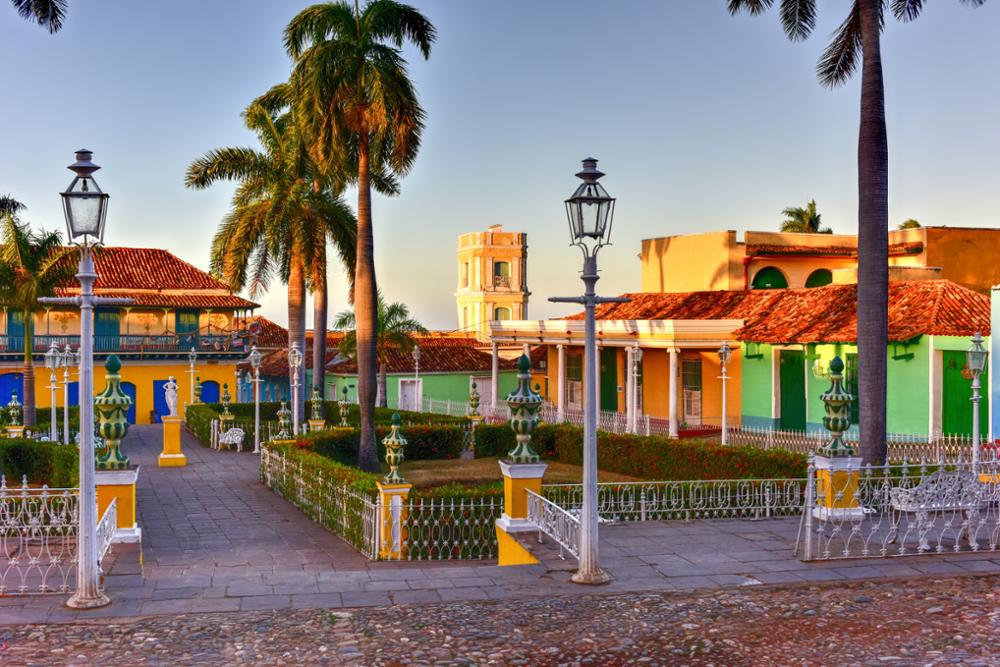
The heart of Trinidad's downtown spans just 37 hectares. Its central point? The Plaza Mayor (main square), which is the ideal starting point for visiting Trinidad. Built in 1856, you can see in its center the statue of the Muse Terpsichore, which symbolizes Cubans' love for dance and music. Framed by royal palms, the Plaza Mayor is surrounded by sublime mansions dating from the sugar industry era. Today, these exceptional buildings house museums discussed below.
2. Palacio Cantero (Museo Historico Municipal)
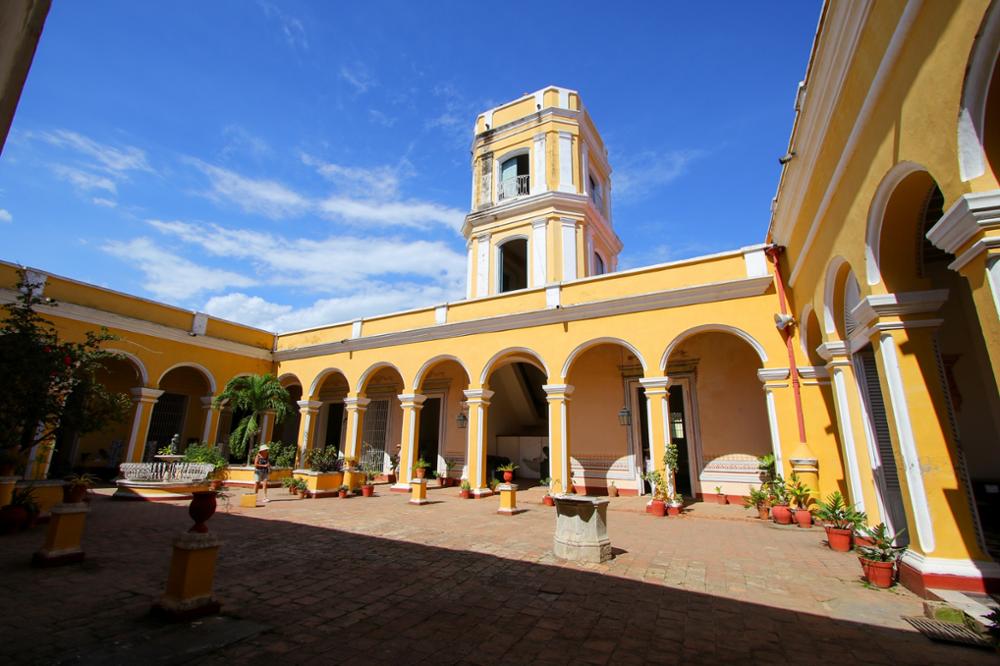
The Palacio Cantero is a neoclassical-style mansion dating from the first half of the 18th century. It is in this building, filled with period furnishings, that you can find the famous Museo Historico Municipal. As its name suggests, it allows you to learn more about wars of independence, the sugar cane trade, the slave trade, and the entire history of the city. Beyond cultural treasures, the museum offers visitors the opportunity to gain a higher perspective on the city. From the top of its square tower, you have access to a panoramic view of Trinidad!
3. Palacio Brunet (Museo Romántico)
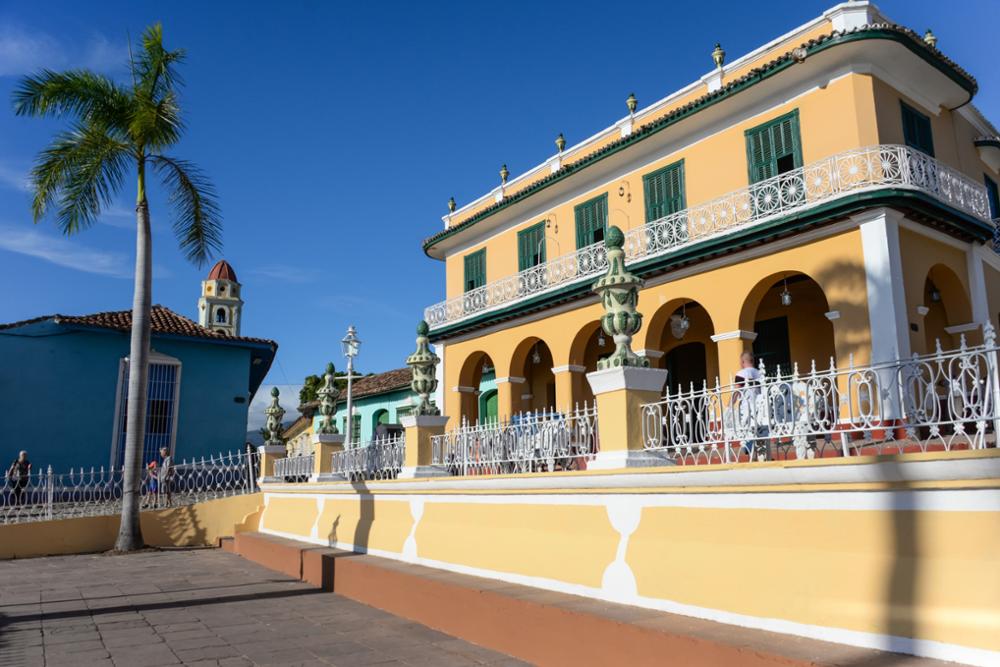
Still near the Plaza Mayor, don't miss the Palacio Brunet. A testament to the city's golden age, this is an old colonial palace that belonged to a wealthy Creole (Count Brunet) and now houses the Museo Romántico. Built in 1740, it is Trinidad's oldest museum. A blend of Andalusian and neoclassical styles, it contains collections of art, furniture and antiques dating from the 19th century.
4. Museo Nacional de la Lucha Contra Bandidos
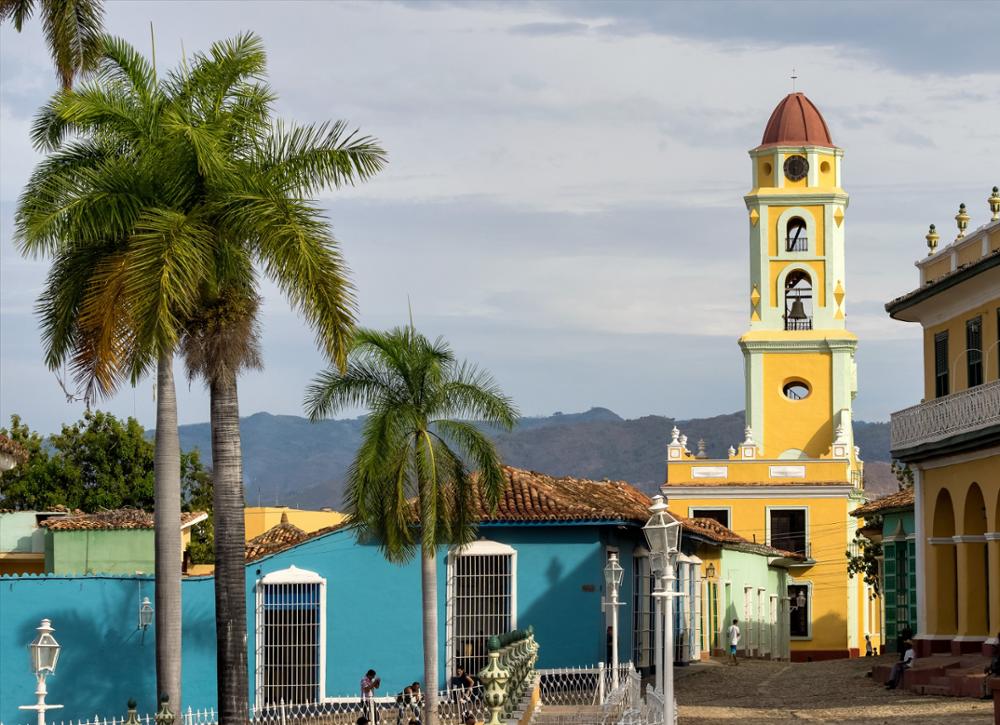
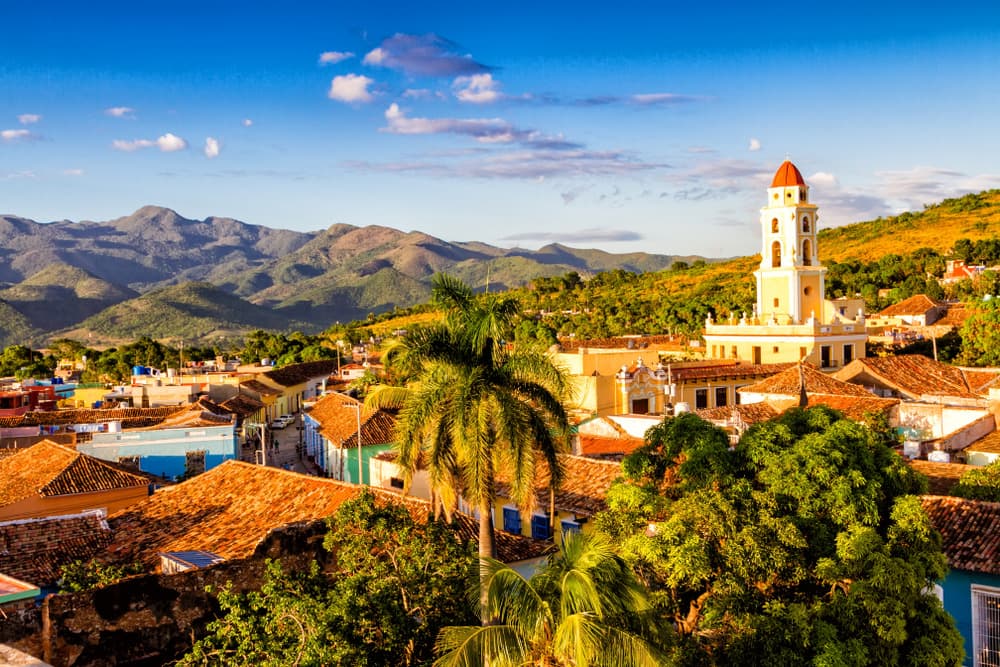
Still in the same area stands another museum laden with history: el Museo Nacional de la Lucha Contra Bandidos (known in English as the Museum of the Struggle Against Bandits). Located in the former Convent of Saint Francis of Assisi, the museum traces the history of Cuban counter-revolutionary struggle in the 1960s. If the building is a must-see in Trinidad, it's also for its famous yellow bell tower, which appears in all postcards and tourist photos of Trinidad!
5. Iglesia Parroquial de la Santísima Trinidad
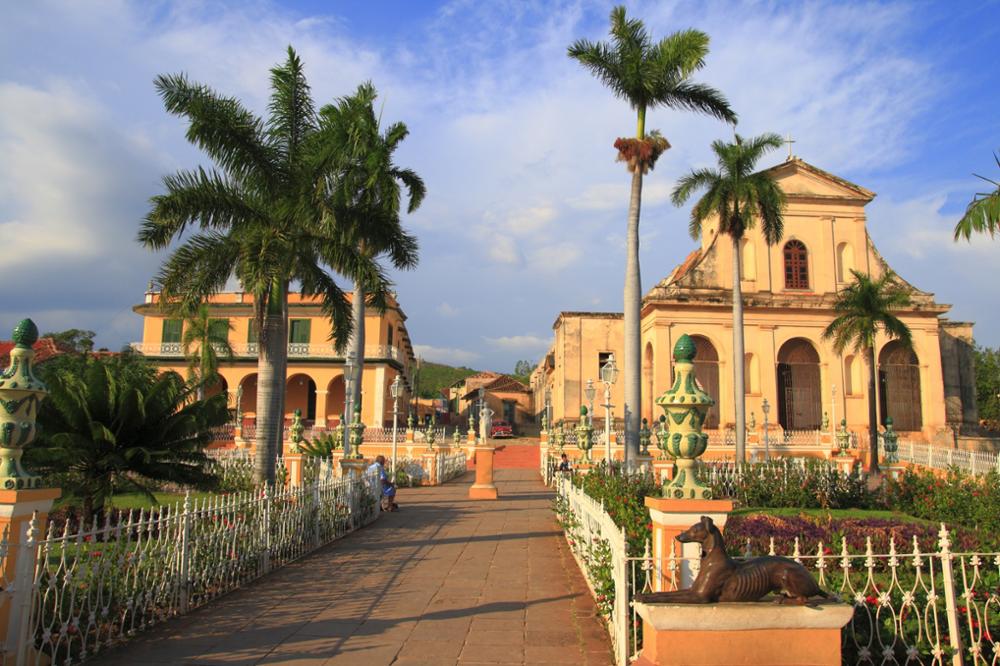
To finish with the Plaza Mayor area, don't overlook the church named Iglesia Parroquial de la Santísima Trinidad. This neoclassical-style building dates from the late 19th century and is one of the most important places of worship in Cuba. Beyond its architecture, the church also owes its fame to a wooden statue of Christ dating from the 18th century.
6. Plaza Carillo
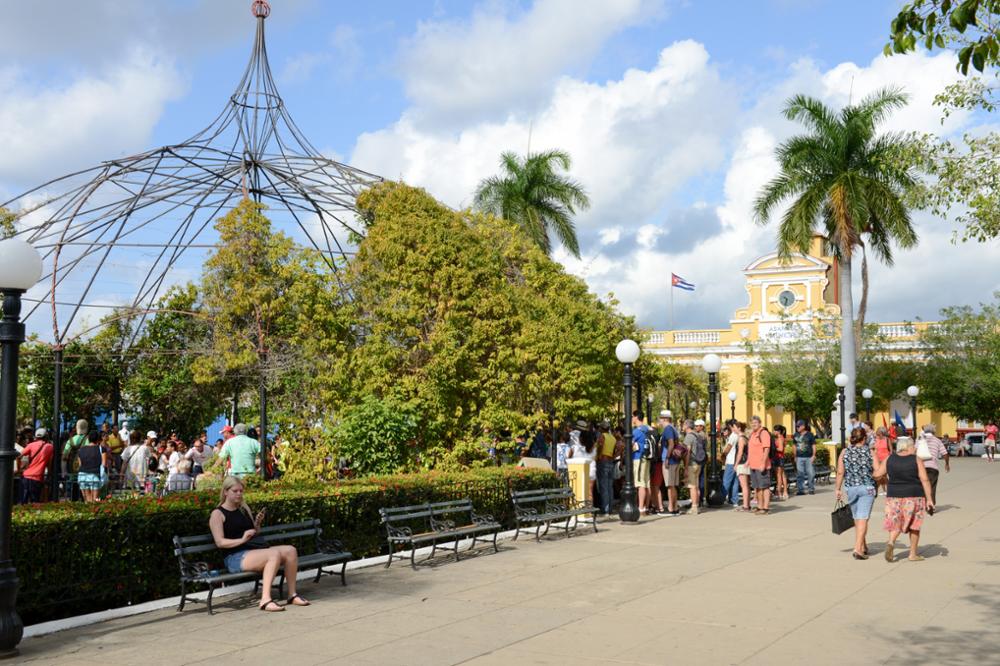
Changing neighborhoods, we come to Plaza Carillo. This is the square where Trinidad's town hall is located. With its shaded park, it's a privileged spot and a gathering place for many Cubans. On the adjacent square, don't miss the blue facades created with trompe-l'oeil effects.
7. Casa Padrón (Museo de Arqueologia Guamuhaya)
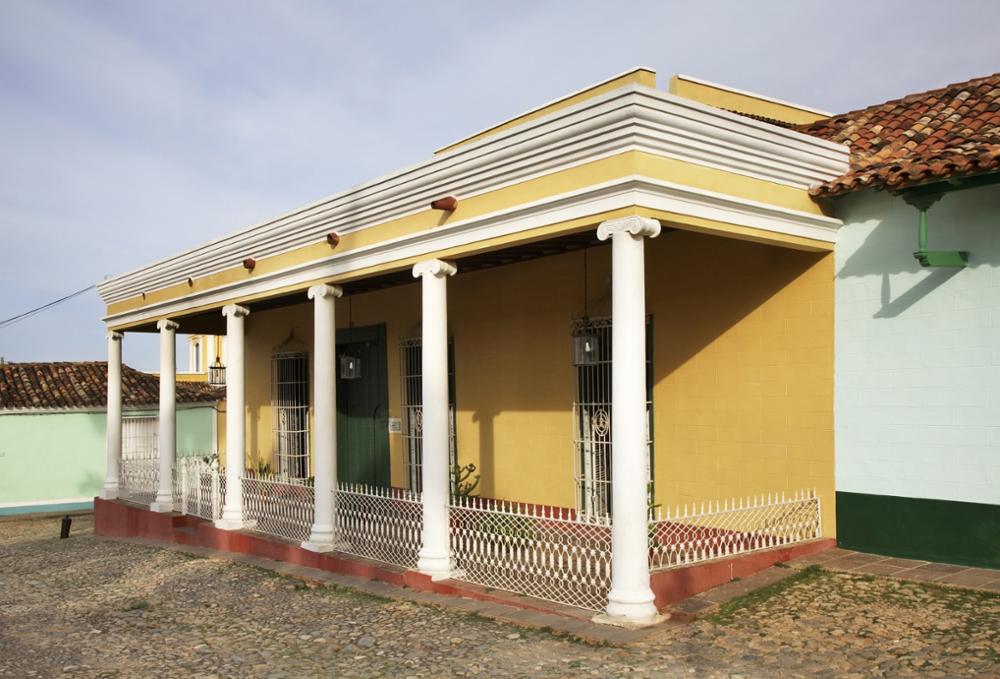
We wrap up with a remarkable museum: the Guamuhaya Archaeology Museum. This is a museum dedicated to pre-Columbian indigenous cultures. Located in an 18th-century colonial mansion with Rococo-style architecture, the museum traces Cuba's archaeological history from the pre-Columbian period to the Spanish conquest. As an interesting historical note, it was in this house that the former owners (the family of Don Juan Andrés Padrón) welcomed Alexander von Humboldt and the famous conquistador Hernán Cortés before he launched his conquest of Mexico!
Frequently asked questions
Trinidad's historic center is compact (about 37 hectares) and is easily explored on foot in one day. Plan to spend between 4 and 6 hours exploring the Plaza Mayor and the main museums at your own pace, including stops along the colorful streets.
Trinidad has several remarkable museums around Plaza Mayor: the Museo Historico Municipal (in Palacio Cantero), the Museo Romántico (in Palacio Brunet), the Museo Nacional de la Lucha Contra Bandidos, and the Guamuhaya Archaeology Museum (Casa Padrón). Each offers a different perspective on Cuba's history.
Most of Trinidad's museums charge admission, with prices generally ranging from 1 to 5 CUC (or the equivalent in local currency). It's advisable to check current prices directly on-site or with your accommodation, as they may change.
Trinidad is located about 330 km from Havana. You can reach it by Viazul bus (about 5 to 6 hours of travel), shared taxi, or rental car. The bus is the most economical option and is widely used by independent travelers.
The best time to visit Trinidad is the dry season, from November to April. Temperatures are pleasant (between 68 and 82°F) and the risk of rain is limited. Avoid hurricane season (June to October), which can disrupt travel plans.
Yes, Trinidad's Plaza Mayor is freely accessible and open at all times. It's a lively public space, ideal for beginning your city tour, admiring the surrounding colonial architecture, and observing local Cuban life.