Museo del Chocolate
Museo del Chocolate
Strolling through the cobblestone streets of Old Havana, past colorful facades and the sound of salsa, a sweet aroma of cacao draws curious visitors. Welcome to Museo del Chocolate, an atypical and delightful stop beloved by both tourists and locals alike.
Strolling through the cobblestone streets of Old Havana, past colorful facades and the sound of salsa, a sweet aroma of cacao draws curious visitors. Welcome to Museo del Chocolate, an atypical and delightful stop beloved by both tourists and locals alike. Far more than a simple museum, this venue embodies Cuba's passion for chocolate—through its history, craftsmanship, and of course, its tasting experiences. Whether you're a connoisseur of fine sweets, curious about Caribbean traditions, or simply seeking a gourmet pause, this destination deserves a visit.
A Museum Housed in a Historic Building
The Museo del Chocolate in Havana sits at the corner of Amargura and Mercaderes streets, within a colonial mansion dating to the 18th century known as Casa de la Cruz Verde. This house was once the residence of the Counts of Lagunillas and served as the starting point for the Via Crucis (Stations of the Cross) procession held each Good Friday. The green-painted cedar cross, symbol of this religious tradition, remains visible at the building's corner.
Comprising two floors, the mansion long housed private residences on the upper level and shops on the ground floor. It notably served as a bodega until the 1970s before falling into disrepair. An extensive restoration project, faithful to the original plans, brought the site back to life.
In November 2003, the ground floor opened as a museum under the Proyecto Brujas, a cooperation program between Cuba and Belgium (via UNDP). The initiative was championed by Jo Fraps, director of the Royal Palace Museum in Brussels, who also inspired the venue's aesthetic and collections.
Museum and Tasting Room
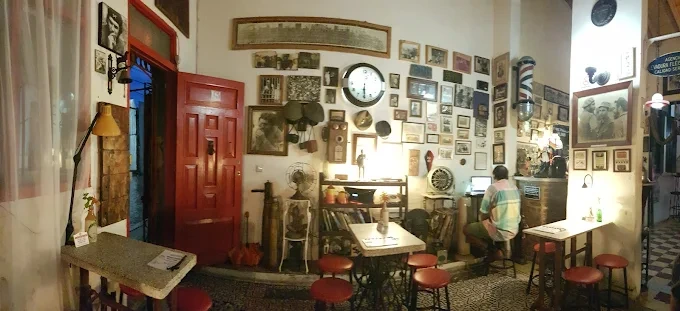
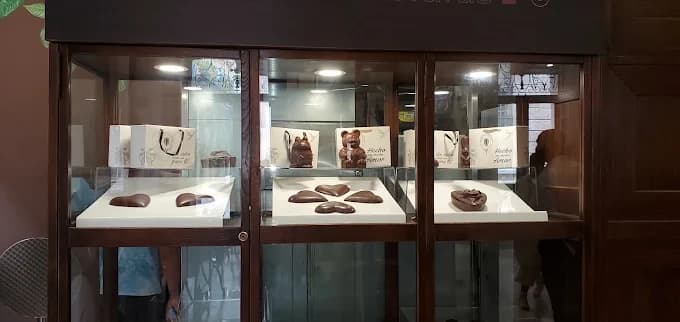
Beyond a museum, Museo del Chocolate is also a highly sought-after tasting salon for Old Havana visitors. The ambiance evokes a vintage European tea room, with dark walls, solid wood furnishings, antique tableware, and display cases showcasing chocolate sculptures.
The venue offers an immersive journey through cacao—its cultivation, artisanal transformation, and commercialization. It also illuminates chocolate's evolution from its use among indigenous American peoples to its European success. The museum documents cacao cultivation's development in Cuba, introduced during the colonial era and particularly established in the Baracoa region, in the country's east, which became the primary production zone. This local industry, which emerged in the 1960s, has undergone several phases of technological modernization.
A Rich and Varied Collection
The museum presents a remarkable permanent collection, including:
- Porcelain chocolate cups from France, Germany, the United Kingdom, and Italy, dating from the 19th and 20th centuries, including a French mustache cup designed to keep moustaches dry.
- Bakelite molds and jam containers, donated by the Royal Palace Museum in Brussels.
- Ceramic chocolate pots, saucepans, English earthenware pitchers and bowls, discovered during archaeological excavations in Havana's historic center.
This is complemented by displays of vintage machinery, tablet molds, agricultural instruments, packaging, and other objects that shaped chocolate's history in Cuba.
A Tribute to Chocolate Culture
The museum also pays homage to chocolate's place in Cuban culture. As early as the 19th century, Cubans enthusiastically consumed hot chocolate with milk. Over time, this tradition expanded to include tablets, candies, and pastries, contributing to the development of local gastronomic identity.
The exhibition also explores cacao's economic role, often linked to coffee, particularly in mountainous regions. Cuban chocolate, even today, is appreciated both locally and internationally.
A Warm Tasting Space
From outside, an enchanting aroma of cacao draws passersby toward Museo del Chocolate. This small establishment—halfway between museum, tasting salon, and artisanal chocolaterie—is far more than a simple exhibition space: it invites you to taste, observe, and savor.
The establishment is renowned for its air-conditioned space with refined ambiance, where tables for two or four welcome small groups and couples. It's an ideal spot for a break, especially during the hottest hours of the day.
The menu offers a beautiful diversity of chocolate preparations:
- Hot or cold chocolate
- Dark or white chocolate
- Thick or light chocolate
- Sweet, bitter, mild, fragrant, or spiced chocolate.
Each drink is often accompanied by an artisanal candy or biscuit.
Among the most cherished recipes are the "Tradicional" chocolate, perfumed with vanilla and cinnamon, and the "Aztec" chocolate, enhanced with sweet pepper and nutmeg.
Moreover, every Tuesday and Friday at 11am, visitors can witness live demonstrations of artisanal chocolate candy-making techniques. Through a glass wall, you observe chocolatiers at work, crafting with Baracoa cacao, recognized as Cuba's finest.
A Gourmet Shop Not to Miss
Your visit would not be complete without stepping into the retail space, which offers a wide variety of artisanal products:
- Truffles, filled candies, tablets
- Candied cacao nibs, chocolates with tropical fruits or spices
- Original chocolate sculptures: cigars, animals, baskets, and more.
You'll also find creations inspired by local traditions, such as rum mocha or honey-glazed chocolate, all at very affordable prices.
Practical Information
Museo del Chocolate in Havana is generally open daily, though hours may vary slightly by season. It's advisable to check locally before your visit. For reference, the museum is open Tuesday through Saturday from 10am to 6pm, and Sunday from 9am to 1pm. Some reports indicate later Sunday closing times, until 9pm in certain cases.
Being a beloved destination for visitors, the museum often draws crowds, and there may be a short wait for a table. But the experience is well worth it. Between the quality of the products, the attentive service, and the indulgent atmosphere of the place, this chocolate pause remains essential for any lover of fine sweets visiting Havana.
Nearby
A unique culinary experience
Discover the local food scene with our advisors.