Santa Clara
Santa Clara
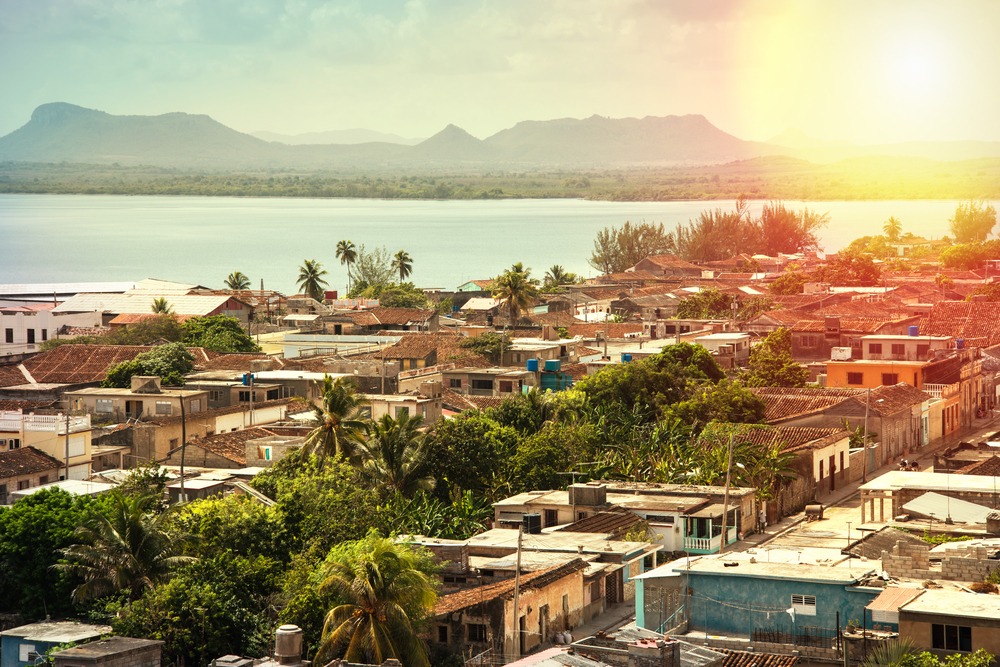
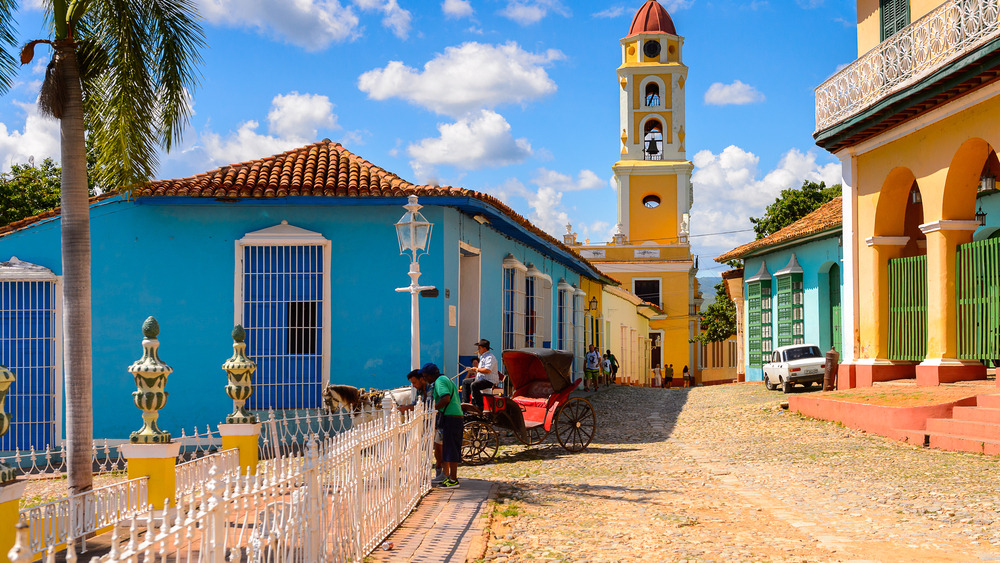
Che Mausoleum, derailed armored train, Loma del Capiro and student life: Santa Clara concentrates the memory of the Cuban Revolution in the heart of the island.
Journey into the heart of Cuba to discover the city of Santa Clara, the most revolutionary in the country. Deeply marked by Che Guevara's history, this city also prides itself on being a youthful destination thanks to the country's second most prestigious university located here. Night owls will find plenty of pleasure in evening outings with locals. Beyond Santa Clara's historical and cultural treasures, the city also offers various interesting tourist activities to enhance your stay.
A Note on History
The city of Santa Clara was founded on July 15, 1689 by inhabitants of Remedios (a neighboring town). Following a massive fire on their territory, they settled in Santa Clara. It was after this tragedy that Che's city experienced rapid growth. Cattle ranching was its traditional economic activity. The commercialization of sugar cane and tobacco also began to gain momentum.
The city was named in honor of Saint Clare of Assisi, a disciple of Saint Francis of Assisi and founder of the Order of Poor Ladies (the Poor Clares), declared a saint by the Roman Catholic Church.
Santa Clara, City of Che
Capital of Villa Clara province, this city lies 260 km southeast of Havana, almost in the center of Cuba. Santa Clara owes its reputation to the decisive battle of Argentine physician Che Guevara's troops at the end of 1958. A favorite spot for history enthusiasts, the city is also a blend of natural landscapes alternating between mountains and plains. As it stands at the crossroads of the country's major roads and railways, it is the hub of all commerce and communications on the island.
In 2007, Santa Clara's population was estimated at 207,963 inhabitants. Self-proclaimed a "liberal city," the city pulses with youthful energy manifesting through the harmonious blend of Cuban music, theater and dance, as well as nightlife activities. The academic air of Santa Clara comes from the fact that it is home to Cuba's 2nd most prestigious university. It's hardly surprising, then, to find impromptu concerts, drag shows, and heavy metal performances around town.
This magnificent historical/youthful contrast of Santa Clara is what gives it charm and constitutes its major tourist appeal. Essential during a Cuba trip, this city of Che has much history to share with you.
Why Is Santa Clara Called the City of Che?
Commander Ernesto Che Guevara notably shaped the history of Santa Clara and Cuba by overthrowing the dictatorial regime of Cuban leader Batista at the time. During the Cuban Revolution on December 28, 1958, Che Guevara defeated Batista's 3,000 soldiers with only 300 men and support from part of the population. It was the beginning of these revolutionaries' journey to take the city. The day after this date, Che Guevara inflicted another defeat on government troops by derailing a military train, hence the armored train monument and/or the Tren Blindado Museum. This locomotive had transported 408 soldiers and an entire arsenal of weapons meant to block the rebels' advance. Che Guevara's final blow was encircling Batista's men, which caused the latter to flee to Santo Domingo on January 1, 1959. This incident accelerated the fall of the dictatorship and the victory of the Cuban Revolution. Such were the heroic and unforgettable actions carried out by the illustrious Che Guevara, who became a true legend in our time. The story of this famous revolutionary enhanced Santa Clara's tourist value. He was buried in the Che Guevara Mausoleum with some of his guerrilla companions.
Staying in Santa Clara
Parque Leoncio Vidal or Parque Vidal
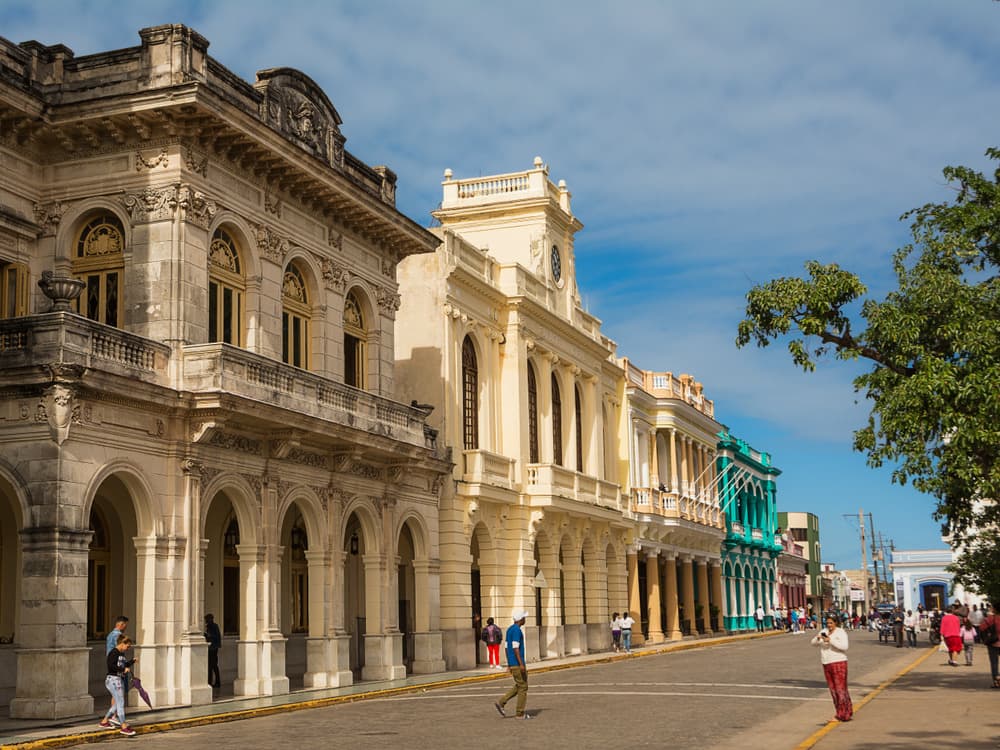
To begin exploring Santa Clara, take a stroll through the city and head to the main square, Parque Leoncio Vidal. A meeting place for locals and tourists, Parque Vidal is the geographical and figurative heart of the city. Several activities will delight you, particularly music and chess games played by elderly men in street corners. Foodies will also be pleased, as the area is filled with numerous restaurants and bars featuring neoclassical style and colonial architecture.
Che Mausoleum-Memorial
Located west of Santa Clara, the Che Guevara Mausoleum houses a giant statue of Che with a memorial beneath it as well as a small Che Guevara museum. The statue, surrounded by vegetation, dominates the museum and the entire mausoleum. Che's remains were repatriated to the mausoleum in 1997, 30 years after his death in Bolivia in 1967. You will also find on this "Plaza de la revolucion" 38 plaques representing the graves of Che's companions during the 1958 battle. In the small museum, you can read Guevara's letter addressed to Fidel Castro before resigning from his position as minister in 1965.
If you truly want to relive the history of the Cuban Revolution, a visit to the Che Guevara museum is highly recommended.
The Armored Train Monument, Carretera Camajuani
The site is nestled 5.5 km from Santa Clara and includes the monument as well as the "Tren Blindado" or Armored Train. It commemorates the place where Che Guevara and his troops derailed the armored train loaded with weapons that was transporting Batista's soldiers during the 1958 Cuban Revolution battle. In this small park you will find the 5 wagons. Those that were derailed as well as the bulldozer were used to destroy the railway track and derail the train. You can also see the exhibitions and works of art in the other wagons, which also contain interesting historical information.
The Statue of Che Guevara
The city of Santa Clara is filled with statues and monuments honoring the revolutionary Che Guevara. There is one at the Che mausoleum with the famous motto inscribed below the statue reading "Hasta la victoria, siempre!" or "Until victory, always!". The most remarkable of Guevara's statues is the one where he holds a child. This life-sized statue is highly symbolic of Che's hidden side. It should be noted that on the right shoulder of the leader's statue is a goat with a young child riding it. These are interesting monuments for taking souvenir photos.
Iglesia Nuestra Señora del Carmen
Nestled 5 blocks north of Parque Vidal stands Santa Clara's oldest church. The Church of Nuestra Señora del Carmen was built in 1748. Adorned with striking colors—red and white stripes—it truly captures attention. Featuring an eclectic style, it contains a true treasure inside: a gilded altarpiece, undulating frescoes, rich Andalusian ceramics, and magnificent carved wooden ornaments.
Nightlife in Santa Clara
We suggest some great addresses for nighttime outings. La casa del gobernador, on Santa Clara boulevard, is perfect for club evenings around 8:30 p.m. with a show around 10 p.m. At Cabaret Cacique, Carretera de los Eucaliptos y Circunvalacion, enjoy good Cuban music and dance over a glass of rum.
Climate
From November through May, the weather in Santa Clara is generally pleasant, with temperatures fluctuating between 21 and 32°C. Rainfall is quite rare during this period, ranging from 14 to 37%, except in May when it reaches up to 60%. From June to October, precipitation is abundant, which would limit your best opportunities to visit the city.
The city of Santa Clara is very easy to access. It has an airport that operates international flights, though most people prefer to land in Havana. Choose according to your preferences. As the city is located roughly in the center of Cuba, it is accessible by bus, train, or airplane.
Attractions in Santa Clara
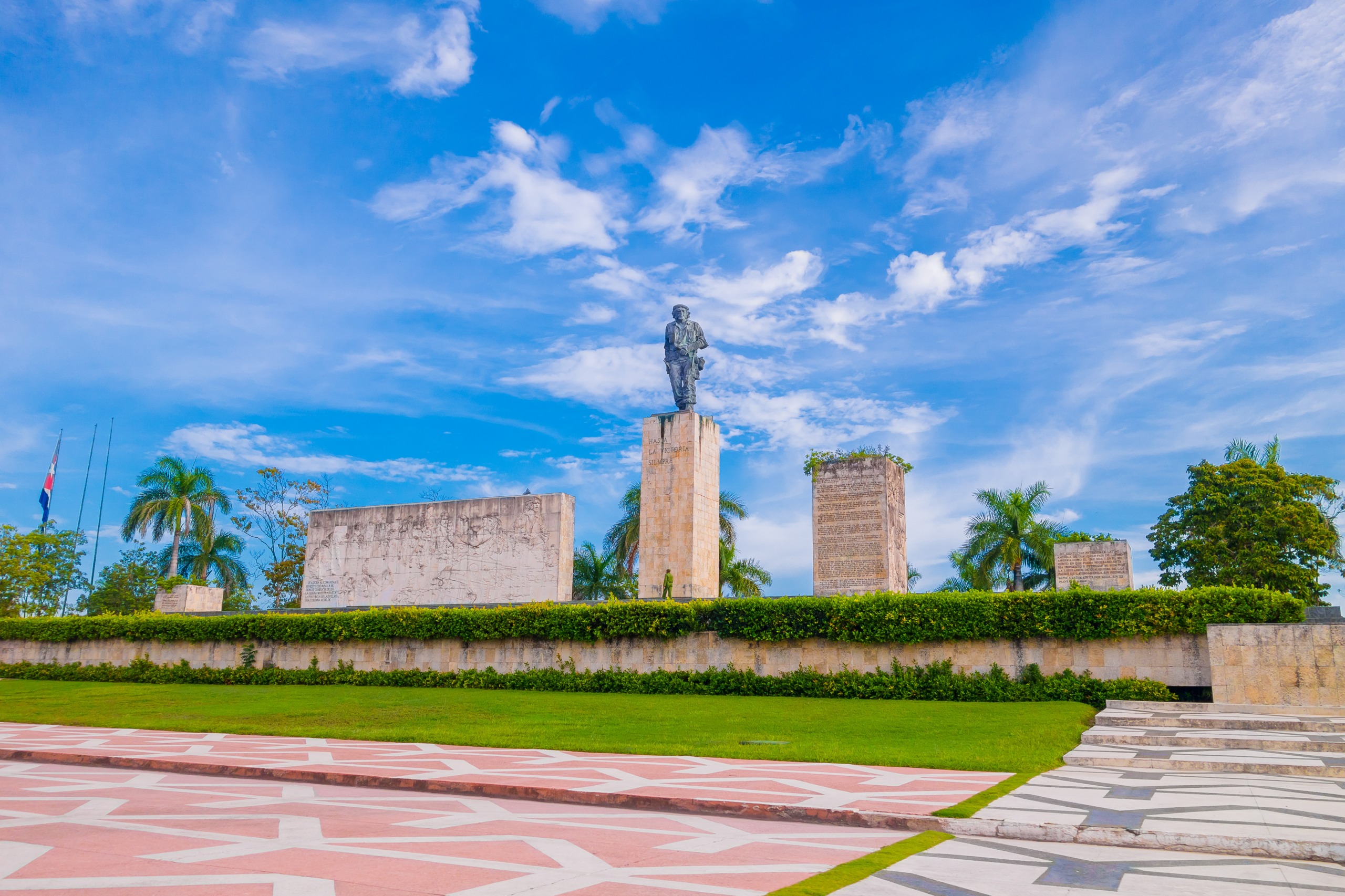
Mausolée et musée du Che
À Santa Clara, le mémorial du Che réunit mausolée, crypte aux 38 niches, musée biographique et statue monumentale de 7 m, sur le site de la bataille de 1958.
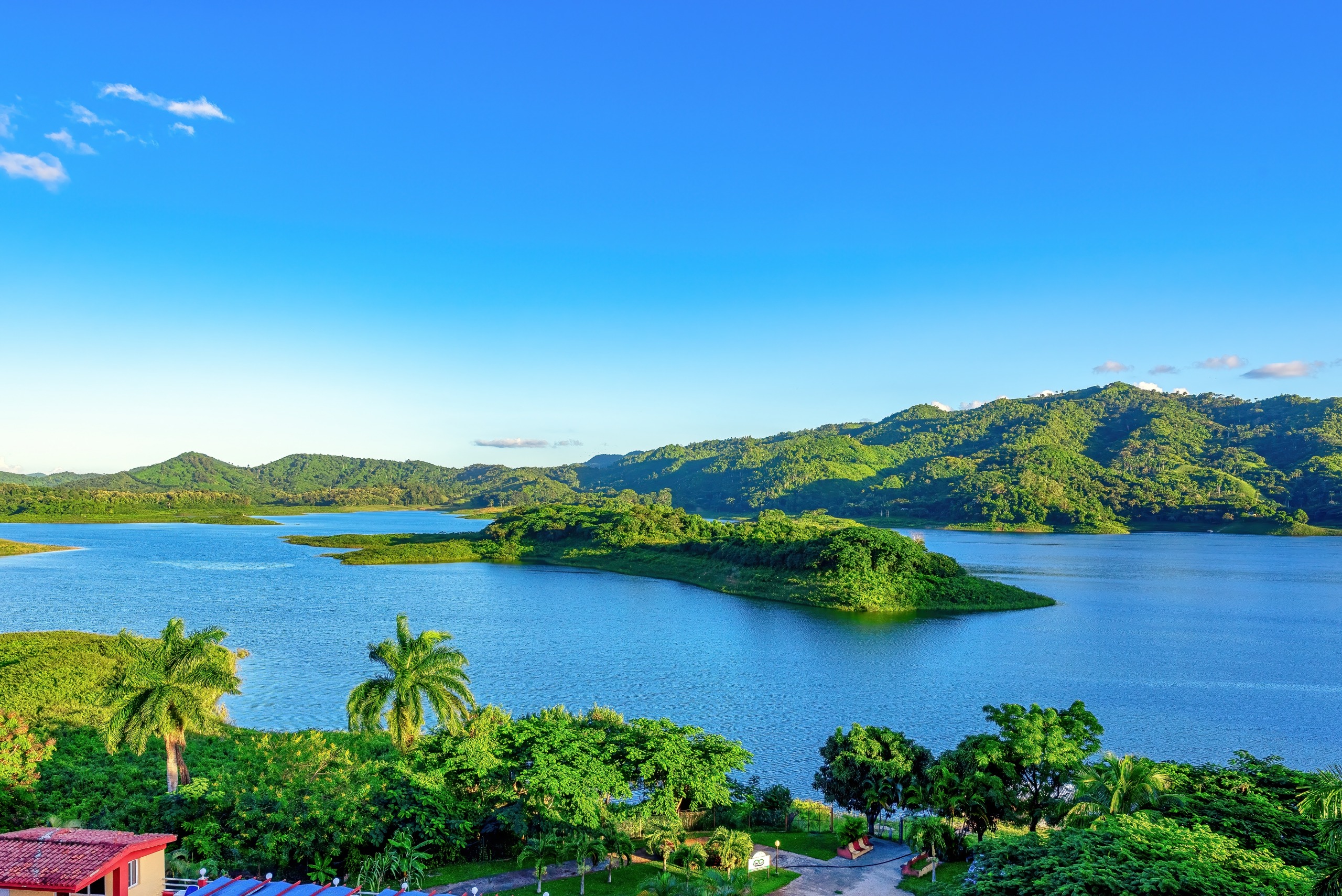
Lac Hanabanilla
Seul lac de montagne de Cuba, Hanabanilla est un réservoir artificiel niché dans la Sierra del Escambray, à 50 km de Santa Clara. Randonnées, cascades et faune endémique.
Want to discover this destination?
Our local advisors design your tailor-made trip.