Pinar del Río
Pinar del Río
Nicknamed Cuba's Garden, Pinar del Río province is home to the UNESCO Viñales Valley, 80% of Cuban tobacco production, and pristine coastal areas.
At the far western tip of Cuba lies Pinar del Rio, a territory known as the "Garden of Cuba." Between fertile valleys, spectacular limestone hills, and still-wild beaches, this province captivates through both the richness of its landscapes and the quality of its tobacco, considered the finest in the world. Here, nature, culture, and tradition blend harmoniously, offering visitors a journey outside of time at the heart of a region where authentic Cuban character shines in all its splendor.
Geographic Characteristics
Pinar del Rio is simultaneously a city, a municipality, and the capital of the province bearing the same name, situated at Cuba's western extremity, approximately 164 km southwest of Havana. The province, spanning roughly 10,000 km², combines mountain ranges (Sierra de los Órganos and Sierra del Rosario), fertile valleys, agricultural plains, and tropical forests. It is within the rich lands of San Juan y Martinez and Vuelta Abajo that nearly 80% of Cuban tobacco destined for the famous habanos grows, making the region a pillar of the national economy.
Yet Pinar del Rio, nicknamed the "Garden of Cuba," extends far beyond tobacco. It harbors exceptional natural treasures:
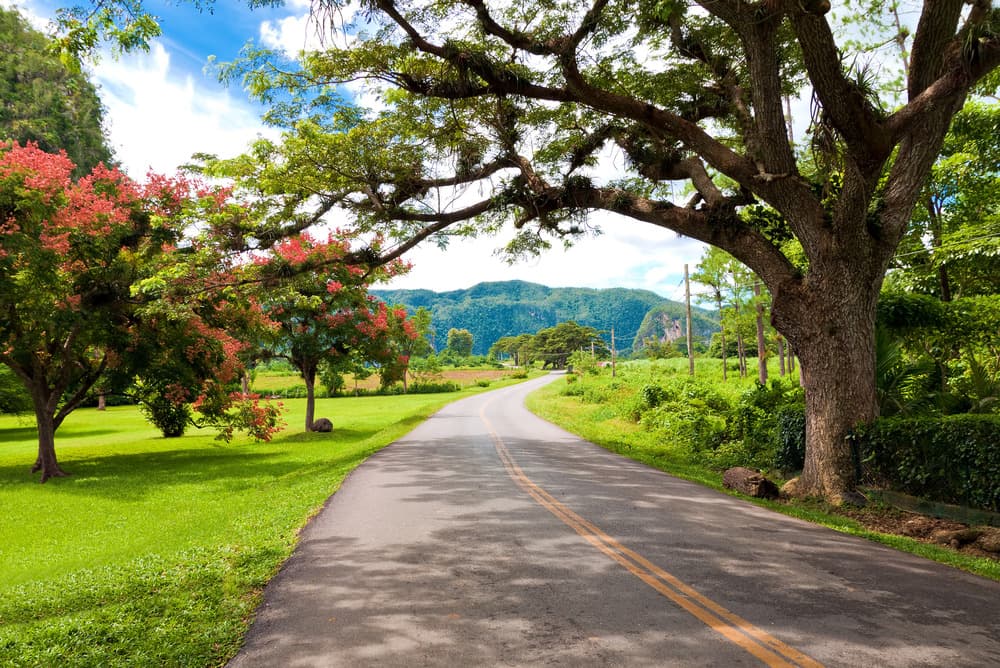
- The Viñales Valley, inscribed on the UNESCO World Heritage list, with its spectacular mogotes, caves such as Cueva del Indio and the Mural de la Prehistoria.
- The Sierra del Rosario, a recognized biosphere reserve celebrated for its tropical forests and hiking trails.
- The Pinar del Rio Botanical Garden, spanning 62 hectares and home to over 1,300 species, including the rare corcho palm, a true "living fossil" from the Jurassic period.
There are also coastal gems such as Cayo Jutías and Cayo Levisa. The province also boasts the highest number of UNESCO-protected sites in the country.
History
Origins
Offically founded in 1775 and long known as Nueva Filipina, Pinar del Rio owes its current name to the pine forests (pinos) lining the Guamá River. The city gained its capital status in 1867, becoming one of the last major urban centers established by the Spanish in Cuba. Long before that, the territory was inhabited by the Guanahatabey, hunter-fishers who disappeared during the colonial era, and by the Ciboney, relatives of the Taíno people. Christopher Columbus sailed along its coasts in 1494, and from the 17th century onward, cattle ranching and tobacco cultivation took hold.
Tobacco's Development
The region quickly became the heart of Cuban tobacco production. By 1760, smugglers chose this remote location away from Havana to cultivate tobacco freely. In the 19th century, European demand brought prosperity to the area, dubbed the "Mecca of Tobacco," with 80% of national production destined for habanos. The arrival of the railroad in 1893 accelerated commercial growth. Though sugarcane has gained importance today, tobacco remains the emblematic product of Pinar del Rio province and a cornerstone of the Cuban economy.
From Colony to Republic
Following independence and during the Republic era (1902–1958), Pinar del Rio province experienced significant underdevelopment. Dominated by large landholders and North American capital, it remained confined to supplying raw materials, despite the world-renowned status of its tobacco. Peasant life was precarious: poverty, lack of electricity, high unemployment, and widespread illiteracy. This situation fostered strong Pinareño participation in revolutionary movements, with a marked presence in the July 26 Movement, the Grandma Expedition, and local guerrilla activities.
After 1959
The Revolution profoundly transformed Pinar del Rio province:
- Agrarian reform
- Creation of cooperatives
- Development of infrastructure such as the Abel Santamaria Hospital
- Implementation of educational and health programs.
Tobacco remained central to the economy, accompanied by reforestation, hydraulic, and local industrial initiatives. The crisis of the Special Period in the 1990s slowed these advances, but Pinar del Rio maintained its role as a bastion of resistance and symbol of Cuban identity.
What to See and Do in Pinar del Rio?
Must-See Attractions
Capital of Cuba's westernmost province, Pinar del Rio combines popular charm with cultural richness. Its streets host local art galleries such as Casa Taller and Galeria del Centro Provincial de Artes Plásticas, which showcase regional artists. The José Jacinto Milanés Theater, built in the 19th century in neoclassical style and constructed entirely of wood, embodies the city's cultural heart with its restored 540 seats.
Among the remarkable buildings are:
- Palacio Guash, now home to the natural sciences museum
- Museo Provincial de Historia
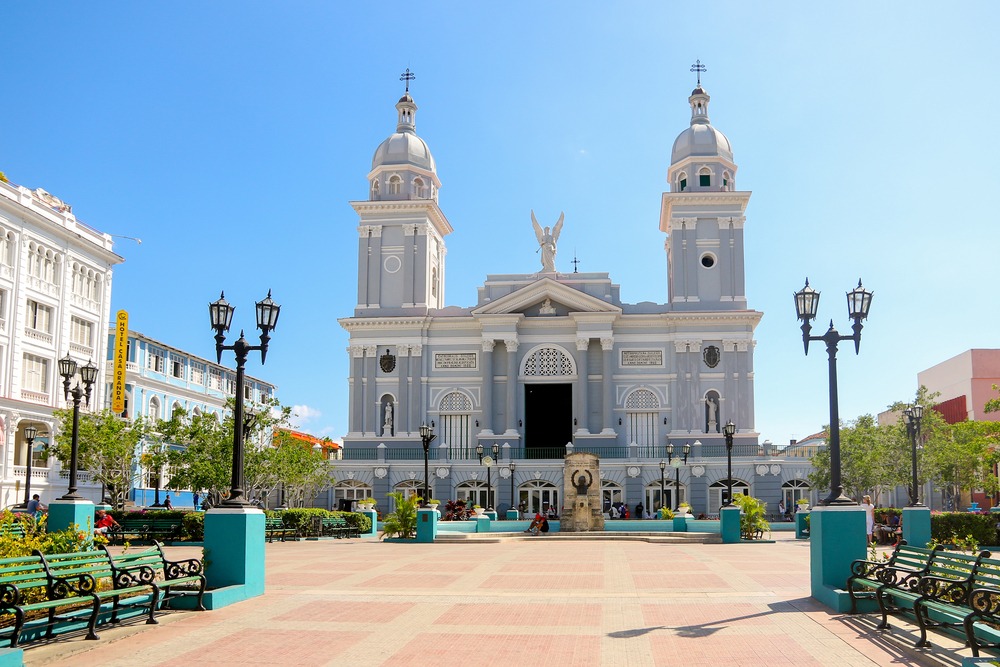
- Catedral de San Rosendo
- Palacio de los Matrimonios.
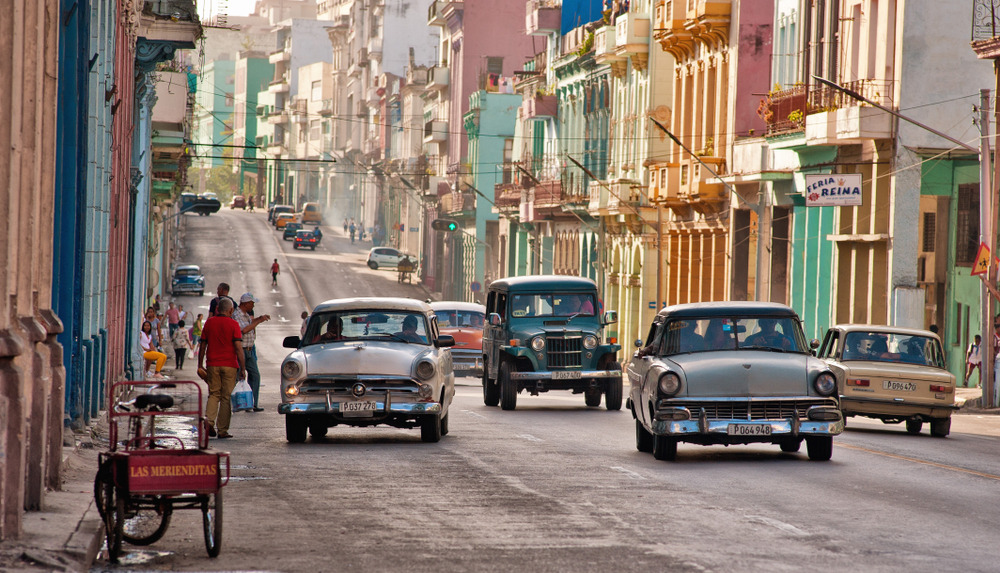
The city center, more modest than other Cuban colonial cities, retains a particular charm with its colorful houses, somewhat weathered façades, and popular atmosphere. You'll find vibrant venues such as the Capitán San Luis Stadium, the local baseball temple, and music shops where Cuban culture continues to flourish.
Discovering Tobacco Plantations and Factories
Pinar del Rio is home to the Fábrica de Tabacos Francisco Donatién, a former prison converted into a cigar factory. The guided tour allows you to follow each stage in the production of the famous Montecristo, Cohiba, or Partagás habanos. In the valleys of San Juan y Martinez and Vuelta Abajo, you can also discover traditional plantations such as that of Alejandro Robaina, where peasants, called guajiros, perpetuate ancestral knowledge.
Beaches and Paradisiacal Coasts
Beyond its mountains and valleys, Pinar del Rio province offers beaches renowned for their beauty and marine life:
- Cayo Levisa and Cayo Jutías, with crystalline waters ideal for snorkeling.
- Maria la Gorda, world-famous for scuba diving, its corals, sea turtles, and pirate-linked history.
- The Guanahacabibes Peninsula, a 40,000-hectare nature reserve rich in terrestrial and marine biodiversity, designated a UNESCO biosphere reserve.
Savoring Local Flavors
Pinar del Rio extends beyond cigars. Visitors can also taste the renowned Guayabita del Pinar liqueur, produced since 1892 at Casa Garay. Mixed with guava, this rum is a unique regional specialty.
When to Visit?
Pinar del Rio province can be visited year-round, though certain periods are more favorable depending on your interests. Between May and August, nature reveals itself in all its richness: it's the best season for observing local fauna and flora, particularly the sea turtles of Guanahacabibes. Birdwatching enthusiasts will prefer October through March, when bird observation is optimal.
If you dream of beaches and sunshine, December through March remains the ideal period to enjoy the coast in favorable conditions. Conversely, it's recommended to avoid late summer, between August and early October, as this region is particularly exposed to heavy rains and hurricanes.
Generally speaking, the dry season, from November to April, is the most pleasant for outdoor activities and serene exploration of Pinar del Rio.
From Havana, reaching Pinar del Rio is relatively straightforward. The city is located approximately 164 km southwest of the capital, and the journey takes 2 to 3 hours depending on your chosen mode of transport. The most direct route passes through the A4 highway, also connected to the Carretera Central.
You can opt for a private taxi, a shared taxi, or Viazul and Transtur buses, which offer two to three daily departures from Havana, with stops in Las Terrazas, Pinar del Rio, and Viñales.
From Viñales, the distance to Pinar del Rio is only about thirty kilometers, covered in 30 to 45 minutes by bus. It's also worth noting that Pinar del Rio city has a railway station connected to Havana, although this mode of transport is less commonly used by travelers.
Want to discover this destination?
Our local advisors design your tailor-made trip.