Havana
Havana
Havana, UNESCO capital of Cuba: colonial fortresses, salsa, American cars and paladares. The complete guide to planning your stay.
Havana, the number one city and capital of Cuba, blends music, tradition, culture and above all impressive historical monuments. The largest city in the Caribbean welcomes thousands of tourists each year. A somewhat obligatory stop during a stay in Cuba, Havana takes pride in "La Habana Vieja", commonly called "Old Havana". Indeed, this area, presenting a perfect blend of baroque and neoclassical monuments, was designated a UNESCO World Heritage Site in 1982. In 2016, Havana was named one of the Seven Wonders of the World. So if many recognize the value of this must-see destination, rest assured you will love it.
History
The city's name is believed to derive from the Taíno cacique called Habaguanex, the name of the tribal chief who inhabited the region at the time of the arrival of Spanish conquistadors in Cuba. Diego Velasquez mentioned it in his report to the King of Spain. It is said that the daughter of Habaguanex bore the name Habana, but this remains unproven.
The city was founded on August 25, 1515 on the southern coast of the island by conquistador Diego Velázquez de Cuéllar. It experienced at least two different locations between 1514 and 1519, before acquiring its current position in the bay in the northwest of Cuba. Havana is the 6th city founded by the Spanish. At that time (1519), it was named San Cristobal de la Habana: a combination of San Cristobal, the city's patron saint, and Habana, from the Taíno cacique Habaguanex. The definitive establishment of Havana was commemorated by the monument El Templet.
Being nestled in a bay, Havana was also a trade port. Following numerous attacks by pirates and buccaneers, the Spanish decided to build several fortresses there to strengthen security. Later, many ships (loaded with spices, raw foodstuffs, leather, wool, gold and emeralds) docked at Havana's shores. This made it the first port on the continent at the time.
Today, Havana is best known for La Habana Vieja or the Old City.
Havana, Cuba's Capital
Located on Cuba's north coast, in the western half of the island, Havana is the economic and cultural center of the country. Being the seat of the Cuban government, various ministries are based here. It extends over 720 km² to the west and south of a bay. The latter is accessible via a narrow passage subdivided into 3 ports: Marimelena, Guanabacoa and Atarés. The city is home to approximately 2.4 million inhabitants, but the metropolitan area counts over 3.7 million. Because of this, Havana is considered the largest city in the Caribbean.
Why Havana?
… Because Havana is the capital, economic and cultural center of Cuba.
… Because Havana's Old City is a must when traveling to Cuba. Called "La Habana Vieja" or Old Havana in English, this municipality is the historical heart of the city. Due to the preservation of its original urban layout, it was inscribed as a UNESCO World Heritage Site in 1982. The wonderful meeting of popular and traditional style has enhanced the tourist and cultural value of its historic center, an asset that earned it this UNESCO recognition. You will find 5 major squares each with distinctive architecture that sets them apart. Discover in La Habana Vieja: the Iglesia Catedral de La Habana, the Antiguo Convento de San Francisco de Asís, the Palacio del Segundo Cabo and the Palacio de los Capitanes Generales. You will be amazed by the sight of private residences adorned with arcades, wrought iron railings and interior courtyards.
… Because the city is home to one of the largest colonial fortresses on the American continent, namely the Fortaleza de San Carlos de la Cabaña, located on the eastern shore of the bay's narrow passage.
… Because one of the oldest colonial fortresses on the continent is located here. Its name is the Castillo de la Real Fuerza, situated on the western shore of the bay's narrow canal.
… Because Havana was declared one of the Seven Wonders of the World in 2016.
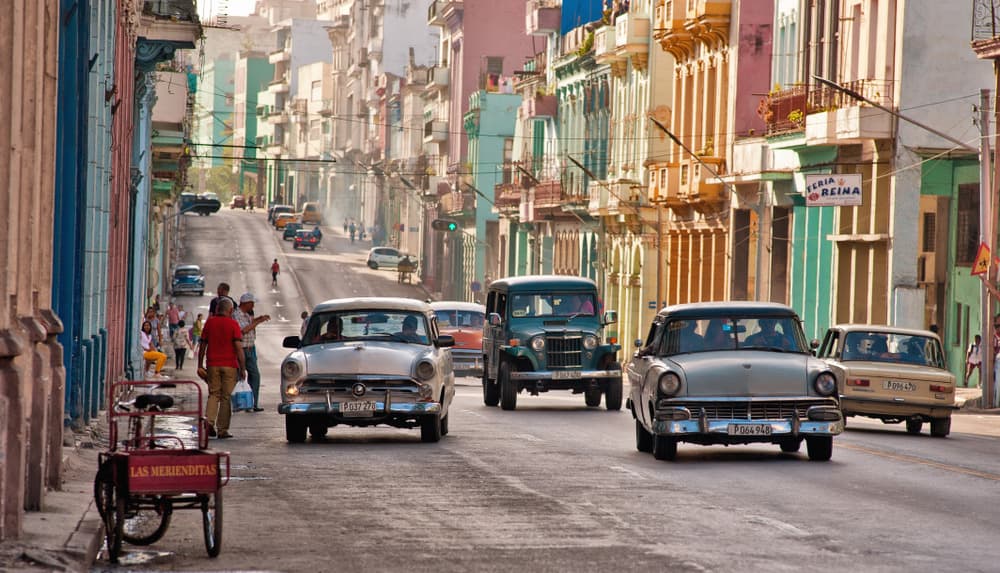
… Because in Havana, particularly in the Old City, you take a step back in time where old American cars rub shoulders with horse-drawn carriages.
… Because in Havana, people dance in the streets to the rhythm of Cuban percussion and music.
… Because in Havana you can enjoy delicious mojitos or other rum-based cocktails.
In short, the authenticity of its well-preserved historical heritage as well as its great architectural and urban diversity make this destination a must-see when traveling to Cuba.
What to See in Havana?
Most of the major squares and monuments are grouped in the historic center of La Habana Vieja.
The Fortresses
The El Morro fort, was built between 1589 and 1630 to protect the entrance to the bay and port. Located on the north-eastern shore of the port's access canal, it is called "Castillo de los Tres Reyes del Morro". The San Salvador de la Punta fortress, built in 1590, is located on the western shore facing El Morro fort. A heavy chain links the two fortresses to prevent enemy ships from entering the territory. Another fortress located behind El Morro at the port entrance is called the La Cabaña fortress, one of the largest on the continent. It was built in 1763 to strengthen the security of Havana's trade port and city.
The city's first major fortification is the Castillo de la Real Fuerza or "Royal Force Castle". Among the oldest fortresses on the continent, it was initiated in 1558.
The Squares or Plazas
Start with the Plaza de Armas or the Plaza of Arms, Havana's main tourist square. Continue with the Plaza Vieja, richly surrounded by buildings from the colonial period, as well as the Plaza de San Francisco, the Plaza del Cristo and the Plaza de la Catedral.
Churches and Other Religious Buildings
The San Cristóbal Cathedral will surprise you, as it is one of the most beautiful and understated churches of American Baroque. It is the most important building on the Plaza de la Catedral, a must-see. Also remember to visit the San Francisco de la Havana Basilica, still in the Habana Vieja neighborhood. The church and convent were established in 1608.
Museums
The National Museum of Fine Arts of Cuba is divided into 2 parts. The Palacio de Bellas Artes, exhibits in its modern building, the world's most important collection of Cuban art. For its part, the Palacio del Centro Asturiano is a former building housing one of Latin America's most important collections of Western art.
The Museum of the Revolution, built in 1913, is a treasure trove of fascinating stories about the Cuban people's struggle for independence. It is located in the former palace of dictator Fulgencio Batista.
One could not list all of Havana's interesting historical monuments. You can also see the Palacio de los Capitanes Generales, residence of Cuba's governors, and many other attractions.
Street Art Takes Over Callejon de Hamel
A mecca of Cuban street art, Callejon de Hamel is a paved alley extending just 200 meters, but striking with a breathtaking explosion of colors. Located in the heart of the Cayo Hueso neighborhood, this alley was transformed thanks to the imagination of contemporary artist Salvador Gonzales Escalona. You will be captivated by the beauty of Afro-Cuban art adorning the facades, shutters, windows and doors of the walls of former workers' homes. You will find different drawings in countless colors as well as philosophical quotes in homage to the country's history. These works are tightly controlled by the authoritarian regime which ensures political neutrality in artistic life. They must therefore not serve as propaganda.
It is especially on Sundays that the alley comes alive with the sound of claves, congas and cajóns for rumba concerts. Let yourself be intoxicated by the magic of the place at one of the wrought iron tables of Callejon, while enjoying a unique cocktail made in Callejon de Hamel called El Negron. This is made with basil, honey, sparkling water and Cuban rum. Your sense of escape will be assured.
What to Do in Havana?
Attend a Cuban Music Performance
It is clear that Cubans have a passion for music. As in most Cuban cities, the streets and sidewalks of Havana are filled with talented musicians with their local instruments. You can also visit one of the restaurants that offer musical performances and immerse yourself in the joyful and vibrant tones of Cuban melodies.
Stroll Along the Waterfront on the Malecón
To escape the hustle and bustle of the Old City and Central Havana, take a waterfront stroll along the Malecón, the rocky shore that lines Havana Bay. Take a good breath of sea air to refresh yourself.
Horse-Drawn Carriage Tours
It is the ideal way and the most authentic manner to visit Havana. The horse-drawn carriages date from the early 16th century at the time of the city's founding. Today, they offer tourists an enriching cultural experience (especially in Old Havana) that will transport you back in time.
Classic American Car Tours
Of various models and a range of colors, these vintage cars are a rather special way to explore La Habana Vieja. Choose from classic American cars or convertibles for a tour of the city.
Cocktail Bars
Cuba is the land of rum par excellence. There is nothing better than the capital to find the country's best cocktail bars. The Maestros Roneros at Mojito Habana Club know very well how to use Cuban rum to make a Mojito. They perpetuate the art of "anejamiento", to distill, age and blend high-quality rums.
We also recommend other interesting addresses to spice up your stay in Havana. Visit La Guarida or El Cocinero, bar-restaurants with magnificent terraces. La Guarida's terrace offers a superb view of the Centro Habana neighborhood. El Cocinero, nestled in the Vedado neighborhood, seduces locals and expats with its rooftop terrace and industrial style marked by its imposing chimney. Café O'Reilly also offers gin-based cocktails, as delicious as its coffee. To enjoy a tropical and laid-back atmosphere while sipping a mojito, consider visiting Espacios, another cocktail bar in the city. You can relax at your ease in the patio, while smoking an authentic Cuban cigar surrounded by tropical plants. At a certain hour, the volume of music will heat up the atmosphere. Dance enthusiasts and party-goers will have a blast.
Gastronomic Journey in Havana
Discover the varieties of Cuban dishes in Havana's "paladares". These are restaurants set up and run by Cuban families in their own homes. You are sure to find typically Cuban dishes there.
Visit La Cocina de Lilliam to taste Congri, which consists of white rice, onions, red beans and bacon. Also try lobster and other dishes made with fresh seafood to mark your vacation in Havana. The house has its own particular Cuban way of preparing them.
La Guarida is the ideal place to savor fine Cuban rums to be enjoyed neat or as cocktails. Take a table at La Fontana, Havana's kingdom of grilled meats. Savor the house's delicious grilled shrimp and lobster. The restaurant also serves rabbit, chicken and pork cooked over hot coals.
During your stay in the capital, take the opportunity to eat other typical dishes of the country. Moros y Cristianos, literally meaning "Moors and Christians", is the Number 1 Cuban culinary specialty. It consists mainly of white rice and black beans. You can also try "Picadillo", "Arroz con Pollo", other rice-based dishes. If crocodile meat tempts you, now is the time to try it. Explore Cuban specialties to enrich your gastronomic experience.
Climate
Temperatures and rainfall are quite high between June and October, respectively 23 to 31°C and 99 to 182 mm. It is therefore advisable to visit Havana in January, February, March, April, May, November and December.
Havana is served by the José Martí International Airport, located 17 km from the city.
The cost of bus transport is affordable. However, bike-taxis are more practical for visiting the city. These are vehicles resembling 3-wheeled bicycles fitted with benches. When motorized, they are called "coco-taxis", with an intriguing and amusing shape. These are like "Tuk-Tuks" in India, but with a more refined shape (like ladybugs). For more comfort, you can always opt for car rental to get around the city.
Attractions in Havana
See all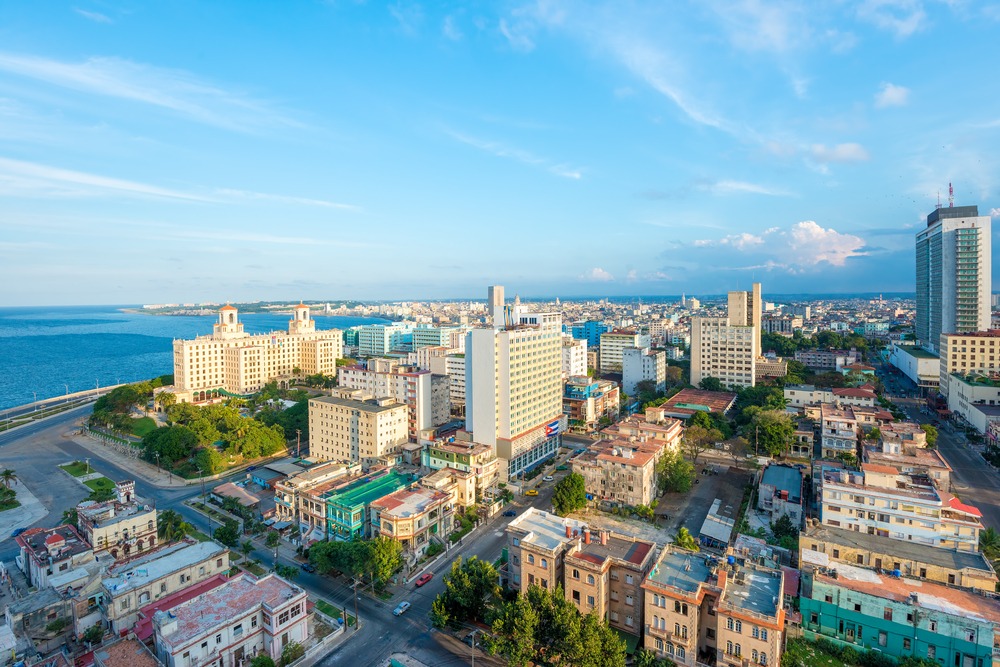
Quartier du Vedado
Le Vedado réunit la Plaza de la Revolución, le mémorial à José Martí, l'université, le Museo Napoleónico et le Malecón à La Havane.
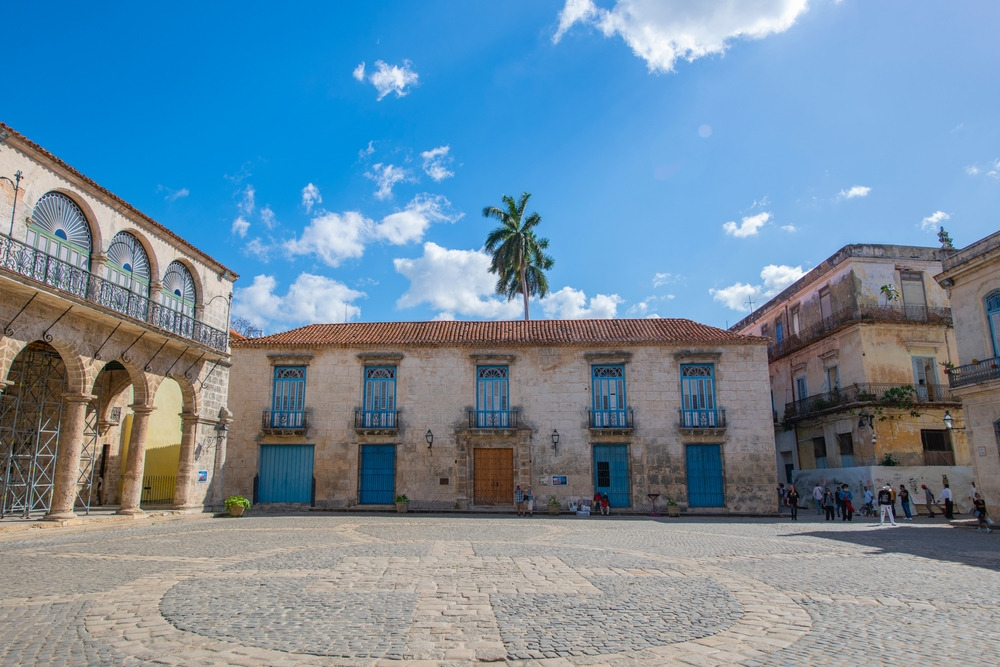
Musée d'Art Colonial de La Havane
Installé dans la Casa Bayona (1720) sur la Plaza de la Catedral, le Musée d'Art Colonial restitue le cadre de vie de l'aristocratie cubaine des XVIIe-XIXe siècles.
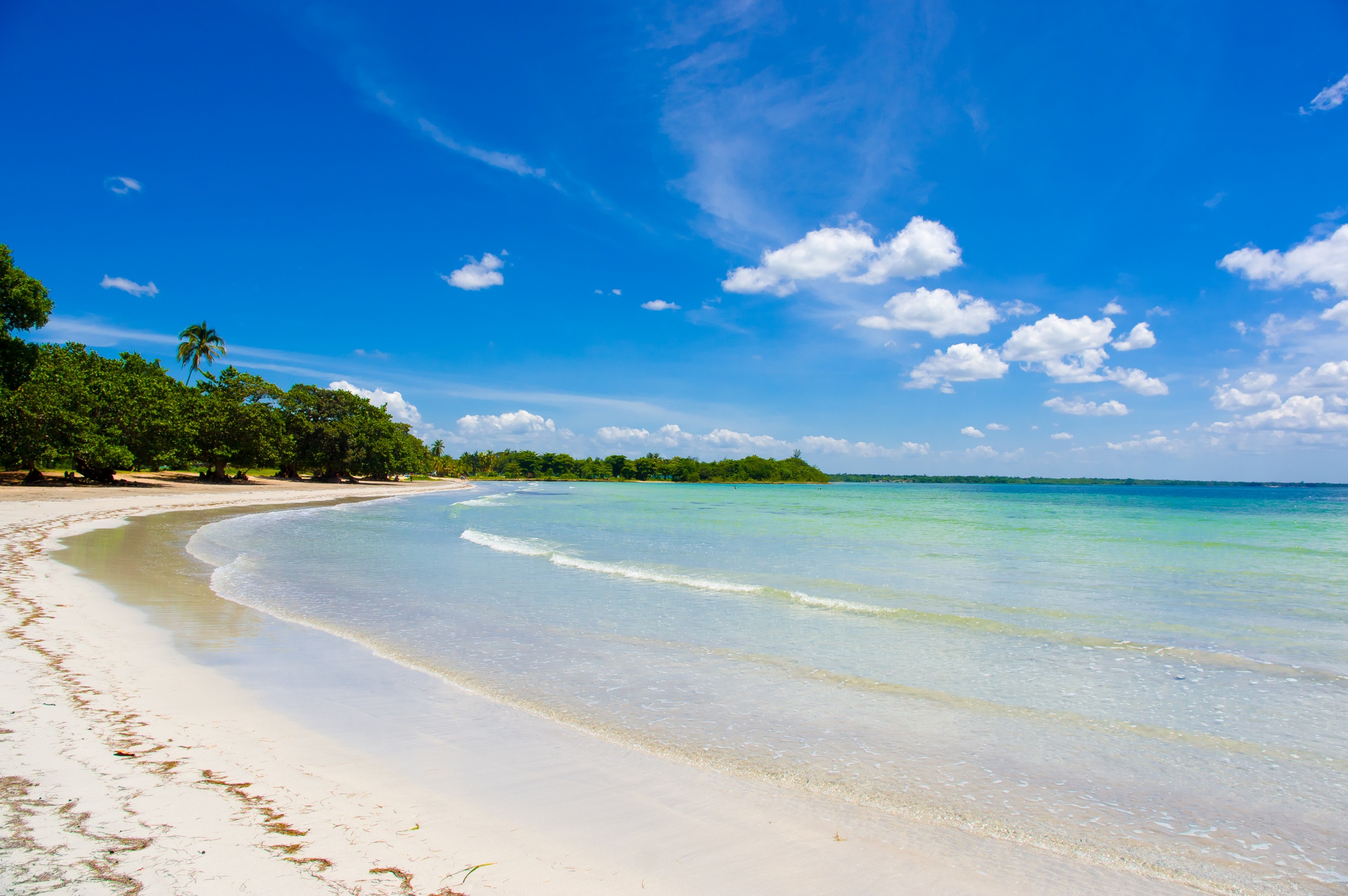
Baie des cochons
Site historique de l'invasion d'avril 1961, la Baie des Cochons combine musée de Playa Girón, plongée depuis le rivage et nature de la Ciénaga de Zapata.
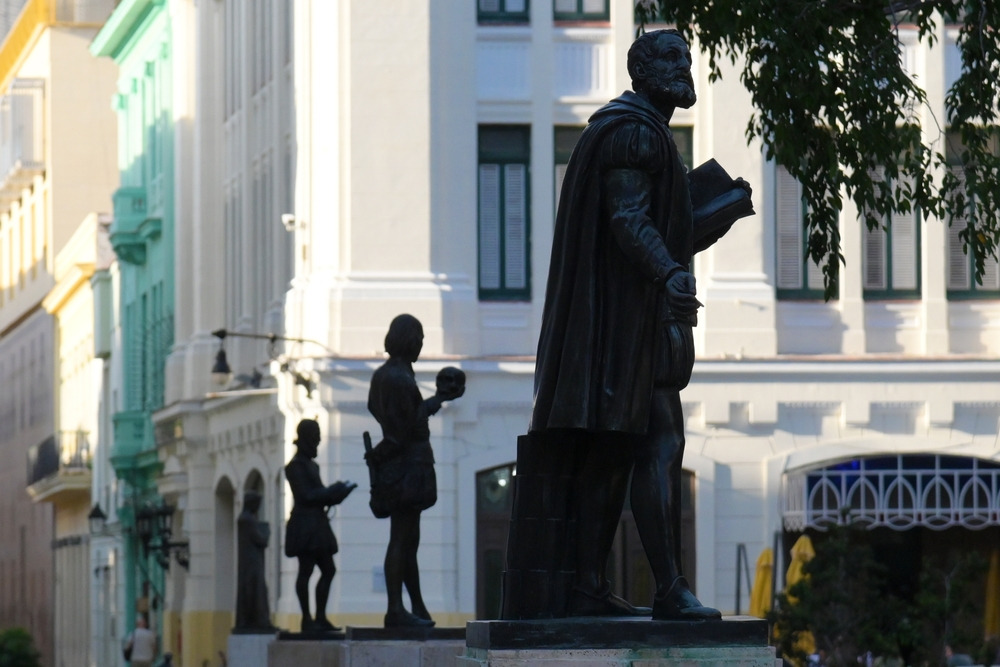
Musée de la Ville
Installé dans l'ancien Palais des Capitaines Généraux sur la Plaza de Armas, le Musée de la Ville retrace quatre siècles d'histoire de La Havane en 40 salles.
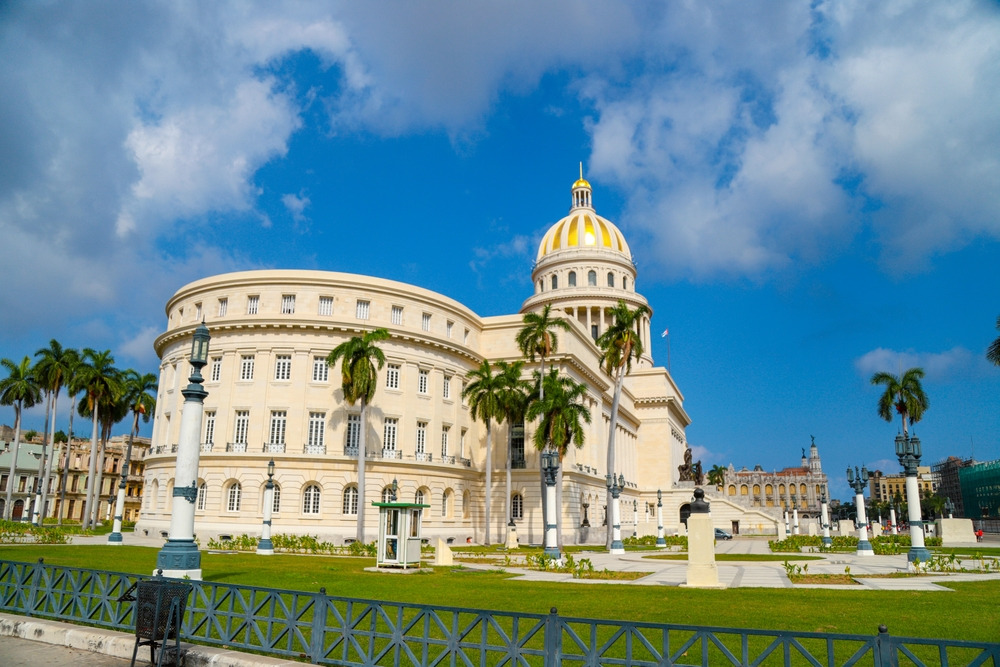
Le Capitole National de Cuba
Au cœur de La Havane, le Capitole National impose son dôme de 92 m et un siècle d'histoire politique cubaine, du Congrès de 1929 à la restauration de 2019.
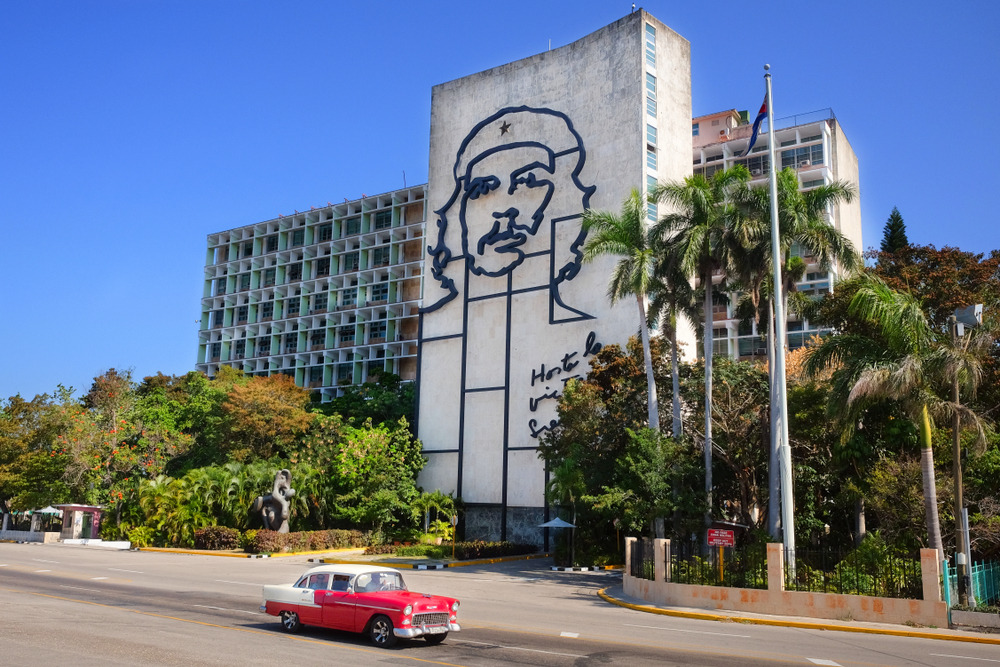
Plaza de la Revolución ou Place de la Révolution
Place emblématique de La Havane, la Plaza de la Revolución réunit le Mémorial José Marti et les portraits monumentaux du Che et de Camilo Cienfuegos.
Want to discover this destination?
Our local advisors design your tailor-made trip.