Cayo Jutías
Cayo Jutías
Off the beaten path, Cayo Jutías offers wild beaches, starfish, and lush mangroves in northwest Cuba.
Away from the usual tourist circuits, Cayo Jutías is a destination of choice for travelers seeking authenticity and tranquility. Located in the northwest of Cuba, this small islet attached to Pinar del Río province captivates with its pristine nature, uncrowded beaches, and timeless atmosphere. Whether for a day of rest between cultural stops, discovering marine life, or simply watching the sunset on the beach, this little corner of paradise will charm lovers of nature and peace.
Where is Cayo Jutías Located?
Cayo Jutías is a small coral island of approximately 4 km², situated on the northern coast of Pinar del Río province, off the Gulf of Mexico. It is part of the Colorados archipelago, a cluster of islets bordering Cuba's northwest coast. Administratively, it falls under the municipality of Minas de Matahambre. Cayo Jutías lies about 65 km northwest of Viñales, or 54 km if following the direct route.
Note: Do not confuse this Cayo Jutías with another islet of the same name in the Sabana-Camagüey archipelago, which belongs to Villa Clara province.
A Wild and Pristine Islet
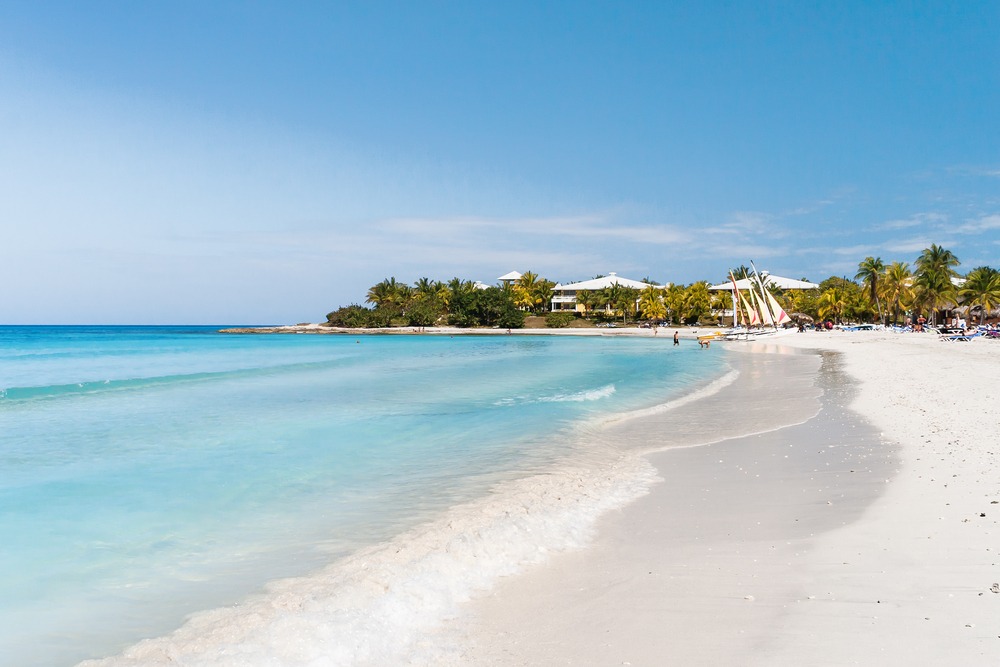
Cayo Jutías remains an uninhabited islet, and that is precisely what makes it so appealing. This little paradise offers a postcard-perfect landscape: a wide band of immaculate white sand, bordered by shallow turquoise waters ideal for swimming and relaxation.
Far from the resort complexes of beach destinations like Varadero or Cayo Coco, the environment here has remained almost untouched. Only a few wooden cabins and a small beachside restaurant hint at human presence. The islet chiefly appeals to day-trippers seeking tranquility and an escape from the crowds.
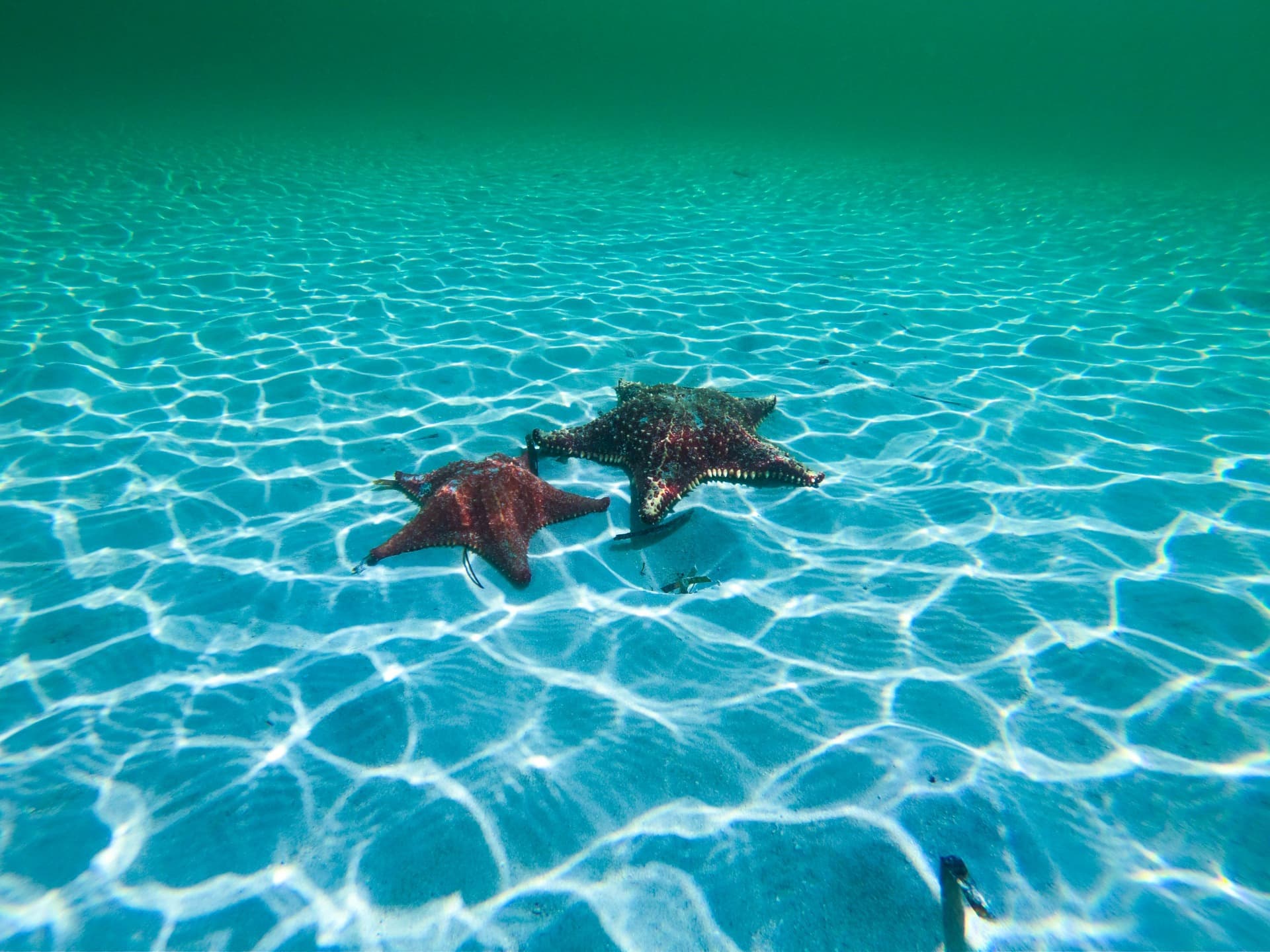
Among Cayo Jutías's natural treasures, the Playa de las Estrellas (Starfish Beach) holds a special place. In its calm waters, you'll discover countless orange and red starfish, visible while snorkeling. In the background, mangroves covering nearly 80% of the islet's surface enhance the location's wild beauty. The red mangroves, called Rhizophora mangle, create a landscape that is both peaceful and teeming with life.
Cayo Jutías is also a refuge for local wildlife. It harbors numerous bird species, some endemic such as the Strickland's woodpecker, the Cuban tody, and Gundlach's hawk. Among mammals, you may encounter the discreet rodents that gave the islet its name: the hutia, an animal related to the nutria, with two species living here (the conga hutia and the carabali hutia).
Finally, Cayo Jutías offers spectacular sunsets. As the sun declines, the waters shift from turquoise blue to pastel pink, transforming the beach into a moving canvas of delicate reflections.
What to See and Do at Cayo Jutías?
Relaxation and Swimming on Wild Beaches
Cayo Jutías boasts several beaches, all bordered by turquoise, shallow waters. Depending on the season, certain areas are more pleasant than others. The main activity remains swimming and resting on the white sand. Remember to bring sunscreen, as natural shade is very limited unless you improvise shelter with dried branches.
Snorkeling and Scuba Diving
The islet's coastline is bordered by a coral reef approximately 100 meters from shore, with waters teeming with colorful marine life. There are at least 7 diving sites around Cayo Jutías.
The water sports center on the islet offers:
- Snorkeling equipment rental
- Boat outings
- Guided diving
- Kayaks and pedal boats.
Playa de las Estrellas
At the islet's far end lies Playa de las Estrellas, famous for its colony of orange and red starfish. This protected area is accessible on foot through the mangrove or by small boat. Note that it is strictly forbidden to touch or move the starfish.
Walks, Cycling, or Kayaking
Nature lovers can hike or bike along the coastline to reach wilder areas. The calm waters of the Gulf of Mexico are also perfect for kayaking or paddleboarding, exploring the peaceful corners of Cayo Jutías.
In the Shadow of the Mangroves
Mangrove zones, mainly red mangroves, provide the only real shelter from the sun during hot hours. They also host remarkable biodiversity: fish, sponges, migratory or endemic birds, iguanas, and sometimes even Cuban crocodiles.
Discovering Cayo Jutías Lighthouse
Built in 1902 by Americans following the Spanish-American War, the metal lighthouse at Cayo Jutías stands 43 meters tall. Though no longer operational, it remains accessible (with caution) and offers exceptional panoramic views over the islet and neighboring cayos such as Cayo El Mégano. The lighthouse is a cultural landmark, having been featured on Cuban stamps in 2010 and 2014. The former keeper's quarters, now in ruins, still bear witness to its history.
To reach Cayo Jutías, plan for approximately 2 to 2.5 hours of driving from Viñales, depending on conditions. Access is via a road crossing Cuban countryside before taking a causeway (pedraplén) about 9 km long built above the Gulf of Mexico, directly connecting the islet to mainland. This infrastructure type is similar to that used to reach Cayo Santa María in the east.
Transportation options from Viñales include:
- Private car with driver: The most comfortable option. You can easily arrange this through your casa particular or a local agency.
- Organized excursion: Several Viñales agencies offer full-day excursions, including round-trip transport and sometimes meals.
- Scooter or rental car: Possible, but the road is in poor condition with many potholes, which can extend travel time and make the journey tiring.
Furthermore, it's important to note there is no gas station on Cayo Jutías, nor any refueling options after Viñales. Mobile coverage is weak or nonexistent in some areas.
From Havana, the journey is also possible but longer: plan for approximately 4.5 hours of driving. For this option, it's recommended to depart early in the morning or plan an overnight stay in Viñales before heading to the islet.
Restaurant and Accommodation
Cayo Jutías is uninhabited. Only one restaurant offers simple dishes, including grilled fish, lobster, rice, and beans. It operates between 10 a.m. and 5:30 p.m., with closing time coinciding with the recommended departure time, as drivers avoid nighttime driving.
For accommodation, you must stay in Viñales or Pinar del Río, the two nearest towns, where you'll find numerous casas particulares (private lodging with locals), often with views of the mogotes, or a few hotels. A day excursion from either of these towns remains the ideal way to discover Cayo Jutías.
When to Visit?
The best period to visit Cayo Jutías spans from November to April, during the dry season. The climate is more stable, with pleasant temperatures around 28°C, and the water remains warm year-round. Beyond ideal weather, these months allow you to avoid both the rains of the wet season (May to October) and tourist crowds of summer holidays, particularly July and August.
Want to discover this destination?
Our local advisors design your tailor-made trip.