Colonial Art Museum of Havana
Colonial Art Museum of Havana
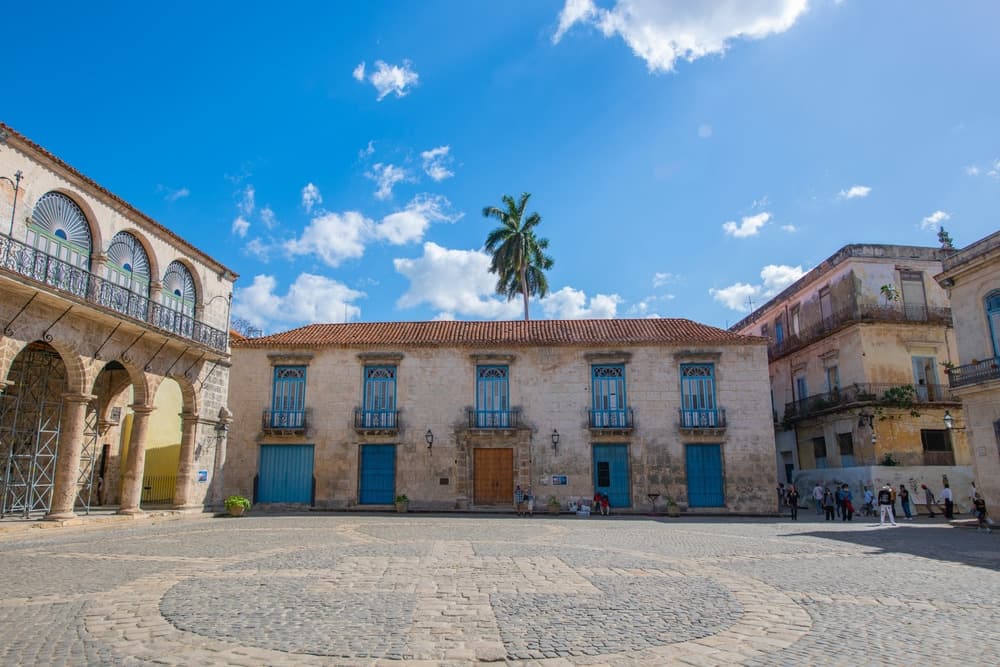
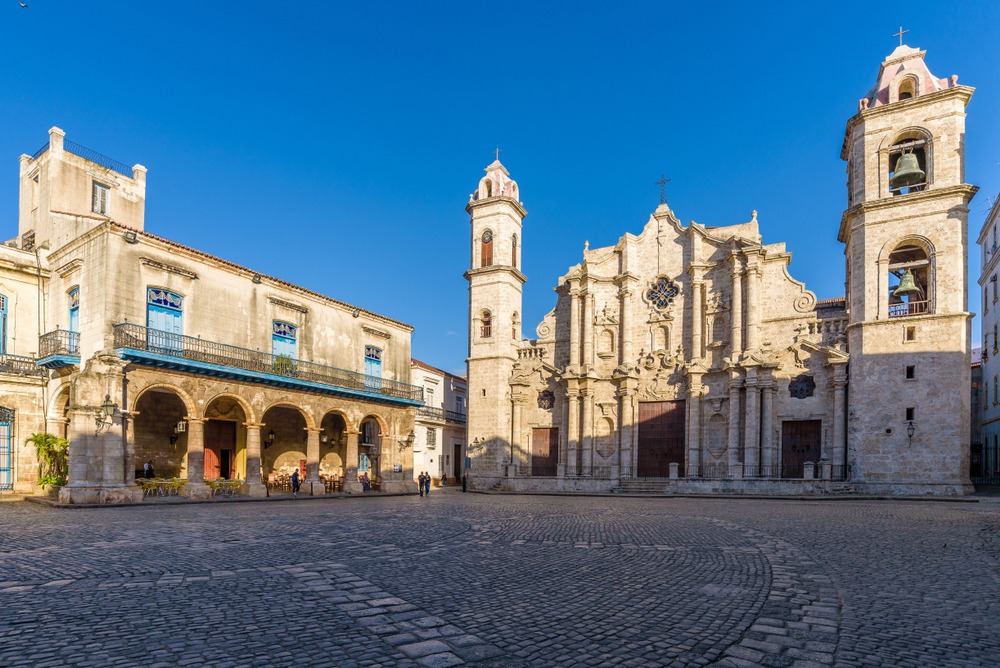
Housed in Casa Bayona (1720) on Plaza de la Catedral, the Colonial Art Museum showcases the living spaces of Cuban aristocracy from the 17th to 19th centuries.
The Museo de Arte Colonial occupies Casa Bayona on Plaza de la Catedral, in the heart of Habana Vieja. This 18th-century mansion evokes the lifestyle of Cuban aristocracy between the 17th and 19th centuries through its furniture, tableware, stained glass windows and colonial architecture.
Why Visit the Colonial Art Museum
The museum holds a dual appeal: the building itself, considered one of the oldest still standing in Habana Vieja, and its decorative arts collections displayed across four exhibition spaces. The visit offers a tangible understanding of colonial Cuban aristocratic housing: room layout, materials, everyday objects, imported or locally produced furniture. The entire complex is inscribed on the UNESCO World Heritage list alongside Havana's historic centre.
Allow 1 to 1.5 hours to tour the rooms at a leisurely pace. The museum appeals equally to architecture enthusiasts and visitors interested in Cuba's social history.
History of Casa Bayona
Casa Bayona, also called the Palace of the Counts of Casa Bayona, was built in 1720 by order of Governor Luis Chacón. He offered it to his daughter on the occasion of her marriage to the first Count of Casa Bayona. The building is generally presented as the oldest still standing in Habana Vieja, though this claim remains debated among historians.
Over the centuries, the mansion served multiple purposes. After its residential function, it successively housed the headquarters of the Real Colegio de Escribanos, the offices of the newspaper La Discusión, and a warehouse for the Arechabala distillery. Its proximity to the cathedral long fueled an erroneous rumor that it had housed the tribunal of the Inquisition in Cuba—which was never the case.
The building underwent restoration in 1931 by architect Enrique Gil Castellanos, followed by a more faithful rehabilitation in 1969. The museum is today managed by the Office of the Historian of the City in collaboration with the University of Havana.
What to See in the Museum
The Building's Architecture
The façade, sober and symmetrical across two stories with no mezzanine, is topped with a roof of traditional Cuban tiles. The carved wooden and wrought-iron balconies, the carriage porch, and the central courtyard are characteristic of grand Cuban colonial residences. Inside, notice the red marble floors, ornate wooden coffered ceilings (artesonado) and decorative elements inspired by Mudéjar style. The garbanzo-yellow walls and blue ceilings of the ground floor frame a lush courtyard.
The Table Arts
The collection features tableware and porcelain services from the 18th and 19th centuries, imported from Limoges, Worcester, or Royal Doulton, as well as local productions. Some pieces are decorated with scenes of Cuban colonial life.
Furniture and Interior Reconstructions
A parlor, dining room, bedroom, and study illustrate the layout of bourgeois homes. These spaces display Baroque furniture, pieces of Cuban Empire style, and Rococo-Victorian creations attributed to American cabinetmaker John Henry Belter. Several objects come from the family of the Count of San Juan de Jaruco. Upstairs, the former residential area exhibits beds, rugs, a cigar humidor, and an English Sheraton-style piano on which concerts are sometimes held.
Stained Glass, Ironwork, and Decorative Objects
One room is dedicated to 19th-century stained glass windows retrieved from various neighborhoods of Havana—Habana Vieja, Guanabacoa, Vedado—including some fanlight designs (medio puntos). Door knockers, handles, wrought-iron grilles, and bronzes complete the picture of the period's artisanal craftsmanship.
The Carriage House Room
This space displays a 19th-century quitrín, a horse-drawn carriage typical of Cuban aristocracy, accompanied by stirrups, spurs, and coachmen's equipment. The tour concludes with curiosities: remnants of an old kitchen, an Italian marble bathtub, and delicately worked ironwork.
A fourth room, temporary in nature, hosts rotating thematic exhibitions on Cuban heritage or Havana's history.
Practical Information
The museum is open Tuesday through Sunday during daytime hours. Exact hours and entrance fees change regularly; it is advisable to verify them on-site or with the Office of the Historian before your visit. The admission fee remains modest.
The visit can be self-guided. Museum staff sometimes offer informal accompaniment through the rooms with commentary on the displayed objects; a tip is appreciated in exchange for this service.
How to Get There
The museum is located on Plaza de la Catedral, facing the cathedral, in Habana Vieja. From the Capitole or Parque Central, allow about ten minutes on foot through the pedestrian streets of the historic centre (Calle Obispo or Calle Mercaderes, then Empedrado). Bicycle taxis and coco-taxis also serve the neighborhood. Plaza de la Catedral is not accessible to private vehicles; the visit is made on foot.
What to See Nearby
Plaza de la Catedral concentrates several sites within meters of each other: San Cristóbal Cathedral, the Centro Wifredo Lam, and the Palacio del Marqués de Arcos. A short distance away, Plaza de Armas, Plaza Vieja, and Calle Mercaderes naturally extend your journey through Habana Vieja. To further explore the country, consult our Havana guide or discover other Cuban sites such as Santiago Cathedral, Jagua Castle, or the Bay of Pigs.
Frequently Asked Questions
Frequently asked questions
Extend Your Discovery
The Colonial Art Museum fits naturally into an itinerary through Habana Vieja and beyond. To plan a complete stay in Cuba, consult our Cuba trips.
Nearby
Interested in this visit?
We can include it in your personalised itinerary.