Bay of Pigs
Bay of Pigs
Historic site of the April 1961 invasion, the Bay of Pigs combines the Playa Girón museum, shore diving and the natural landscape of the Ciénaga de Zapata.
The Bay of Pigs (Bahía de Cochinos in Spanish) stretches along Cuba's southern coast, in the Gulf of Cazones, in Matanzas Province. Known for the attempted invasion of April 1961, it also encompasses 35 kilometers featuring two fishing villages, Playa Larga and Playa Girón, the largest wetland in the Caribbean and a dozen shore-accessible diving sites.
Why visit the Bay of Pigs
- A major Cold War historic site, documented at the Playa Girón museum.
- The Ciénaga de Zapata, a UNESCO biosphere reserve, and its Bermejas bird sanctuary.
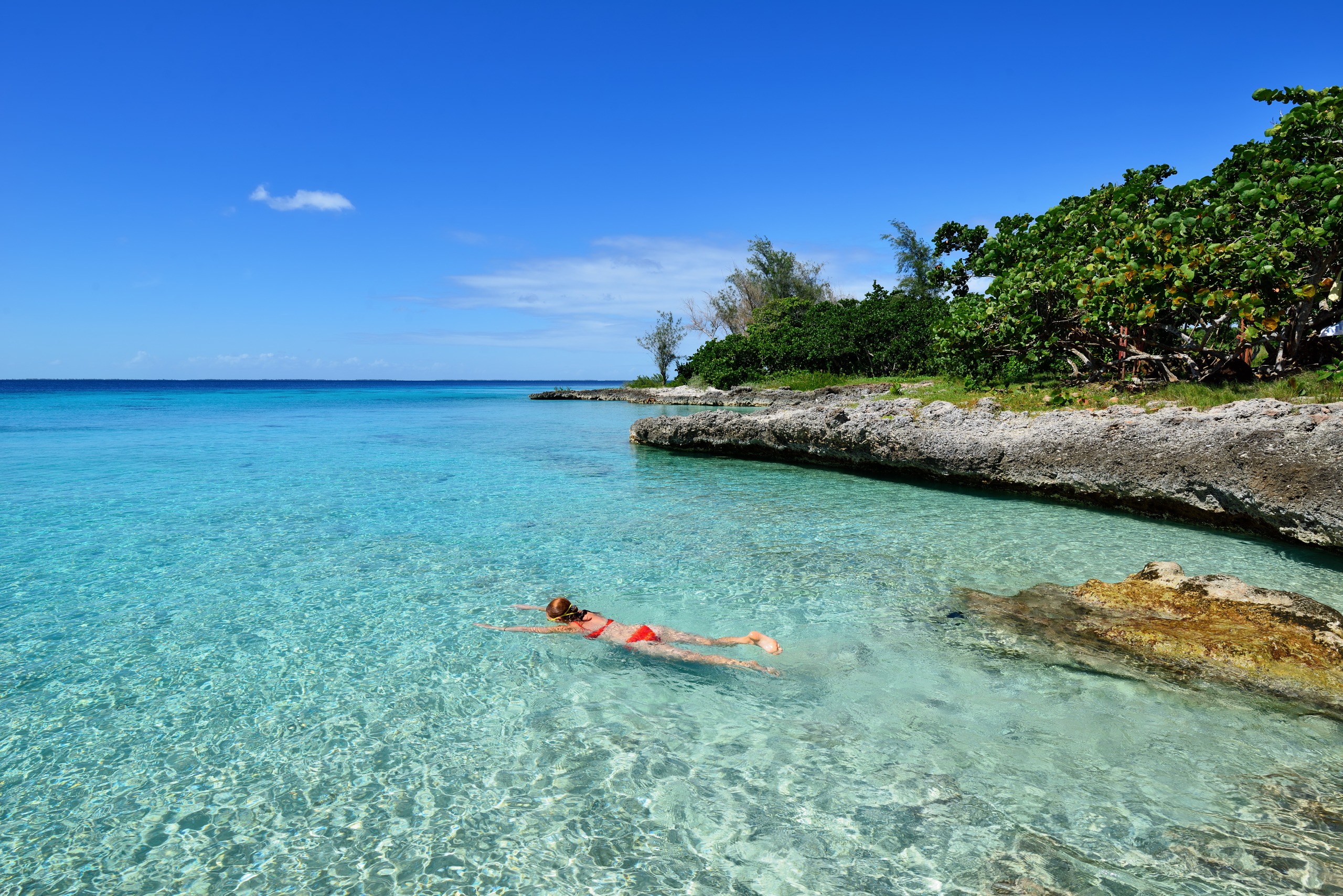
- Shore diving and snorkeling with visibility of 20 to 30 meters and water temperatures between 22 °C and 29 °C.
- A spectacular cenote, the Cueva de los Peces, connected to the sea by underwater tunnels.
- An undeveloped coastline, away from the major beach resorts of Varadero or Cayo Coco.
History: the April 1961 invasion
Before 1976, the bay was successively attached to the provinces of Santa Clara and Las Villas, before its final integration into Matanzas. But it was April 1961 that placed this name on the map of the twentieth century.
Two years after the fall of Fulgencio Batista and Fidel Castro's rise to power in 1959, the CIA orchestrates an operation to overthrow the regime. Some 1,400 Cuban exiles, trained in the United States, land on the bay's beaches. Cuban forces, forewarned and supported by the local population, contain the assault in three days. On April 19, 1961, the exiles surrender. The failure seals a diplomatic setback for Washington and brings Havana closer to the Soviet Union, on the eve of the 1962 Missile Crisis.
At Playa Girón, a museum presents photographs, weapons and accounts of the operation. The bay also retains its darker side: in his book, former bodyguard Juan Reinaldo Sánchez describes Cayo Piedra, the private island where Fidel Castro had established a personal retreat in the heart of the zone itself.
What to see and do
Playa Larga and the Ciénaga de Zapata
At the northern entrance to the bay, Playa Larga opens onto the Ciénaga de Zapata, the largest wetland in the Caribbean and a UNESCO biosphere reserve. The national park is home to flamingos, endemic birds, mangroves and tropical forests. The Bermejas bird sanctuary and the Cuban crocodile breeding center at Guama complete the picture. Nearby waters and lagoons welcome manatees, tarpons, caimans and bonefish, the flagship species for sport fishing. Thirty species of sponges have been identified in the bay, and amphisbaenians, burrowing lizards rarely observed, are encountered there.
North of the village, at Boca de Guamá, stilt bungalows border the Laguna del Tesoro, once Fidel Castro's favorite fishing spot.
Playa Girón
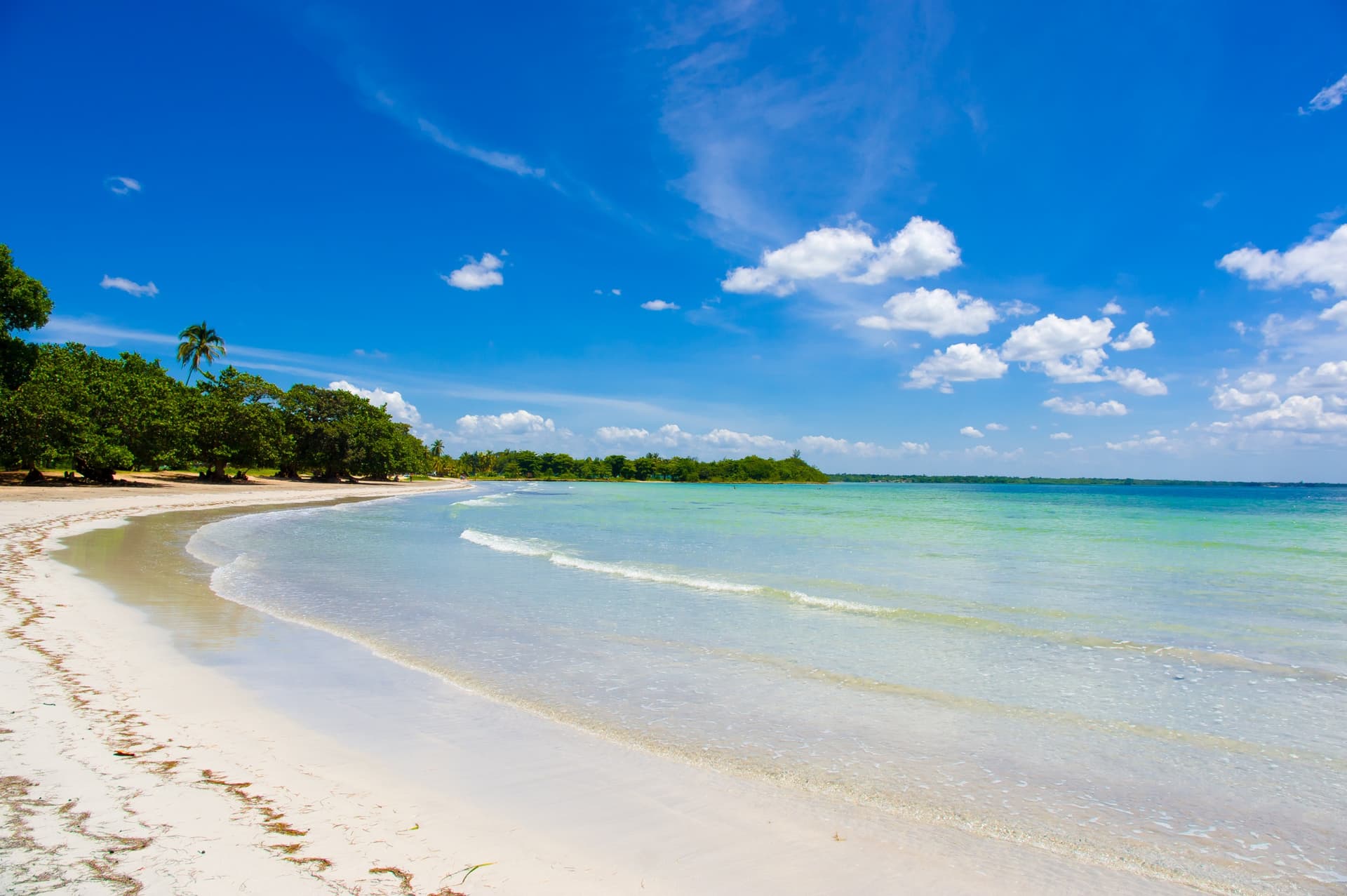
Thirty-five kilometers to the southeast, Playa Girón closes off the bay. The village takes its name from pirate Gilberto Girón, though the etymology remains disputed. Beyond its history museum, its white sand beach lends itself to swimming, snorkeling and shore diving.
Cueva de los Peces
Between the two villages, the Cueva de los Peces is one of Cuba's deepest cenotes (approximately 70 meters). This tectonic fissure of fresh water communicates with the sea through underground tunnels. Snorkeling and diving take place in clear water teeming with tropical fish; a restaurant and equipment rental are available nearby.
Punta Perdiz and Caleta Buena
Punta Perdiz, about ten kilometers north of Playa Girón, provides access to a coral reef located 100 meters offshore. Caleta Buena, further south, is a cove with natural pools connected to the sea, suitable for family snorkeling. In total, there are a dozen diving sites and several dive centers distributed between Playa Larga, Playa Girón, Punta Perdiz and Caleta Buena.
When to go
The dry season, from November to April, offers the best underwater visibility conditions (up to 30 meters) and a more temperate climate. Water temperature ranges from approximately 22 °C in winter to 29 °C in summer. In spring, the migration of giant land crabs between Playa Larga and Playa Girón is an impressive phenomenon: thousands of individuals cross the road to breed. It's best to avoid traveling early morning and late afternoon during this period, as the asphalt becomes slippery and tires take a beating. The rainy season (May-October) remains passable but more humid, with a cyclone risk in September-October.
Practical information
- Accommodation: casa particulares in Playa Larga and Playa Girón, stilt bungalows at Boca de Guamá. Few international hotels; booking advised in high season.
- Dining: small paladares specializing in fish and seafood; limited options outside the villages.
- Money: bring cash; ATMs and internet connections are scarce.
- Diving: centers present at major sites, training dives accessible to beginners.
- Rates: site entry fees and dives at moderate cost, more affordable than Varadero.
How to get there
From Havana, allow 2.5 to 3 hours to reach Playa Larga or Playa Girón by rental car, shared taxi or Viazul bus. From nearby Cienfuegos, day excursions typically combine Boca de Guamá, Cueva de los Peces, Punta Perdiz, Playa Girón and Playa Larga. Organized tours from Varadero also allow you to visit the Ciénaga de Zapata in a day, though staying overnight remains the better option to enjoy the sites outside peak hours.
Combine with nearby attractions
- Cueva de Saturno and the Bellamar caves, on the way to Matanzas, for their formations and underground pools.
- Centro Habana, approximately 3 hours by car, to extend your stay in the capital.
- The Che Guevara mausoleum and museum in Santa Clara, to continue your Revolutionary history itinerary.
- The House of the Hummingbird, another major Cuban bird-watching destination.
- The Caguanes National Park, another UNESCO biosphere reserve on the north coast.
Frequently asked questions
Frequently asked questions
Prepare your trip
The Bay of Pigs naturally fits into an itinerary connecting Havana, Cienfuegos and Trinidad. To build a custom itinerary that includes history, diving and nature, consult our Cuba trips.
Interested in this visit?
We can include it in your personalised itinerary.