Havana
A capital in perpetual reconstruction where UNESCO-restored Plaza Vieja sits alongside the peeling facades of Centro Habana, punctuated by Sunday rumba and the Malecón at dusk.
Havana stretches across 730 km² along the Strait of Florida, 150 km south of Key West. The city is home to 2.1 million inhabitants spread across fifteen municipalities, four of which contain most of what travelers come seeking: La Habana Vieja, Centro Habana, Vedado and Miramar. Founded in 1519 on the natural bay that made it the departure point for the Spanish fleet between Veracruz and Seville for three centuries, the capital has accumulated an architectural heritage that UNESCO inscribed on its World Heritage List in 1982.
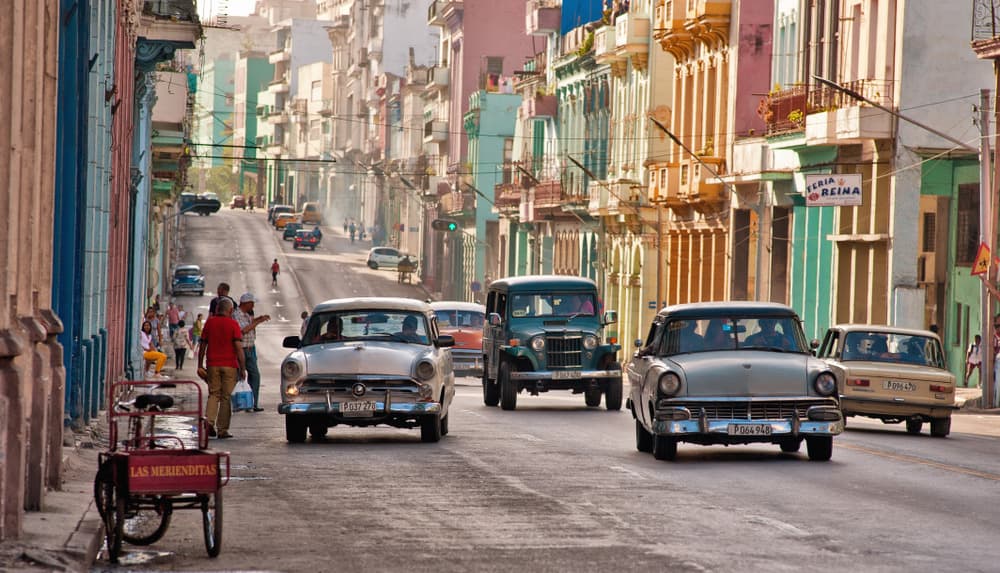
What strikes you upon arrival is the juxtaposition of eras across just a few city blocks. Plaza Vieja, completed in 1559 and meticulously restored since the 1990s by the Office of the City Historian, neighbors the Art Deco buildings on Calle Neptuno and the modernist villas of Miramar built between 1925 and 1958. Centro Habana, meanwhile, has barely been restored: its peeling facades, its shored-up balconies and laundry drying at windows compose a working-class daily life that locals simply call la calle.
Our team loves bringing travelers here late in the afternoon, around 5:30 p.m., when light falls across the Malecón, the 8 km seawall that borders the sea from Castillo de la Punta to Río Almendares. It's the hour when fishermen cast their lines, when young people from Vedado settle on the parapet with a bottle of Havana Club rum, and when waves wash over the railing whenever the wind picks up from the north. In December and January, frentes fríos blowing in from Florida can make the Malecón impassable for two or three days.
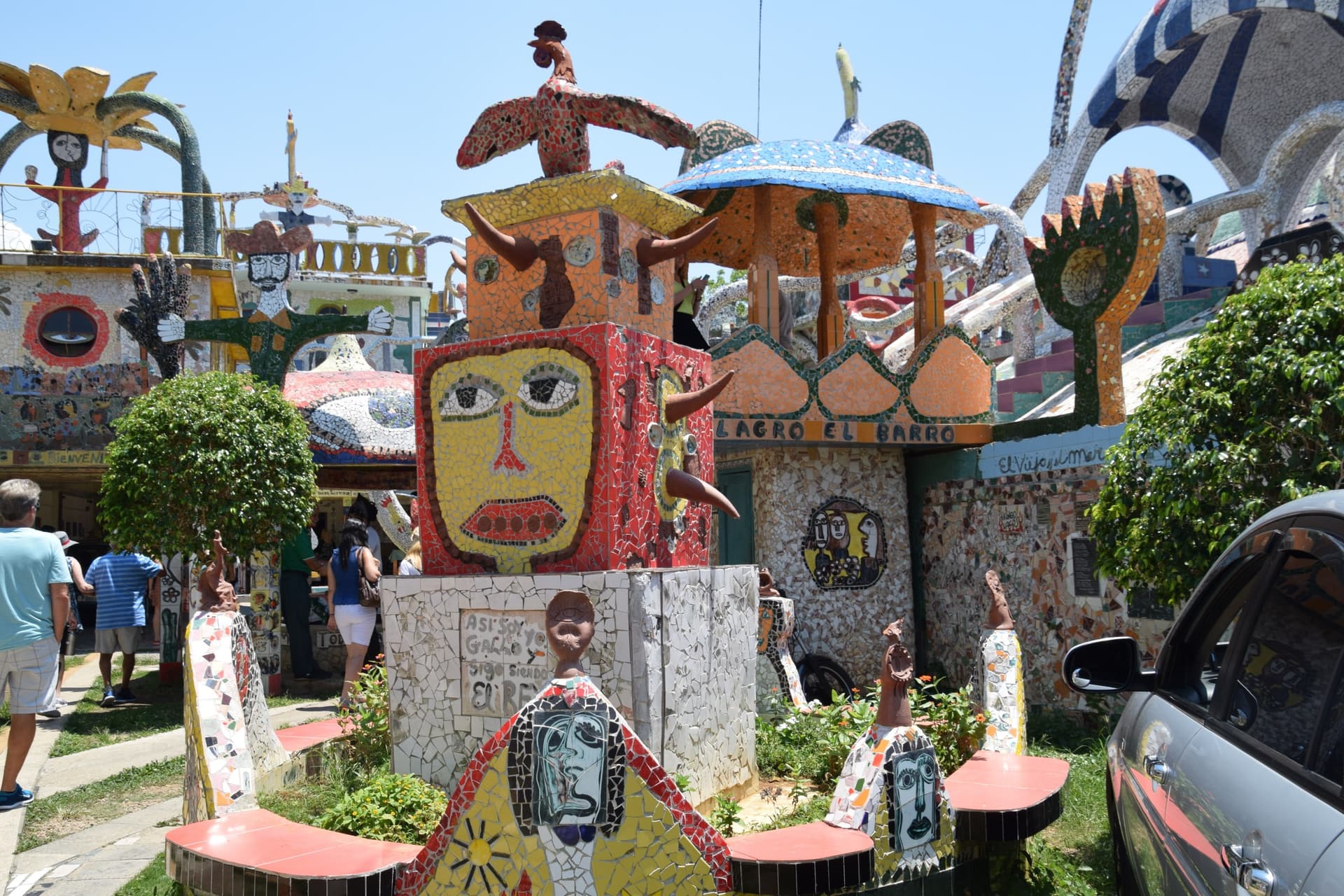
Music structures Havanan life more than in any other Cuban city. Sunday at noon, Callejón de Hamel, an alley painted by artist Salvador González in the Cayo Hueso neighborhood, hosts a neighborhood rumba where batá drums dialogue with songs in Lucumí, a heritage of Yoruba religions brought by the slave trade. In the evenings, peñas in Vedado, such as La Zorra y El Cuervo on Calle 23 for jazz or Casa de la Música de Galiano for salsa, program concerts starting at 10 p.m. For traditional son, Buena Vista Social Club has its permanent home near the cathedral.
As for dining, the paladar—a private restaurant set up in an apartment or interior courtyard—was born here in the 1990s. You'll find ropa vieja (shredded beef in tomato sauce), congrí (rice and black beans cooked together), or grilled fish depending on what's available. The best addresses concentrate in Vedado and the old city, around Plaza del Cristo. As for drinks, the mojito was created at La Bodeguita del Medio bar in 1942, the daiquiri at Floridita shortly before, two establishments that remain standing despite their now-touristy status.
Havana is not a museum city. It's a capital in perpetual reconstruction, where each visit reveals a building undergoing rehabilitation and another crumbling. It's precisely this tension between preservation and decay, between 1519 and today, that makes it compelling and explains why most of our travelers dedicate two to three full days here at the beginning or end of a circuit.
To discover
La Habana Vieja on foot. A full day loop through the four founding squares: Plaza de la Catedral, Plaza de Armas, Plaza San Francisco and Plaza Vieja, with a break at the Armas secondhand book market and lunch at a paladar on Calle Mercaderes.
The Malecón late afternoon. A walk from Parque Maceo to the Hotel Nacional, roughly an hour, at the time when fishermen settle in and vintage American cars from the 1950s cruise toward Vedado.
Sunday rumba at Callejón de Hamel. Batá drums and Yoruba chants every Sunday from noon to 3 p.m. in an alley of Cayo Hueso painted by Salvador González, blending Afro-Cuban religion and popular music scene.
Fábrica de Arte Cubano. A former oil factory in Vedado converted into a contemporary art center by musician X Alfonso, open Thursday to Sunday evenings, combining exhibitions, concerts and screenings under one roof.
Excursion to Las Terrazas. A biosphere reserve 75 km west of the capital, ruined 19th-century coffee plantations, swimming in the Río San Juan and lunch at the village built in the 1970s.
When to visit
Havana can be visited year-round, but the most comfortable window runs from December to April: stable temperatures between 72 and 79°F during the day, low humidity, clear skies. Be mindful, however, of the frentes fríos in January and February, northerly winds that can drop temperatures to 59°F for two or three days and send 13-foot waves over the Malecón. March and April offer the best conditions, with cool evenings.
From June to October, heat climbs to 86-90°F with 80% humidity, and tropical showers fall late afternoon, brief but intense. September and October are statistically the months most exposed to hurricanes, which can close José Martí airport for 24 to 48 hours. For music enthusiasts, the International Jazz Plaza Festival takes place in mid-January, the Festival of New Latin American Cinema in early December.
Practical advice
We recommend a minimum of two full days, ideally three: one for La Habana Vieja on foot, one for Vedado and Miramar (Necrópolis Colón, Plaza de la Revolución, Fábrica de Arte Cubano), one for museums (Museum of Fine Arts with Cuban collections, Museum of the Revolution) or a full-day excursion to Las Terrazas or eastern beaches. The international José Martí airport is located 18 km south of the center; allow 30 to 45 minutes by taxi depending on traffic.
The capital naturally connects with Viñales and the West (3 hours by road) for a first rural contrast, then with Trinidad and the Center via the central highway. Travelers with two weeks typically combine Havana, Viñales, Trinidad and the Cayos. For those venturing as far as Santiago and the East, the domestic flight Havana-Santiago (1.5 hours) remains more efficient than the 540 miles of road. The city suits all profiles, with special mention for architecture enthusiasts, live music lovers and 20th-century history buffs. Families with young children will appreciate the Miramar neighborhood, calmer and more residential, as a base.