Ciénaga de Zapata
Ciénaga de Zapata
The Caribbean's largest wetland, Ciénaga de Zapata blends UNESCO-protected marshes, endemic birds, turquoise cenotes, and the historic memory of the Bay of Pigs.
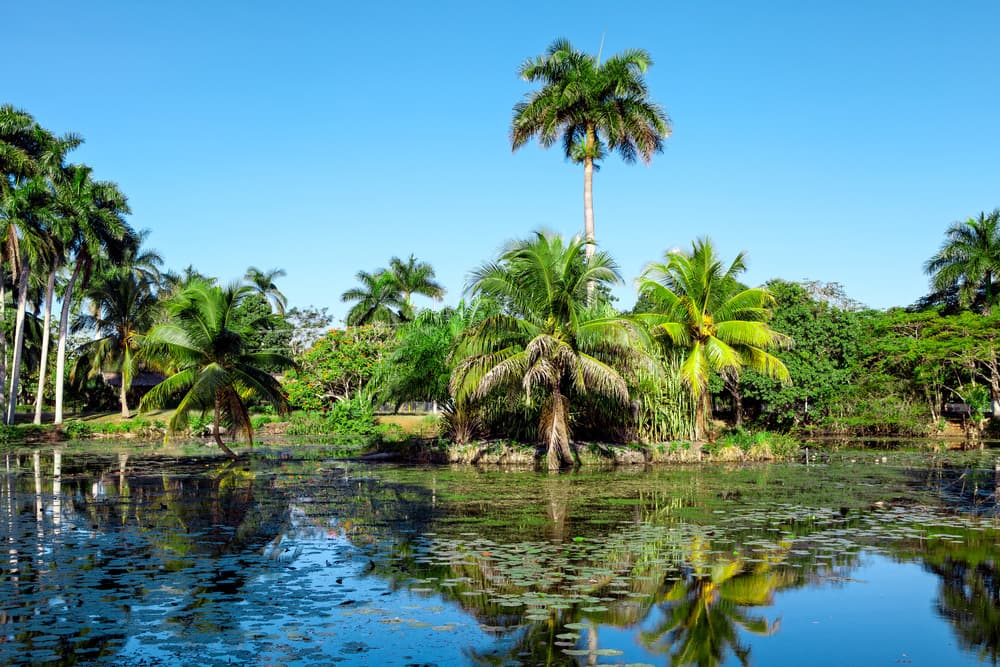
Like a stretch of land through which the waters of the Tesoro Lagoon serpentine, such is the magnificent region of Ciénaga de Zapata, or Zapata Swamp. A blend of lush forests, wetlands enriched by the marsh's freshwater, and picturesque stilt bungalows, it epitomizes what one might call a "green destination par excellence." Ciénaga de Zapata merges nature tourism with beach tourism. This destination is truly a must during a trip to Cuba.
A Brief History
The Siboney Indian tribes occupied the territory of the Zapata Swamp before Columbus arrived. During colonization, few people lived here—only a handful of fishermen. Ciénaga de Zapata was once Cuba's poorest region before the revolution. The government invested heavily in developing the area: hospitals, roads, and schools were built. The communist propaganda billboards along the Australia-to-Playa Larga road may well be Cuba's finest. In 1961, the Bay of Pigs invasion (Bahia de Cochinos) took place. The Cubans achieved victory against the Americans.
Ciénaga de Zapata: Peninsula, Marsh, Natural Park
One must not get lost in the terminology. Ciénaga de Zapata is first and foremost a small marshy region (a swamp) located within the Zapata Peninsula, in Matanzas Province. While Havana, Cuba's capital, sits in the northeast, this province nestles in the southeast.
The region's shape, wonderfully carved by Mother Nature, marries land and freshwater, forming a marsh—hence the name "Zapata Marsh" or "Ciénaga de Zapata." This swamp ecosystem harbors numerous natural riches that have established the destination's tourism reputation.
A large portion of the peninsula, including part of Ciénaga de Zapata, is a protected zone formerly called "Ciénaga de Zapata National Park" or "Parque Nacional Cienaga de Zapata." Later, it was renamed "Gran Parque Natural Montemar," designated a UNESCO Biosphere Reserve in 2001.
In short, Ciénaga de Zapata lies within the peninsula of the same name and has a portion of its territory included in the Grand Montemar Natural Park.
A Closer Look at Ciénaga de Zapata
This marsh was named Zapata—meaning "shoe" in Spanish—because of the peninsula's shape. Ciénaga de Zapata covers more than 4,300 km² of surface area. Practically isolated and uninhabited, this marshy site consists of natural zones populated with animals and plants. Nevertheless, Ciénaga de Zapata is one of the 14 municipalities in Matanzas Province. The region is home to only 8,611 inhabitants (as of 2004). Its municipal seat is located in Playa Larga, north of the Bay of Pigs.
Ciénaga de Zapata: Reputation and Accolades
As a Marsh…
Ciénaga de Zapata is the largest wetland in Cuba, in the Caribbean island region, and one of the largest in Latin America.
Ciénaga de Zapata holds the largest marsh expanse in Cuba and possesses one of the country's largest freshwater reservoirs. It also features Cuba's most complex karst drainage system.
As a Park…
Ciénaga de Zapata ranks among Cuba's most important forest zones and one of the country's most diverse ecosystems. Beyond its high biological value, it is included among the nation's best-preserved natural regions. Approved by UNESCO as a Biosphere Reserve since 2001, one of only six in Cuba, Ciénaga de Zapata has also been declared a Ramsar site. The national park is also Cuba's premier destination for birdwatching.
Fauna and Flora
Ciénaga de Zapata is home to more than 190 bird species, 18 of which are endemic, 31 types of reptiles, and 12 mammal species. Of particular note are the Zapata Wren, the sole representative of the genus Cyanolimnas, and the Zapata Wren, the sole representative of the genus Ferminia. Ciénaga de Zapata is Cuba's largest and most important migratory bird reservoir. These birds come primarily from North America and winter on the peninsula.
While you're there, try to encounter the zunzuncitos, also called bee hummingbirds or Elena's Hummingbird—the world's smallest bird. Be sure not to miss the tocororos, Cuba's national birds. The marsh is also habitat to approximately 3,000 crocodiles, the endangered manatee, and some of Cuba's most primitive fish species. You'll also discover countless amphibians and insects. Ciénaga de Zapata boasts 900 plant species, 115 of which are endemic.
Given the region's unique characteristics, Ciénaga de Zapata is undoubtedly an essential destination during a trip to Cuba.
What to See in Ciénaga de Zapata?
Finca Fiesta Campesina
A mandatory stop on your way to Ciénaga de Zapata, the Fiesta Campesina Farm is the ideal place to enjoy some of Cuba's finest espresso and cappuccino. It sits near the junction between the national highway and the Ciénaga de Zapata road. It's practically the gateway to Ciénaga de Zapata. The farm is also the perfect place to discover Cuban flora and fauna, particularly the Manjuaríes (prehistoric fish species indigenous to Ciénaga de Zapata).
La Laguna del Tesoro
Located in the Eastern Ciénaga de Zapata, the Tesoro Lagoon is undoubtedly one of this swamp region's greatest attractions. At the lagoon's southeastern end lie the Taino village and Villa Guamá, built on a cluster of small islands connected by wooden bridges. In the Taino village, you'll find modest stilt bungalows (representations of aboriginal homes) offering an idyllic landscape for dream vacations. It constitutes a genuine recreation garden representing Cuba's most advanced pre-Columbian indigenous culture (the Taíno). Accessible only by motorboats through the Laguna canal (approximately 4 km long), the village features life-size sculptures of aborigines performing various daily cultural activities (fishing, hunting, domestic work).
Beyond the village's peculiarities, the Tesoro Lagoon is Cuba's largest freshwater reservoir. It spans 16 km² (the country's largest marsh by surface area) and measures 5 km in diameter. Legend says that the Indians who once lived there threw their wealth and most precious treasures to the lake's bottom so they wouldn't fall into enemy hands. This is why the lagoon bears the name Tesoro (treasure in Spanish).
The Tesoro Lagoon also offers magnificent sunrises and sunsets. Its crystal-clear waters teem with trout, making it an ideal spot for sport fishing.
What to Do in Ciénaga de Zapata?
Beach Swimming and Diving
Playa Larga
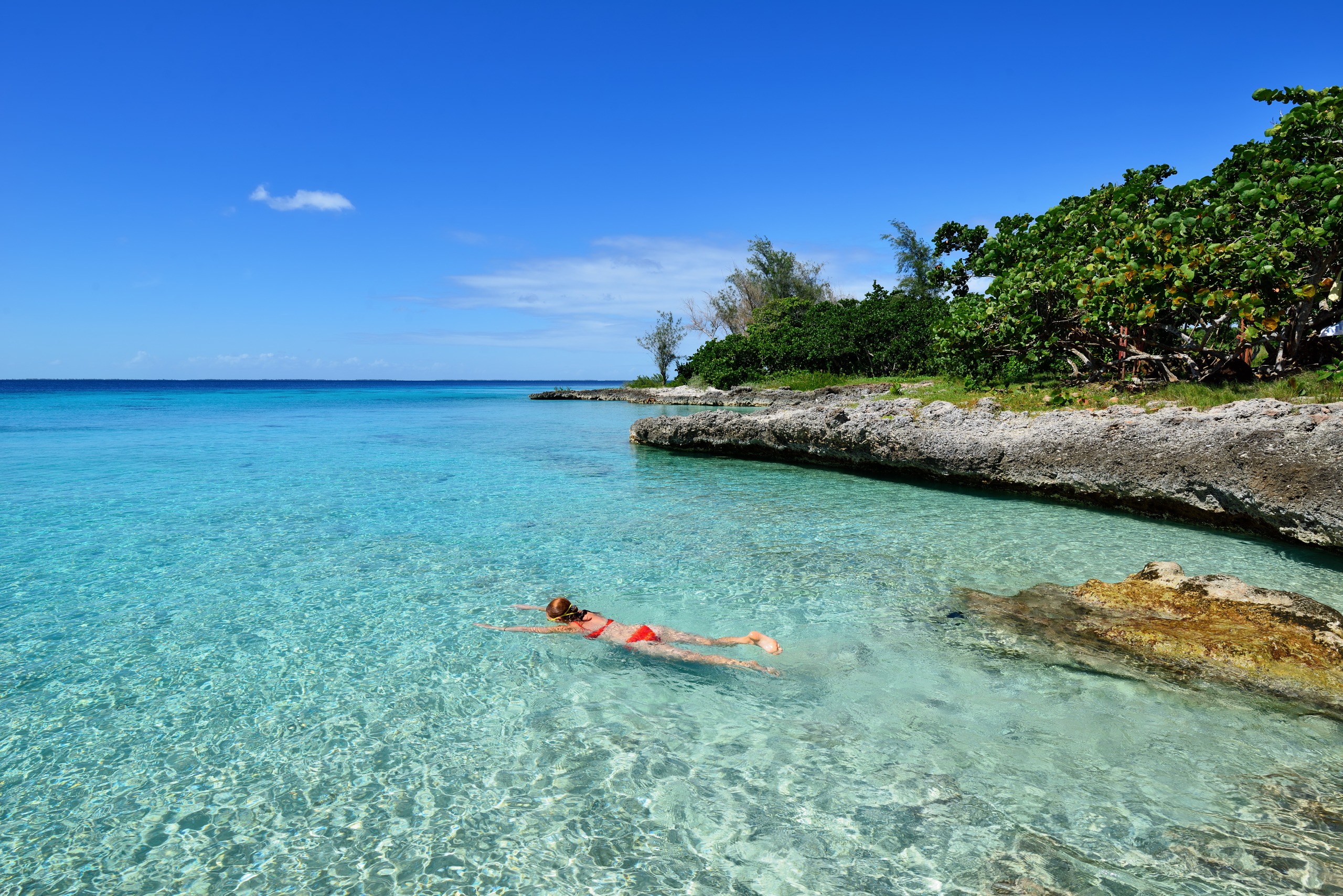
Just 11 km south of La Boca, Playa Larga is one of Cuba's finest beaches on the south coast. You can practice snorkeling, night diving, or open-water diving. There are 13 diving sites accessible from shore. You can also enroll in beginner diving courses.
Playa Girón
Its name recalls Gilbert Girón, a French-born pirate who took refuge in the region during the 17th century. Located at the eastern entrance of the Bay of Pigs, 34 km southeast of Playa Larga, Playa Girón suits hiking enthusiasts, birdwatchers, and those interested in cave tourism (speleology tours). You can also visit the Girón Museum, dedicated specifically to the Bay of Pigs invasion. You'll find weapons, photographs of battles and casualties, a Sea Fury fighter plane, and a tank used during the 1961 confrontations.
Birdwatching
The best time to observe North American migratory birds is from November to April, notably at Gran Parque Natural Montemar.
Sport Fishing / Fly Fishing
The Manjuarí, a primitive fish found only in Ciénaga de Zapata, is the most intriguing fish species in this destination. Trout also thrives in the region, hence the great interest in sport fishing and fly fishing.
When to Visit?
The best time to visit Ciénaga de Zapata is between November and April. The climate is more pleasant during this period, and it's ideal for observing birds, crocodiles, and other local wildlife.
Ciénaga de Zapata is accessible from Havana or Santa Clara by the national highway. Theoretically, you can travel by bus, taxi, or rental car. However, the best option is to take a bus, notably those operated by Viazul. They make daily intermediate stops at Playa Girón and Playa Larga.
From Havana, the journey should take about 4 hours. Several bus lines operate the following routes:
- Havana – Trinidad: intermediate stops at Playa Larga at 9:45 AM and 2:45 PM, and at Playa Girón at 10:00 AM and 2:35 PM
- Varadero – Trinidad: intermediate stops at Playa Girón at 10:00 AM and at Playa Larga at 10:30 AM
Want to discover this destination?
Our local advisors design your tailor-made trip.