Coral Beach or Playa Coral
Coral Beach or Playa Coral
Between Varadero and Matanzas, Playa Coral offers a coral reef accessible from the beach, ideal for snorkeling and diving on Cuba's north coast.
Located between Varadero and Matanzas on Cuba's north coast, Playa Coral (or Coral Beach) stands out from the region's developed beaches with its wild character and reef accessible directly from the shore. The site primarily attracts snorkeling and diving enthusiasts drawn by a coral barrier that extends more than 2 km offshore.
Why visit Playa Coral
Playa Coral is not a traditional resort beach. Here, there are no rows of loungers or beach entertainment: the site retains a raw, minimally developed character that offers an interesting contrast to Varadero's hotel complexes, situated about fifteen kilometers to the east.
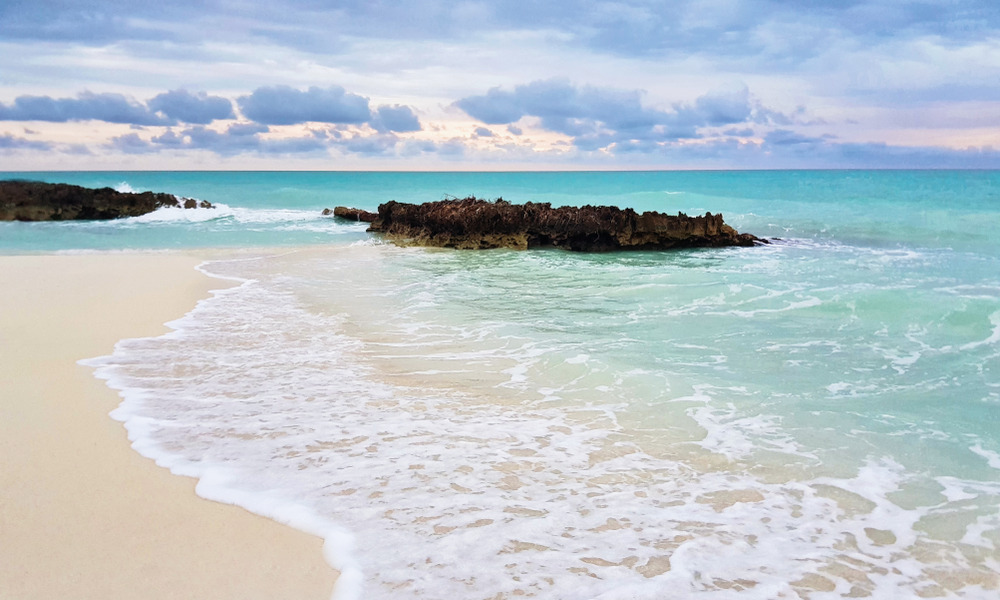
The sand displays a golden tone with a slight rosy hue, derived from crushed coral and sometimes mixed with washed-up seaweed. The calm waters, shallow near the shore, provide favorable conditions for observing the seafloor. Fishing and motorized water sports are prohibited in this protected zone, contributing to ecosystem preservation.
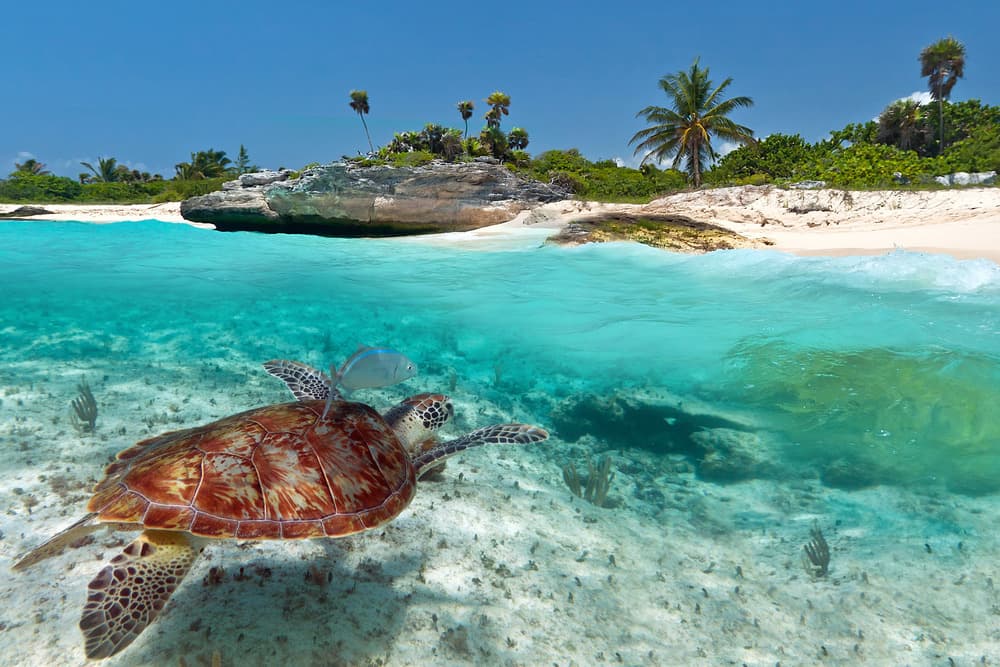
The coral reef, located just dozens of meters from shore, shelters rich fauna: angelfish, damselfish, barracudas, and occasionally sea turtles. Local estimates suggest over 300 fish species at the site. With underwater visibility reaching 15 to 20 meters under good conditions, it's one of the most accessible snorkeling spots on Cuba's north coast.
What to do at Playa Coral
Beach snorkeling
Snorkeling remains the primary activity. The reef is accessible directly by swimming from shore, with no need for a boat. You can explore the seafloor independently with your own equipment, but a local guide is recommended to identify the best passages through the reef and ensure safety, particularly near areas with denser coral.
Scuba diving
Several centers offer diving outings for certified divers. Average visibility (15 to 20 m) and diverse fauna make Playa Coral a site suitable for both introductory dives and experienced divers seeking to explore the barrier beyond snorkeling zones.
Relaxation and observation
Beyond water activities, the site lends itself to a tranquil day in the shade of palm trees. A few street vendors offer drinks and fruit, and a small bar-restaurant operates irregularly on-site. Horseback riding is sometimes offered by local providers.
When to go
The dry season, from November to April, offers the best conditions: calmer seas, optimal underwater visibility, pleasant temperatures. The wet season (May to October) remains feasible but visibility may be reduced after rainy episodes or rough sea days. Hurricane season (August-October) requires particular caution.
For snorkeling, favor mornings: seas are generally calmer, light more favorable, and fewer visitors. Check local forecasts before visiting, as visibility heavily depends on sea conditions.
Practical information
The site is minimally developed, so plan accordingly:
- Water shoes: the ground near shore is often rocky or covered with dead coral.
- Water and snacks: no reliable food source always available.
- Reef-safe mineral sunscreen: chemical sunscreens damage coral.
- Snorkeling gear: available for rental on-site, though quality varies.
A few commonsense rules apply: do not touch or step on corals, do not feed fish, do not collect shells. Portuguese man o' war, a venomous jellyfish, may be present in the water depending on currents: inquire with guides before swimming. If you're new to snorkeling, mention it to receive appropriate supervision.
How to get there
Playa Coral is located approximately 15 km west of Varadero, between the villages of Boca de Camarioca and Carbonera, and just 8 km from Varadero International Airport (Juan G. Gomez). Though often associated with Varadero, the beach is actually closer to Matanzas, about 12 km northeast of the city center.
Access is via the old coastal road, parallel to the Via Blanca. A small parking area marks arrival, followed by a short walk to the shore.
- Taxi from Varadero: the simplest option, expect a journey of about twenty minutes.
- Rental car: convenient for combining with nearby sites.
- Organized excursion: typically includes transport, guide, and equipment rental.
Nearby
Several sites can complement a visit to Playa Coral:
- Cuevas de Saturno: cave with natural freshwater pool, located just kilometers away, ideal for combining sea snorkeling and freshwater swimming in the same day.
- Varadero: Cuba's most famous beach resort, 15 km to the east, for its developed beaches and hotel offerings.
- Matanzas: historic city 12 km away, interesting for its heritage and more authentic atmosphere.
To extend discovery of the island's natural and cultural sites, the Bay of Pigs also offers excellent snorkeling spots, while Jagua Castle near Cienfuegos is worth a detour for its colonial heritage.
Frequently asked questions
Frequently asked questions
No, the reef is accessible at shallow depth near shore and suitable for beginners. A flotation vest can be rented on-site or requested from the guide. To venture beyond the first zones, good water confidence is nonetheless recommended.
Beach access is generally free, though a contribution may be requested for guided snorkeling or equipment rental. Rates remain modest and are settled on-site.
Yes, both sites are very close and many excursions combine them. Allow a half-day to a full day depending on your pace.
Infrastructure is limited: a small bar-restaurant operates irregularly, and restrooms are basic. It's best to bring water and snacks.
From November to April, during the dry season, for calm seas and good underwater visibility. Avoid strong wind days or rough seas.
Planning your visit
Playa Coral fits easily into an itinerary combining Varadero, Matanzas, and the north coast. To build a custom trip including snorkeling, natural sites, and Cuban heritage, consult our custom trips to Cuba.
Interested in this visit?
We can include it in your personalised itinerary.