Practical information Cuba
Cuba has its codes and a few pitfalls best avoided with serious preparation. From our Havana office, Thierry and our team continuously update this information because rules change fast: currency, internet access, entry requirements. To enter the country, you'll need a tourist card (tarjeta del turista) valid for 90 days, purchased before departure or at the airport depending on your flight, and travel insurance covering medical expenses, checked on arrival at José Martí. Health-wise, no vaccines are mandatory but we recommend staying current with standard boosters and typhoid. Malaria doesn't exist, dengue circulates episodically during the wet season. Budget-wise, plan for 80 to 130 euros per day per person excluding international flights, traveling comfortably with casas particulares, driver and paladares restaurants. We emphasize one point: bring your euros in cash, French bank cards work poorly and ATMs are unreliable. Tropical climate with dry season from November to April (our recommended period) and wet season from May to October, which includes hurricane risk from August to October. Transportation requires patience: we favor private cars with drivers between stages rather than Viazul (long-distance buses), which are more rigid. Overall good security, standard vigilance regarding currency scams and jineteros in Havana and Trinidad. As for etiquette, Cubans appreciate humor, direct conversation and generosity: a small gift (pens, soaps) for your casa hosts is always appreciated.
Plan your trip by theme
Explore our practical guides organized by category to quickly find the information you need.
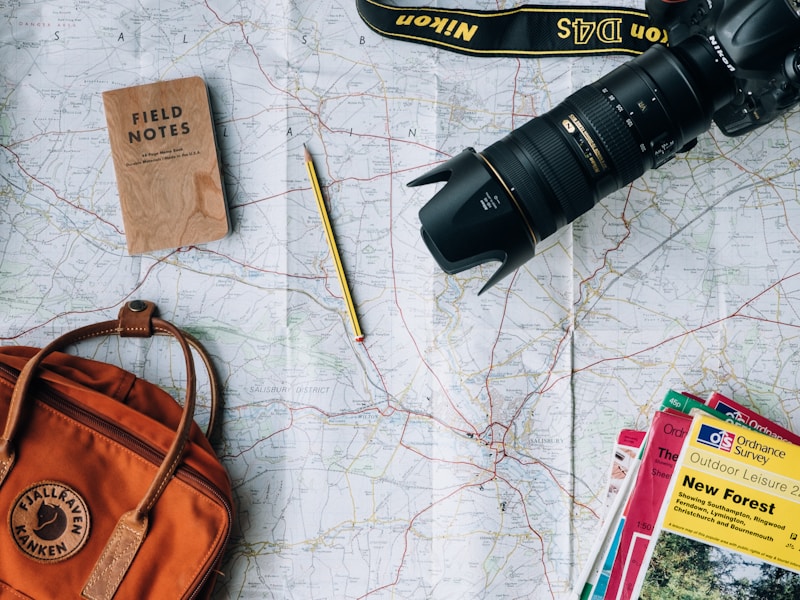
Before You Go
Tourist card 90 days, passport valid 2 months after return, mandatory health insurance, formalities to arrange before your flight.
2 articles
Money Budget
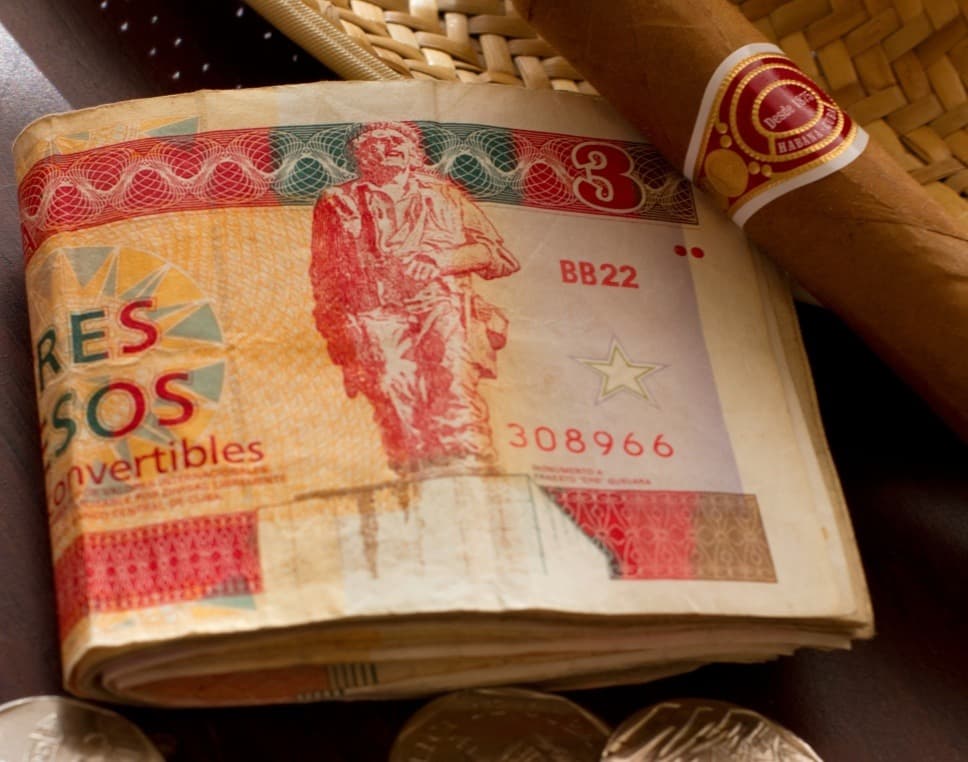
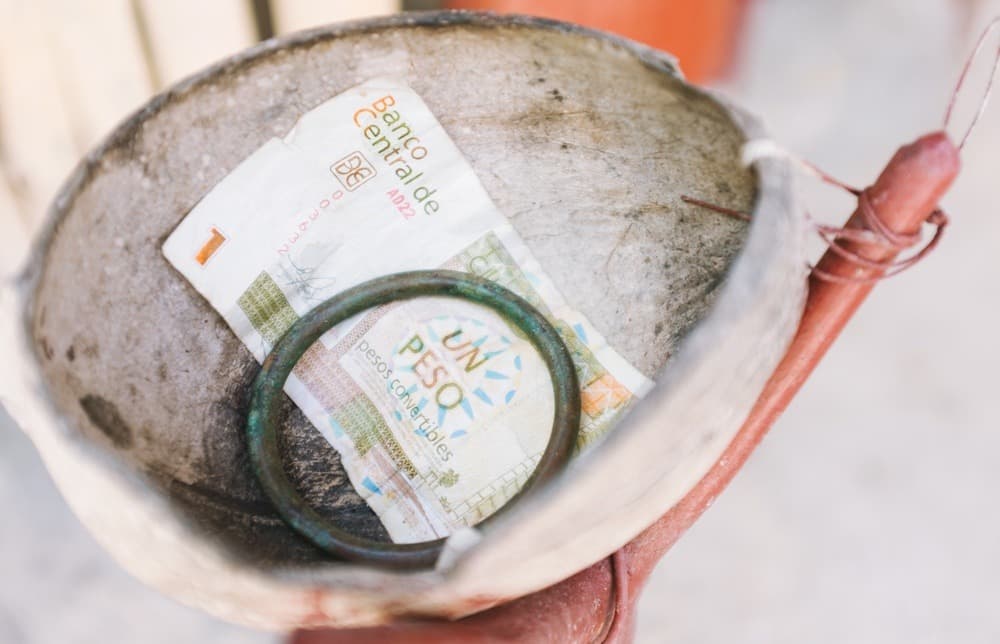
Cuban peso (CUP), euros in cash essential, limited bank cards, budget range 80 to 130 €/day/person, customary tips.
2 articles
Climate Season
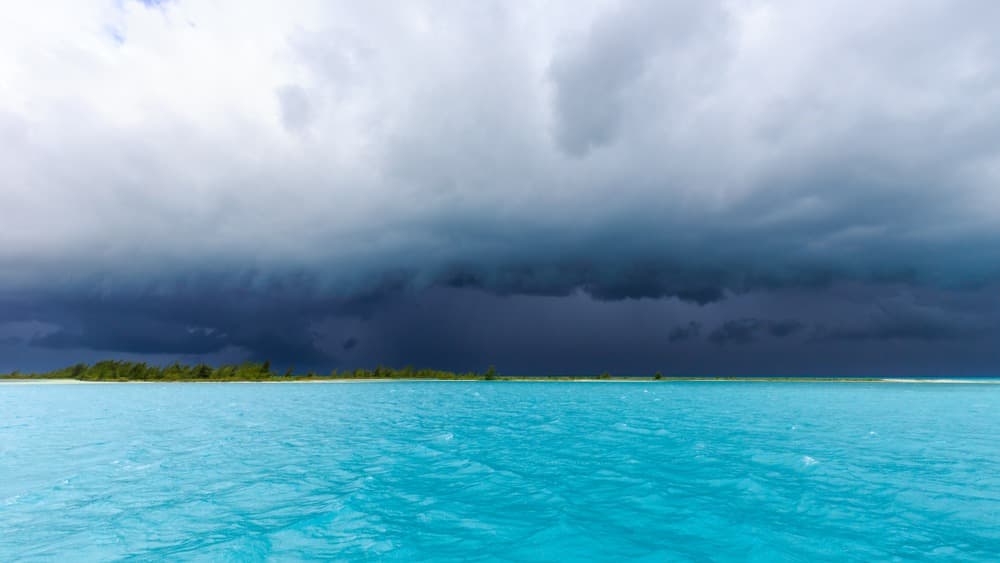
Dry season November-April ideal, humid season May-October, hurricane risk August-October, temperatures 22-32°C year-round.

Transports
Private car with driver recommended, Viazul buses available, domestic flights to Santiago and Baracoa, shared urban taxis.
2 articles
Culture
Warm greetings, casual dress code, music everywhere, small gifts appreciated in casa particular.
2 articles
Useful Tips
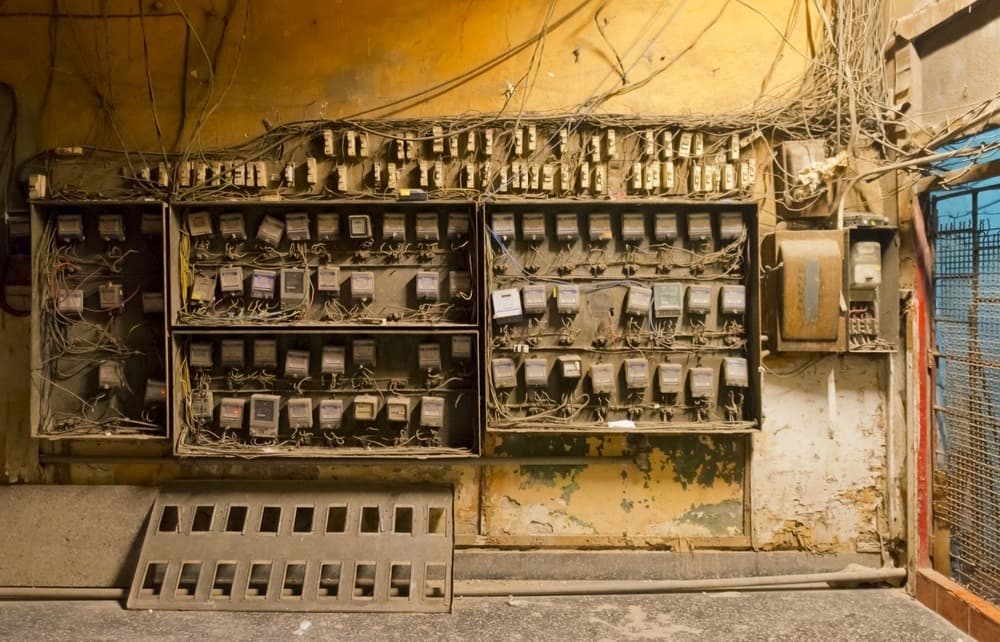
Overall good safety, bottled water, electricity 110V sometimes 220V, wifi via Nauta cards in parks.
6 articlesAll practical guides
Search and filter among 14 articles

14 of 14 results
Frequently asked questions
The answers to the most frequently asked questions from our travellers.
For French, Belgian and Swiss nationals, a tourist card (tarjeta del turista) valid for 90 days is required, extendable for a further 90 days on arrival. Its price ranges from 22 to 40 euros depending on the purchase channel: airline, consulate or approved provider. For flights from Paris with Air France or Air Caraïbes, the card is generally issued at boarding. Your passport must be valid for at least 2 months after your return date. Travel insurance covering medical expenses is mandatory and may be checked upon arrival at José Martí airport. Since 2022, an online health and customs form (D'Viajeros) must be completed within 72 hours before arrival.
No vaccine is mandatory to enter Cuba from Europe. We recommend being up to date on universal vaccinations (DTP, MMR, hepatitis B) and considering hepatitis A and typhoid, especially if you plan to eat often in neighborhood paladares or in rural areas. Yellow fever is only required if you are coming from an endemic country. Malaria is not present on the island. Dengue circulates in episodes, particularly during the wet season from May to October, and chikungunya remains possible: use anti-mosquito protection (DEET 30%) in the morning and evening. A consultation at an international vaccination center 4 to 6 weeks before departure allows you to review your vaccination status.
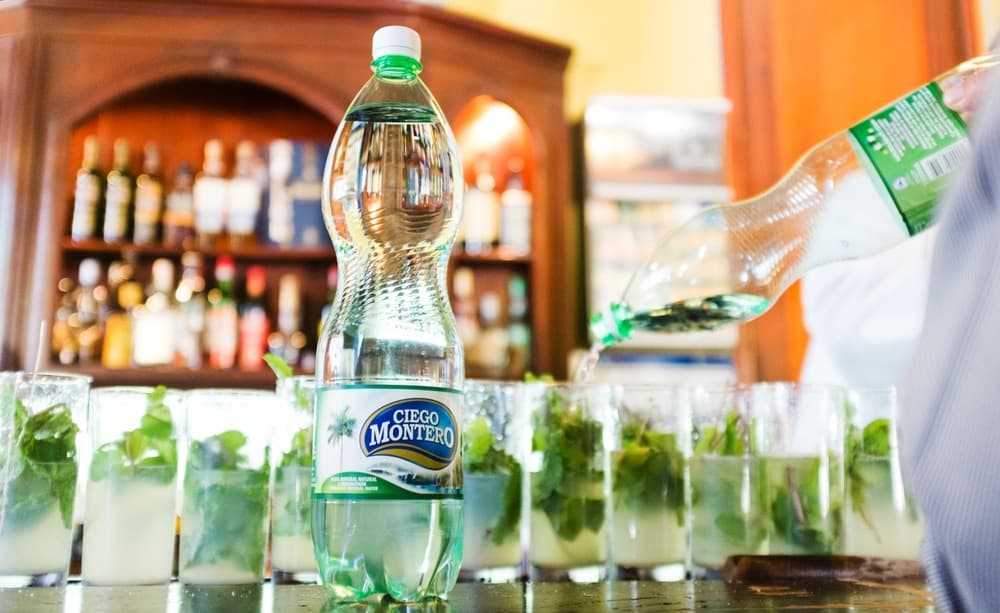
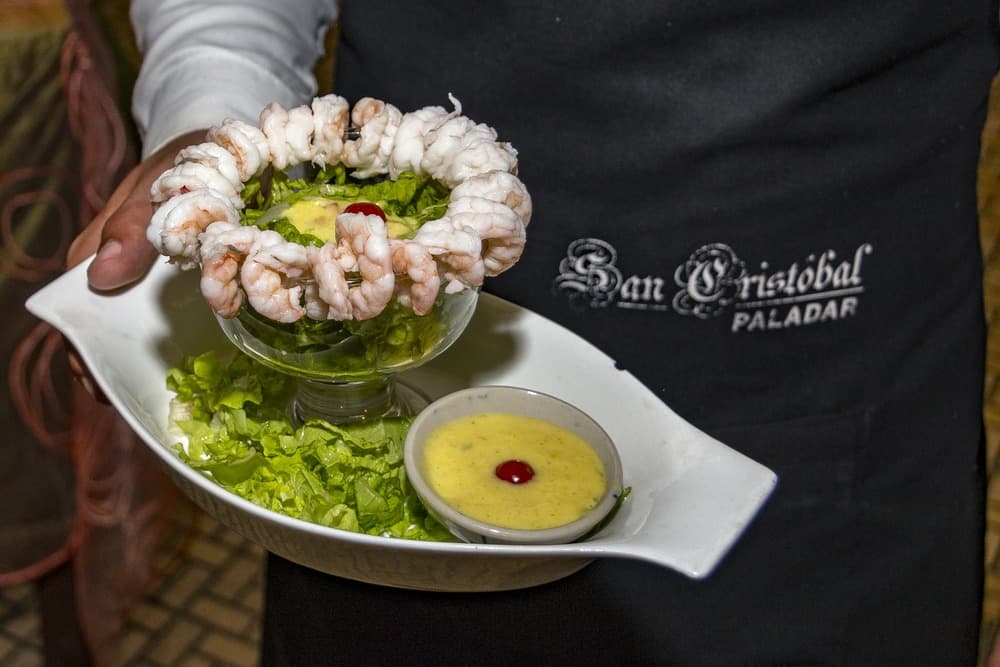
Excluding international flights, expect €80 to €130 per day and per person for our comfort package: casa particular with breakfast (€25-40/night for 2), meals in paladars (€10-15 per person), shared private car with driver (€60-100 per day for 2-3 people), museum entries and activities (€3-10). A mojito costs around €3, a Cohiba cigar €12-15 at an official casa del habano. Bring euros in cash as an absolute must: French bank cards work poorly and ATMs are unreliable. Exchange can be done at official Cadecas or hotels.
The dry season from November to April remains the ideal period: temperatures of 22 to 28°C, little rainfall, reasonable humidity. December to March concentrates high season, with marked visitor numbers in Havana, Viñales and Trinidad and higher prices on casas. May and November offer a good balance between rates and weather. Avoid August to October, hurricane season in the Caribbean: intense rainfall, real cyclonic risk, some domestic flights are cancelled. July and August remain feasible if you accept the heat (32°C, 85% humidity) and tropical afternoon showers. The Santiago carnival in July justifies a summer trip for music lovers.
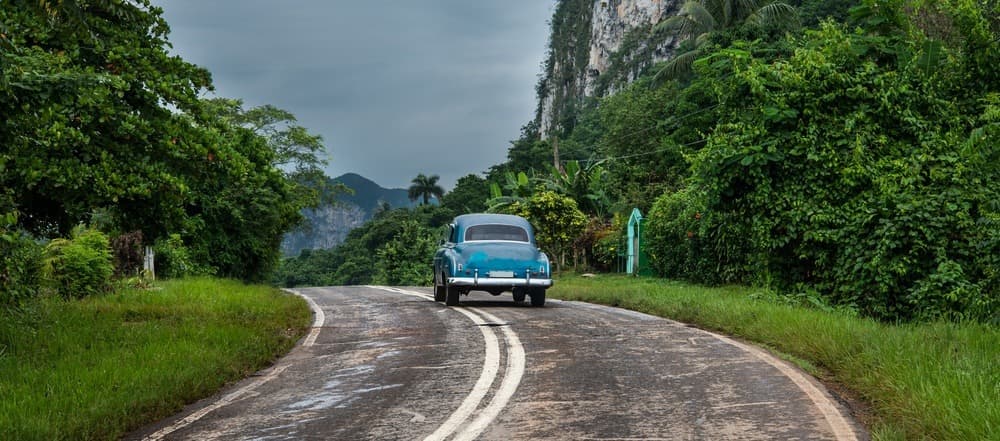
Our preferred solution remains a private car with driver between stages, more flexible than Viazul buses (decent long-distance company but with rigid schedules and tickets sometimes fully booked in high season). Distances are significant: 350 km between Havana and Trinidad, 870 km to Santiago. To reach Santiago or Baracoa from the west, domestic flights with Cubana or Aerogaviota save two days. In cities, shared taxis (almendrones, old shared American cars) cost just a few pesos. Car rental is possible but we advise against it: poor signage, variable road conditions, occasional fuel shortages. The Hershey train exists but remains more of a curiosity.
Cuba remains one of the safest destinations in Latin America in terms of crime. Violence against tourists is rare and police presence is strong in tourist areas. Standard precautions apply: stay alert with your bags in busy Centro Habana streets, don't leave visible objects in a car. The main nuisances are jineteros (touts) in Havana and Trinidad who offer restaurants, cigars or accommodation with commissions, and street money exchange scams (always exchange at an official Cadeca). If you encounter any issues, our English-speaking team in Havana is available 24/7 during your stay. Avoid public demonstrations and photography of military buildings.
Ready to travel to in Cuba?
Discover our tailor-made itineraries, designed by our local team. Each route adapts to your pace, your preferences and your travel season.
See our toursWe use cookies to improve your experience and measure our site's audience. You can choose what you accept. Learn more.